Interstellar
"A cosmic odyssey anchored by the shattering weight of a father's promise."
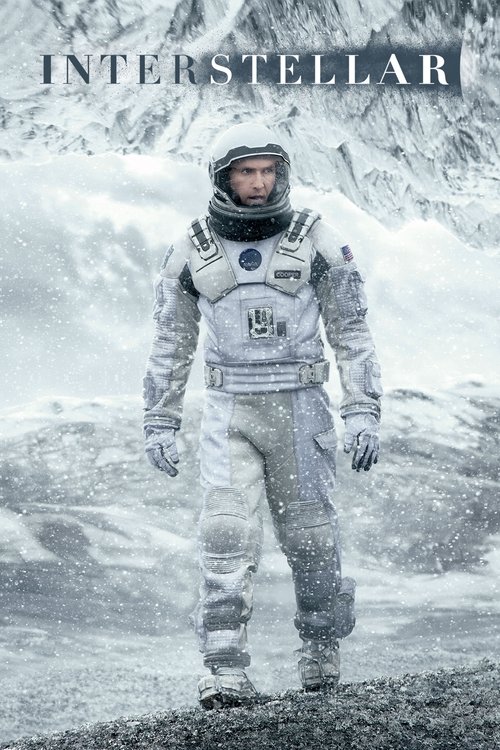
The loudest thing about Interstellar isn't the roar of a Saturn V rocket or the crashing mountain-sized waves of a water world; it's the sound of a pipe organ and the silent, wet streaks on a father's face. When Christopher Nolan released this three-hour behemoth in 2014, the cinematic landscape was already beginning to feel the heavy gravity of the "formulaic franchise" era. We were deep into the second phase of the MCU, and big-budget spectacles were increasingly moving toward digital artifice. Then came Interstellar, a film that felt like it belonged to a different timeline—one where the soul of 1970s humanistic drama was fused with the bleeding-edge physics of the 21st century.
The McConaissance Meets the Multiverse
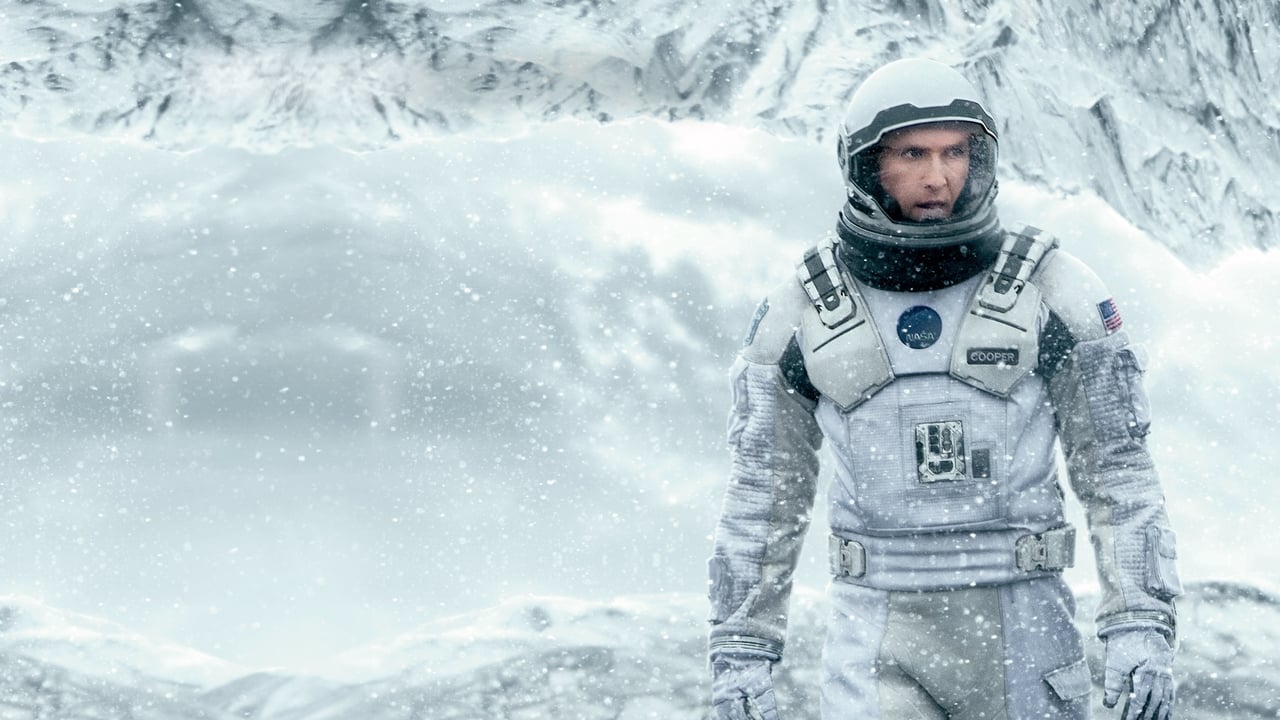
At the center of this storm is Matthew McConaughey as Cooper. This was the peak of the "McConaissance," that glorious stretch where the actor pivoted from rom-com royalty to a powerhouse of raw, vulnerable grit. Cooper isn't a superhero; he's a frustrated engineer and a grieving widower who loves his kids more than he loves the stars.
The emotional pivot of the entire film happens in a small, dark room on a spaceship where Cooper watches twenty-three years of video messages from his children in a single sitting. The way McConaughey's face literally seems to crumble as he watches his son grow up and his daughter, Murph (played with fierce intelligence by Jessica Chastain), lose hope in him is some of the most authentic acting of the decade. It's the ultimate "prestige" performance because it grounds the high-concept theoretical physics in a feeling we all understand: the terror of lost time.
The Church of the Pipe Organ
In 2014, audiences expected Hans Zimmer to deliver the thumping, brassy "BRAAM" sounds he made famous in Inception. Instead, he and Nolan opted for something almost spiritual. By centering the score on a 1926 Fourneaux & Co. pipe organ, they created a soundscape that feels ancient and ecclesiastical. The organ relies on human breath—air moving through pipes—which mirrors the very thing the astronauts are fighting for in the vacuum of space.
When you revisit this on a Popcornizer-worthy home setup, pay attention to how the silence is used. Nolan often cuts the sound entirely during the most violent external moments, reminding us that in space, nobody can hear the docking mechanism fail. It's a brilliant directorial choice that forces the viewer back into the cockpit, feeling the vibration rather than just hearing the explosion.
Practical Magic in a Digital Age
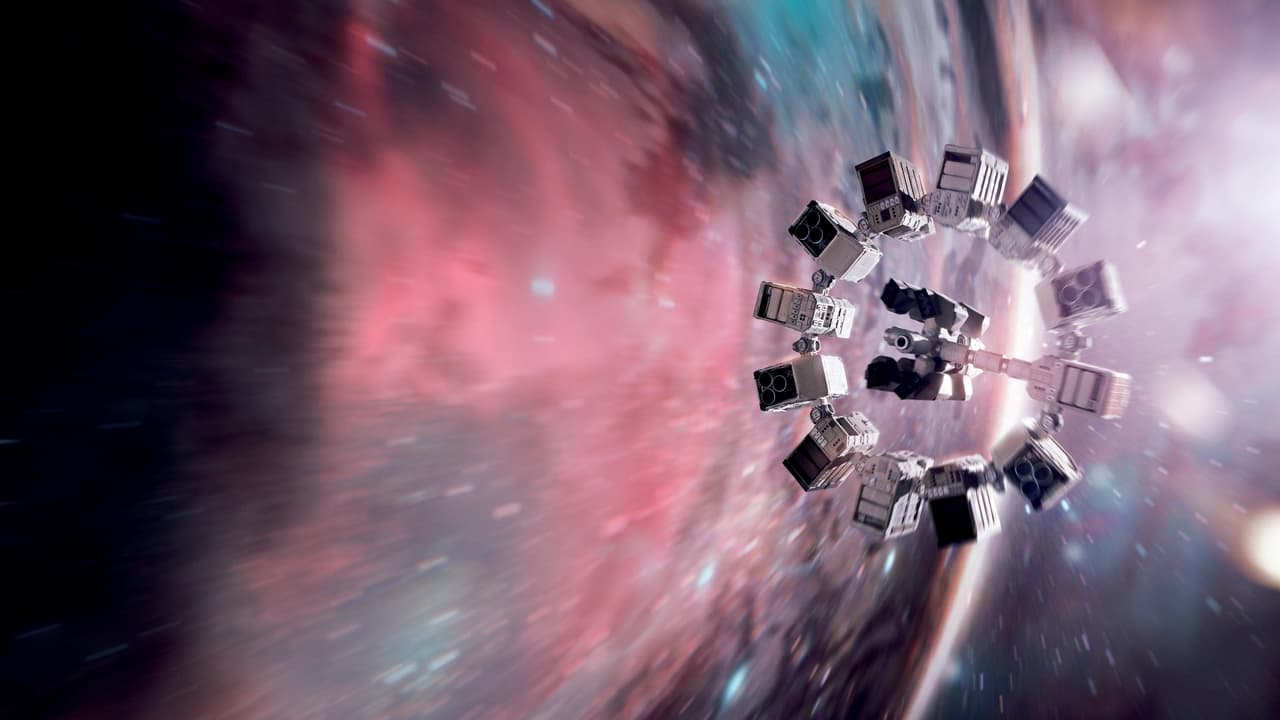
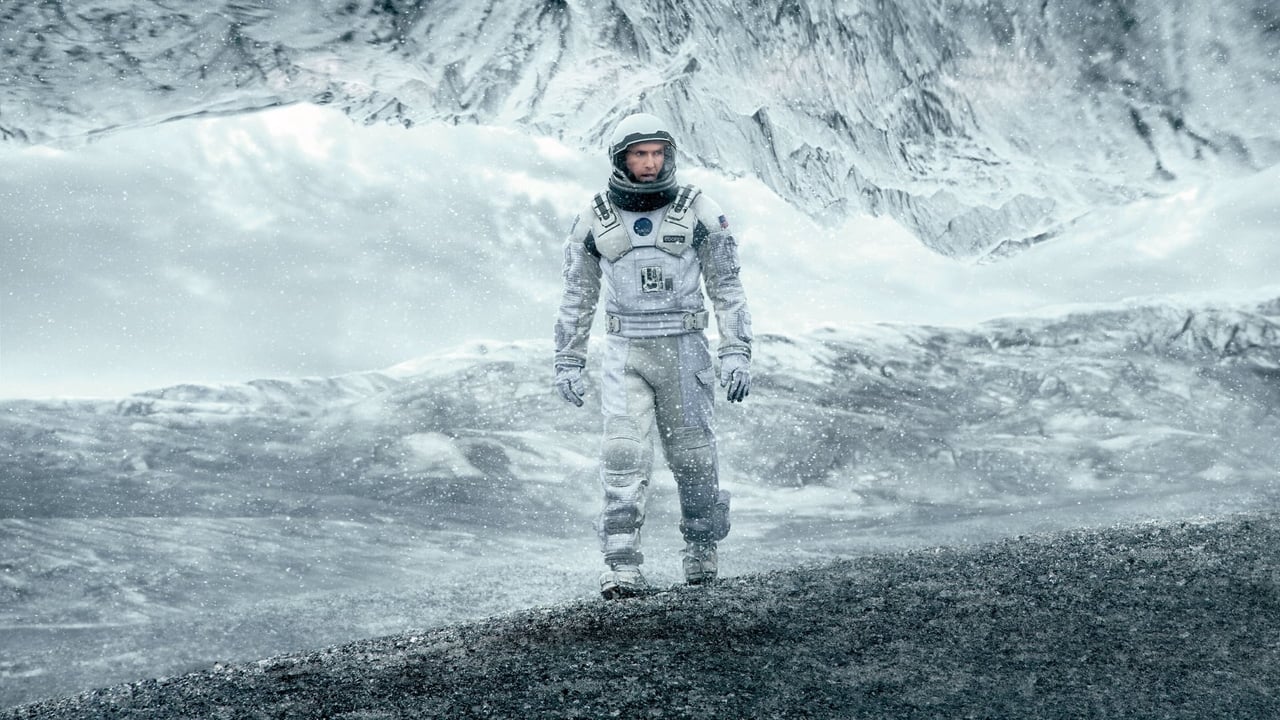
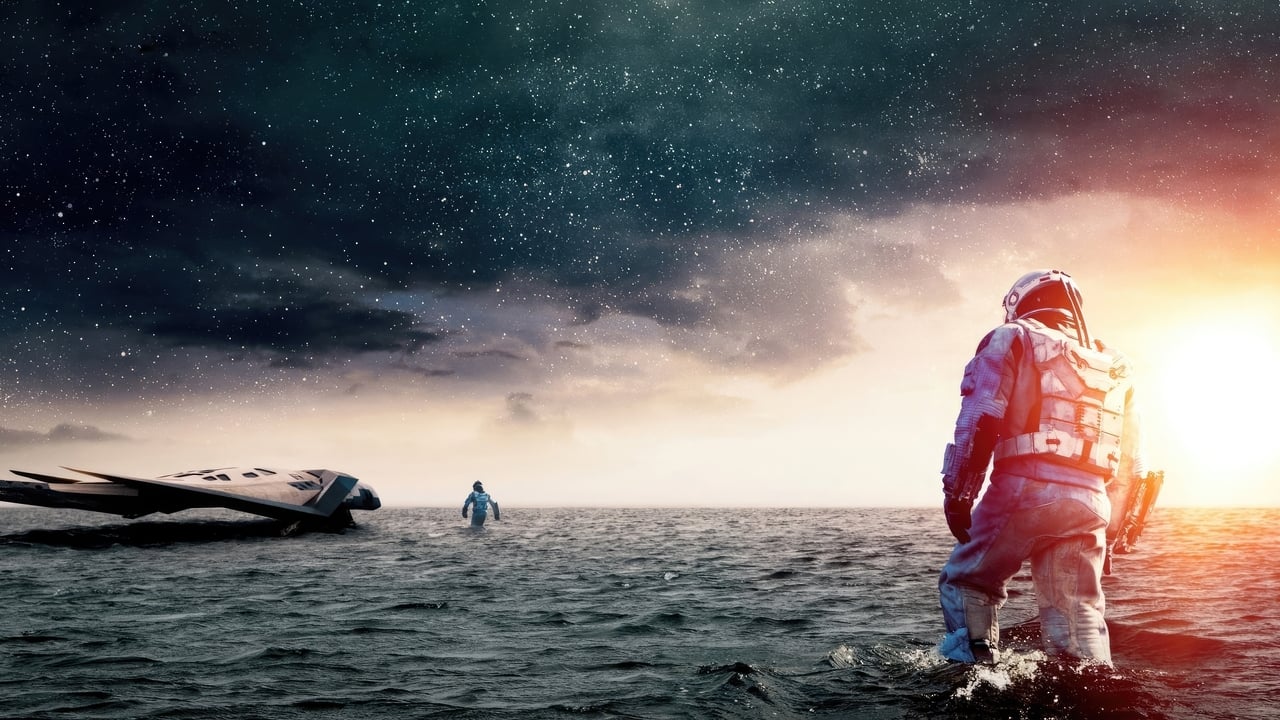
Looking back from a decade later, Interstellar stands out for its refusal to lean entirely on a green screen. While the 1990-2014 era saw the CGI revolution reach its zenith, Nolan remained a staunch defender of the tangible. The production built massive, circular sets that actually spun to simulate gravity and used rear-projection screens outside the "windows" of the spacecraft. When Anne Hathaway (as the stoic yet driven Brand) looks out at a black hole, she isn't looking at a tennis ball on a stick; she's looking at the actual visual data provided by physicist Kip Thorne.
Speaking of that black hole, Gargantua, the technical achievement here remains staggering. The visual effects team at Double Negative, led by Paul Franklin, actually wrote new rendering software to map how light would warp around a gravitational well. It didn't just win the Oscar for Best Visual Effects; it resulted in published scientific papers. That level of "craft excellence" is what separates a standard blockbuster from a piece of prestige cinema that demands to be taken seriously.
The Ghost in the Nursery
The script, co-written with Jonathan Nolan, is a dense thicket of exposition and sentiment. Does it get a little clunky? Sometimes. The dialogue regarding love being a "quantifiable dimension" is the kind of thing only a director as confident as Nolan could pull off without the audience rolling their eyes. Yet, the film earns its sentimentality because it spends the first forty-five minutes in the dust-choked cornfields of a dying Earth.
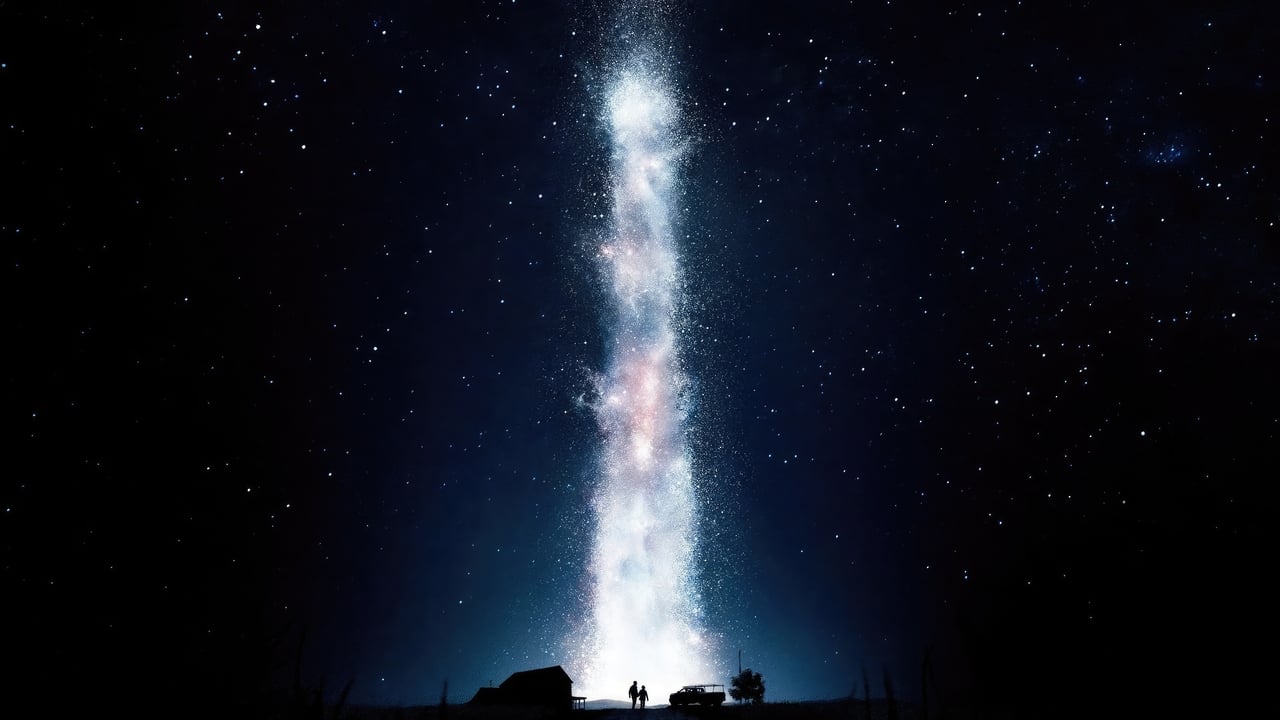
We see a young Tom (Timothée Chalamet, in one of his earliest notable roles) and a young Murph dealing with the mundane tragedy of a world that has stopped dreaming. This "post-9/11" anxiety—the feeling that our best days are behind us and the planet is actively trying to evict us—permeates the first act. It makes the subsequent voyage feel not like a choice, but a desperate, gasping necessity.
A Modern Legacy Reassessed
So, how does it play now? In an era where many CGI-heavy films from the early 2010s are starting to show their digital seams, Interstellar looks better than ever. The cinematography by Hoyte van Hofteuma (who took over for Nolan's long-time collaborator Wally Pfister) uses IMAX cameras to create a sense of scale that feels genuinely frightening. The "Mann's Planet" sequence, featuring a surprise (and effectively chilling) appearance by Matt Damon, serves as a gritty reminder that the greatest threat to humanity isn't a black hole or a lack of oxygen—it's our own survival instinct curdling into selfishness.
This isn't just a movie about "the big out there." It's a drama about the heavy "in here." It's about the way we carry our children's futures like a burden and a blessing. It was a massive gamble for a studio to put $165 million into a film that requires the audience to understand relativity, but the gamble paid off because, at its heart, it's just a story about a girl waiting for her dad to come home.
The film earns this high mark by being one of the few modern spectacles that values the texture of a dusty farmhouse as much as the grandeur of a wormhole, proving that the most profound frontier is the human heart.
Keep Exploring...
-
The Prestige
2006
-
Inception
2010
-
The Dark Knight
2008
-

The Dark Knight Rises
2012
-

Batman Begins
2005
-
Oppenheimer
2023
-
Her
2013
-
The Iron Giant
1999
-

Gladiator
2000
-
Mr. Nobody
2009
-

The Martian
2015
-
The Lion King
1994
-
Eternal Sunshine of the Spotless Mind
2004
-
Into the Wild
2007
-
Avatar
2009
-

The Avengers
2012
-
The Wolf of Wall Street
2013
-
Captain America: The Winter Soldier
2014
-

Guardians of the Galaxy
2014
-
X-Men: Days of Future Past
2014