Into the Storm
"Nature has no mercy, and neither does the camera."
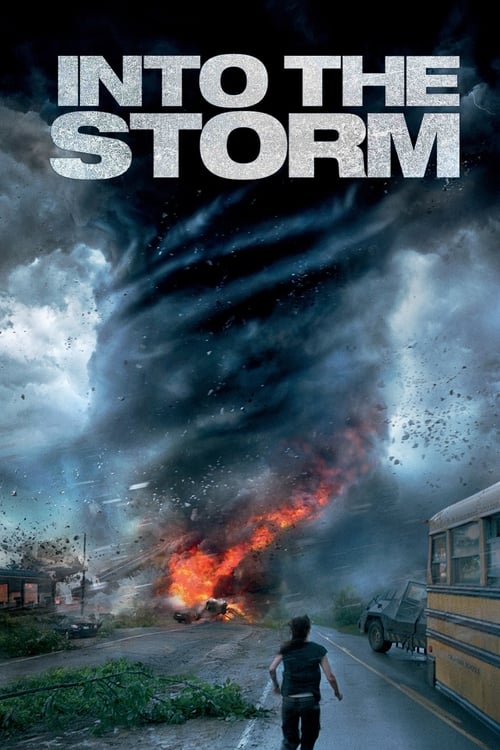
The roar of a digital wind tunnel is a sound that defines the mid-2010s blockbuster, an era where CGI was finally shaking off its plastic sheen to embrace something grittier and more chaotic. There is a specific kind of cinematic hubris involved in trying to out-maneuver Twister (1996), a film that defined the disaster genre for a generation. Yet, by 2014, the tools had changed. We weren't just watching a storm from a tripod anymore; we were inside it, holding a GoPro and praying for a signal.
I watched Into the Storm on a humid Tuesday night while trying to ignore a persistent squeak in my ceiling fan, and honestly, the extra sensory input of a rhythmic mechanical clicking actually enhanced the "shaky-cam" anxiety. It’s a film that sits at a very specific crossroads in cinema history: the tail end of the found-footage craze and the peak of the "everyday hero" disaster flick.
The Found-Footage Wind Tunnel
By the time Steven Quale (who cut his teeth as a second-unit director on James Cameron’s Avatar and Titanic) took the reins here, the found-footage gimmick was starting to feel a bit thin. We’d been through Cloverfield and Paranormal Activity, and audiences were getting tired of wondering why the characters wouldn't just drop the camera and run for their lives.
Into the Storm bypasses this by making the cameras the point. You’ve got professional storm chasers led by Matt Walsh—who usually plays the "lovable jerk" in comedies like Veep but here pivots to a Captain Ahab-style obsession—and a group of high schoolers documenting a graduation. This allows the film to jump between high-end professional rigs and grainy cell phone footage. It’s a clever way to mask the limitations of a $50 million budget, which, for a movie that looks this massive, is actually quite lean. It’s essentially a 90-minute tech demo for a weather app that wants to kill you.
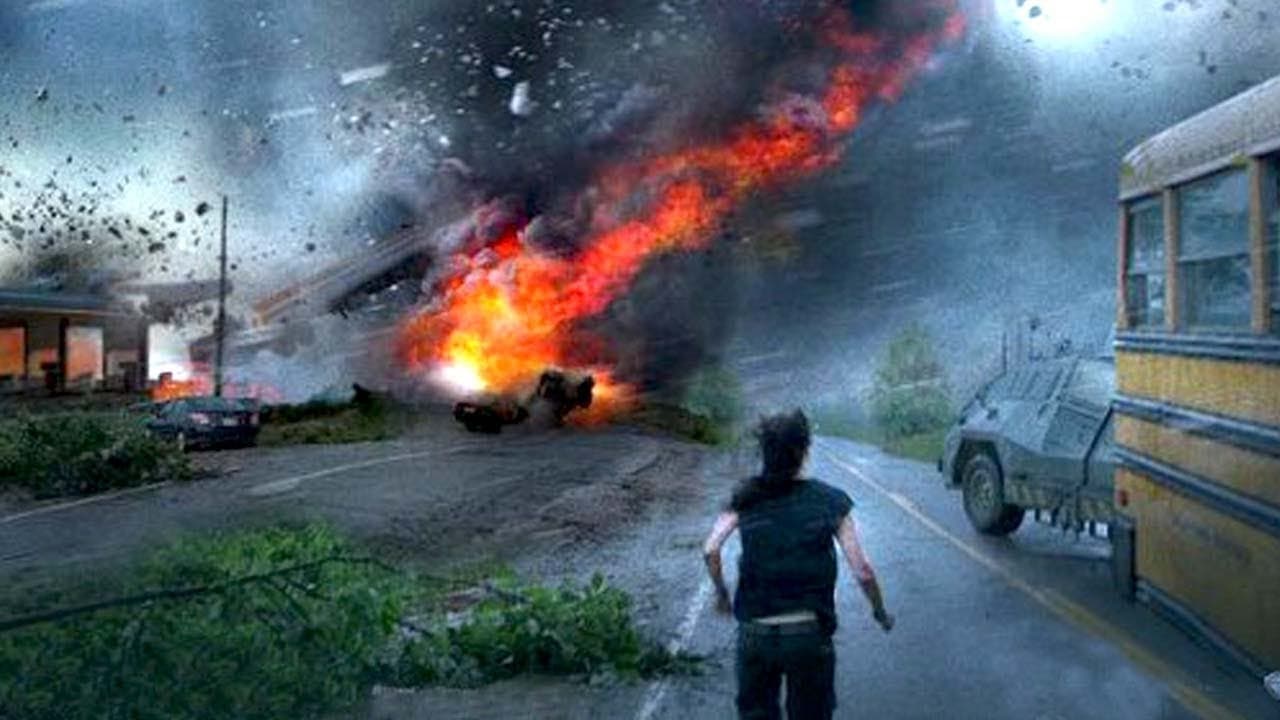
The action choreography is where Quale really earns his paycheck. There is a sequence involving a "firenado"—a tornado that sucks up a leaking gas tanker—that is genuinely terrifying. It’s the kind of sequence that would have been impossible to render convincingly in the 90s. Here, the debris has weight, the lighting from the flames interacts perfectly with the swirling dust, and the sound design is loud enough to rattle your fillings.
Gravity and Grittiness
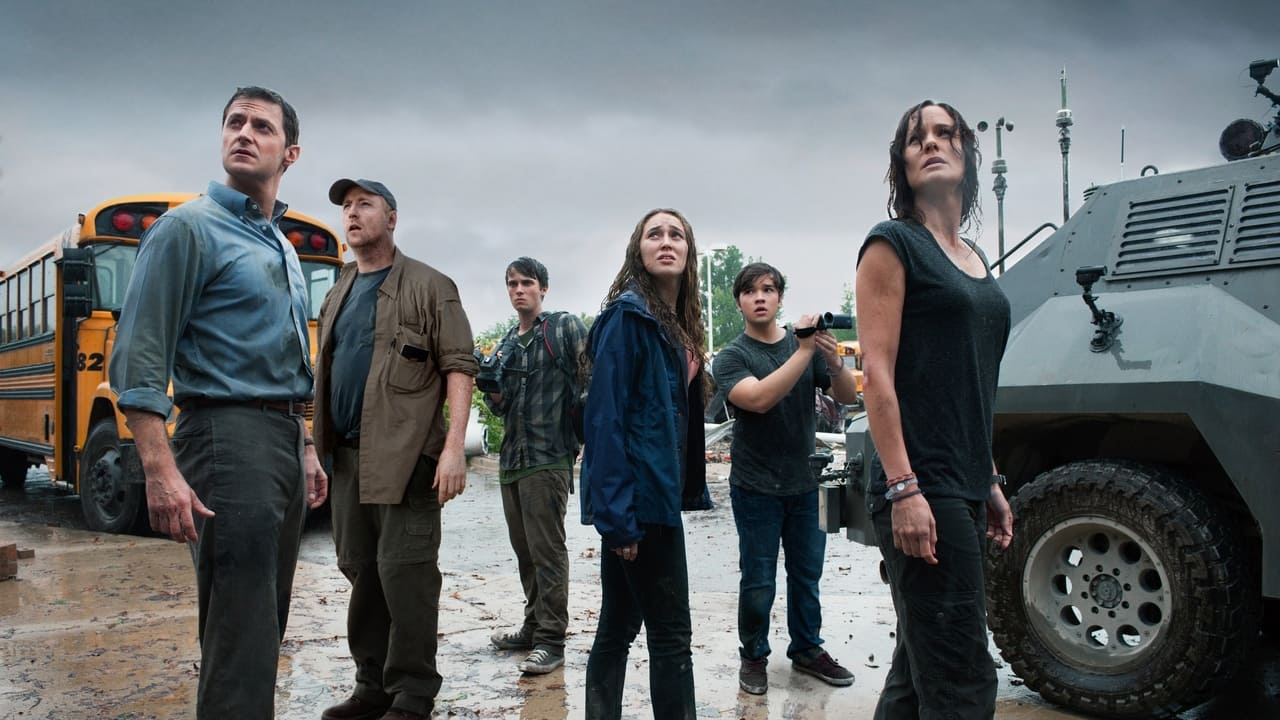
While the script by John Swetnam doesn't win any points for subverting tropes—we’ve got the distant father, the rebellious son, and the "one last job" veteran—the cast sells the peril with surprising conviction. Richard Armitage (fresh off his turn as Thorin in Peter Jackson’s The Hobbit trilogy) swaps the dwarven axe for a sensible cardigan as Gary, a vice principal trying to rescue his son. Armitage has a natural gravitas that makes even the most cliché "I’m coming for you!" shouts feel urgent.
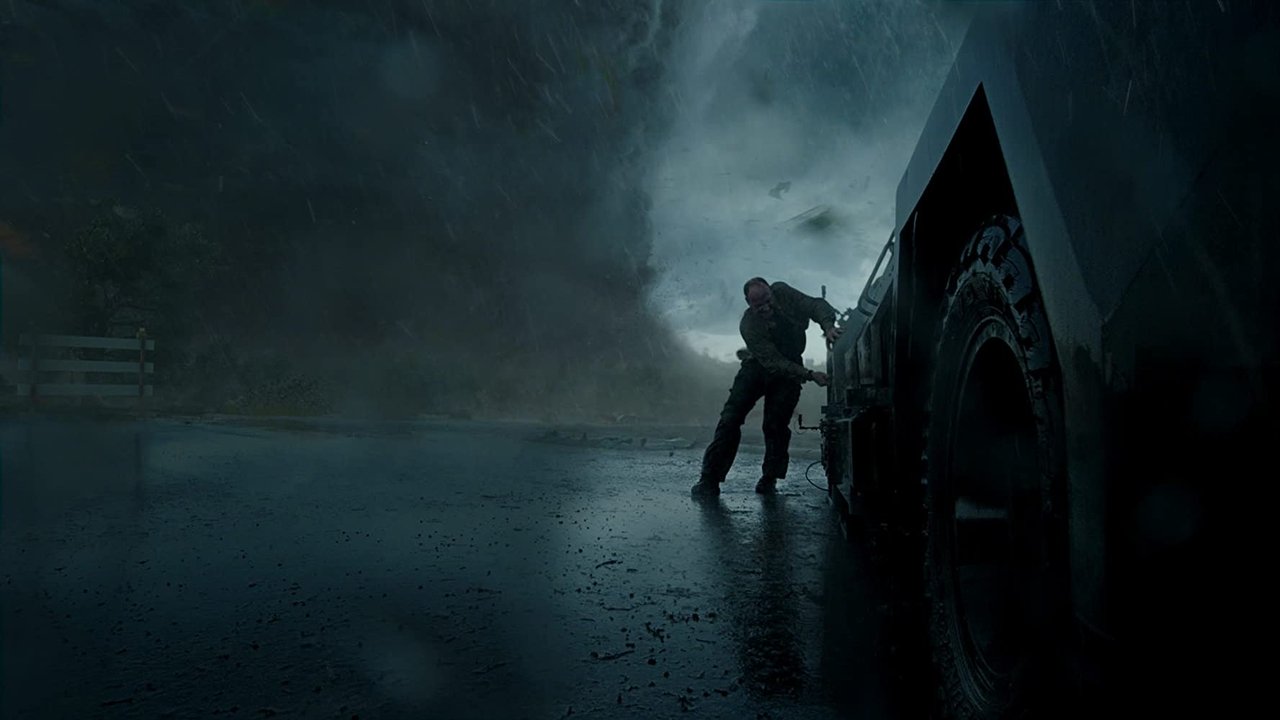
Opposite him, Sarah Wayne Callies (The Walking Dead) provides the emotional anchor as the meteorologist who realizes, too late, that the models are all wrong. There’s a scene where she’s nearly pulled out of a hatch in the "Titus" (the storm chasers' armored tank) that made me grip my couch cushions. The film excels at making the air itself feel like a physical enemy. You don't just see the wind; you see the pressure change, the vacuum effect, and the terrifying way a suburban street can be erased in seconds.
The $160 Million Sleeper Hit
Looking back, Into the Storm was a massive commercial success that people rarely talk about anymore. It pulled in over $160 million worldwide, nearly tripling its budget. It hit that sweet spot of international appeal where the "language" of a giant funnel cloud destroying a car dealership needs no translation.
The production scale was secretly massive. To create the look of a town being shredded, the crew used giant 100mph wind machines and "rain birds" that could dump thousands of gallons of water on the actors. They filmed in Michigan to take advantage of the state's tax credits—an era of Hollywood finance that has largely shifted elsewhere now. Turns out, the flat landscapes of the Midwest were the perfect canvas for Quale to paint his digital apocalypse.
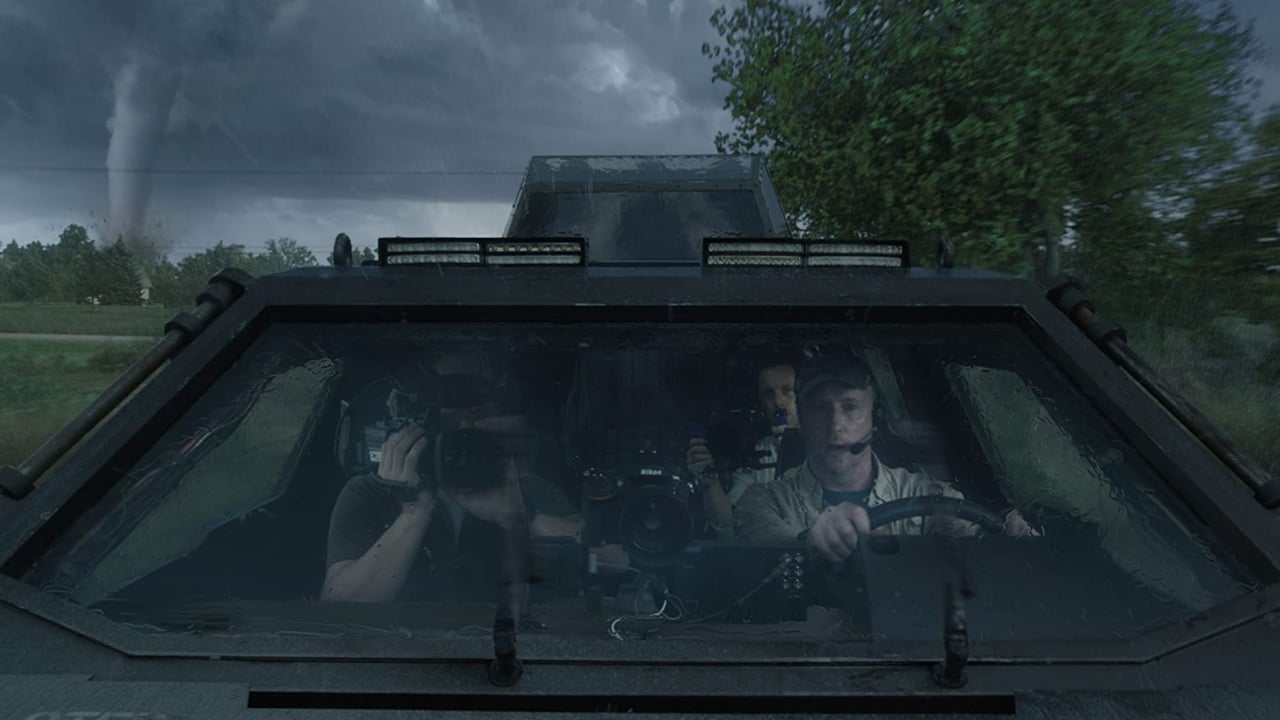
One of the coolest details is the "Titus" vehicle itself. It wasn't just a CGI asset; the production built a real, functional, 8-ton armored beast based on the actual "Dominator" vehicles used by real-life storm chasers like Sean Casey. That physical presence on set is why the shots of the vehicle being buffeted by the storm still hold up today. It feels heavy because it is heavy.
Into the Storm is exactly what it promises to be: a relentless, loud, and visually impressive disaster movie that doesn't overstay its welcome. At 89 minutes, it’s a masterclass in pacing, stripping away the bloat that usually plagues the genre. It captures that 2014 moment where digital effects were finally meeting the raw, handheld aesthetic of the YouTube era. If you’re looking for deep character arcs, you’re in the wrong zip code, but if you want to see an airport full of 747s get tossed around like paper planes, this is your ticket. It's a reminder that sometimes, the best seat in the house is the one furthest away from the window.
Keep Exploring...
-
Fast & Furious
2009
-

Knowing
2009
-

RED
2010
-
The Expendables
2010
-
Jack Reacher
2012
-
The Expendables 2
2012
-
Fast & Furious 6
2013
-
Need for Speed
2014
-
Non-Stop
2014
-
Predators
2010
-
Final Destination 5
2011
-

In Time
2011
-
Unknown
2011
-
Taken 3
2014
-
Die Hard 2
1990
-
Cliffhanger
1993
-
Clear and Present Danger
1994
-

Outbreak
1995
-

Broken Arrow
1996
-
Mission: Impossible
1996