Into the Woods
"Where the 'Happily Ever After' starts to unravel."

By 2014, Disney was essentially the King Midas of the multiplex, turning every dusty IP into a billion-dollar bar of gold. But Into the Woods was a different kind of gamble. It wasn’t a straightforward princess flick or a Marvel explosion; it was a high-gloss adaptation of Stephen Sondheim’s legendary, deconstructionist Broadway musical. It was a film released right at the tail end of that era where studios were still trying to figure out if audiences wanted their fairy tales served with a side of grim reality or a dollop of CGI sugar.
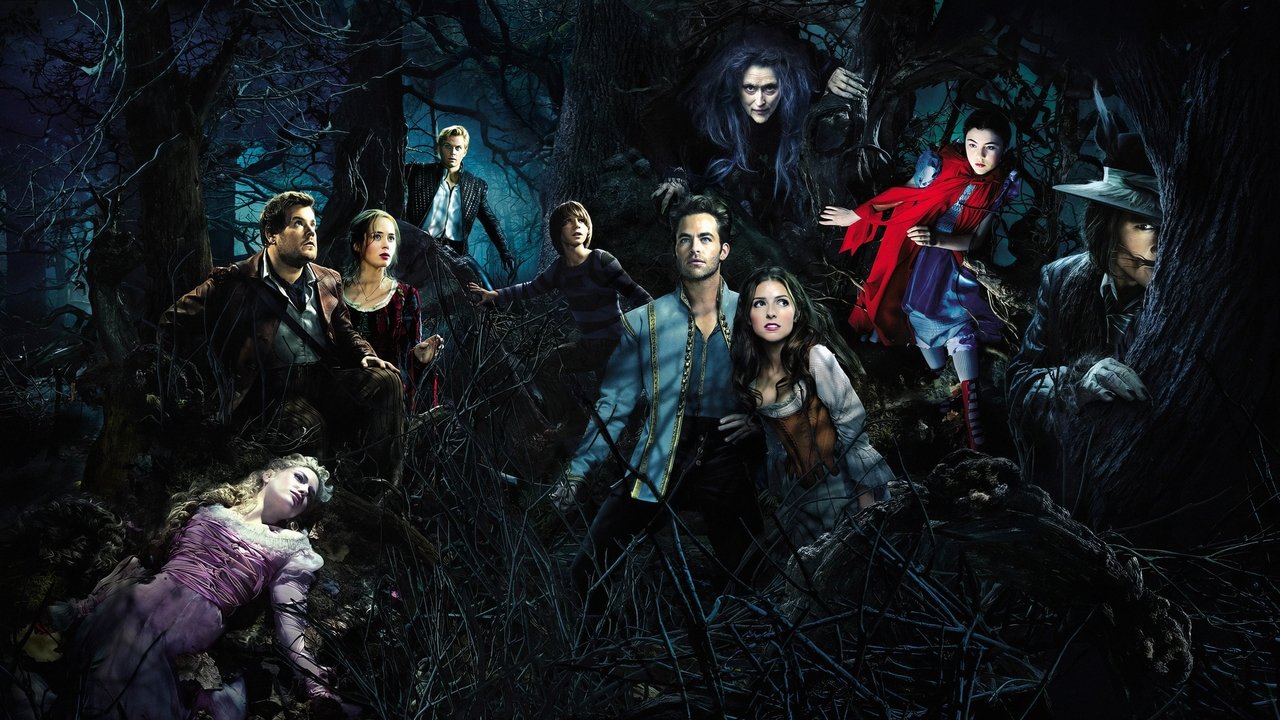
I watched this for the first time in a theater where the air conditioning was blasting so hard I genuinely felt like I was shivering in a haunted forest, which, in retrospect, was probably the best 4D experience I’ve ever had for free.
The Sondheim Maze
Directing a Sondheim adaptation is like trying to solve a Rubik’s Cube while riding a unicycle. The music is famously difficult—all jagged intervals, internal rhymes, and overlapping patter. Director Rob Marshall, who already had an Oscar on his shelf for Chicago, was the logical choice to bridge the gap between Broadway’s complexity and Hollywood’s need for "the big spectacle."
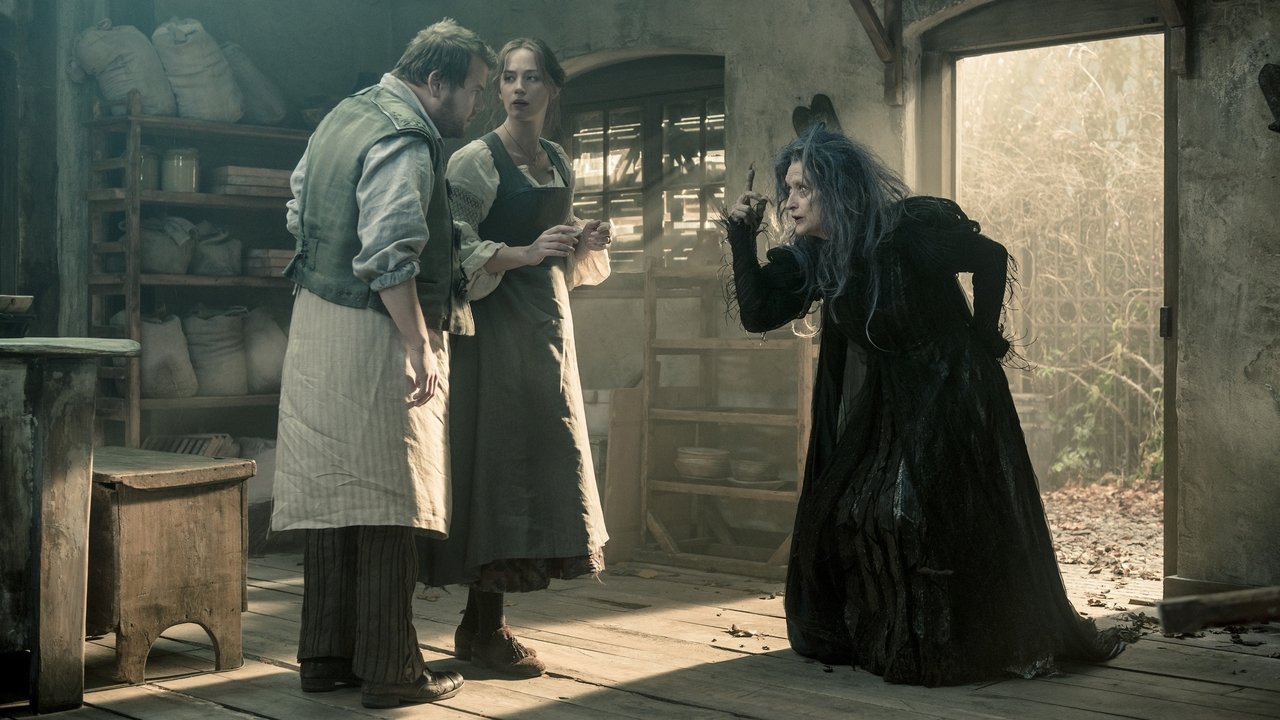
What I appreciate most about this version is that it doesn’t try to hide its stage roots too much. Yes, the woods are expansive and the cinematography by Dion Beebe is all mossy greens and moonlight blues, but the heart of the movie remains the words. The plot weaves together Cinderella (Anna Kendrick), Little Red Riding Hood (Lilla Crawford), Jack and the Beanstalk (Daniel Huttlestone), and Rapunzel (Mackenzie Mauzy), all connected by a Baker (James Corden) and his Wife (Emily Blunt) who are trying to break a fertility curse.
The comedy here is dry, which I love. It’s not "slapstick" funny so much as it is "life is a cosmic joke" funny. The standout comedic moment—and I will fight anyone on this—is "Agony," the duet between the two Princes (Chris Pine and Billy Magnussen). Watching two grown men in leather pants rip open their shirts while standing in a waterfall, competing over who is more miserable in love, is the kind of delightful camp that makes the whole ticket price worth it.
A Masterclass and a Misfire
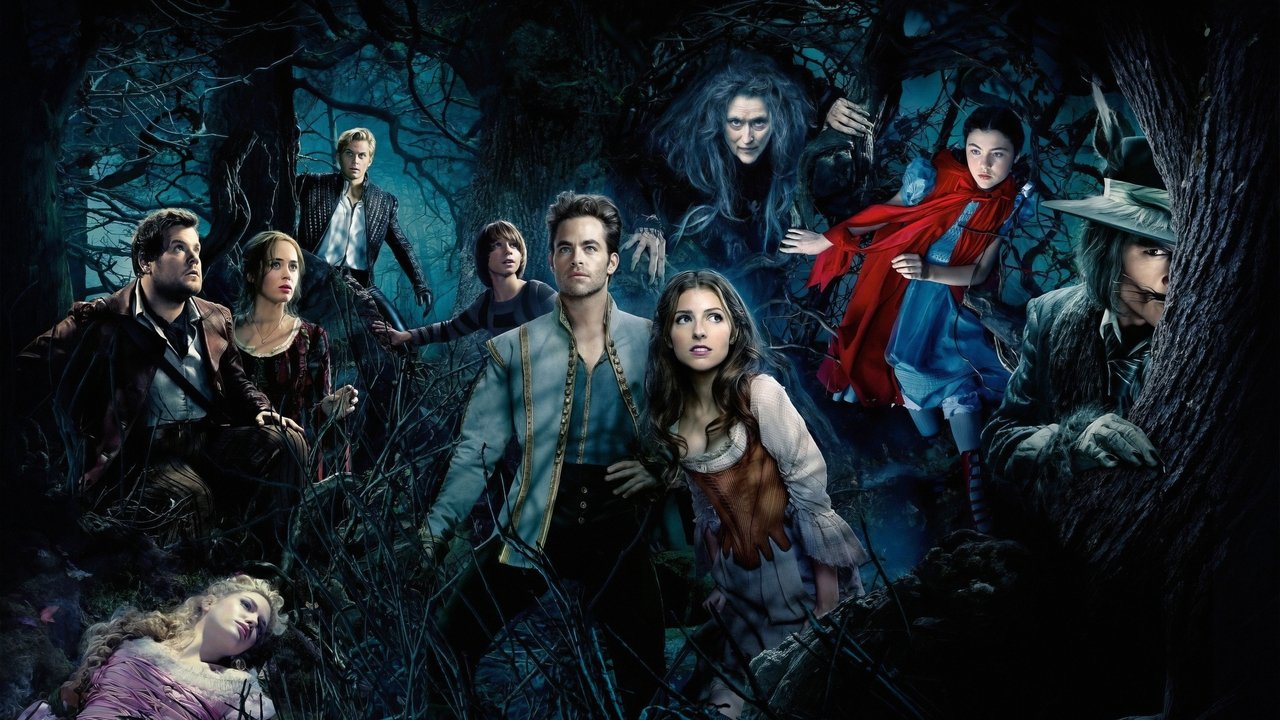
Let’s talk about the performances, because this cast is basically an embarrassment of riches. Meryl Streep as the Witch is, unsurprisingly, doing "The Most," but in a way that works. She finds the pathos in a character that could have easily been a cartoon. Then there’s Emily Blunt, who is the secret weapon of the entire film. Her comedic timing is surgically precise, and she brings a grounded, modern-woman energy to a world of magic beans.
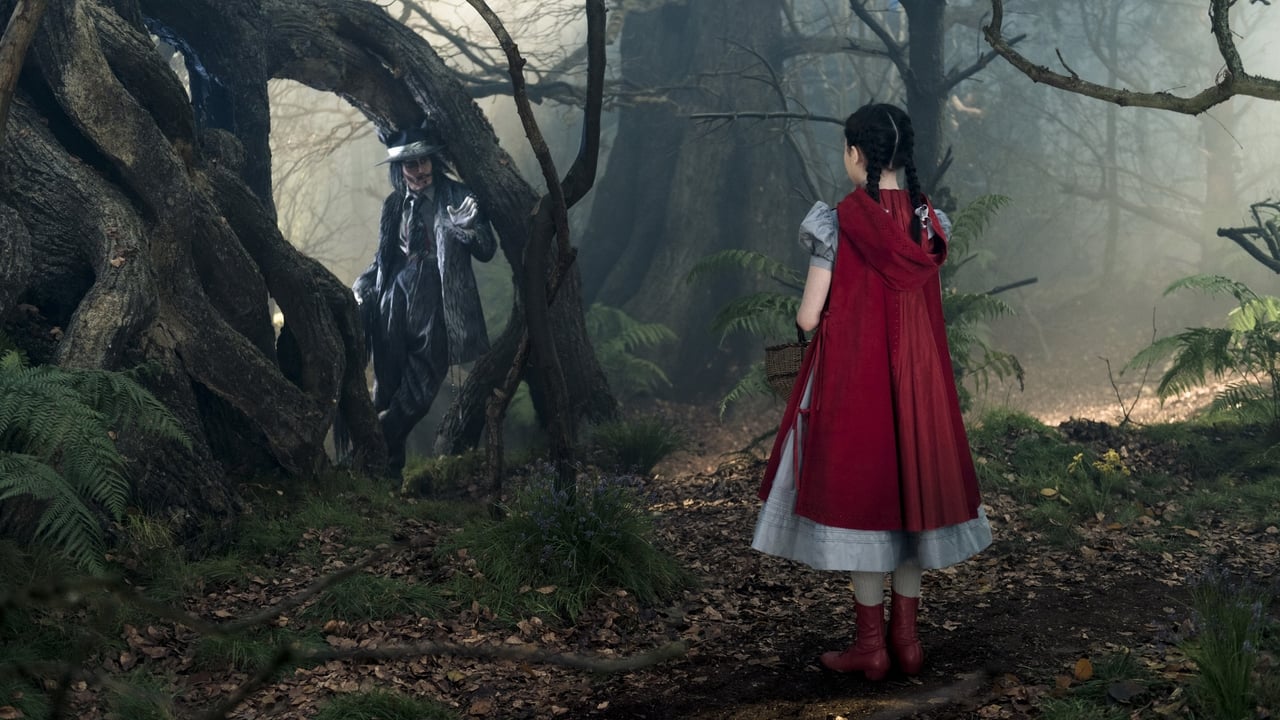
However, we have to address the Wolf in the room. Johnny Depp’s Wolf looks like he was rejected from a 1940s zoot suit convention and decided to take it out on a child. It’s a bizarre, slightly uncomfortable performance that feels like it belonged in a different, much weirder movie. Thankfully, his screen time is brief, but it’s a glaring reminder of that 2010s era where we just let Depp put on a funny hat and do whatever he wanted.
On the technical side, the film captures that transition period where CGI was becoming the primary tool for world-building. While the Giant’s effects are impressive, there’s a certain "digital sheen" to the woods that occasionally makes the environment feel less like a forest and more like a very expensive screensaver. Yet, compared to the flat, green-screen voids of some modern blockbusters, there’s still enough physical texture here to keep you anchored.
The Midnight Pivot
The reason Into the Woods remains a fascinating watch is its structure. For the first hour, it’s a standard fairy tale adventure. Everyone gets what they want. The "Happily Ever After" happens at the 60-minute mark. And then, the sky falls.
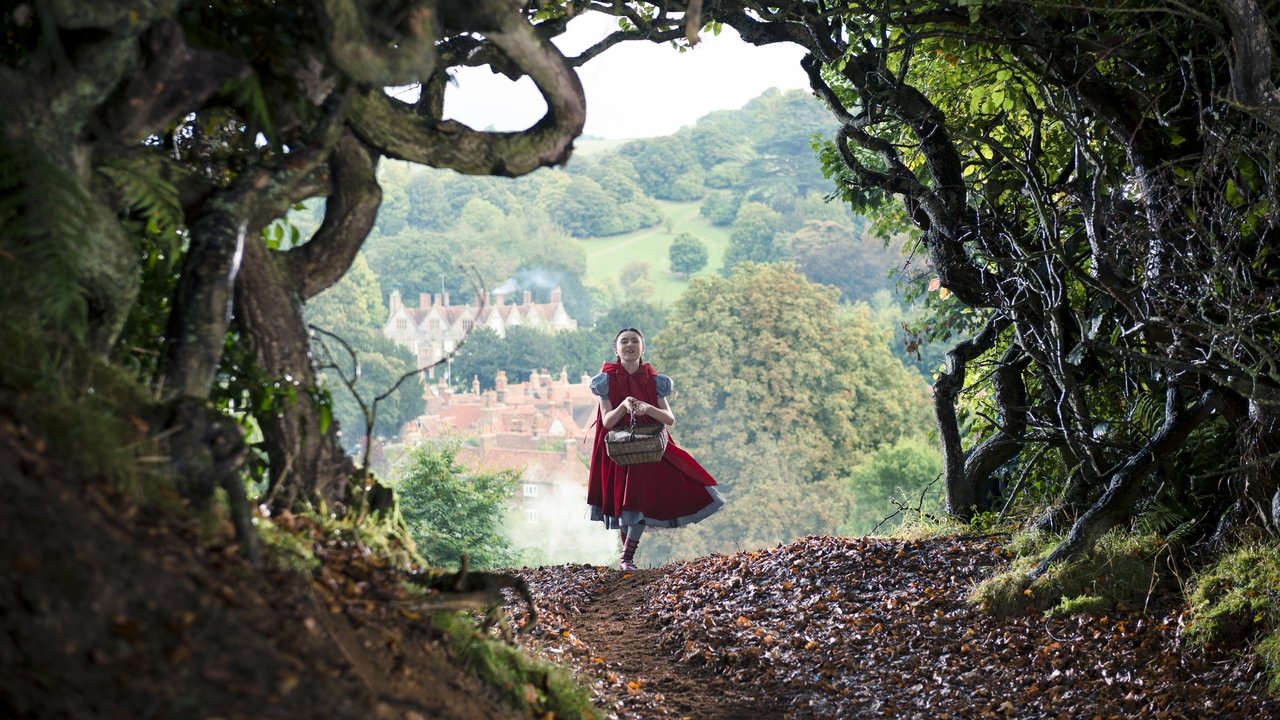
The second half of the film is a deconstruction of what happens after the wish comes true. It’s about consequences, infidelity, and the death of parents. It’s surprisingly dark for a Disney movie, echoing the anxieties of a post-9/11 world where the "big bad" isn't a single witch, but a chaotic, crumbling world that requires collective action to survive.
I’ve heard people complain that the second half is a "downer," but that’s the entire point. The film transitions from a light comedy into a poignant meditation on the stories we tell our children. "Children Will Listen" isn’t just a pretty song; it’s a warning. It’s a bit of a tonal whiplash, but I’d rather have a movie that takes a big, messy swing than one that plays it safe.
Ultimately, this is a polished, star-studded gateway drug for people who think they hate musicals. It’s funny, it’s gorgeous, and it has just enough bite to keep it from being cloying. While it softens some of the stage play's sharpest edges to keep that PG rating, it preserves the soul of the material. It's a reminder that even in the middle of a massive studio machine, you can still find a story that isn't afraid to get lost in the dark.
Keep Exploring...
-
Mary Poppins Returns
2018
-

Puss in Boots
2011
-
The Smurfs
2011
-
The Smurfs 2
2013
-
Casper
1995
-

Bruce Almighty
2003
-

Night at the Museum
2006
-
Shrek the Third
2007
-
Horton Hears a Who!
2008
-

Trolls
2016
-
The Santa Clause
1994
-

Babe
1995
-
Freaky Friday
2003
-
Nanny McPhee
2005
-
Night at the Museum: Battle of the Smithsonian
2009
-
Mirror Mirror
2012
-
R.I.P.D.
2013
-
Night at the Museum: Secret of the Tomb
2014
-
The Boxtrolls
2014
-

The Ant Bully
2006