Joe
"Blood and bark in the Texas dirt."

I watched Joe on a sweltering Tuesday afternoon while leaning against a vibrating window AC unit that was doing its best—and failing—to fight off a heatwave. Honestly, the sweat and the low-humming mechanical struggle felt like the perfect 4D experience for this movie. It’s a film that lives in the damp, heavy heat of the American South, where the air feels like a wet blanket and the people are just as heavy with their own histories.
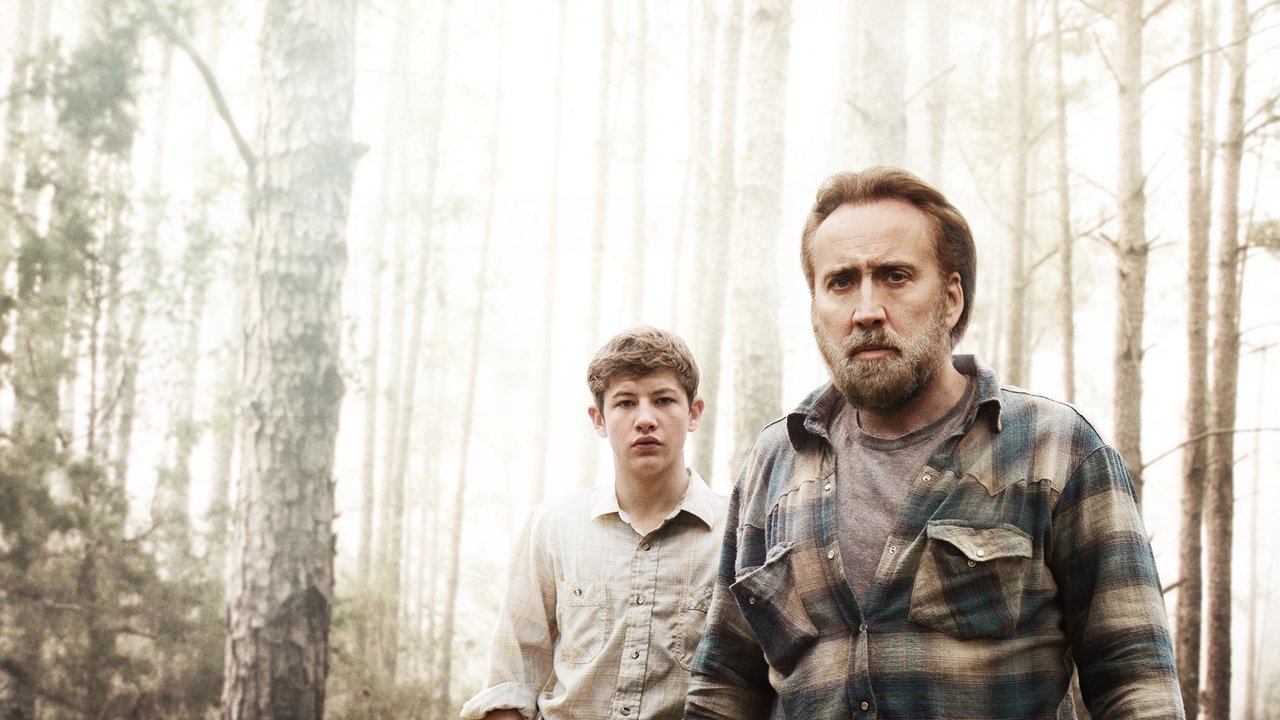
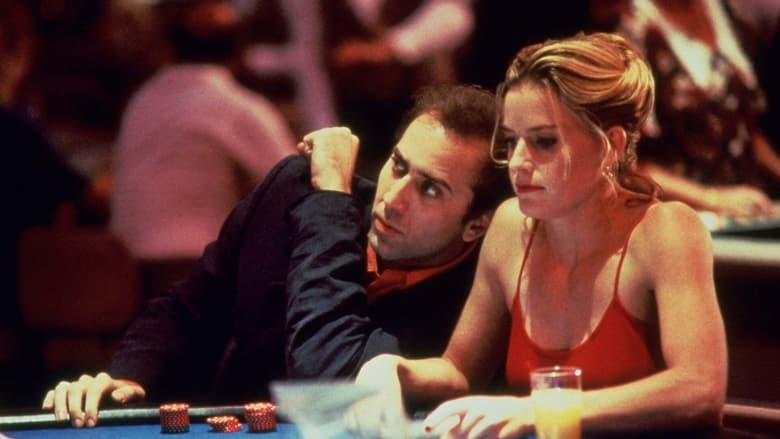
For years, the narrative around Nicolas Cage has been a bit of a caricature. By 2014, the "Mega-Acting" memes were in full swing, and audiences mostly expected him to show up in direct-to-video actioners or films where he’d eventually scream about bees. But then Joe happened, and it reminded me that when Cage decides to turn the volume down, he is one of the most commanding screen presences of his generation. This isn't the "Face/Off" Cage; this is the actor who won an Oscar for Leaving Las Vegas, showing us a man who is a pressurized steamer trunk of repressed violence.
A Quieter Kind of Rage
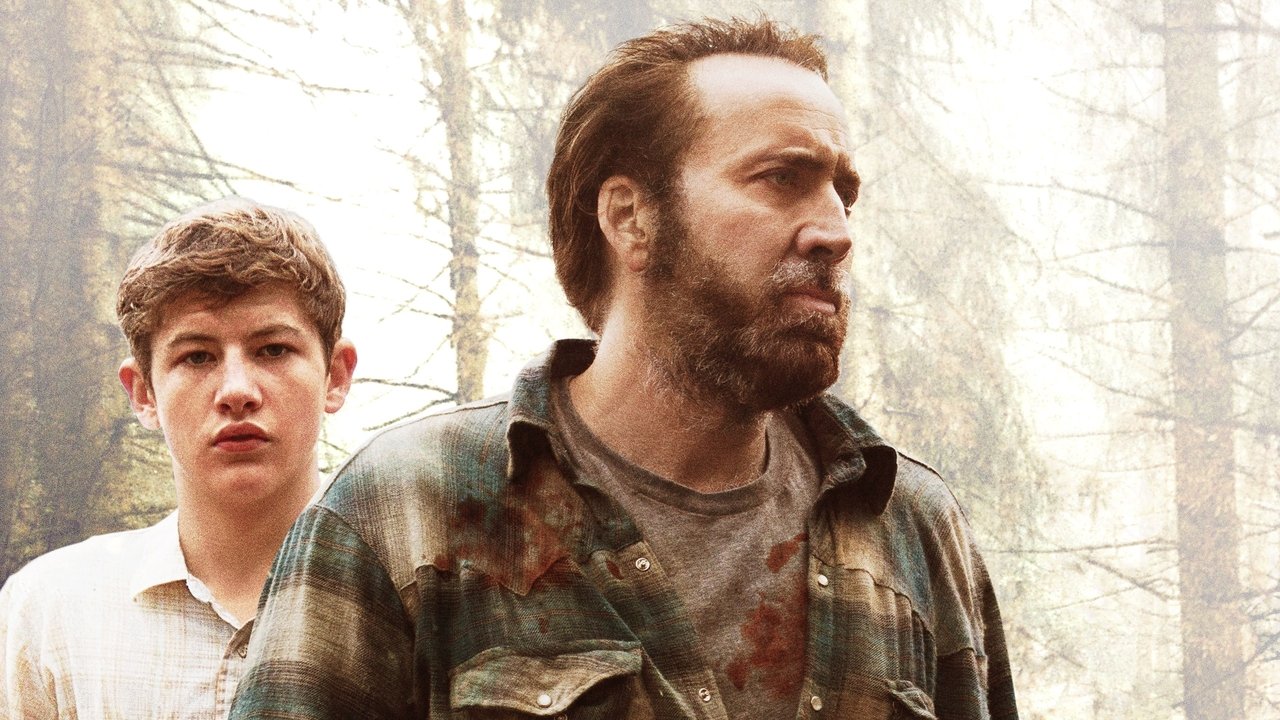
The story, adapted by Gary Hawkins from the Larry Brown novel, is deceptively simple. Nicolas Cage plays Joe Ransom, a foreman of a "girdling" crew. Their job is to poison trees so they die and can be legally cleared for "better" timber. It’s a job that feels like a metaphor for the entire film: poisoning the old to make room for something new. Joe is a guy who keeps his head down, drinks too much, and tries to stay on the right side of the law, despite a hair-trigger temper that clearly landed him in prison once before.
Enter Gary, played by a young Tye Sheridan (who you might recognize from The Tree of Life or later Ready Player One). Gary is a fifteen-year-old kid looking for work to support his family, which is being systematically destroyed by his father, Wade. The relationship that develops between Joe and Gary is the heart of the film, but David Gordon Green avoids the "mentor-student" clichés we see in typical Hollywood dramas. There’s no training montage here; there's just a man who sees a kid being treated like trash and decides, almost against his better judgment, to stand in the way. Most people think Cage is only good when he’s screaming at the top of his lungs, but "Joe" proves he’s most dangerous when he’s whispering.
The Ghost of Austin
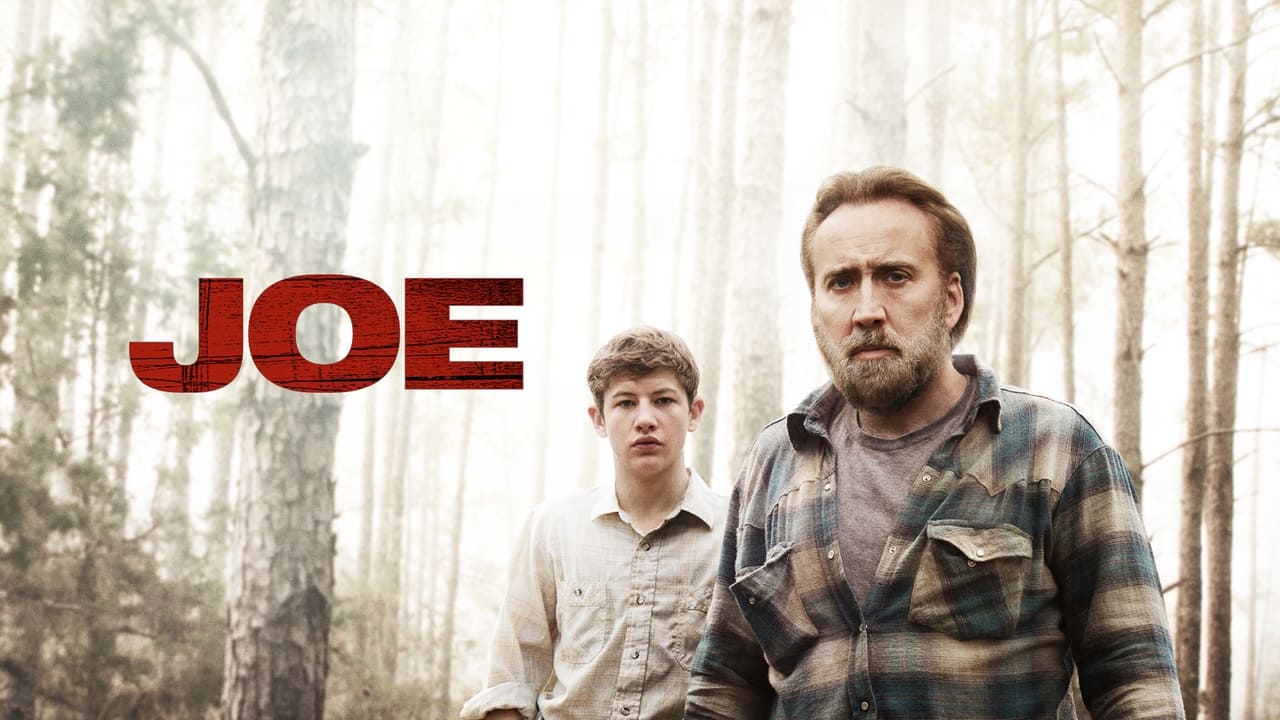
We have to talk about Gary Poulter, who plays Wade, Gary’s father. This is one of the most haunting pieces of casting in modern cinema history. Poulter wasn't a professional actor; he was a homeless man the production found on the streets of Austin. He passed away shortly after the film was completed, never seeing the finished product.
His performance is terrifying because it doesn't feel like a performance. As Wade, he is a predatory, pathetic, and utterly irredeemable shell of a human being. There’s a scene where he dances for a bottle of wine that is genuinely difficult to watch. The authenticity he brings—the weathered skin, the missing teeth, the hollow eyes—gives the film a layer of realism that a pampered character actor simply couldn't have faked. David Gordon Green has always had a knack for blending professional actors with "real people," a technique he honed in his early indie days like George Washington, and here it’s used to devastating effect.
The Beauty of Decay
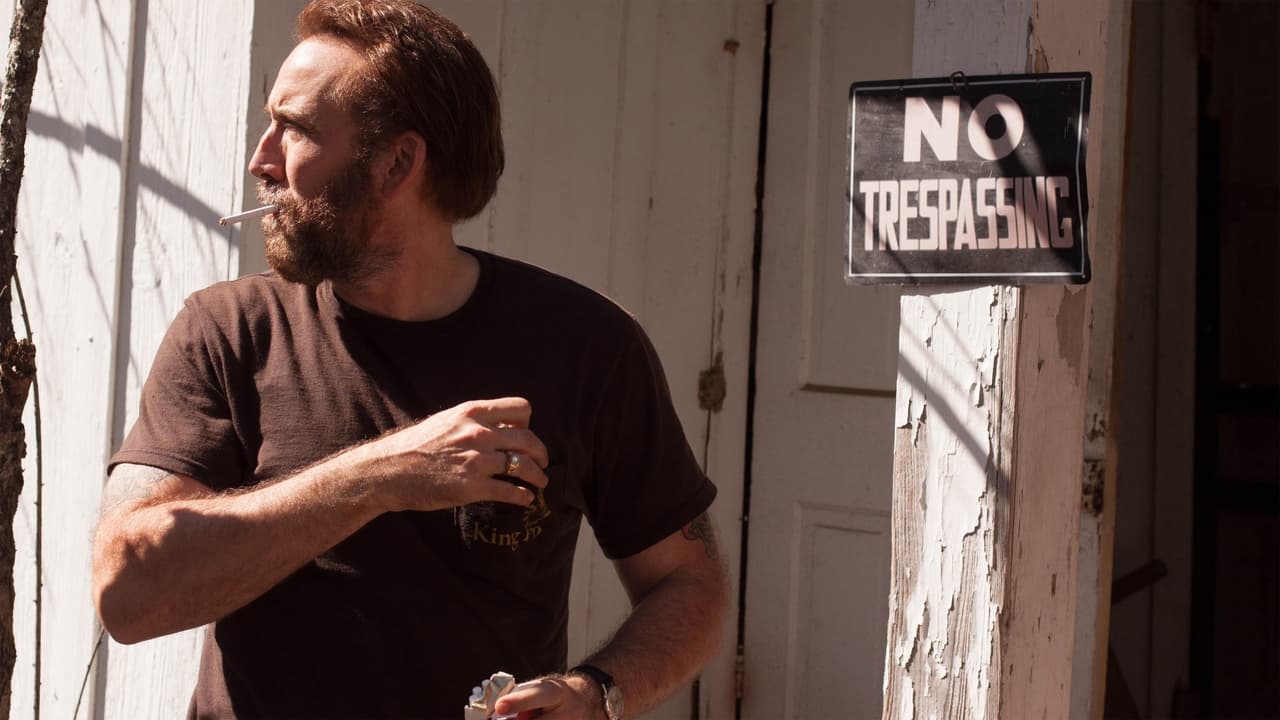
By 2014, the "Indie Film" had become its own sort of brand, often feeling a bit too polished or "Sundance-ready." Joe feels like a throwback to a grittier era of filmmaking. It was shot on a modest $4 million budget, and you can see that resourcefulness in every frame. Tim Orr, the cinematographer who has worked with Green on almost everything (including the Halloween reboots), captures the Texas woods with a sickly, beautiful palette of greens and greys. It’s a world of rusted trucks, overgrown brush, and flickering neon.
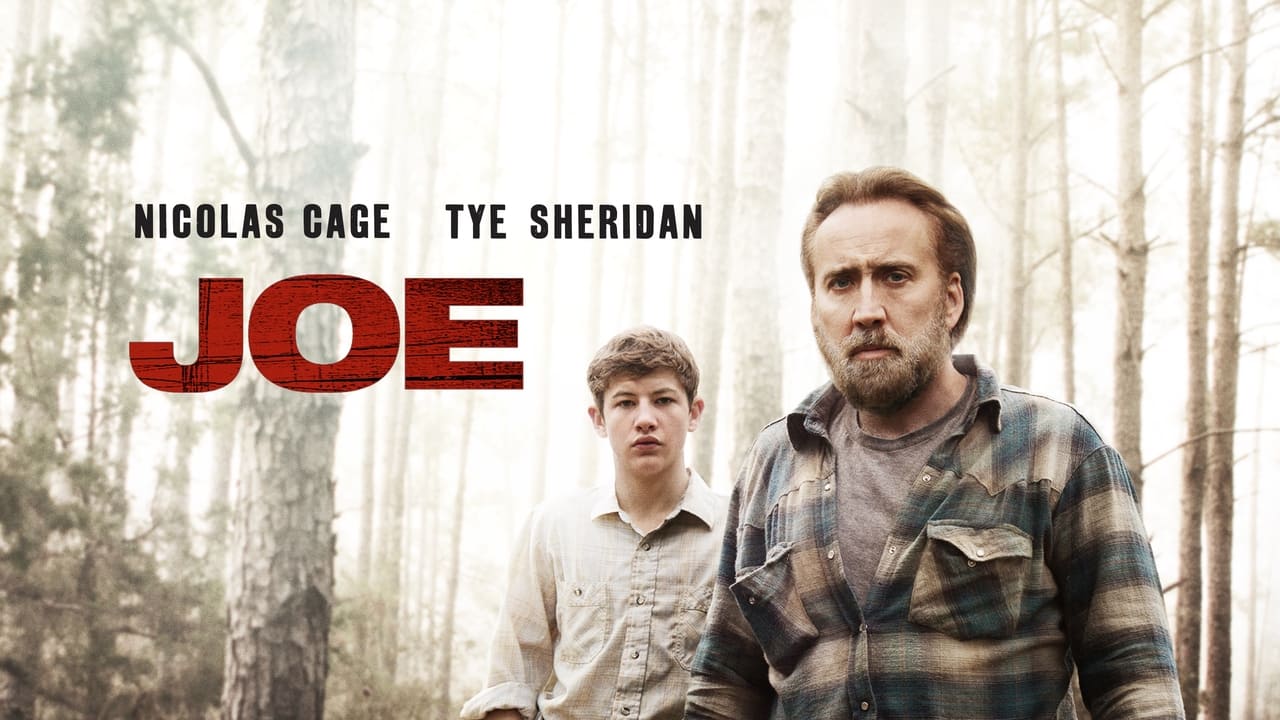
The film represents a specific moment in the digital-to-film transition. It was shot on the Arri Alexa, but it has a texture and a weight that feels like 35mm. It doesn't have the sterile, hyper-clean look of many mid-2010s digital shoots. Instead, it feels lived-in. It’s the kind of movie that makes you want to take a shower and a shot of whiskey immediately after the credits roll.
While the plot eventually moves toward a violent confrontation that feels a bit more "movie-ish" than the quiet character study of the first hour, the emotional stakes remain grounded. You care about Joe because he’s a man trying to be "good" when his biology and his environment are screaming at him to be "bad." You care about Gary because he’s a kid who hasn't been broken yet, even though the world is swinging a hammer at his head.
Joe is a reminder of what independent cinema is supposed to do: take us into a corner of the world we’d normally drive right past and introduce us to people we’d usually ignore. It’s a brutal, Southern Gothic tragedy that anchors itself on a career-best performance from Cage. If you've written him off as a meme, this is the film that will make you apologize to your television. It’s raw, it’s ugly, and it’s profoundly human.
Keep Exploring...
-
Leaving Las Vegas
1995
-

Blood and Bone
2009
-

Fanboys
2009
-
Blue Valentine
2010
-
Monsters
2010
-

Super
2010
-
The Kids Are All Right
2010
-
Winter's Bone
2010
-
Beginners
2011
-
Margin Call
2011
-

Beasts of the Southern Wild
2012
-
Robot & Frank
2012
-
The First Time
2012
-
Before Midnight
2013
-

Don Jon
2013
-

The Kings of Summer
2013
-
The Spectacular Now
2013
-
The Way Way Back
2013
-

Boyhood
2014
-
Camp X-Ray
2014