John Wick
"A grieving man, a murdered puppy, and a world drenched in neon blood."
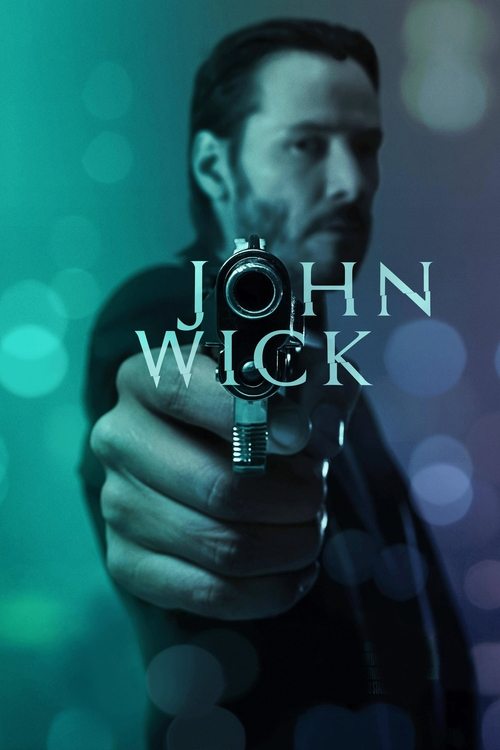
I remember watching John Wick for the first time on a Sunday afternoon while trying to ignore the smell of a burnt microwave burrito my roommate had abandoned. That lingering, slightly acrid scent actually suited the film’s opening—a bleak, rain-soaked grayness that felt a world away from the high-octane "Gun-fu" that would eventually define the decade. We didn’t know it then, but we were witnessing the birth of the last great action mythology of the digital era.

Back in 2014, Keanu Reeves was in a strange spot. He was the guy from The Matrix, sure, but he was also coming off the lukewarm reception of 47 Ronin. People were ready to write him off. Then came Chad Stahelski—who, in a poetic bit of cinema history, was actually Reeves’ stunt double for Neo—and suddenly, the action genre had a new pulse. This wasn't the hyper-edited, "shaky-cam" chaos that Paul Greengrass had popularized with the Bourne films. This was something cleaner, meaner, and far more deliberate.
The Death of the Shaky-Cam
For years, Hollywood used rapid-fire editing to hide the fact that actors couldn't actually fight. John Wick took the opposite approach. Stahelski and his team at 87Eleven stayed wide, letting the camera linger on the brutality. I love that you can actually see Reeves performing the transitions from a judo throw into a point-blank headshot. It feels clinical. It feels like watching a professional at work rather than a movie star playing dress-up. Most modern action scenes feel like being stuck inside a dryer full of silverware, but here, every movement has a distinct rhythm.
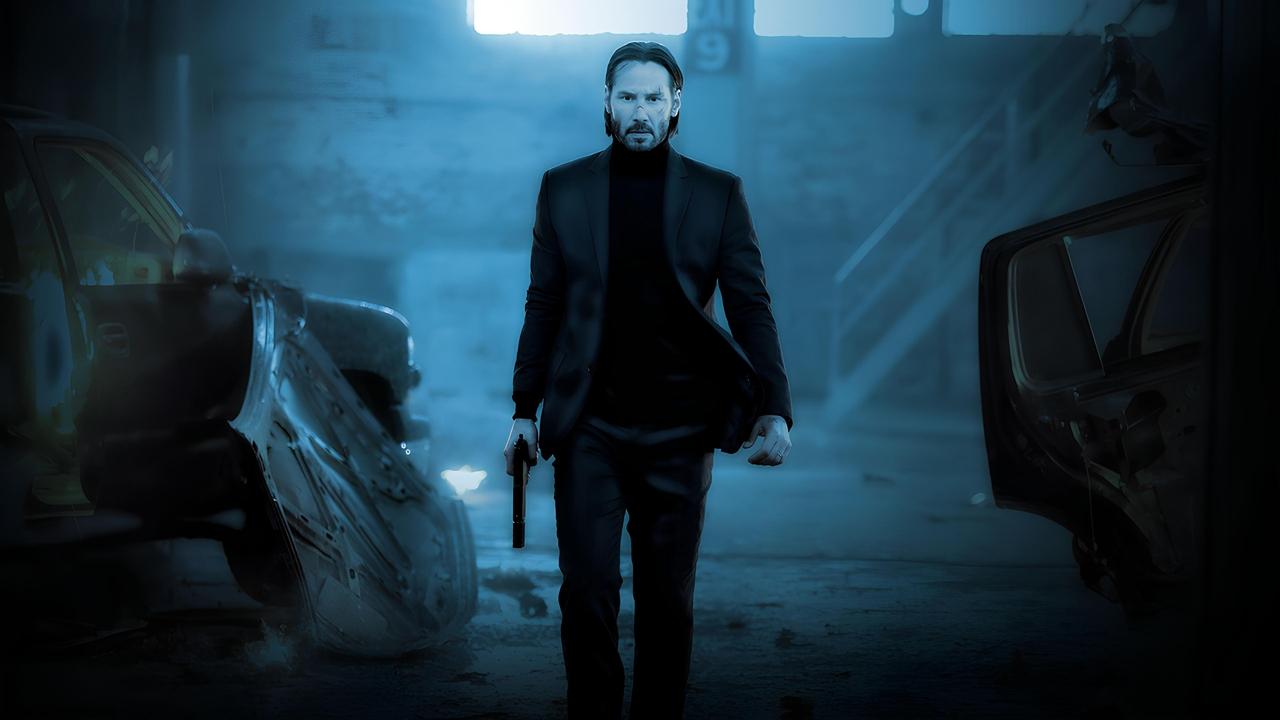
The film arrived right as the industry was fully embracing digital cinematography, and Jonathan Sela’s work here is a masterclass in using that tech to create mood. The transition from the muted, grieving tones of the first act to the saturated blues and neon purples of the "Red Circle" club sequence marks the moment John leaves his human life behind and descends back into the underworld. It’s a descent into Hell, only the Devil is wearing a three-piece suit and carrying a H&K P30L.
The Myth of the Baba Yaga
What makes this film work better than its dozens of imitators is the restraint. We don’t get a thirty-minute prologue explaining John’s past. Instead, we get Michael Nyqvist—who is absolutely chilling as Viggo Tarasov—whispering a ghost story to his idiot son, Iosef, played with perfect punchability by Alfie Allen. When Viggo explains that John wasn’t the Boogeyman, but the guy you sent to kill the Boogeyman, the movie does more world-building in two minutes than most franchises do in two hours.
The supporting cast fills in the cracks of this secret society with minimal fuss. Willem Dafoe brings a weary grace to Marcus, a fellow sniper who represents the only shred of honor left in John's world. Then there's the Continental Hotel, a stroke of genius that turned a standard revenge flick into an urban fantasy. It’s a world with its own currency, its own laws, and its own consequences. Apparently, the production was so tight on cash that Eva Longoria (yes, that Eva Longoria) stepped in as a producer at the last minute to provide the gap financing needed to keep the lights on. It’s wild to think the entire "Wick-verse" almost died in a spreadsheet.
Precision Stuntwork and Practical Pain
There’s a weight to the violence here that still hits hard. When John gets hit by a car or thrown through a balcony, you feel the impact. Reeves reportedly performed about 90% of his own stunts, and you can see the toll it takes on his posture as the movie progresses. During the filming of the epic Red Circle shootout, Reeves was actually battling a 104-degree fever. Watching it back now, that glassy-eyed, relentless intensity wasn't just acting—it was a man literally sweating through a flu while flipping stuntmen.

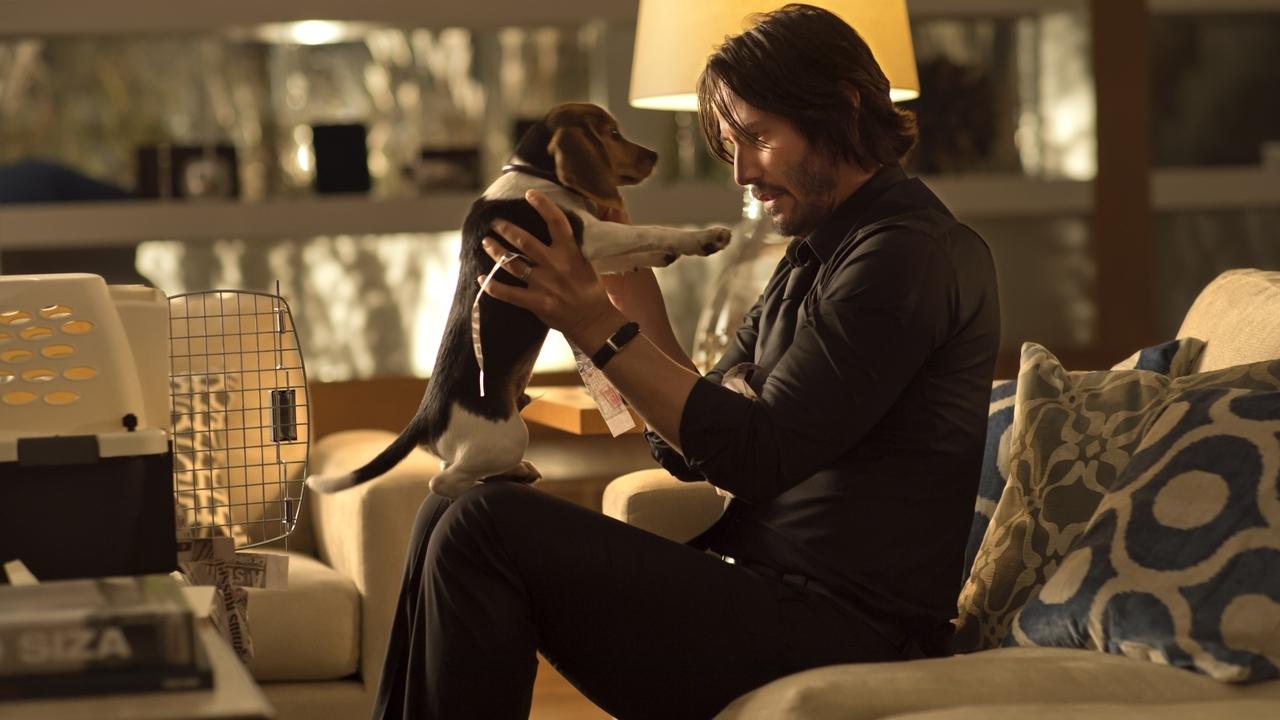
The "stuff you didn't notice" moments are what make repeat viewings so fun. For instance, the puppy, Daisy, was a beagle named Andy who was paid in bacon bits. The production actually had to use CGI for the dog's "accident" on the lawn because they couldn't get a real dog to poop on command for the shot. It’s a weirdly digital solution for a movie that feels so grounded in physical stunts. And if you look closely at the scene where John prepares his "dinner reservations," Reeves is handling his weapons with the muscle memory of a competitive 3-gun shooter, a result of months of intensive tactical training that became his trademark.
The Legacy of a Pencil
Looking back from the vantage point of a post-MCU world, John Wick feels like a miracle of simplicity. It’s a movie about a man who just wanted to grieve in peace, pushed by a bunch of arrogant men who didn't respect the "retired" sign on the door. It’s dark, it’s often cruel, and it treats its violence with a somber gravity that sequels sometimes traded for spectacle. This original entry remains the purest distillation of the character: a man who is a "focus, commitment, and sheer will" personified.
John Wick didn't just give us a new action icon; it reminded us that stunts and choreography are a form of storytelling in their own right. It took a tragic premise—the loss of a final link to a late wife—and used it to fuel a relentless, stylish odyssey. While the sequels expanded the lore into a global opera, this first chapter remains a lean, mean, and utterly essential piece of modern action history. If you haven't revisited the Red Circle lately, it's time to go back.
Keep Exploring...
-
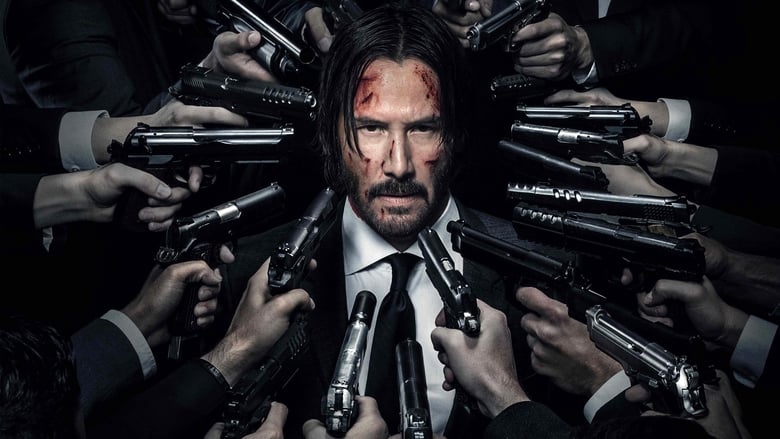
John Wick: Chapter 2
2017
-
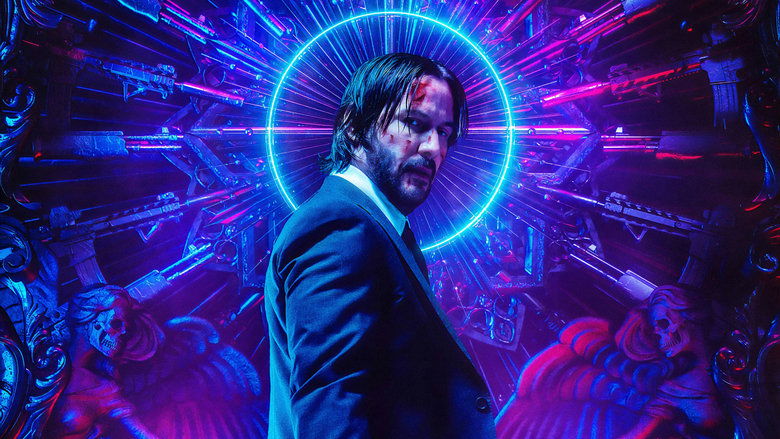
John Wick: Chapter 3 - Parabellum
2019
-
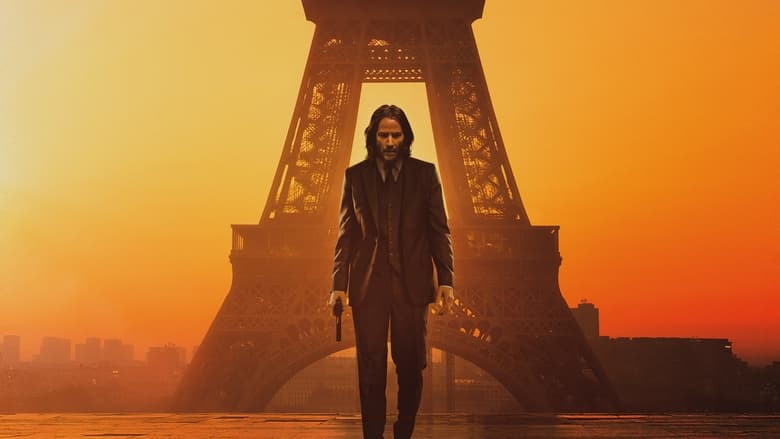
John Wick: Chapter 4
2023
-
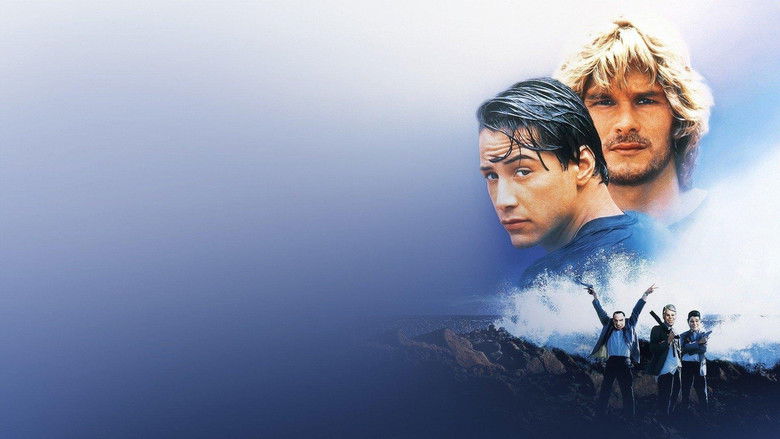
Point Break
1991
-
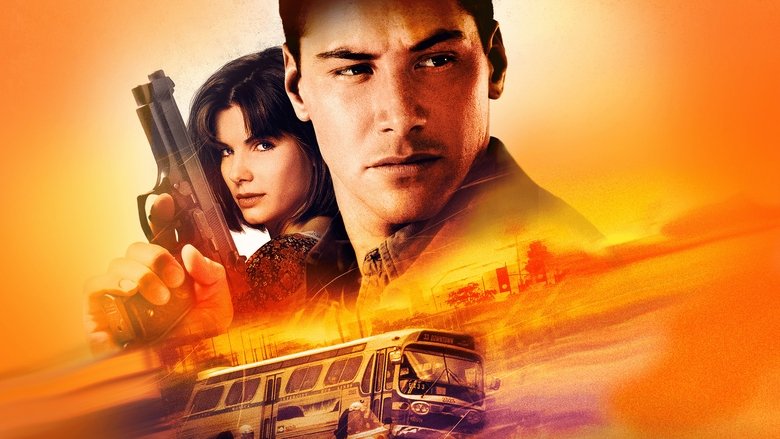
Speed
1994
-

The Crow
1994
-
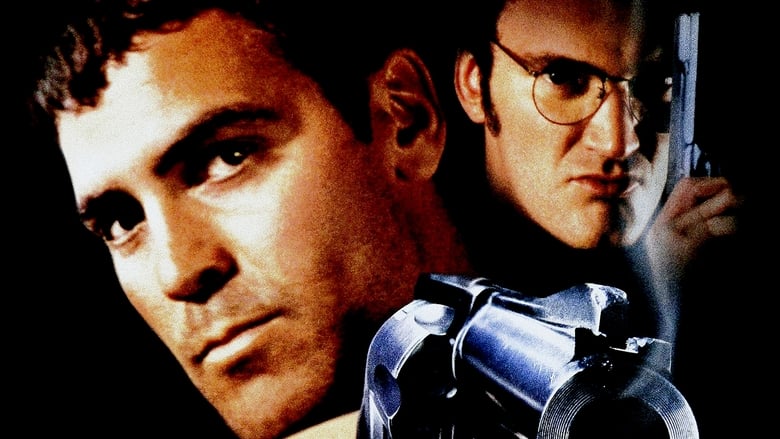
From Dusk Till Dawn
1996
-
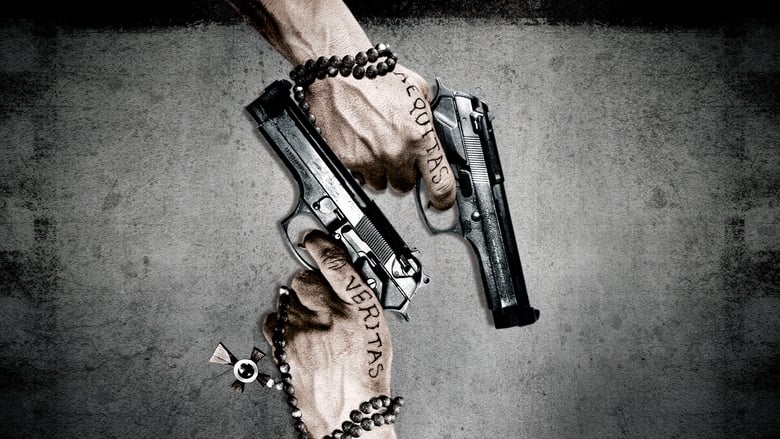
The Boondock Saints
1999
-
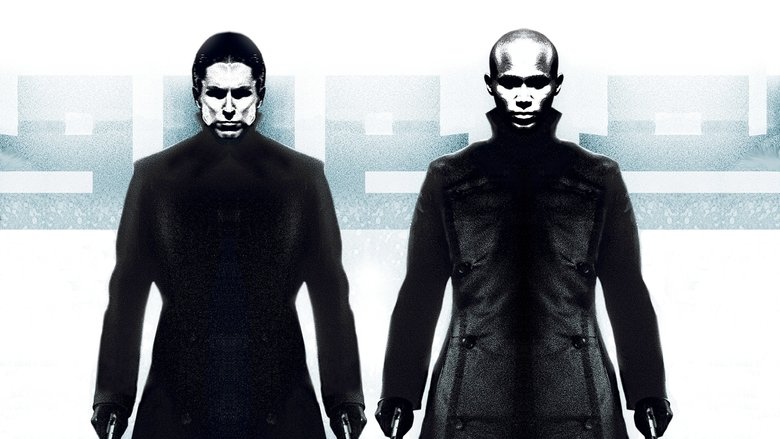
Equilibrium
2002
-
Serenity
2005
-

The Matrix Reloaded
2003
-
Mission: Impossible - Ghost Protocol
2011
-
Nikita
1990
-

Starship Troopers
1997
-

Enemy of the State
1998
-

The Negotiator
1998
-
Man on Fire
2004
-
Munich
2005
-
Blood Diamond
2006
-

V for Vendetta
2006