Kill the Messenger
"The truth won't set you free."
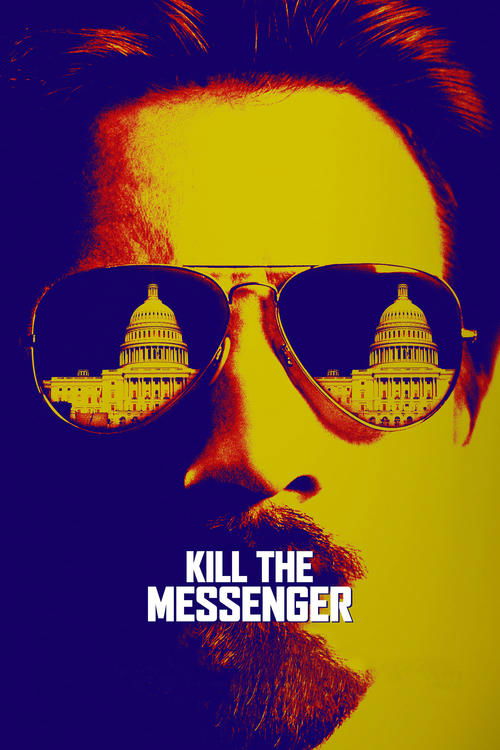
I remember exactly where I was when I first watched Kill the Messenger. I was sitting in a cramped studio apartment, nursing a mug of peppermint tea that had gone dangerously lukewarm, and wondering why on earth Jeremy Renner wasn't the biggest dramatic lead in the world. This was 2014—Renner was right in the thick of his Avengers (2012) fame as Hawkeye, and yet here he was, pouring every ounce of his "regular guy in over his head" energy into a $5 million indie that almost nobody saw.
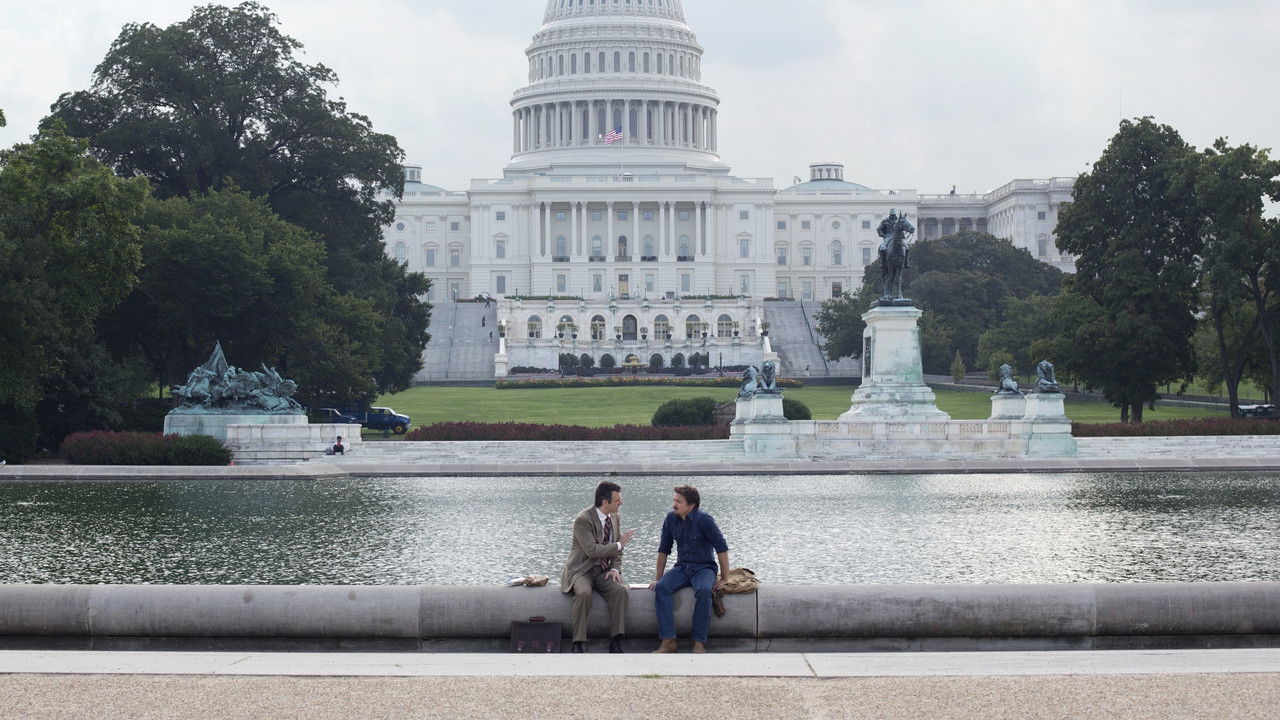
It’s a crying shame, honestly. We love a good journalism procedural, usually because they follow the All the President’s Men (1976) or Spotlight (2015) template: the brave reporter finds the truth, the truth gets printed, the bad guys fall, and the credits roll over a sense of civic victory. Kill the Messenger isn’t that movie. It’s the dark, messy, and deeply frustrating flip side of the coin. It’s about what happens when the truth is so big and so ugly that the people in power decide it’s easier to destroy the man who found it than to answer for the crime itself.
The Man Who Knew Too Much
The film follows the true story of Gary Webb, a reporter for the San Jose Mercury News who stumbled onto a story that should have been the scoop of the century. In the mid-90s, Webb uncovered evidence that the CIA had a hand in the California crack cocaine epidemic by ignoring (or actively facilitating) drug smuggling to fund the Contra rebels in Nicaragua.
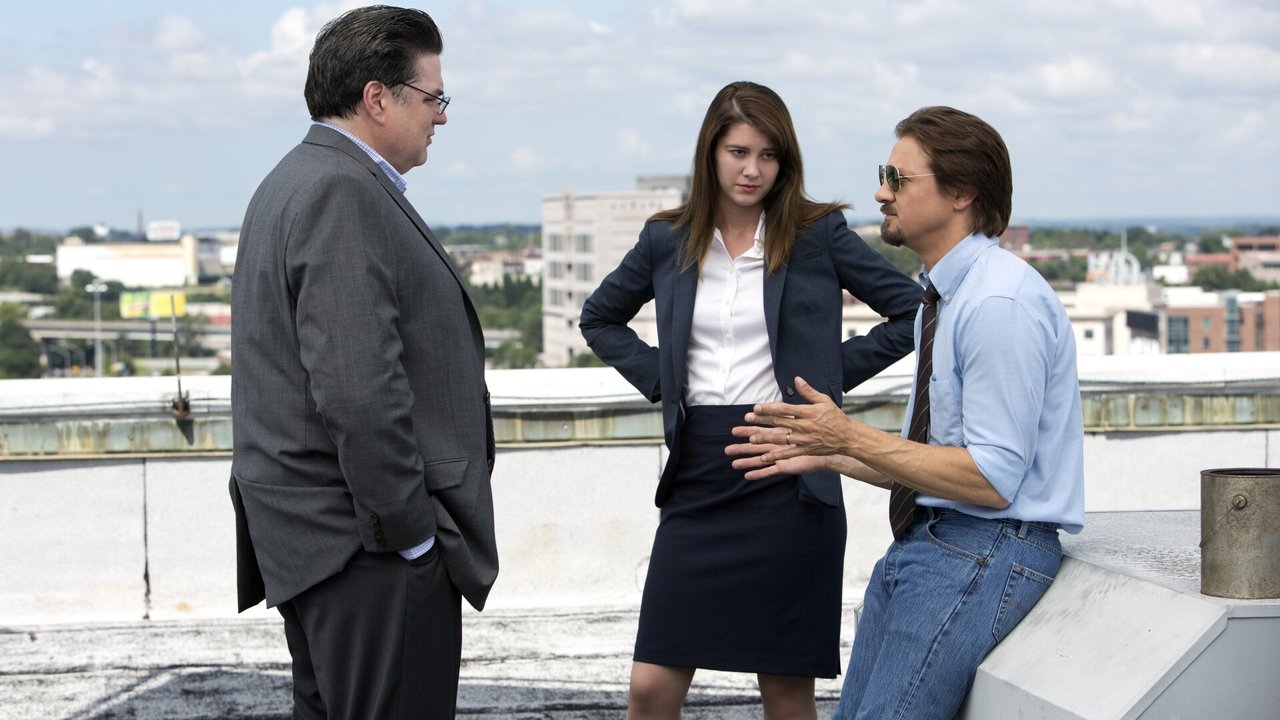
Jeremy Renner plays Webb not as a saint, but as a guy with a bit of an ego and a relentless, dog-with-a-bone attitude. I’ve always found Renner most compelling when he’s playing characters who are slightly frayed at the edges. Here, he captures that specific journalistic high—the rush of connecting the dots—and the slow-motion car crash of watching his career evaporate. Mary Elizabeth Winstead (who I first fell for in Scott Pilgrim vs. the World) turns in a solid performance as his editor, Anna Simons, who starts as his biggest supporter and eventually becomes a casualty of the corporate pressure cooker.
The cast is actually ridiculous for a movie this small. You’ve got Ray Liotta (fresh off his Goodfellas legacy) showing up for a single, chilling scene in a dark room to tell Webb he’s essentially a dead man walking. Michael Sheen (of The Queen fame) pops in as a source, and Andy Garcia plays a Nicaraguan kingpin with a suave, terrifying detachment. It’s a testament to the script that all these heavy hitters showed up for what was essentially a passion project for Renner.
A Relic of the Early Internet
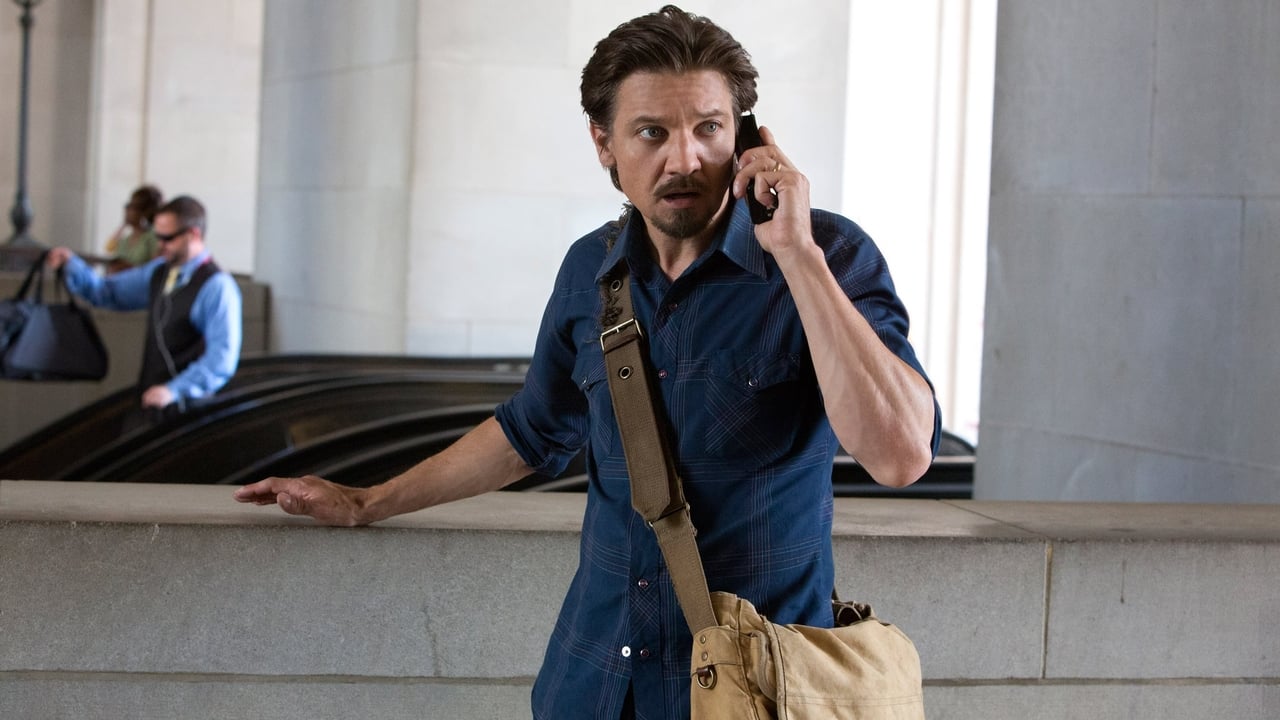
What makes Kill the Messenger fascinating in retrospect is how it captures the "Modern Cinema" transition from print to digital. Gary Webb’s "Dark Alliance" series was one of the first major news stories to go truly "viral" because the Mercury News uploaded the evidence, documents, and photos to this new-fangled thing called the World Wide Web.
The movie shows the irony of that moment: the internet allowed Webb’s story to reach millions without the help of the New York Times or the Washington Post, but it also made it easier for those same legacy outlets to coordinate a smear campaign against him. Looking back from 2024, the movie suggests that being right is often the quickest way to lose everything. It captures that post-9/11 skepticism toward government agencies, but wraps it in a 90s aesthetic of beige offices and clunky desktop monitors.
The direction by Michael Cuesta, who handled a lot of early Homeland, keeps things tight. It doesn't rely on flashy CGI or big action set pieces. Instead, it relies on the tension of a phone call or the sound of a car following you at night. It feels tactile and grounded, a far cry from the green-screen spectacles Renner was doing at the same time.
Why Did This Disappear?
It’s a bit of a mystery why this film was buried. It made barely more than its budget at the box office. Some say the marketing was muddled; others point to the fact that it was released by Focus Features during a leadership transition. But there’s also the uncomfortable nature of the story itself. It’s a "feel-bad" movie in many ways. It challenges the "hero’s journey" by showing that sometimes the hero gets his life dismantled and everyone just watches it happen.

During the third act, I actually had to pause the movie because my laptop battery hit 2% right as the tension peaked, and that brief moment of darkness in the room felt oddly appropriate for the story. Webb was a guy who brought light to a dark corner, only to have his own light extinguished.
The film doesn't shy away from the tragic ending of the real Gary Webb, but it doesn't feel exploitative. It feels like a wake-up call. Even if the pacing drags slightly in the middle when the legal jargon ramps up, the emotional weight of the final twenty minutes is staggering.
Kill the Messenger is a sharp, angry, and expertly acted thriller that deserved a much larger audience than it got in 2014. It’s a reminder that Jeremy Renner is a powerhouse when he’s not holding a bow and arrow, and it serves as a haunting tribute to a man who took on the biggest bully in the world and lost. If you can handle a drama that doesn't offer easy answers, this is one of the most underrated films of the last decade. It’s the kind of movie that makes you want to look twice at every headline you read tomorrow.
Keep Exploring...
-
In the Valley of Elah
2007
-
Edge of Darkness
2010
-

Revolver
2005
-
The Client
1994
-
Breakdown
1997
-
Kiss the Girls
1997
-
Arlington Road
1999
-
The Pledge
2001
-
Confessions of a Dangerous Mind
2002
-
United 93
2006
-
Untraceable
2008
-
Basic
2003
-
Tell No One
2006
-

Pride and Glory
2008
-
Brooklyn's Finest
2010
-

The Iceman
2012
-
A Walk Among the Tombstones
2014
-
The Gambler
2014
-
Cop Land
1997
-
The Score
2001