Locke
"One man, one car, and the world on the line."

If you pitched a movie where a guy drives a BMW down the M6 motorway for eighty-five minutes while talking on his hands-free phone, most studio executives would have escorted you out of the building before you could finish your overpriced latte. It sounds like a technical exercise or a very long car commercial, yet Steven Knight’s Locke managed to be one of the most gripping thrillers of the early 2010s. It arrived right as the indie film scene was fully embracing the "contained thriller" trend—think Buried or 127 Hours—but it traded physical peril for a much more terrifying collapse: the slow-motion demolition of a man's reputation.
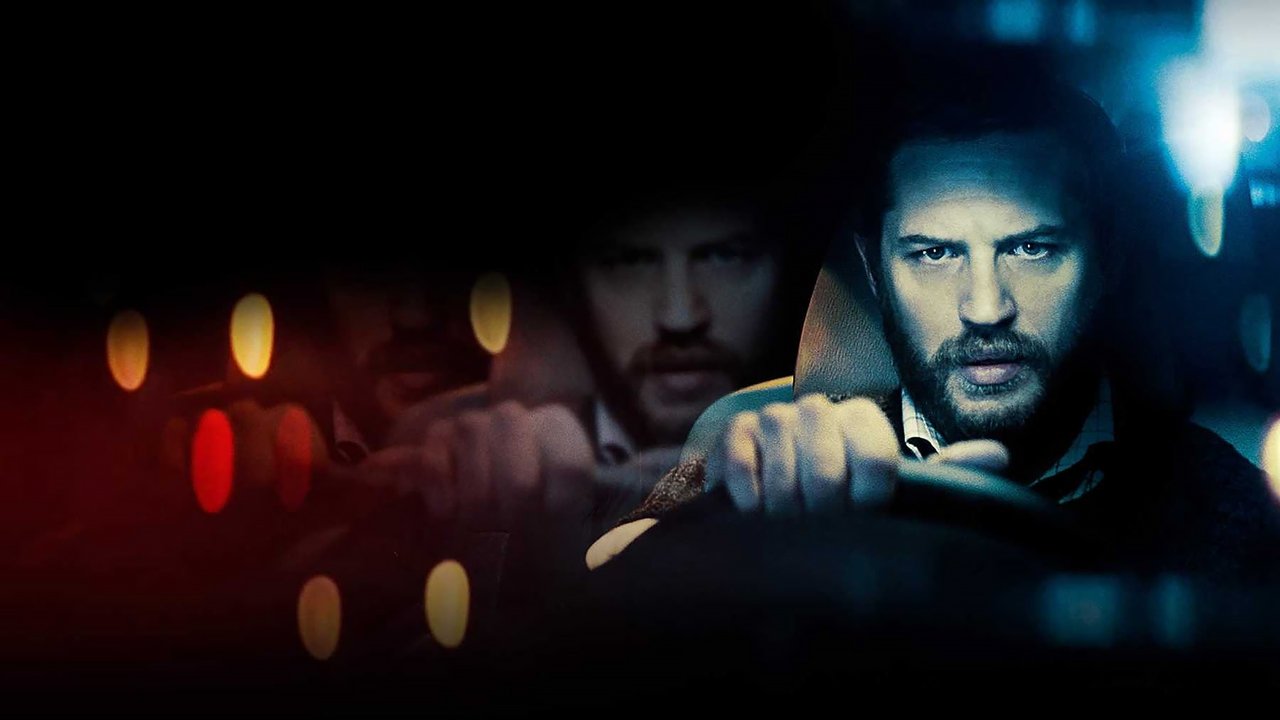
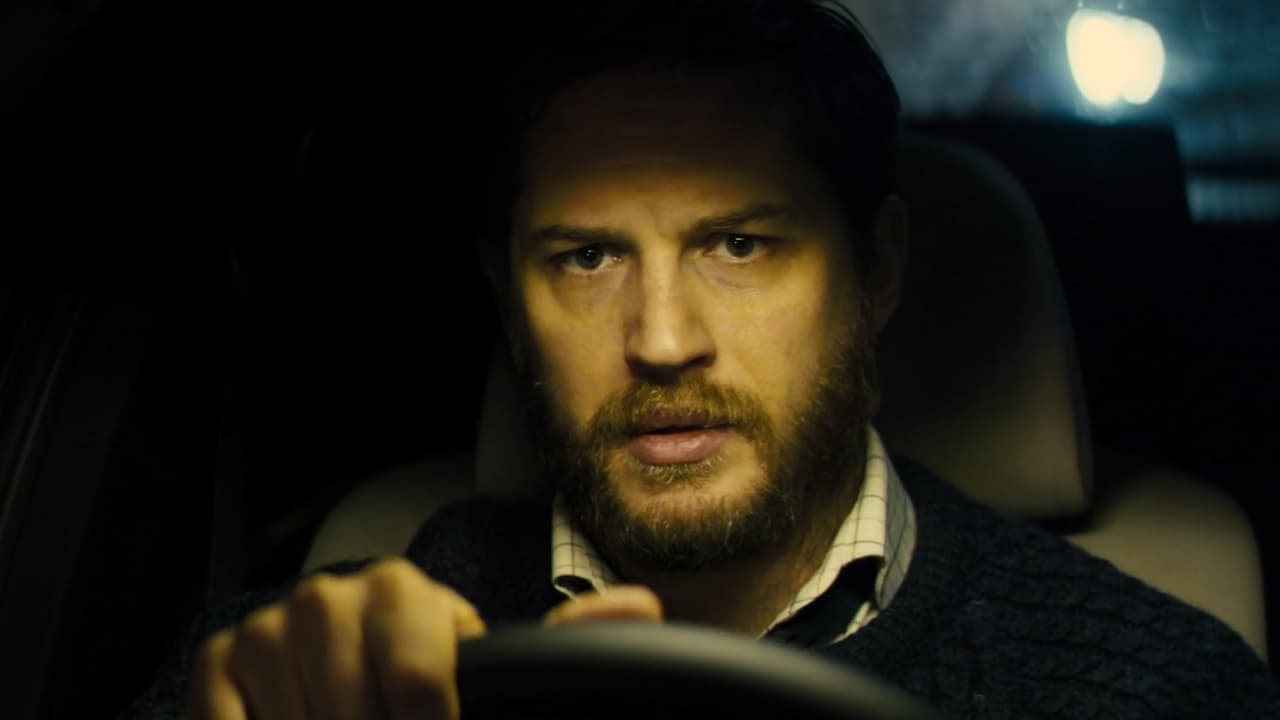
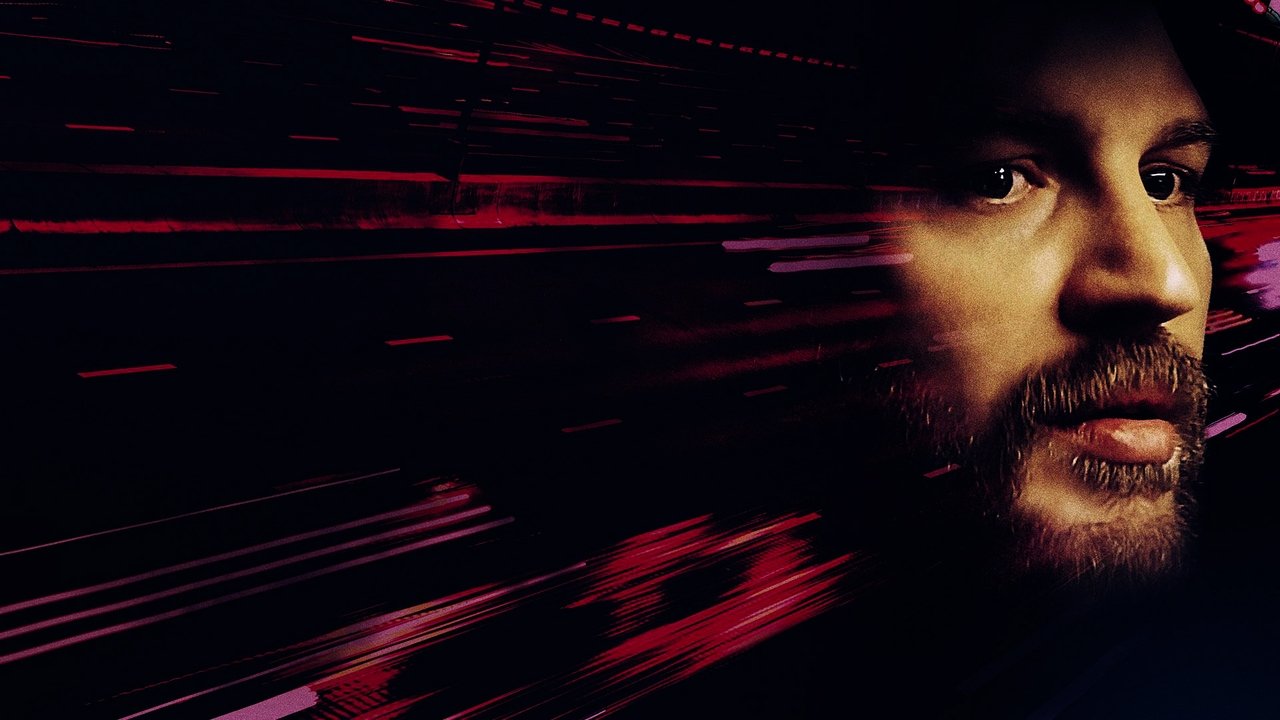
I watched this for the first time on a laptop while nursing a truly mediocre bowl of instant ramen that I’d accidentally oversalted, and I was so transfixed by the screen that I didn't even notice my tongue was pruning from the sodium. That’s the power of Tom Hardy’s face. He spends the entire runtime in a chunky knit sweater, sporting a majestic beard and a rhythmic Welsh accent, and he makes a phone call about "C6 concrete" feel like a high-stakes bomb disposal.
The Concrete Geometry of a Life
Ivan Locke is a man who believes in the beauty of the straight line. He’s a high-level construction manager, and as the film opens, he’s on the eve of the "biggest concrete pour in European history." But instead of heading home to his family or to the site, he makes a turn. He’s driving to London because a woman he had a singular, lonely encounter with months prior is in premature labor with his child. He isn't in love with her; he barely knows her. He just refuses to be the man who wasn't there.
What follows is a symphony of phone calls. Tom Hardy is the only actor we ever see, and he carries the film with a performance of incredible restraint. He is basically acting against a dashboard, yet the micro-shifts in his expression tell you everything about the soul-crushing weight of his decisions. He’s losing his job in real-time. He’s losing his wife, Katrina (voiced with heartbreaking precision by Ruth Wilson). He’s trying to coach his panicked, drink-prone subordinate, Donal (a hilarious and high-strung Andrew Scott), through the logistics of the concrete pour.
Looking back from a decade later, it’s wild to hear a pre-fame Tom Holland as Ivan’s son, Eddie, calling in to talk about a football match. The voice cast is an absolute "Who’s Who" of British talent, including Olivia Colman and Ben Daniels, and they all exist purely as disembodied voices coming through a speaker. It’s a testament to the script that you feel like you know these people intimately, despite never seeing a single frame of their faces.
A High-Wire Act on the M6
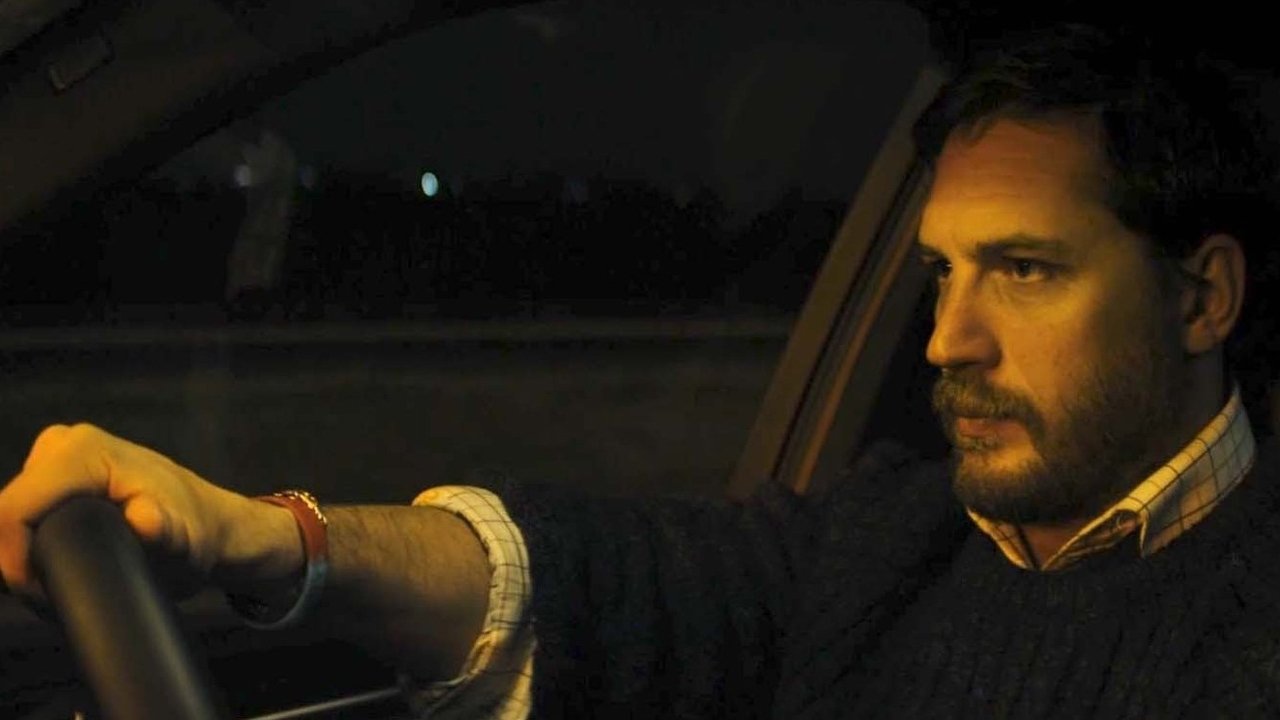
From a production standpoint, Locke is a fascinating relic of the digital revolution. Steven Knight (who gave us the gritty world of Peaky Blinders) shot the entire film in just eight nights. They used three RED Epic digital cameras mounted to a car that was towed on a low-loader trailer. This wasn’t some green-screen trickery; they were actually out there in the flow of traffic, catching the authentic bokeh of the streetlights and the rhythmic pulse of the motorway.
The film feels very much like a product of the late "Modern Cinema" era—a time when digital sensors finally became sensitive enough to capture night shoots with beautiful, oily blacks and vibrant neon smears without looking like grainy home movies. There’s a certain "DVD-supplement" energy to the whole project; it’s the kind of film that filmmakers love because it proves that you don't need a hundred million dollars if you have a world-class actor and a waterproof script.
The technical ingenuity extended to the acting, too. Tom Hardy actually had a severe cold during the shoot, which Knight decided to write into the character. It adds a layer of physical vulnerability to Ivan—he’s not just emotionally exhausted; he’s physically crumbling, clutching tissues and sniffing while his life goes up in flames. It’s a far cry from the hulking presence of Bane in Christopher Nolan’s The Dark Knight Rises, proving that Hardy is at his best when he’s trapped in a small space with nowhere to hide.
The Meaning in the Machinery
The film leans heavily into the metaphor of concrete—the idea that once it’s poured, it sets, and you have to live with the cracks. Is it a bit on the nose? Sure. But in the context of a man whose entire identity is built on "doing the right thing" regardless of the cost, it works. Ivan Locke is a man who would rather be a "good man" than a "happy one," and the film leaves you to decide if that’s noble or just another form of ego.
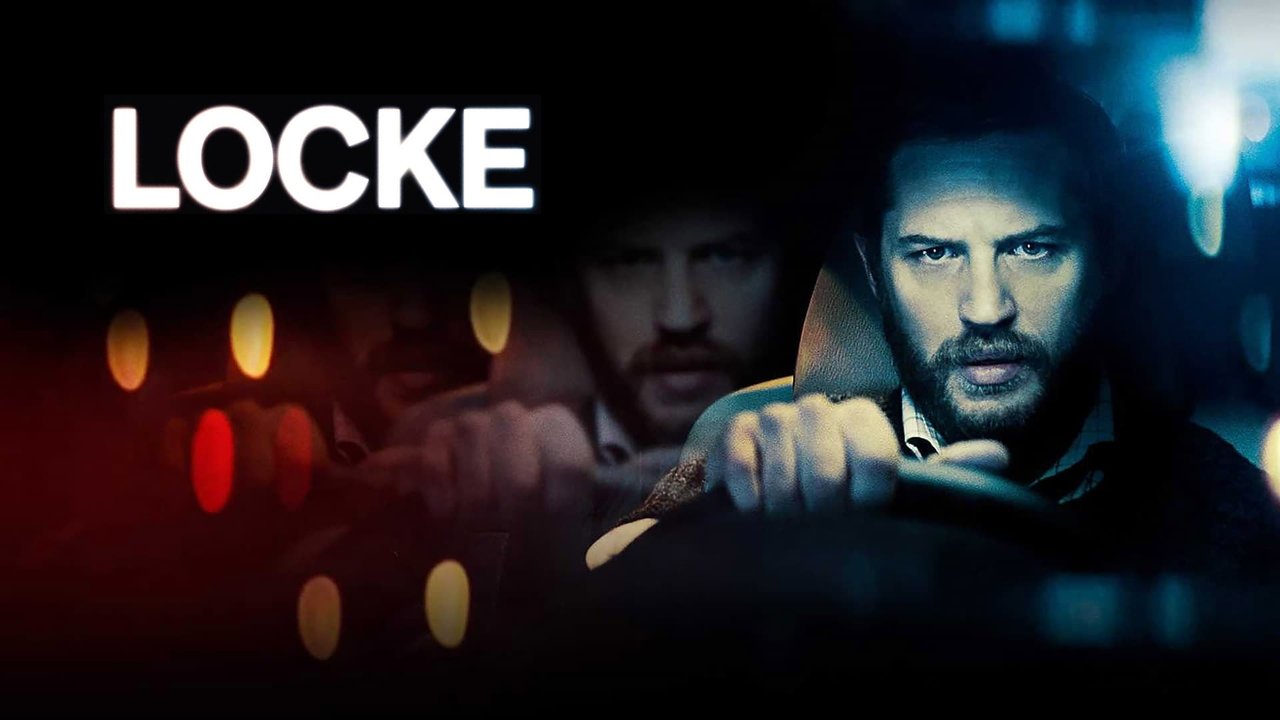
One of the most interesting aspects of reassessing Locke today is how it captures our evolving relationship with technology. In 2014, the idea of being "tethered" by a car phone was reaching its peak. Today, we’d probably just be on a Zoom call with a "blur" background, but there’s something about the isolation of that BMW cabin that feels timeless. It’s a modern confessional booth on wheels.
The film moves at a breakneck pace despite never exceeding 70 miles per hour. It’s a thriller where the "ticking clock" is a biological birth and a structural concrete pour, and it manages to be more tense than most movies featuring car chases and explosions. It’s a reminder that the most compelling drama doesn't come from what’s happening outside the window, but from the person sitting in the driver's seat.
If you missed this one because you thought it sounded "boring," go back and give it the 85 minutes it asks for. It’s a lean, mean, emotional machine that proves Tom Hardy can command more attention with a single eyebrow twitch than most actors can with a two-hour monologue. It’s the ultimate "less is more" cinematic experience, and it’s aged like a perfectly poured foundation. Just maybe skip the instant ramen while you watch.
Keep Exploring...
-

Hummingbird
2013
-
Bronson
2009
-

Blood and Bone
2009
-
The Girl Who Played with Fire
2009
-
Buried
2010
-
Monsters
2010
-
Undisputed III: Redemption
2010
-
Margin Call
2011
-
Following
1999
-
The Hole
2001
-

How I Live Now
2013
-
Bound
1996
-
Open Your Eyes
1997
-
Pi
1998
-
Run Lola Run
1998
-
Amores Perros
2000
-
Battle Royale
2000
-

The Devil's Backbone
2001
-
Irreversible
2002
-

Sympathy for Mr. Vengeance
2002