Love, Rosie
"A decade of missed chances and perfect chemistry."
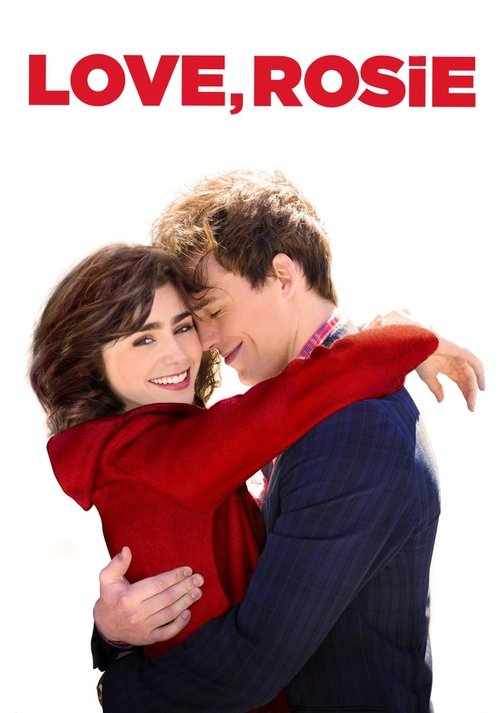
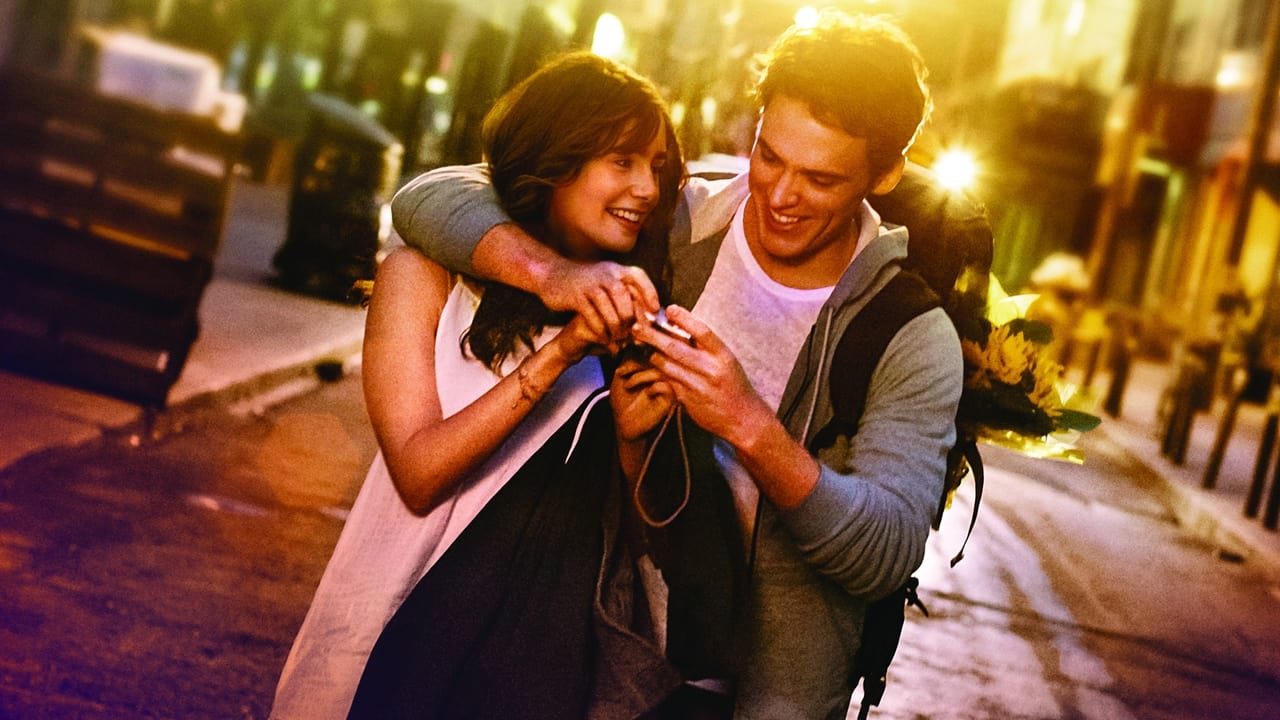
If you’ve ever wanted to scream at a screen until your lungs gave out, have I got the movie for you. I’m a sucker for a "will-they-won’t-they" story, but Love, Rosie takes that trope and stretches it across twelve years, two continents, and enough misunderstandings to fuel a three-season soap opera. It’s a film that thrives on emotional masochism at its finest, and yet, despite my better judgment, I found myself completely charmed by the sheer, stubborn romanticism of it all.
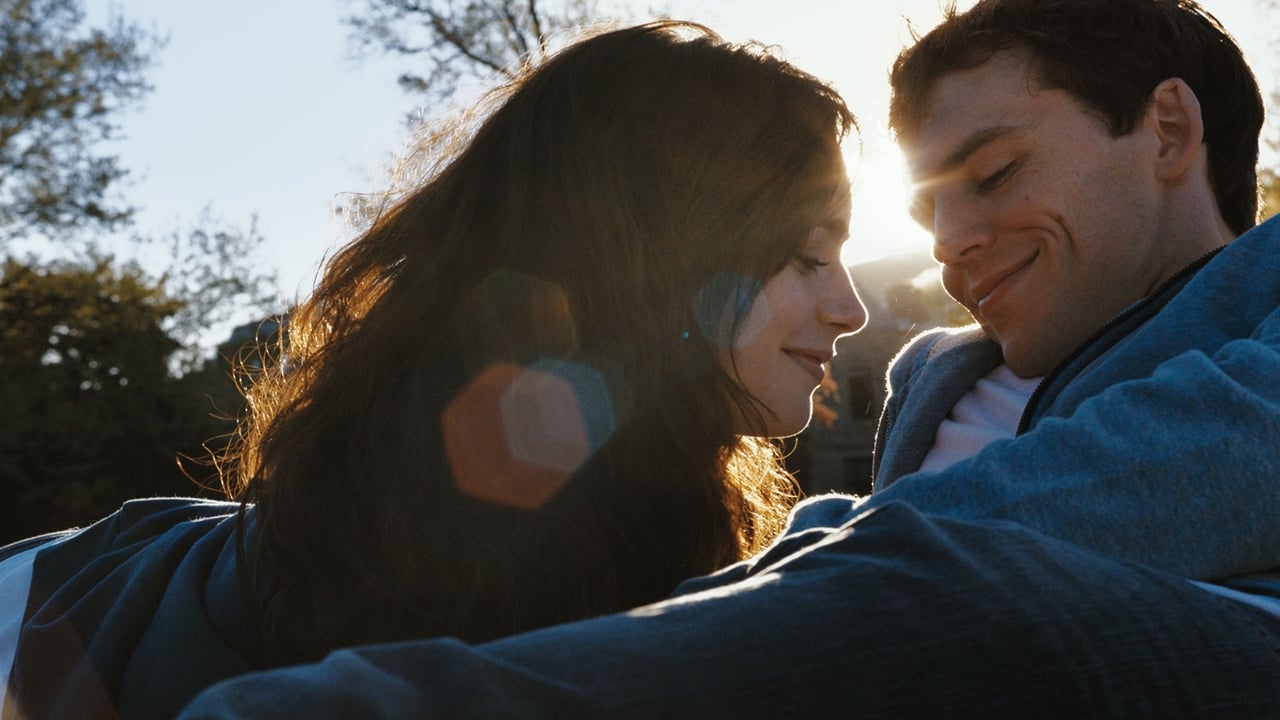
I remember watching this while sitting in a very uncomfortable IKEA chair that I eventually realized was missing a crucial support screw. My physical discomfort mirrored the narrative tension; I was leaning to the left, and Lily Collins and Sam Claflin were leaning into a decade of spectacularly bad timing.
The Chemistry Equation
The film lives or dies on its leads. If the central pair doesn't click, the plot is just a series of annoying hurdles. Thankfully, Lily Collins as Rosie and Sam Claflin as Alex share the kind of effortless, sparkling chemistry that you usually only see in classic 90s rom-coms. Collins, in particular, carries the weight of the film’s more dramatic shifts. She has this "deer in headlights" expressive quality that makes Rosie’s various life-shattering surprises—from a teenage pregnancy to a disastrous marriage—feel deeply personal.
Sam Claflin plays Alex with a boyish charm that slowly evolves into a weary, adult longing. He’s the "Best Friend" archetype, but he brings a groundedness that prevents the character from feeling like a cardboard cutout. When they are on screen together, the air feels charged. When they are apart, the film feels intentionally lonely, which is a testament to Christian Ditter’s direction. Ditter, making his English-language debut here, manages to capture that specific ache of being "just friends" when every fiber of your being wants something more.
From Pixels to Heartstrings
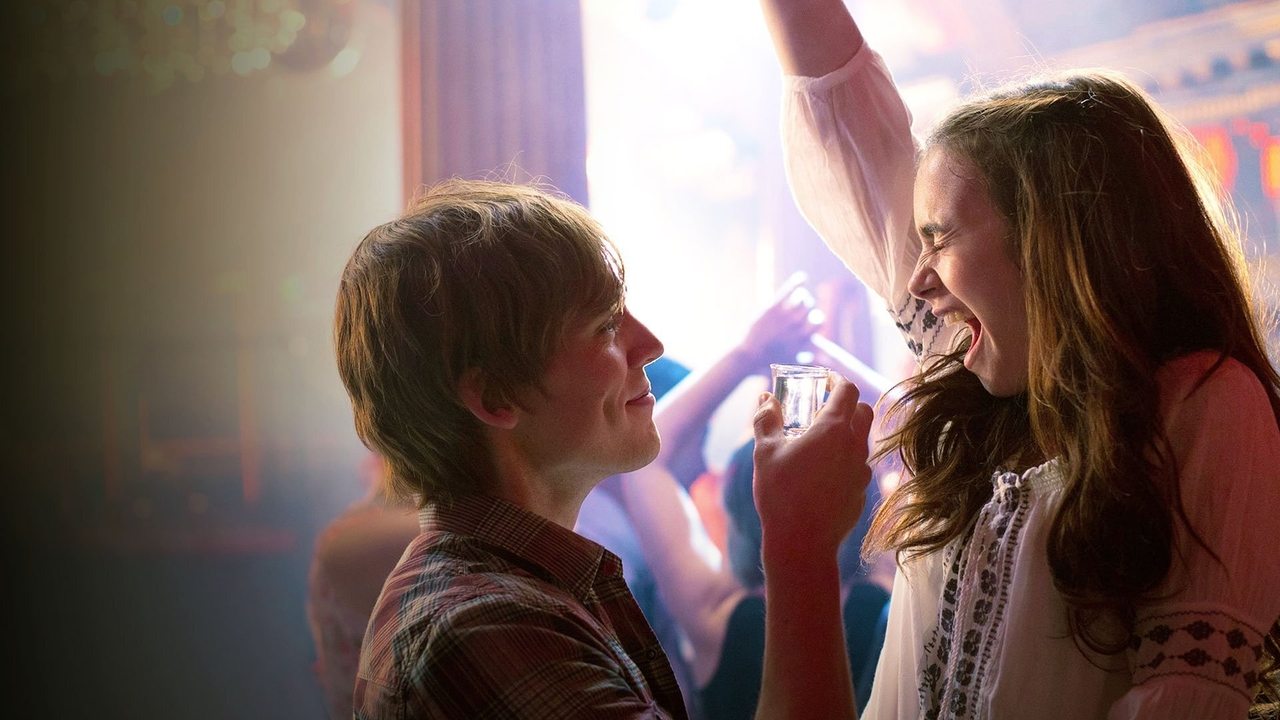
Looking back from a decade out, Love, Rosie feels like a snapshot of a specific transition in cinema. Released in 2014, it sits at the tail end of the era where mid-budget romantic dramas still received wide theatrical releases before they mostly migrated to the bottomless pits of streaming platforms. It has a visual polish—cinematography by Christian Rein—that favors warm, sun-drenched European light and cozy, cluttered interiors. It’s digital filmmaking that finally learned how to look as "expensive" and textured as the film stock of the previous generation.
One of the most interesting challenges the production faced was adapting Cecelia Ahern’s source novel, Where Rainbows End. The book is entirely epistolary—told through emails, texts, and letters. Screenwriter Juliette Towhidi had to transform a series of digital pings into a cohesive narrative. It’s a bit of a miraculous save that this didn't end up as a montage of typing sounds, though the film does lean on the occasional text-on-screen graphic, a visual shorthand that was still finding its footing in 2014.
The Logic of the Heart (and its Flaws)
I’ll be honest: there are moments where the plot relies on characters being remarkably dense. If these two had just used their vocal cords for five seconds, the movie would be ten minutes long. There’s a missed connection at an airport, a misread letter, and several instances where someone stays silent at the exact moment they should speak up. It’s frustrating, sure, but it also reflects a very human kind of cowardice—the fear of losing a friendship by admitting a truth that can’t be un-told.

The supporting cast adds some much-needed levity to the "pining." Jaime Winstone is a standout as Ruby, the cynical but fiercely loyal friend who provides the reality checks Rosie desperately needs. On the flip side, we get the classic "wrong" partners like Christian Cooke's Greg or Tamsin Egerton's Sally, who are played with just enough edge to make us root for their eventual exit. Suki Waterhouse also pops up as the "perfect" rival, Bethany, embodying the glossy, uncomplicated life that Rosie feels she missed out on.
The film does a surprising job of handling the passage of time. Spanning from age 18 to 30, the makeup and styling teams didn't go overboard with prosthetic wrinkles; instead, they relied on the actors' shifting body language and maturity. It feels like a lived-in decade. We see the rise of social media and the changing tech of the early 2010s reflected in how they communicate, grounding the "star-crossed" fluff in a recognizable reality.
Ultimately, Love, Rosie is a cozy, slightly messy comfort watch that succeeds because it isn't afraid to let its characters fail. It’s a film about the detours that become the journey, and while it might make you want to shake the protagonists by their shoulders, you’ll likely find yourself smiling when the credits roll. It captures that 2014 sweet spot where digital crispness met old-fashioned cinematic longing. It’s not a reinvention of the genre, but it is a beautifully acted reminder that sometimes the "wrong time" is just the long way around to the right person.
Keep Exploring...
-
Submarine
2011
-
Love & Other Drugs
2010
-
Beginners
2011
-
The Artist
2011
-
Silver Linings Playbook
2012
-
The First Time
2012
-
Stuck in Love
2013
-
The Mafia Kills Only in Summer
2013
-
Imagine Me & You
2006
-

Cashback
2007
-
The Intouchables
2011
-
Wild Tales
2014
-
As Good as It Gets
1997
-
Buffalo '66
1998
-
EverAfter
1998
-
Stepmom
1998
-
High Fidelity
2000
-
Punch-Drunk Love
2002
-
The Spanish Apartment
2002
-
Lost in Translation
2003