Lucy
"Evolution is a drug, and she’s overdosing."
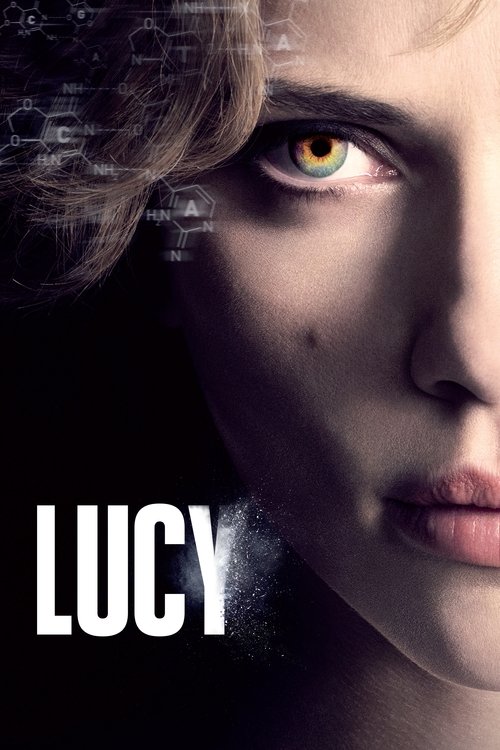
If you want to annoy a neuroscientist, just mention the "10% brain capacity" myth. It is the flat-earth theory of human biology—a total fabrication that somehow became the bedrock of pseudo-scientific cinema. But in 2014, Luc Besson (the man who gave us the neon-drenched fever dream of The Fifth Element) didn’t just mention the myth; he built a $40 million altar to it. I first watched this movie on a cramped cross-country flight while the guy next to me was aggressively peeling a hard-boiled egg, and honestly, the sulfuric smell only added to the pungent, high-concept insanity unfolding on my screen.
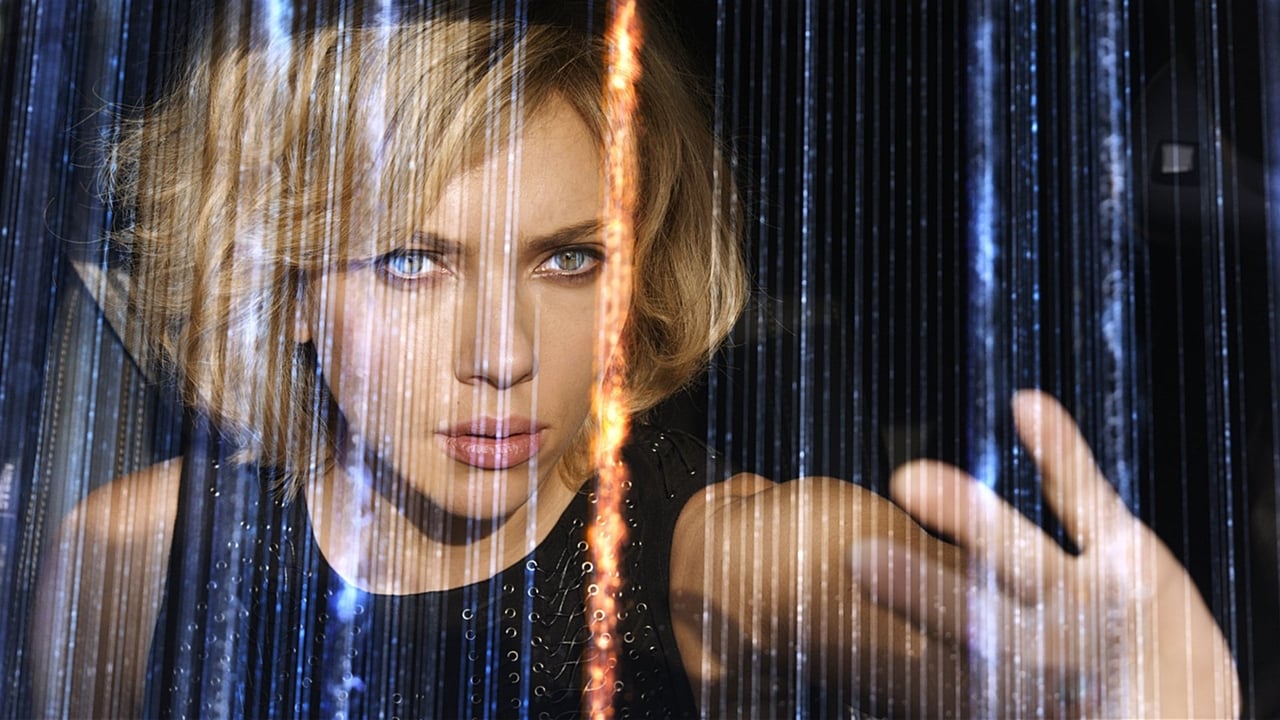
Lucy is a fascinating artifact of the "mid-2010s transition." We were moving away from the gritty, desaturated "Bourne" aesthetic and sliding into the vibrant, high-gloss VFX era of the peak MCU. At 89 minutes, it’s a refreshing bullet of a film in an era that was already starting to suffer from three-hour-long blockbuster bloat. It’s loud, it’s stupid, and it’s occasionally brilliant.
The Evolution of a Movie Star
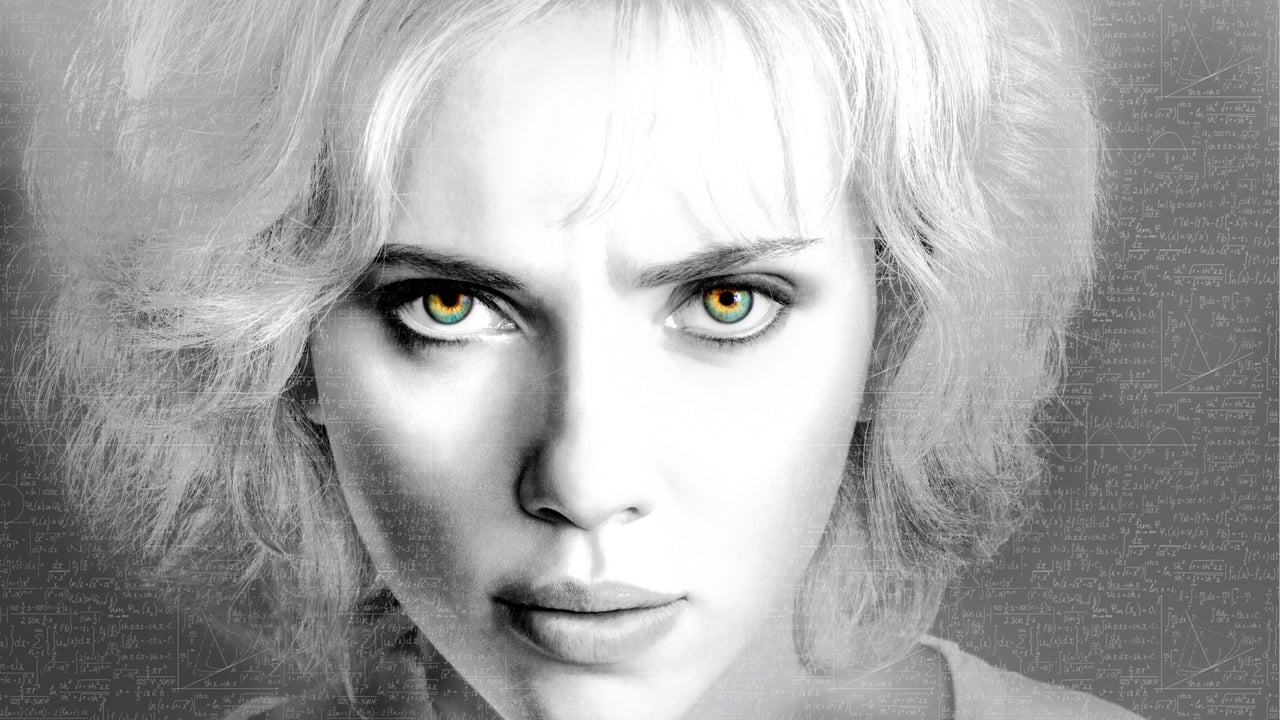
The film centers on Scarlett Johansson, who was then at the absolute height of her "Black Widow" fame but hadn't yet been fully tested as a solo box-office titan. As the titular Lucy, a student turned unwilling drug mule in Taipei, she starts the film as a trembling, relatable victim. But once a bag of synthetic CPH4 leaks into her system, her performance undergoes a fascinating, chilling transformation.
Watching Johansson slowly delete her own humanity to make room for data is the film’s best special effect. As her "brain percentage" ticks upward, she stops blinking. Her voice loses its tremolo. It’s a performance that could have felt wooden in lesser hands, but she gives Lucy a predatory, alien grace. Opposite her is the legendary Morgan Freeman as Professor Norman. Let’s be real: Freeman is here to do what he does best—explain the impossible with a voice that sounds like a warm hug. He spends most of the film in lecture halls, providing the exposition that allows the audience to keep up with the increasingly psychedelic visuals.
On the villain side, we get the incredible Choi Min-sik (Oldboy) as Mr. Jang. Even though he’s playing a fairly standard mob boss, he brings a terrifying, volcanic energy to the screen. The scene where Lucy casually "pins" his hands to a table while she scans his brain is a masterclass in shifting power dynamics.
Action without Physics

Being a Luc Besson joint, the action choreography is punchy and unapologetically French. The film bridges the gap between old-school practical stunts and the burgeoning CGI "God-mode" tropes. The early shootout in the hotel has a messy, desperate weight to it, featuring Pilou Asbæk as the ill-fated Richard and Julian Rhind-Tutt as the "The Limey."
But as Lucy’s powers grow, the film ditches the laws of physics entirely. The car chase through Paris is a highlight—Luc Besson’s team apparently decided that traffic laws are merely suggestions for people who haven't unlocked 40% of their neurons. It’s chaotic, fast-cut, and features that signature European flair for wrecking dozens of Peugeot police cars.
What’s interesting about the action in Lucy is that the stakes shift from "Will she survive?" to "How will she manifest her power?" By the time we get to the third act, Lucy isn't even fighting with her fists anymore; she’s manipulating gravity and cellular signals. It’s the kind of high-concept spectacle that worked perfectly for the 2014 audience—pre-dating the multiverse madness of today, but offering a taste of that "everything, everywhere" visual style.
A $400 Million Mystery
From a production standpoint, Lucy is a miracle of ROI. With a modest $40 million budget, it raked in nearly $470 million worldwide. It proved that an R-rated, original sci-fi concept led by a woman could out-earn established franchises. Looking back, this was a pivotal moment for EuropaCorp, Besson’s studio, which was trying to prove it could manufacture Hollywood-scale hits on European soil.
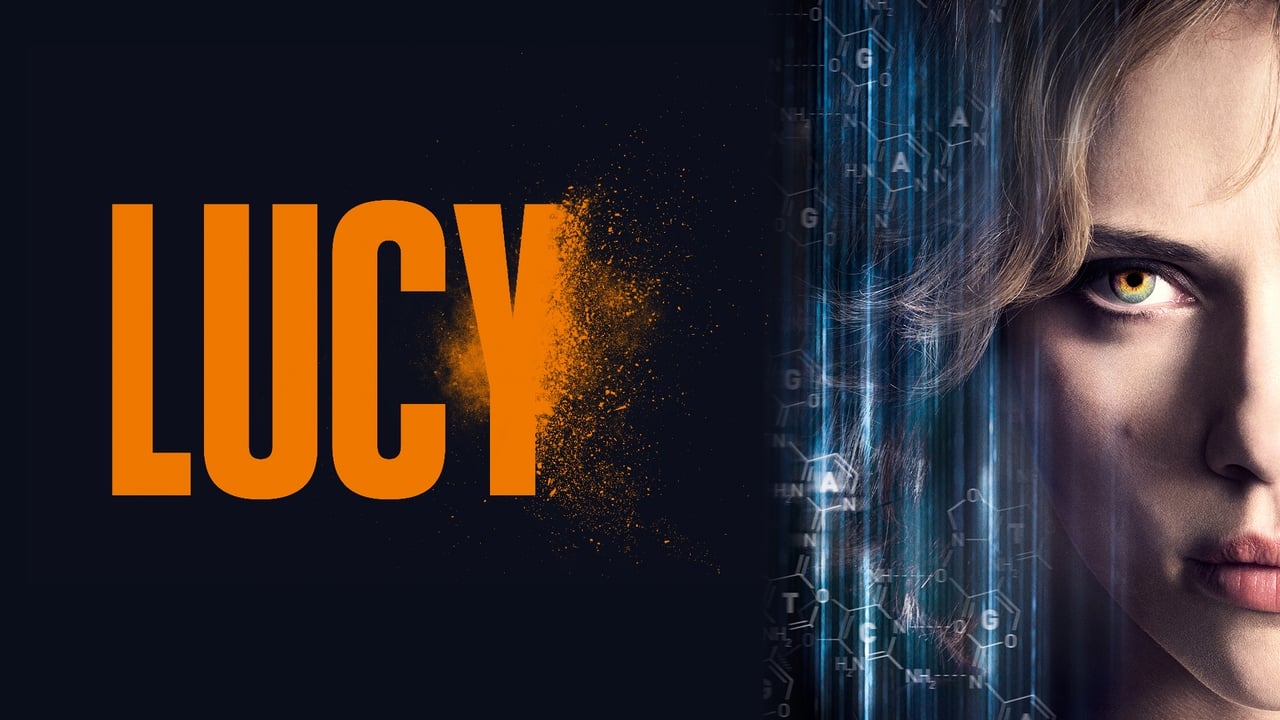
The film leans heavily into the CGI revolution of the era. The transitions—Lucy’s skin disintegrating on a plane, her hair changing color in a flash, the visualization of phone signals as golden streams of light—still look surprisingly sharp today. Visual effects in 2014 were finally catching up to the weirdness of Besson’s imagination.
One of my favorite "did they really do that?" details is that Besson spent nearly a decade developing the script, originally wanting Angelina Jolie for the lead. When she passed, he met with Scarlett Johansson, who was so enthusiastic about the "robotic" nature of the evolution that he cast her on the spot. Also, the film’s score by Éric Serra (GoldenEye) is a pulsing, electronic heartbeat that keeps the momentum from sagging during the heavy science-babble scenes.
Ultimately, Lucy is a movie that asks you to park your "logic" at the door and enjoy the ride. It’s a B-movie with an A-list budget and a triple-A performance from Scarlett Johansson. It captures that specific 2010s anxiety about the "technological singularity"—the fear that we are becoming one with our devices—and turns it into a neon-soaked shootout. Science is just a suggestion when you have a blue bag of drugs and a handgun.
Is it scientifically accurate? Absolutely not. Is the ending a bit too "Windows Screensaver" for its own good? Probably. But as a piece of pure, adrenaline-fueled cinema, it remains a total blast. It’s a reminder that sometimes, the best way to spend 90 minutes is watching a movie that isn't afraid to be completely, unashamedly weird. If you haven't revisited this one since the Obama administration, give it a spin—it’s a lot smarter than it looks, even if its biology is a total lie.

Keep Exploring...
-
The Extraordinary Adventures of Adèle Blanc-Sec
2010
-
The Family
2013
-
Nikita
1990
-
The Fifth Element
1997
-
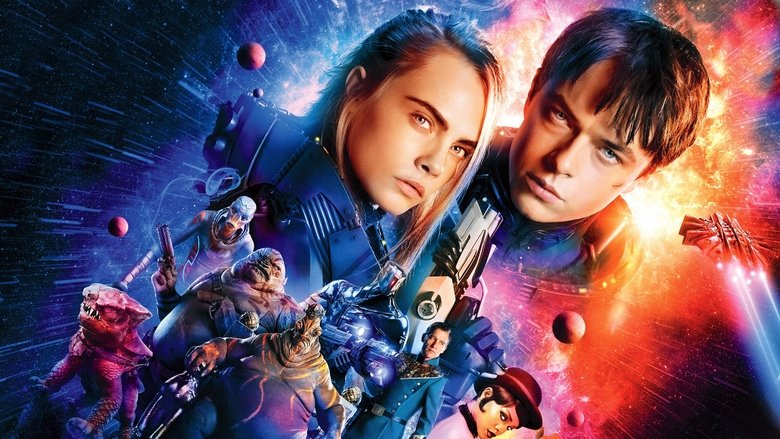
Valerian and the City of a Thousand Planets
2017
-

The Messenger: The Story of Joan of Arc
1999
-
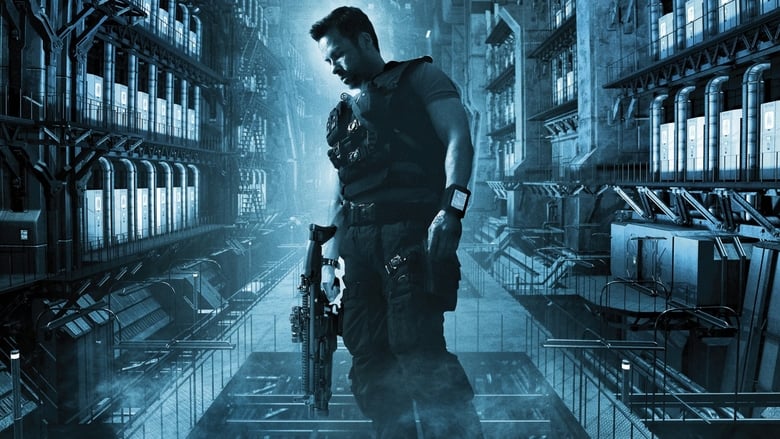
Lockout
2012
-
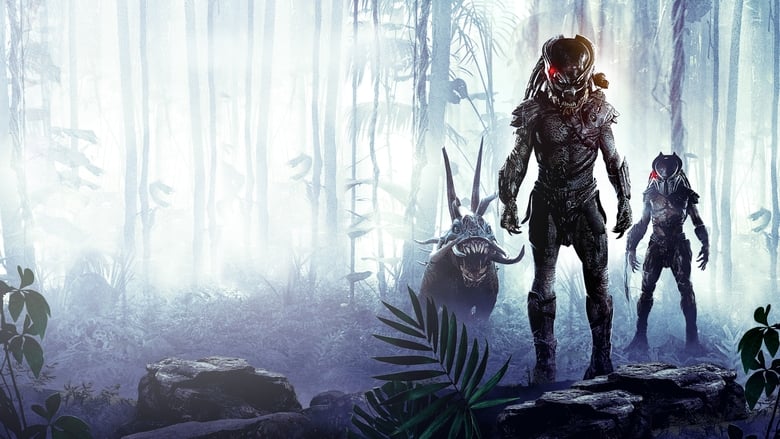
Predators
2010
-

In Time
2011
-
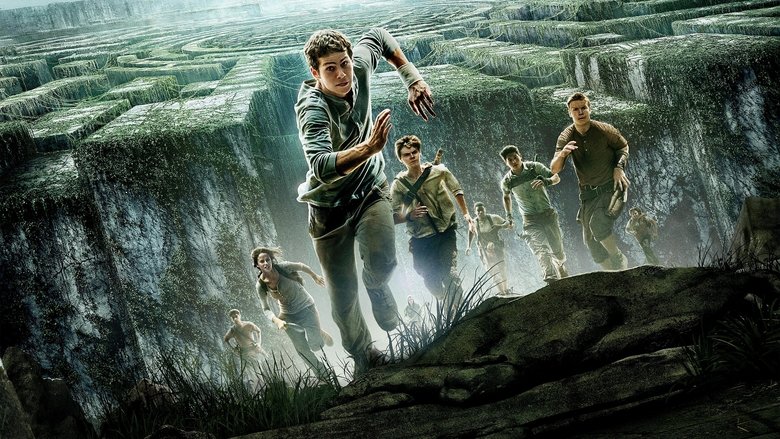
The Maze Runner
2014
-

Taken 2
2012
-
District B13
2004
-
2012
2009
-

Knowing
2009
-
Transformers: Revenge of the Fallen
2009
-

Iron Man 2
2010
-
Resident Evil: Afterlife
2010
-

Battle: Los Angeles
2011
-
Rise of the Planet of the Apes
2011
-

Transformers: Dark of the Moon
2011