Magic in the Moonlight
"Can a master of deception believe in the impossible?"
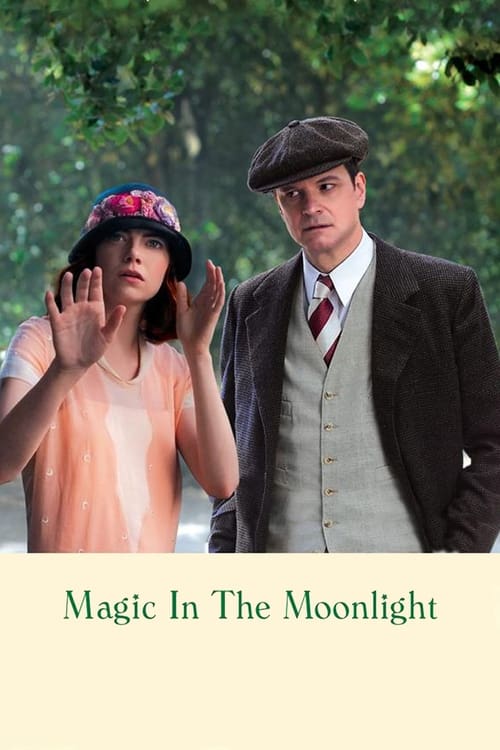
The 1920s French Riviera on film is usually an exercise in pure, unadulterated envy. The azure water, the linen suits, and the light that seems to have been filtered through a glass of expensive Chardonnay—it’s a setting that does half the work for a director. In Magic in the Moonlight, we find ourselves in this exact paradise, watching a man who is professionally committed to ruining everyone’s fun. I once tried to learn a "simple" card trick from a YouTube tutorial and ended up accidentally throwing the entire deck into a bowl of half-eaten salsa; watching Colin Firth handle cards with such cold precision made me feel particularly uncoordinated.

The Illusion of Cynicism
The story follows Stanley Crawford (Colin Firth), a world-famous illusionist who performs in "yellowface" as a Chinese conjurer named Wei Ling Soo. Stanley is a man of logic, a militant rationalist who spends his off-hours debunking spiritualists and mediums. He is the 1928 version of a guy who spends all day arguing in Reddit comments. When an old friend asks him to travel to the Côte d'Azur to expose a young American medium named Sophie Baker (Emma Stone), Stanley jumps at the chance. Sophie has supposedly charmed a wealthy family, including the heir, Brice (Hamish Linklater), who is so smitten he’s serenading her with a ukulele.
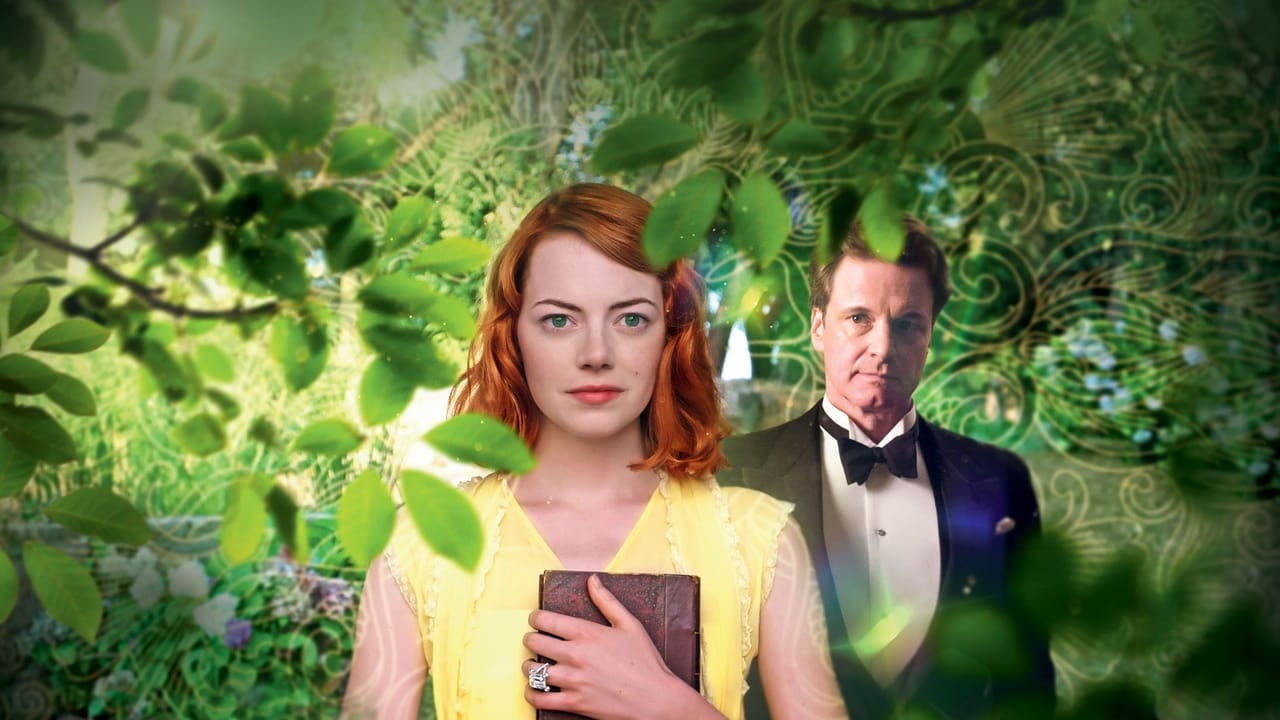
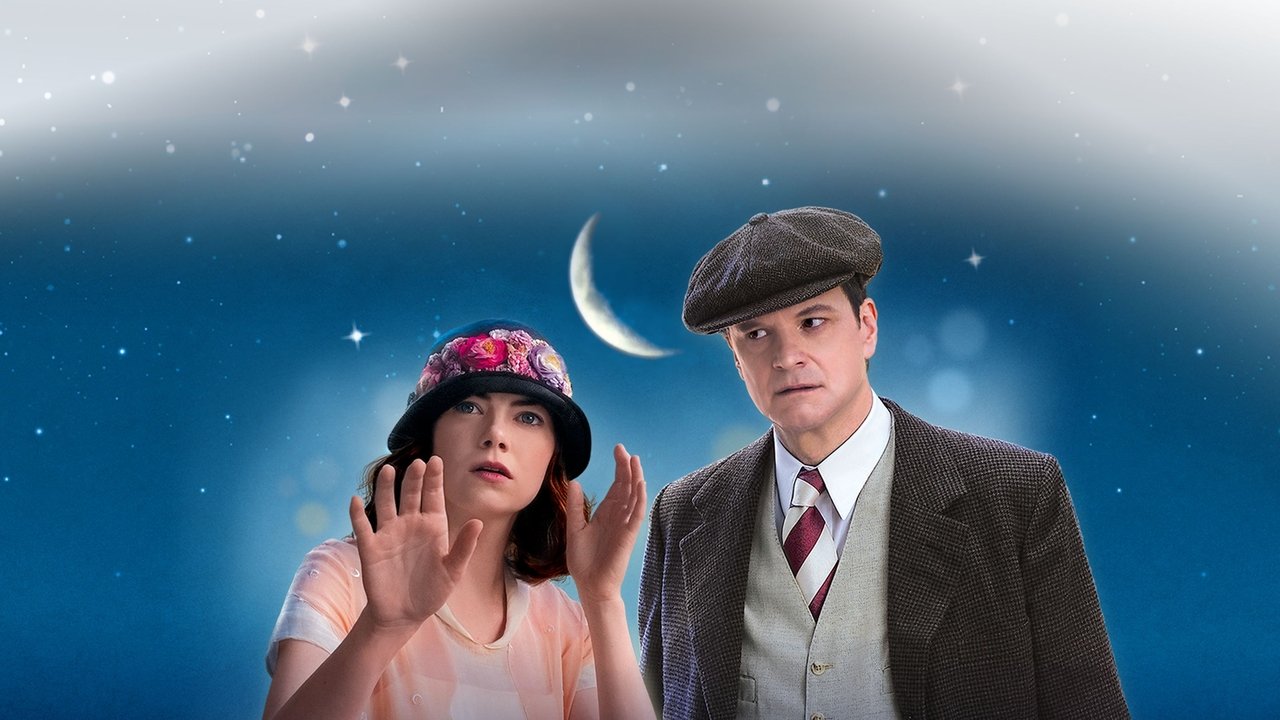
Colin Firth plays Stanley with a wonderful, clipped arrogance. He’s the kind of guy who can make a compliment sound like a terminal diagnosis. Watching him match wits with Emma Stone is where the film finds its pulse. Stone, who was just on the cusp of her La La Land superstardom here, plays Sophie with a wide-eyed, ethereal charm that suggests she either really can talk to the dead or she’s the greatest con artist since the invention of the wooden nickel. The chemistry here is less "romantic spark" and more "professorial debate that accidentally ends in a hug," but in the context of a sunny farce, it generally works.
A Celluloid Sunset in a Digital Dawn
Released in 2014, Magic in the Moonlight arrived at a fascinating crossroads for cinema. This was the year the industry almost entirely surrendered to digital projection, yet the legendary cinematographer Darius Khondji insisted on shooting this on 35mm film. Looking back, you can see why. There is a texture to the image—a softness in the way the sunlight hits Jacki Weaver’s garden—that digital struggled to replicate a decade ago. It captures a specific "Modern Cinema" anxiety: the fear that the tactile, magical quality of film was being replaced by something colder and more clinical.
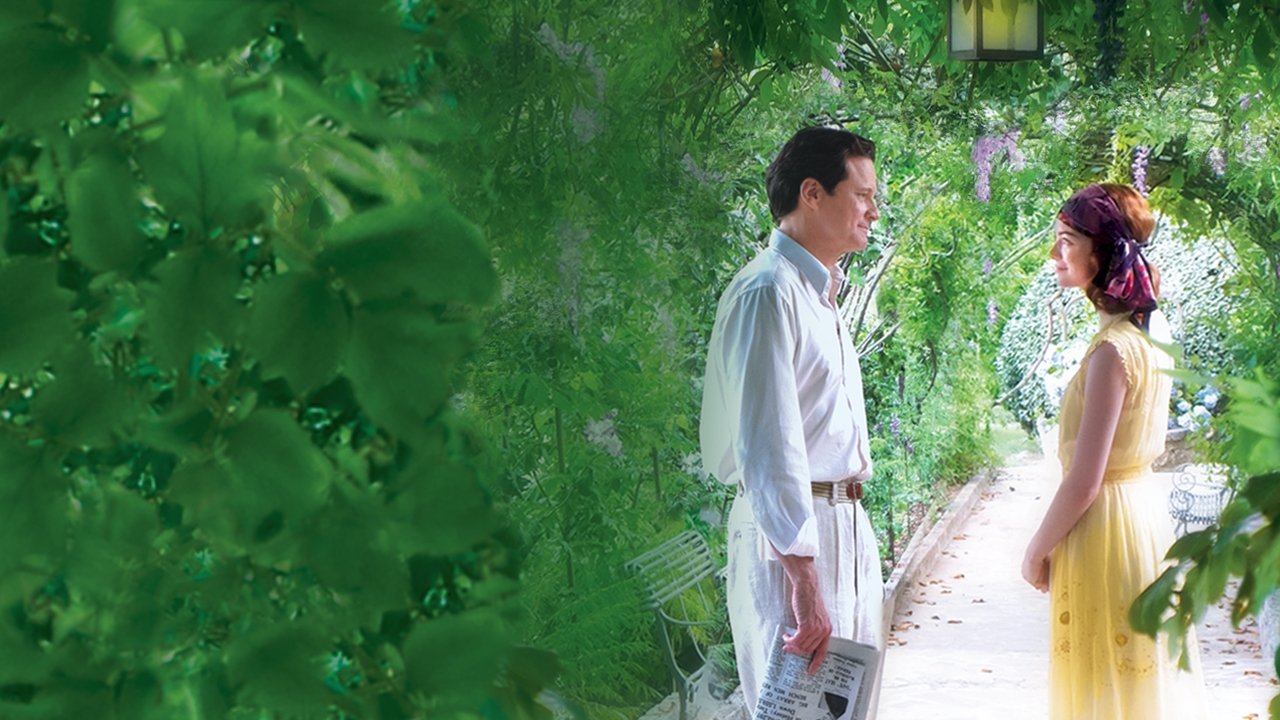
The film itself mirrors this conflict. Stanley represents the cold, digital truth, while Sophie represents the grainy, beautiful lie of the séance. Interestingly, the production design by Anne Seibel is almost too perfect. Every car looks like it just rolled out of a museum, and every dress worn by Marcia Gay Harden looks like it hasn't seen a speck of dust in a century. It’s a sanitized version of the 20s, but it fits the film’s status as a "fable." It’s worth noting that Colin Firth actually performed many of the sleight-of-hand tricks himself; apparently, he spent weeks obsessively practicing card flourishes to ensure he looked like a master, a bit of old-school actor immersion that anchors the more flighty elements of the script.
The "Minor Woody" Reassessment
At the time of its release, many critics filed this under "Minor Woody," a polite way of saying "not as good as Midnight in Paris." But as the years have passed, Magic in the Moonlight has found a dedicated "comfort movie" following. It’s a film that doesn’t demand much of you, which is perhaps why it has aged better than some of the more self-serious dramas of 2014. It’s a "vibe" movie before that term was run into the ground.
There are some quirks that feel very of their era. The age gap between the leads (Firth was 53, Stone was 25) was a point of contention then and feels even more glaring now, though the film tries to play it as a clash of worldviews rather than just a May-December romance. Also, the supporting cast is criminally underused; Jacki Weaver and Marcia Gay Harden are essentially there to provide reaction shots to Stone’s "vibrations," though Hamish Linklater steals every scene he’s in as the dim-witted, ukulele-strumming suitor. Linklater’s performance is so earnestly dorky that you almost want Sophie to pick the rich idiot over the cynical magician.

Ultimately, the film asks if we can be happy in a world without mystery. It’s a lightweight question for a lightweight movie, but in the hands of this cast and under that French sun, it’s a pleasant way to kill 98 minutes. It’s a movie about the joy of being wrong—and sometimes, being wrong has never looked so good.
While it lacks the narrative bite of Allen’s best work, Magic in the Moonlight is a visually delicious trifle that benefits immensely from its lead performances. It’s a film that celebrates the "glimmer" in life, even when we know it’s just a trick of the light. If you’re looking for a low-stakes escape to a Riviera that only exists in the movies, this is a trick worth falling for. Just don't expect it to change your life—only to brighten your afternoon.
Keep Exploring...
-
You Will Meet a Tall Dark Stranger
2010
-
To Rome with Love
2012
-
Café Society
2016
-

Match Point
2005
-

Vicky Cristina Barcelona
2008
-
Whatever Works
2009
-
Irrational Man
2015
-
Deconstructing Harry
1997
-
Crazy, Stupid, Love.
2011
-

A Rainy Day in New York
2019
-
(500) Days of Summer
2009
-

Adventureland
2009
-
Letters to Juliet
2010
-

Life As We Know It
2010
-

LOL
2012
-

Seeking a Friend for the End of the World
2012
-

Begin Again
2014
-
Midnight in Paris
2011
-

What If
2013
-
Silver Linings Playbook
2012