Maleficent
"Evil is a matter of perspective."
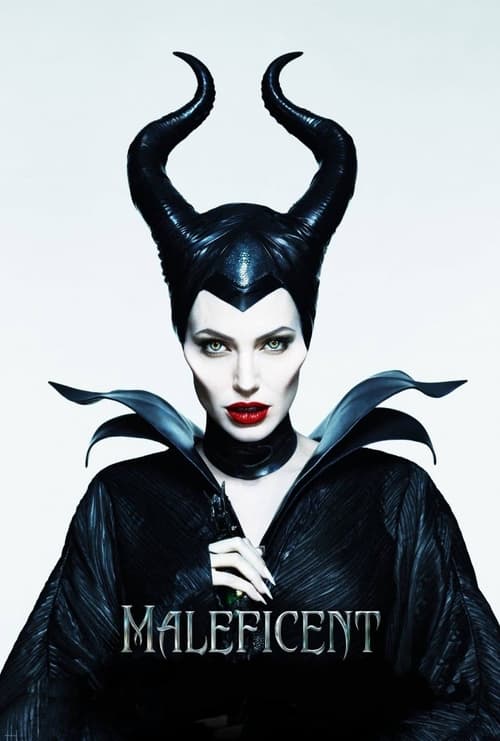
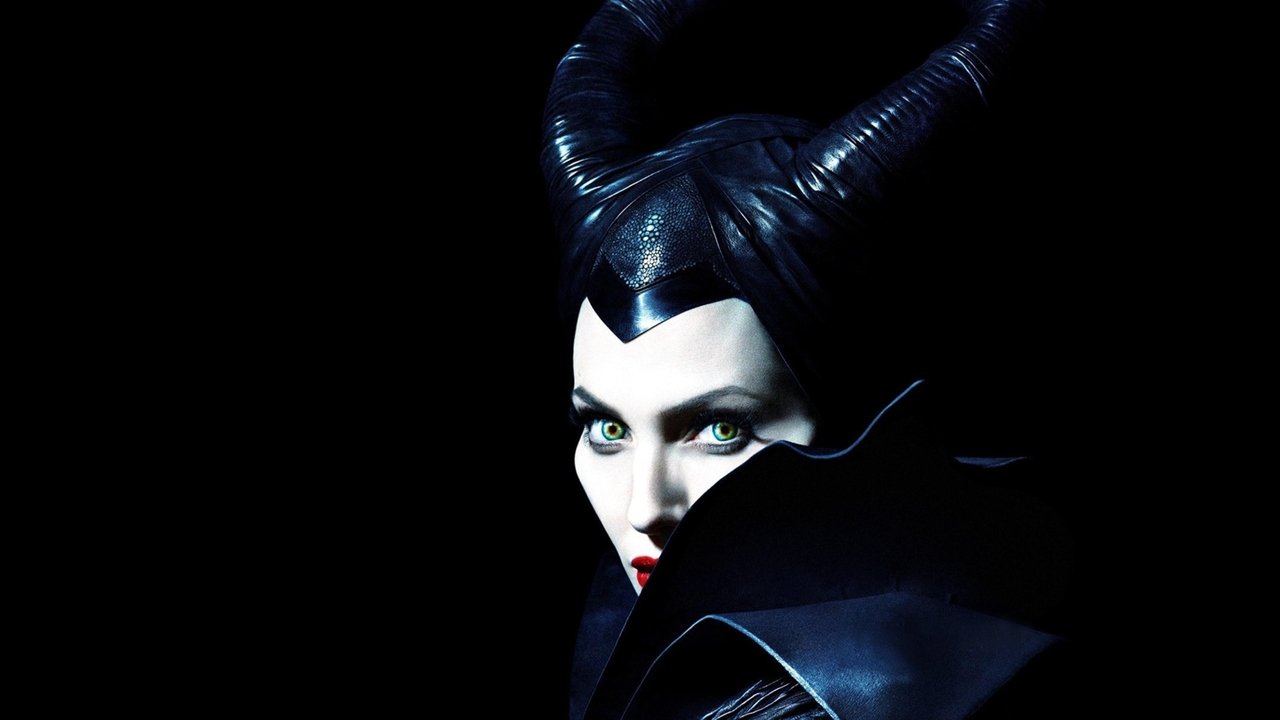
If you stood in a dark room and tried to conjure the Platonic ideal of a live-action Disney villain, you’d eventually just describe Angelina Jolie. When Maleficent arrived in 2014, it felt less like a casting choice and more like a cosmic correction. I remember sitting in the theater with a bag of slightly stale Haribo Starmix I’d found in my coat pocket, watching those prosthetic cheekbones slice through the screen, and thinking: Finally, someone figured out what to do with all that movie star gravity.
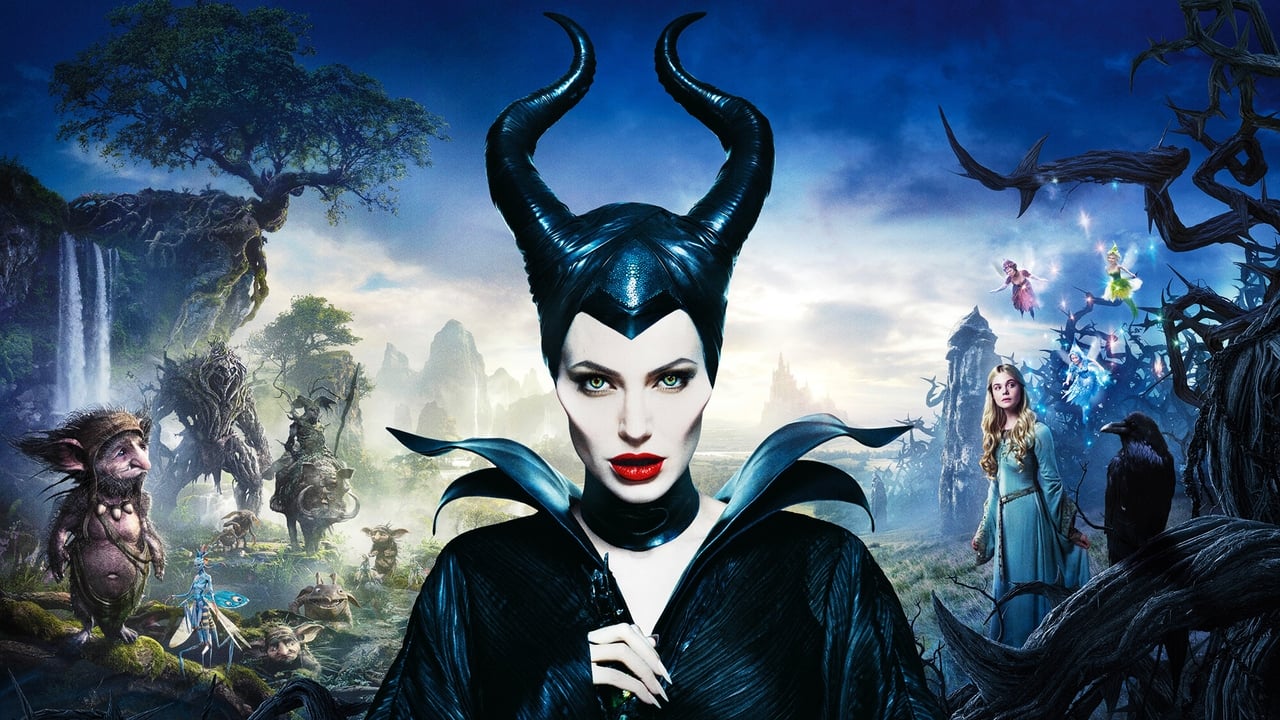
Directed by Robert Stromberg—who previously won Oscars for production design on Avatar and Tim Burton’s Alice in Wonderland—the film arrived right as Disney was pivoting hard into the "Revisionist Fairy Tale" era. This was the moment the studio realized they could stop making new stories and instead just mine their own vaults, provided they added enough CGI and a "you don’t know the real story" twist.
The Face That Launched a Thousand Remakes
Let’s be honest: this movie is a one-woman show. Angelina Jolie (who also executive produced) doesn't just play Maleficent; she inhabits the very idea of her. Looking back from a decade away, it’s clear that without her, this entire live-action remake trend might have sputtered out early. She brings a Shakespearean weight to a role that could have easily been a cartoonish romp. When she purrs "Hello, Beastie" to a young Aurora, it’s the perfect mix of maternal warmth and predatory chill.
Her performance is framed by the era’s obsession with the "misunderstood villain" trope. In the 90s, villains were just bad because it was fun (looking at you, Jeremy Irons in The Lion King). By 2014, Hollywood was obsessed with trauma-informed backstories. Here, Maleficent’s "evil" is a response to a horrific betrayal by Stefan, played by Sharlto Copley (District 13). Copley plays Stefan with a frantic, twitchy energy that makes him the least likable guy in the room, which helps the audience root for the lady who literally curses an infant.
A Bioluminescent Fever Dream
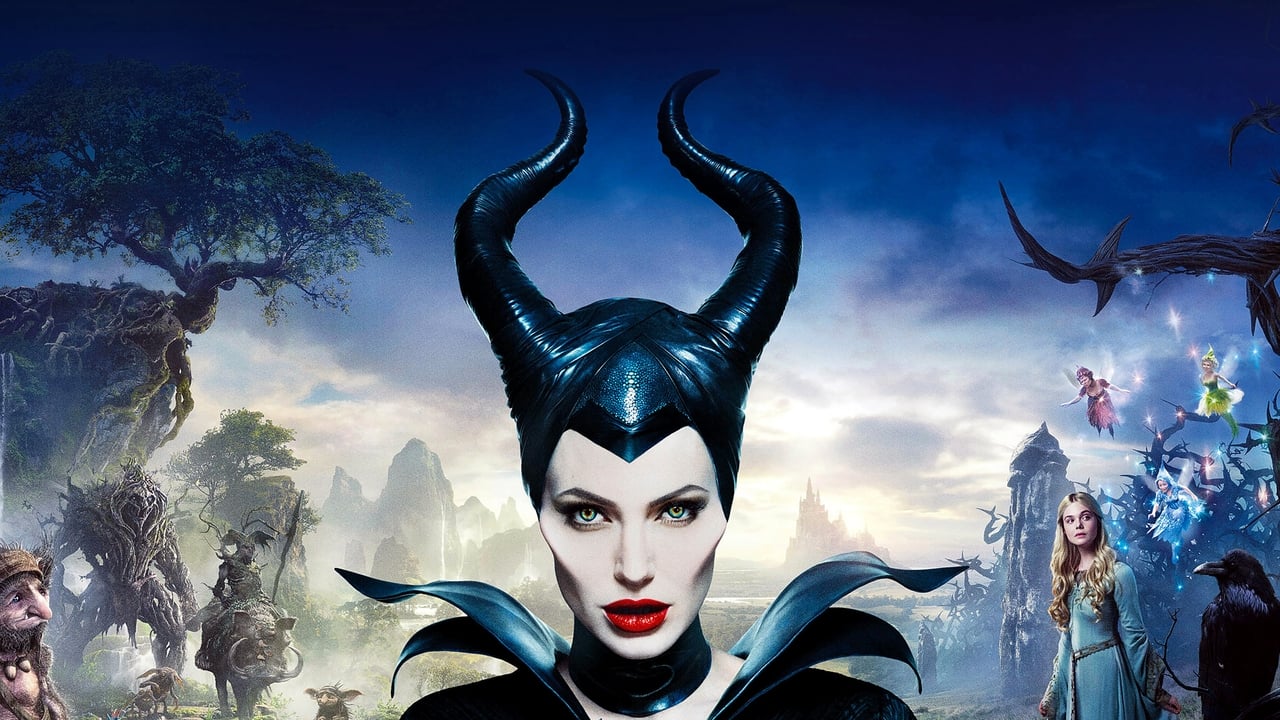
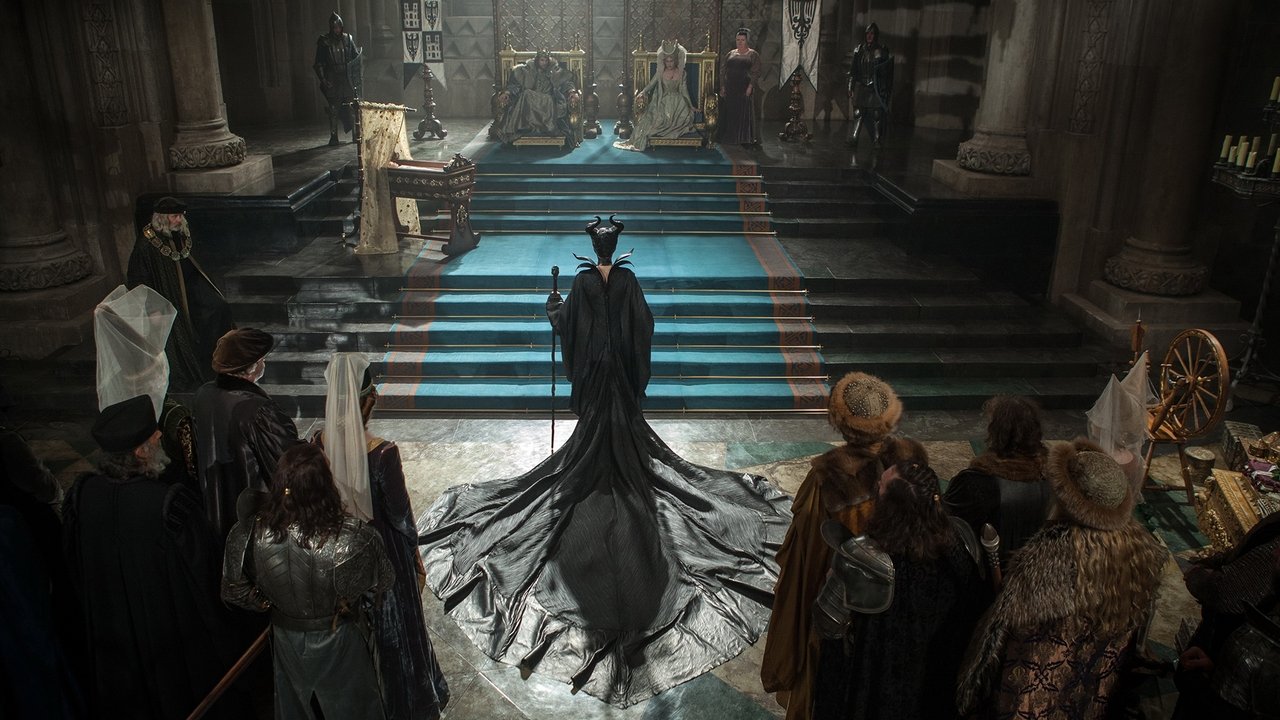
Because Robert Stromberg came from the world of production design, the film looks like a concept art book come to life. This was the peak of the "digital backlot" era. While films like Peter Jackson’s The Lord of the Rings balanced practical sets with digital sorcery, Maleficent leans heavily into the Weta-fueled CGI revolution. The Moors—the magical forest where Maleficent lives—are a neon-soaked, bioluminescent playground that feels like a cousin to Pandora.
The action reflects this digital shift. The opening battle, where Maleficent takes on an army of armored soldiers, is choreographed with a soaring, kinetic grace. It’s not the gritty, mud-and-blood combat of Gladiator; it’s something more ethereal. Maleficent doesn't just fight; she dominates the environment. I particularly loved the use of her wings (before they're cruelly stolen)—the way they move feels heavy and biological, a testament to how far motion capture and digital physics had come by the mid-2010s.
However, the film occasionally trips over its own digital shoelaces. Imelda Staunton, Lesley Manville, and Juno Temple play the three pixies, and frankly, those hovering, big-headed CGI fairies are the stuff of sleep paralysis demons. They represent that awkward middle ground of 2014 tech where the "uncanny valley" was still very much a valley you could fall into and never climb out of.
Subverting the True Love Trope
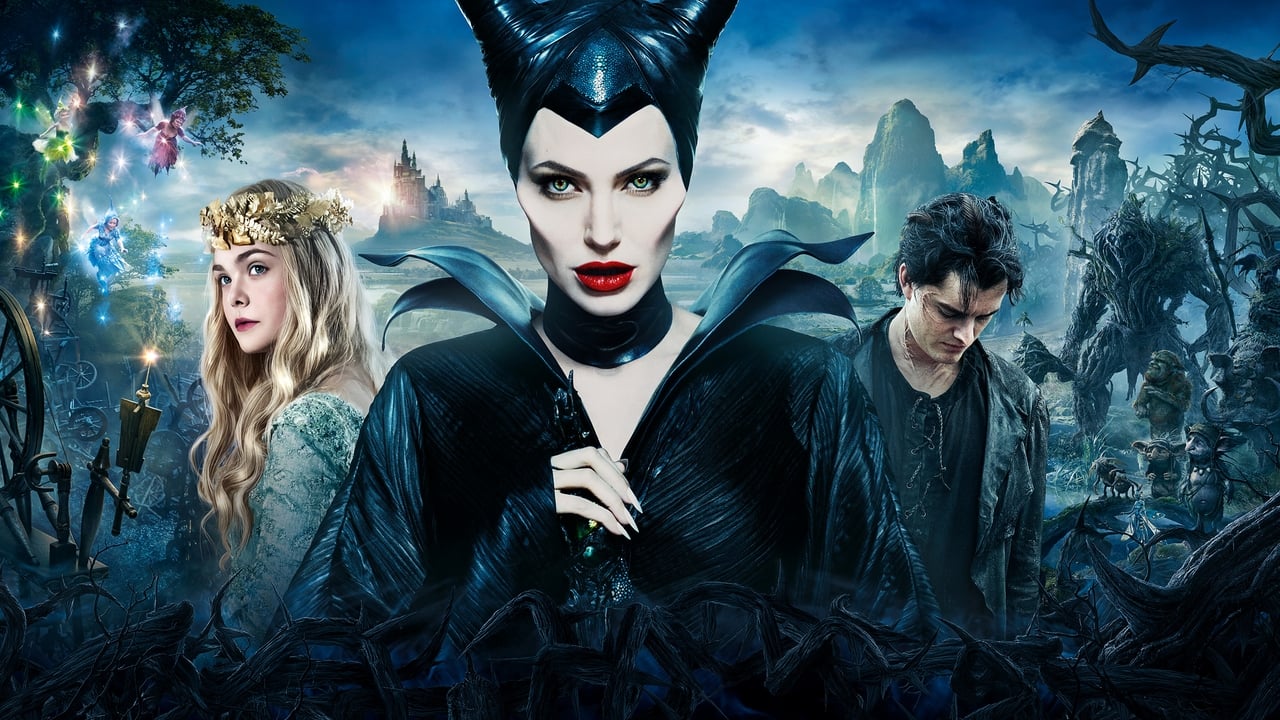
The screenplay by Linda Woolverton (who also wrote the 1991 Beauty and the Beast) makes a bold choice that mirrors Frozen, which had come out just a year prior. It tosses "True Love’s Kiss" from a handsome prince into the trash can. Brenton Thwaites plays Prince Phillip as a literal decorative object—he’s just there because the script says a prince should be there.
Instead, the heart of the film is the relationship between Maleficent and Elle Fanning’s Princess Aurora. Fanning is a ray of pure, unadulterated sunshine, and she’s the perfect foil to Jolie’s sharp edges. The "stalker godmother" dynamic they develop is actually quite touching. Apparently, the production had to hire Jolie’s real-life daughter, Vivienne Jolie-Pitt, to play toddler Aurora because every other child actor was absolutely terrified of Jolie in her horns and contact lenses.
Looking back, Maleficent was a massive gamble. With a budget of $180 million, it was a high-stakes play on a "dark" fairy tale. It paid off to the tune of over $750 million, proving that audiences were hungry for female-led spectacles, even if the plot was a bit thin in the middle. It captured that post-9/11 cinematic anxiety where heroes are flawed, and the "happily ever after" has to be earned through personal healing rather than just killing a dragon.
Maleficent is a gorgeous, if slightly uneven, star vehicle that proves Angelina Jolie can carry a movie on the strength of a single arched eyebrow. While the side characters are mostly forgettable and the CGI fairies are haunting for all the wrong reasons, the central reimagining of the "villain" holds up surprisingly well. It’s a fascinating snapshot of the moment Disney decided to stop looking forward and started looking into the mirror, asking who the fairest (and most profitable) of them all really was. It’s a visual treat that works best if you don't think too hard about the logistics of iron-allergic fairies.
Keep Exploring...
-
Maleficent: Mistress of Evil
2019
-

Puss in Boots
2011
-
How to Train Your Dragon 2
2014
-
Alice in Wonderland
2010
-
Shrek 2
2004
-

Night at the Museum
2006
-
Night at the Museum: Battle of the Smithsonian
2009
-
Brave
2012
-
Rise of the Guardians
2012
-
Pokémon: The First Movie
1998
-

Wizards of Waverly Place: The Movie
2009
-
Avatar
2009
-
How to Train Your Dragon
2010
-
Shrek Forever After
2010
-

The Twilight Saga: Eclipse
2010
-
The Twilight Saga: Breaking Dawn - Part 1
2011
-
The Hobbit: An Unexpected Journey
2012
-

The Twilight Saga: Breaking Dawn - Part 2
2012
-

Frozen
2013
-

The Hobbit: The Desolation of Smaug
2013