Maps to the Stars
"Hollywood is a haunted house with better lighting."
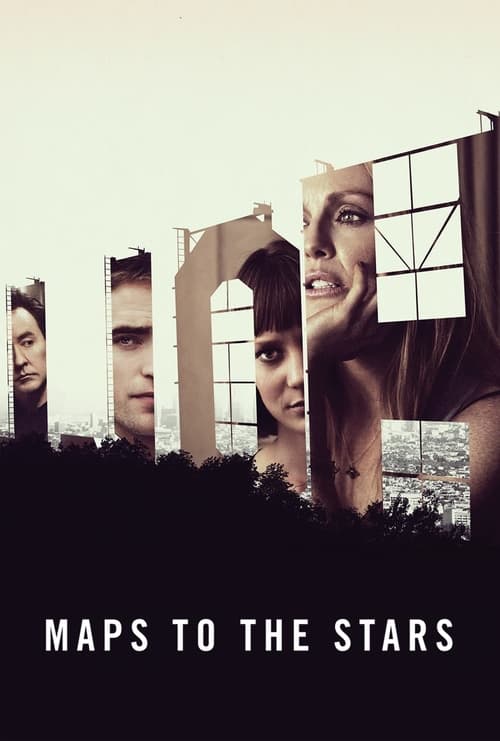
Most movies about Hollywood are either glowing love letters or cautionary tales that still, somehow, make the "industry" look glamorous even in its grit. Then there’s David Cronenberg’s Maps to the Stars. This film doesn’t just bite the hand that feeds it; it tries to take the whole arm off at the shoulder. Released in 2014, right as the film industry was fully settling into its sleek, digital, post-DVD identity, it felt like a cold splash of water to a face that had just had too much Botox.
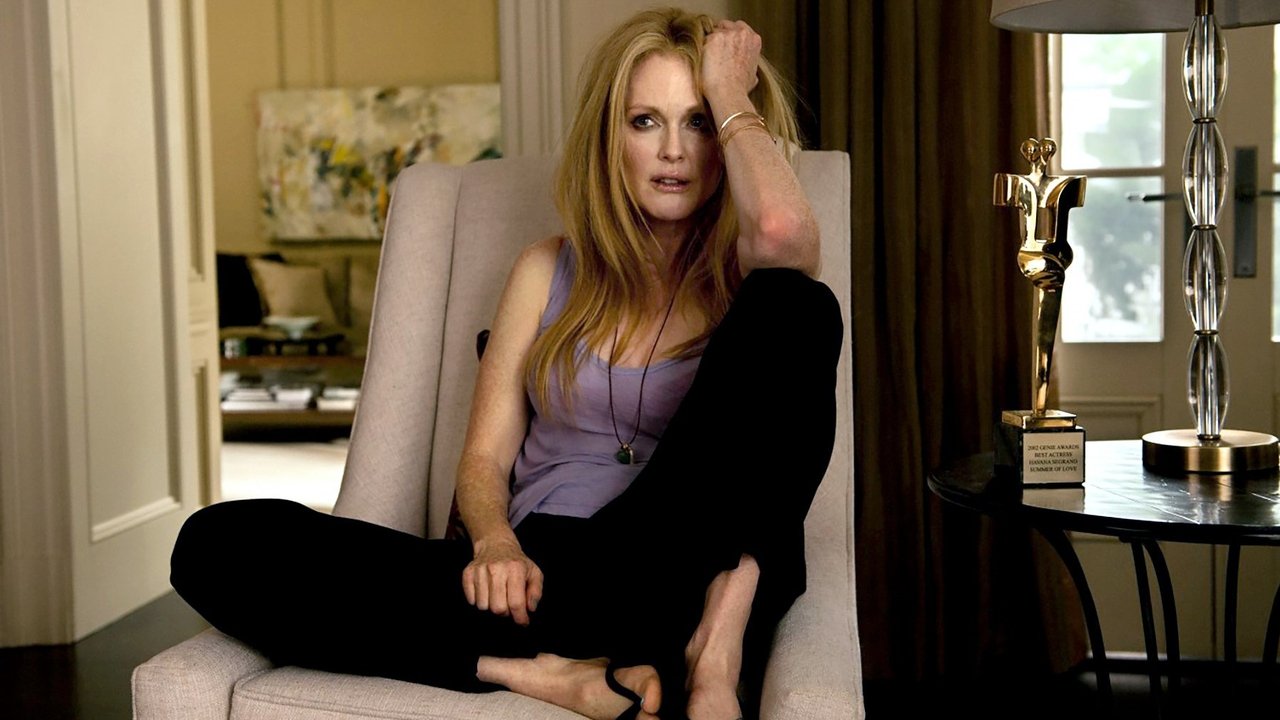
I remember watching this on a Tuesday night while trying to fix a leaky kitchen faucet, and let me tell you, Julianne Moore’s frantic energy made my plumbing issues feel like a day at the spa. There’s something uniquely unsettling about a Cronenberg drama. It lacks the "body horror" of his early work like The Fly (1986), but the psychological gore here is just as messy.
The Family Business of Ghosts
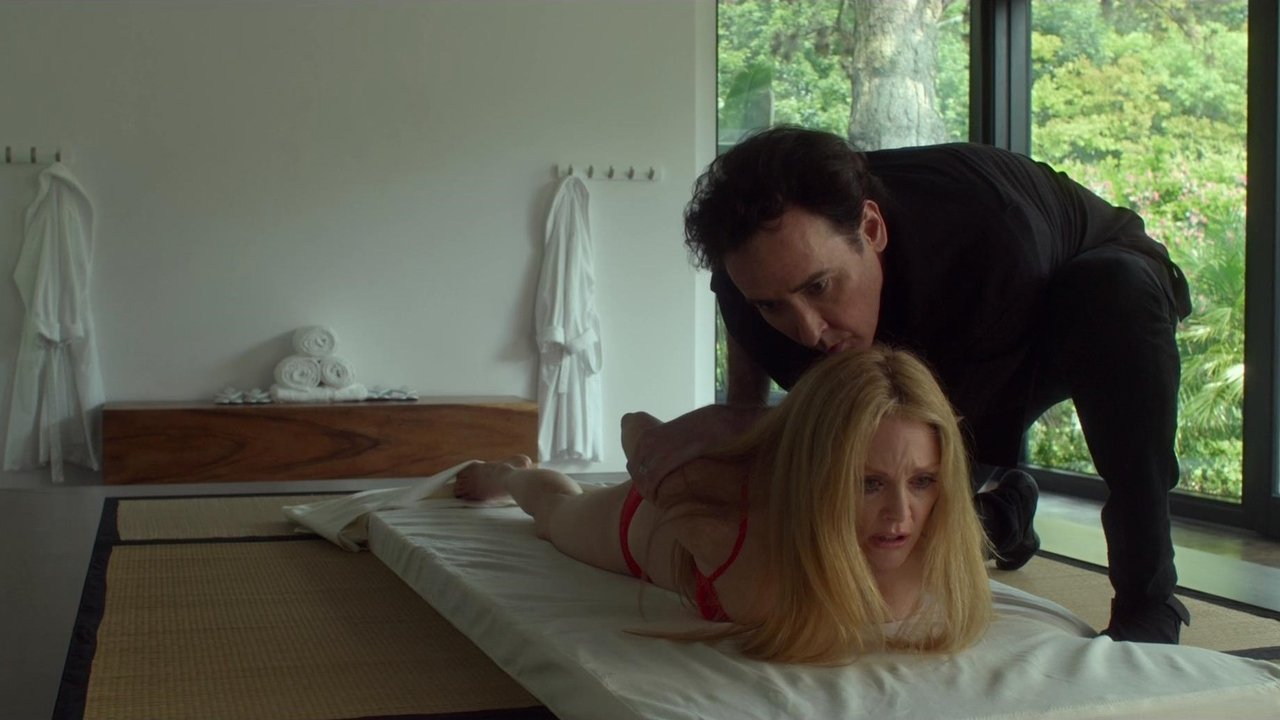
At the heart of the wreckage is the Weiss family. John Cusack (who I still struggle to see as anyone other than the guy with the boombox in Say Anything) plays Dr. Stafford Weiss, a "TV psychologist" and massage therapist to the stars who radiates a very specific kind of West Coast insincerity. His wife, Cristina (Olivia Williams), manages the career of their son, Benjie (Evan Bird), a thirteen-year-old superstar who has just finished a stint in rehab and is already vaping like a Victorian chimney sweep.
The family is a pressure cooker of narcissism, but the lid starts to rattle when Agatha (Mia Wasikowska) arrives in town. Sporting heavy burn scars and elbow-length black gloves, Agatha is the "long-lost" sister who has been institutionalized for years. She’s the literal ghost of the family's past, and her arrival acts like a chemical reagent, making everyone around her react with increasing volatility. Wasikowska plays her with a quiet, terrifying stillness—a sharp contrast to the high-frequency screeching of everyone else in the zip code.
Julianne Moore’s Controlled Chaos
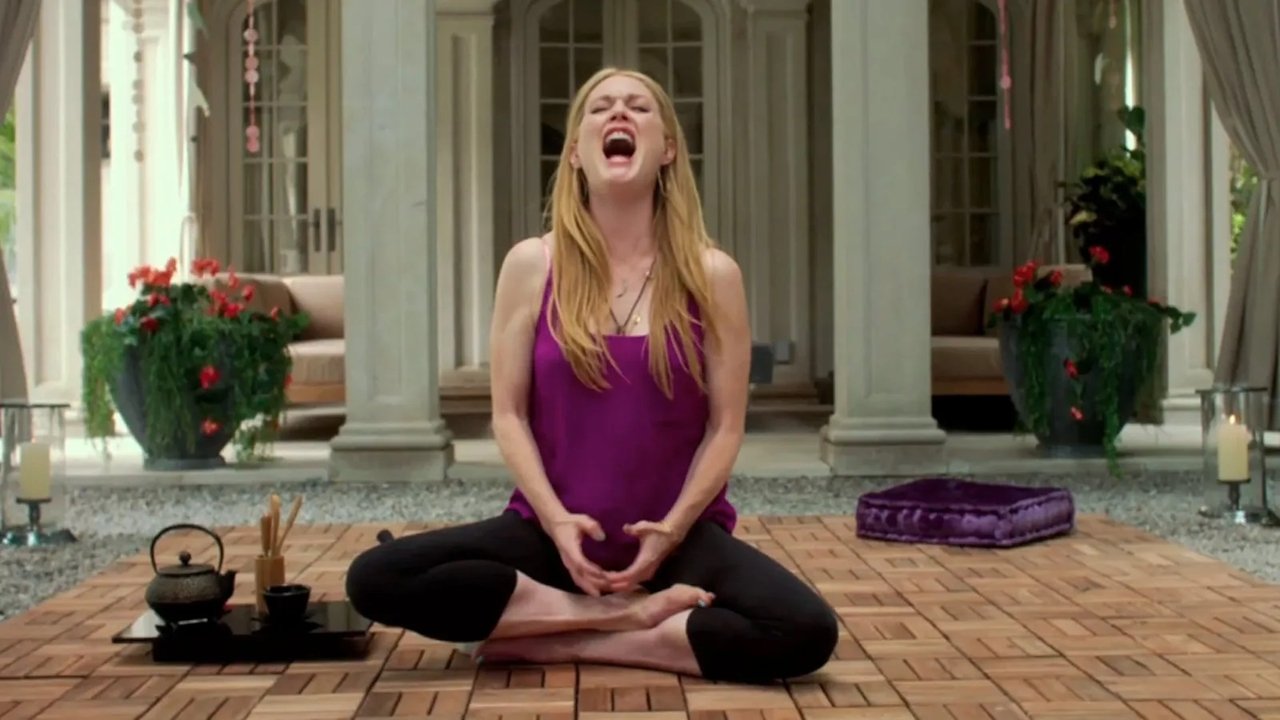
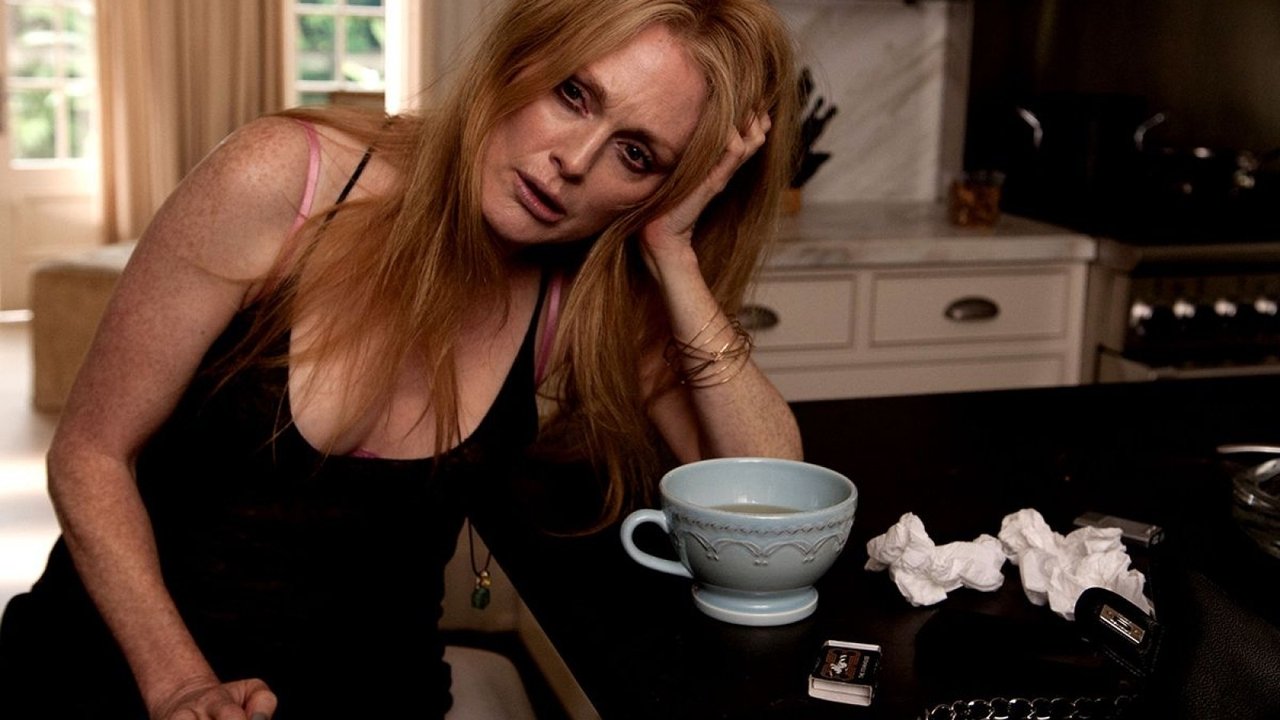
If there is a reason to seek out this often-overlooked film, it is Julianne Moore. Playing Havana Segrand, an aging actress desperate to land a role in a remake of a film her famous, deceased mother once starred in, Moore is absolutely fearless. She won Best Actress at Cannes for this, and it’s easy to see why. She plays this role with the grace of a starving hyena, swinging from manic joy to soul-crushing insecurity in a single take.
There is a scene involving a bathroom and some very frank discussions about aging that reminded me why I prefer her over almost any other living actor; she has zero vanity. Havana is haunted—literally—by the ghost of her mother (played by Sarah Gadon), who appears as a shimmering, judgmental vision. It’s a drama that uses supernatural tropes to explain the trauma of growing up in a spotlight that never turns off.
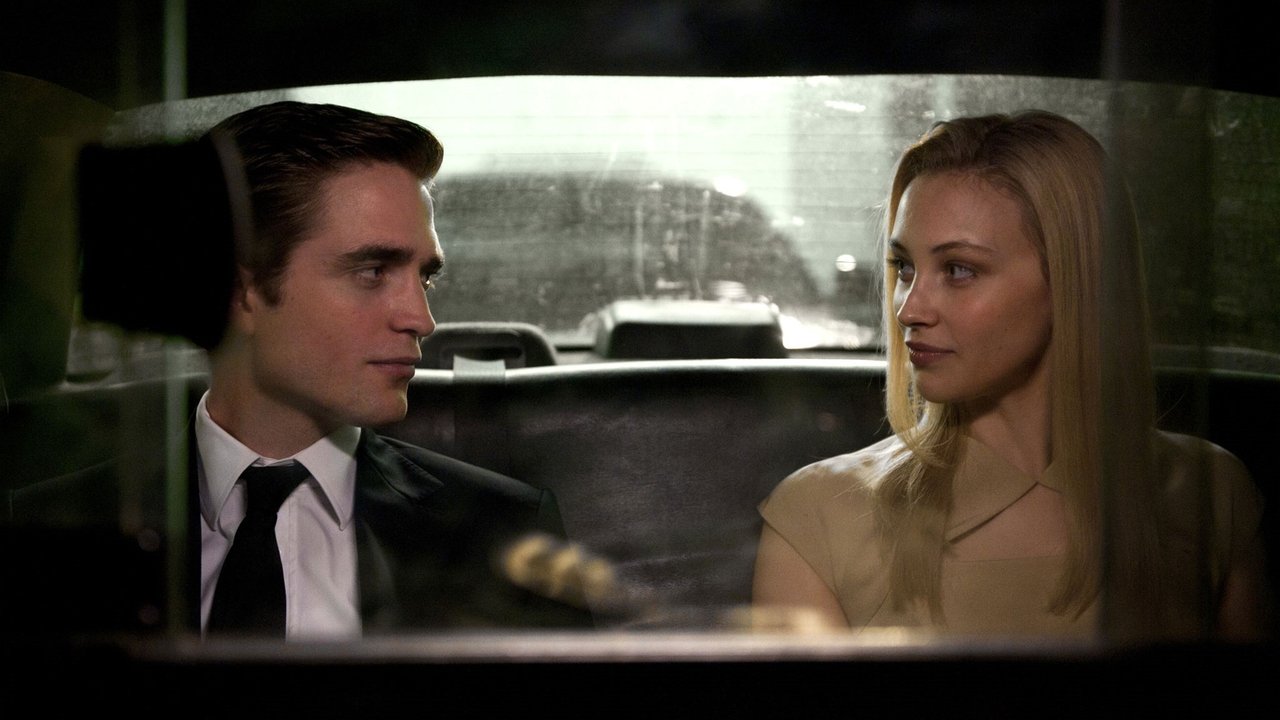
We also get Robert Pattinson as Jerome, a limo driver and aspiring actor/screenwriter. This was his second collaboration with Cronenberg after Cosmopolis (2012), and you can see him actively shedding his "teen heartthrob" skin. He’s the closest thing the movie has to an audience surrogate, though even he is eventually revealed to be just another cog in the fame-hungry machine.
Why it Vanished into the Digital Void
Despite the star power, Maps to the Stars barely made a dent at the box office, clawing back less than $5 million on a $15 million budget. It’s a "forgotten" film mostly because it’s deeply cynical. In an era where audiences were starting to prefer the comfort of the MCU or the high-concept polish of Interstellar (also 2014), a movie about Hollywood siblings committing incest and child stars being monsters was a hard sell.
The film looks like 2014 in the most clinical way possible. Shot by Peter Suschitzky on digital, it has a sharp, almost antiseptic brightness. There’s no film grain to hide the ugliness; the high-definition cameras make the expensive mansions look like luxurious morgues. It captures that specific transition period where Hollywood was moving away from the "indie" grit of the 90s and into a highly controlled, corporate-curated aesthetic.
Interestingly, the script by Bruce Wagner had been floating around since the 90s. It was originally intended for a different era, but Cronenberg’s decision to film it in the mid-2010s gave it a prophetic edge. It feels like the script was soaked in battery acid for twenty years before they finally rolled the cameras. It captures the "post-fame" anxiety of the social media age just as it was truly beginning to explode.
Maps to the Stars isn't a "fun" watch, but it is a fascinating one for anyone who likes their drama with a side of bile. It’s a reminder that Cronenberg doesn’t need exploding heads to make you uncomfortable; he just needs a family dinner and a few secrets. If you can handle the bleakness, the performances from Moore and Wasikowska make it a journey worth taking through the darker side of the Hollywood map. Just don't expect a souvenir at the end.
Keep Exploring...
-
Cosmopolis
2012
-
Crash
1996
-
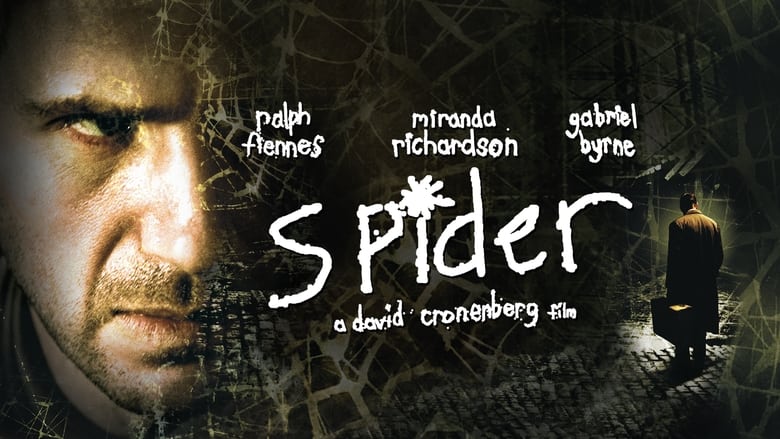
Spider
2002
-
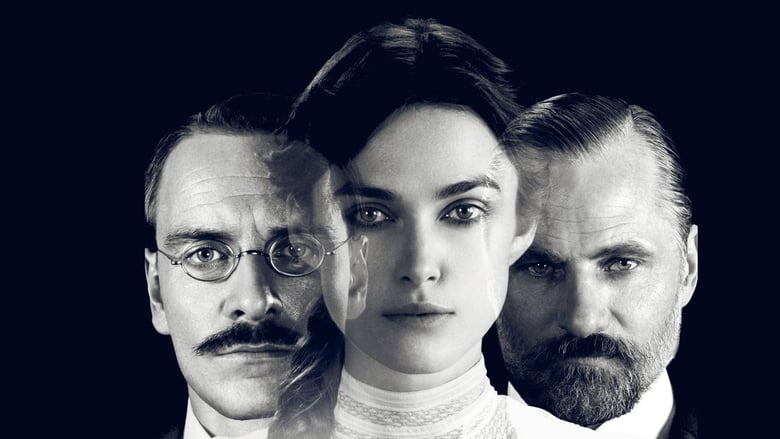
A Dangerous Method
2011
-
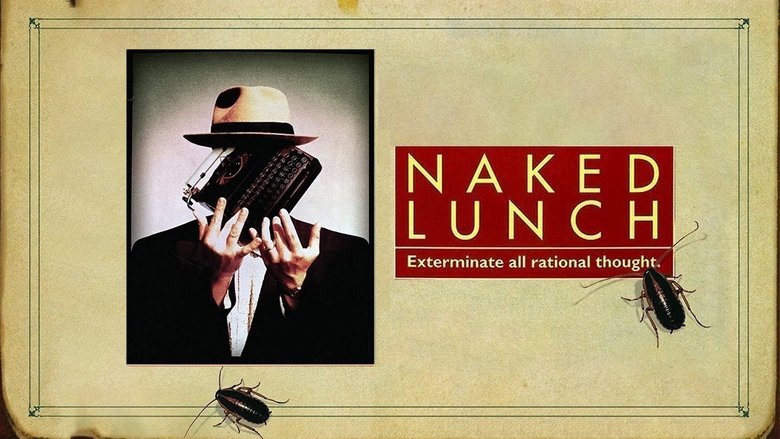
Naked Lunch
1991
-

A History of Violence
2005
-
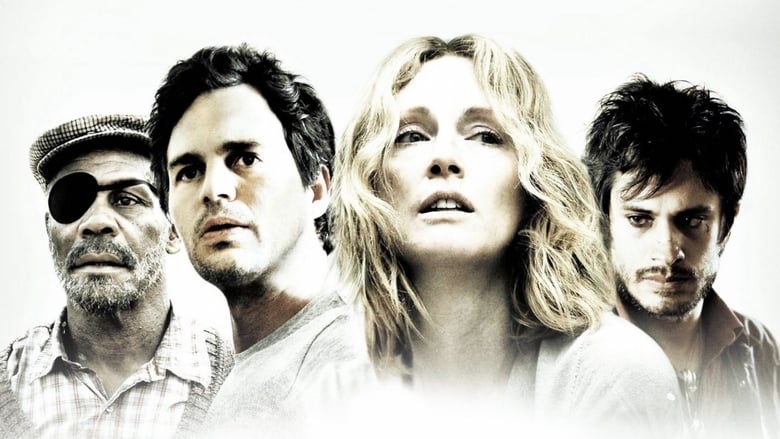
Blindness
2008
-
The Forgotten
2004
-
An Education
2009
-
Sabotage
2014
-

The Rover
2014
-
The Kids Are All Right
2010
-
The Young and Prodigious T.S. Spivet
2013
-
Brick Mansions
2014
-
Crimes of the Future
2022
-

The Double
2014
-
Bad Lieutenant: Port of Call - New Orleans
2009
-
Crazy Heart
2009
-
Everybody's Fine
2009
-
Harry Brown
2009