Marshland
"Evil hides in the silt of transition."

The first thing you notice about Marshland (La isla mínima) isn't the murder or the mystery; it’s the sense of total, suffocating disorientation. Those opening aerial shots of the Guadalquivir marshes look less like a landscape and more like a biological diagram—fractal veins of water cutting through salt flats and mud, resembling the neural pathways of a brain or the wrinkled skin of an ancient beast. It’s a perspective that suggests God is watching, but He’s certainly not helping.
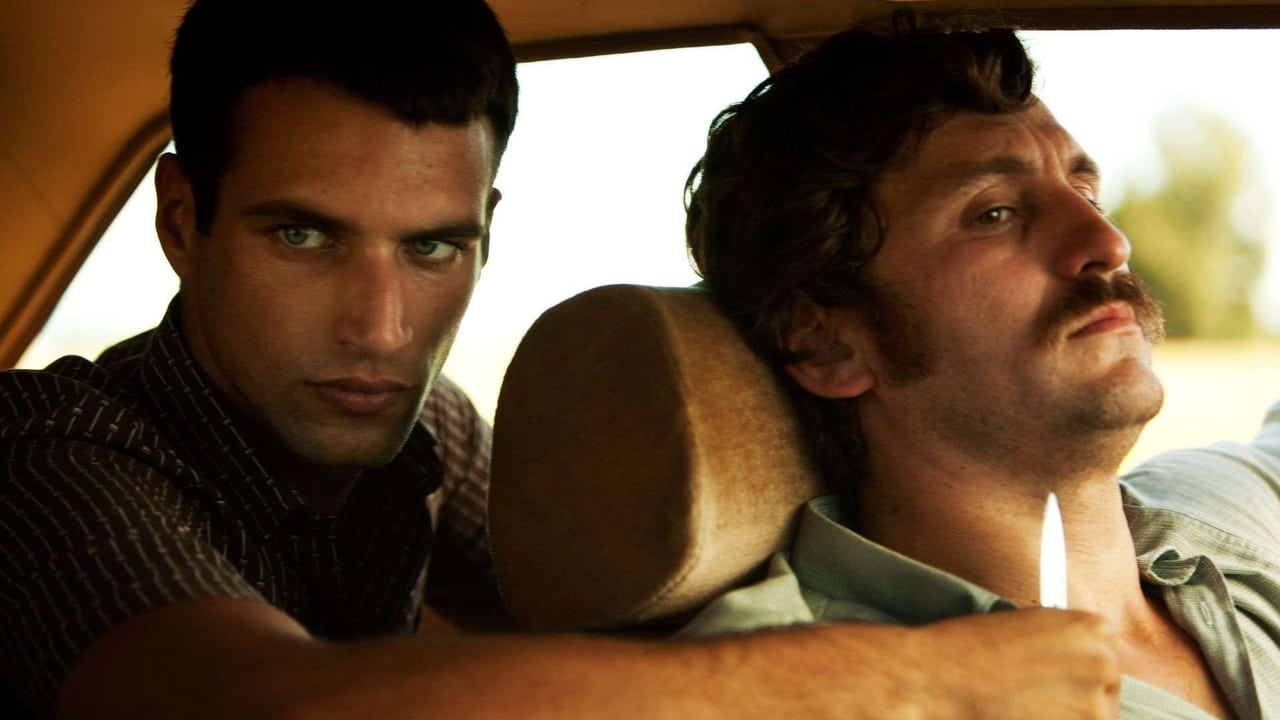
I watched this film on a Tuesday night while battling a mild case of food poisoning from a questionable shrimp taco, and honestly, the physical queasiness only heightened the experience. There is a "wetness" to this movie—a damp, humid rot—that you can almost feel in your joints.
Shadows of the Transition
Set in 1980, the film places us in a Spain that is technically a democracy but still smells of the Dictatorship. Franco is dead, but his ghosts are still drawing salaries and carrying badges. This isn't the sun-drenched, touristy Spain of your summer vacation; this is the "Deep South," a forgotten, stagnant world of rice paddies and forgotten people.
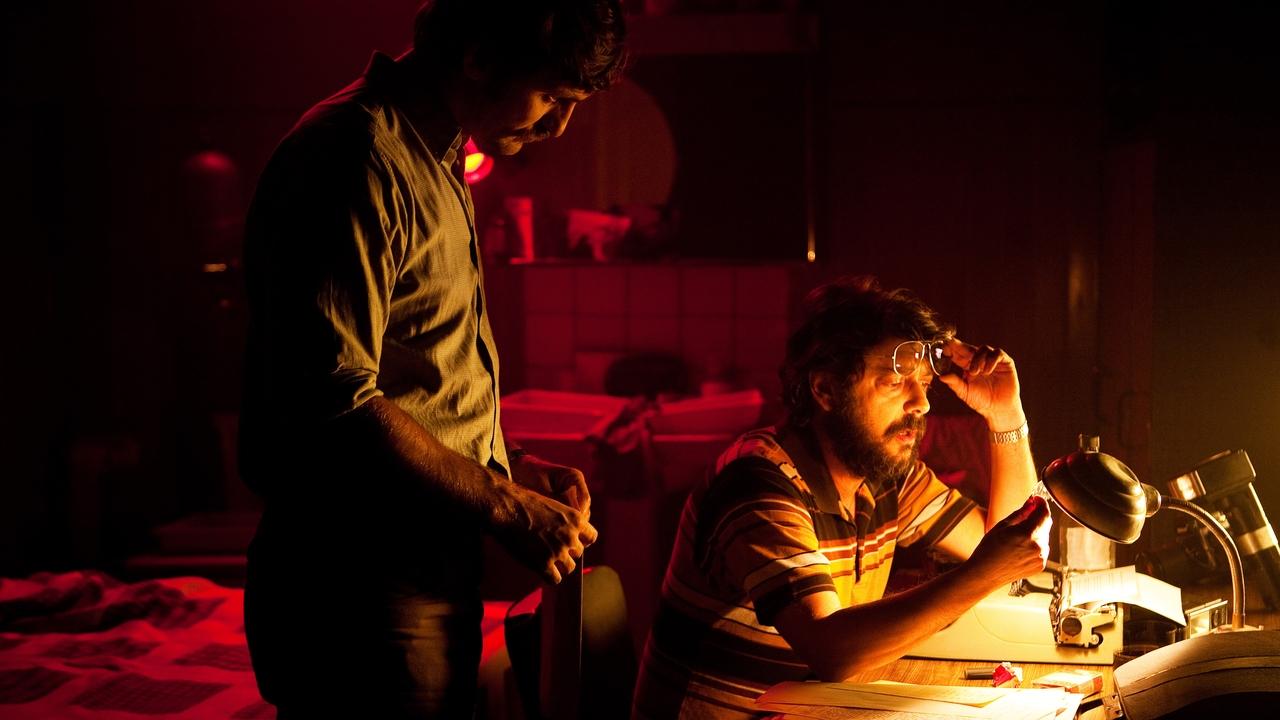
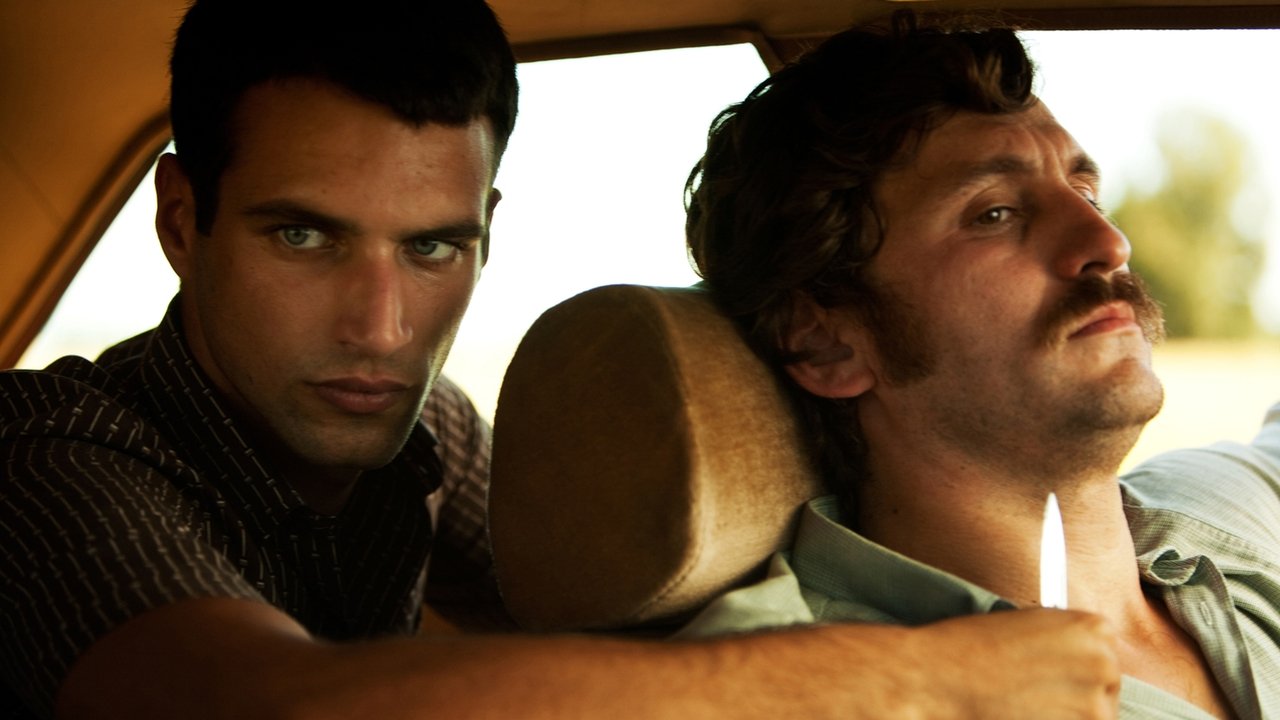
Our leads are the classic "odd couple," but stripped of any buddy-cop levity. Raúl Arévalo plays Pedro, the young, idealistic detective who’s been "exiled" to this backwater for his political outbursts. Opposite him is Javier Gutiérrez as Juan, an older, cynical veteran with a stomach ulcer and a past that suggests he was once a very efficient tool for a very brutal regime.
Javier Gutiérrez is a revelation here. He has this weary, bulldog face that masks a terrifying capacity for violence. The chemistry between the two isn't about friendship; it’s about a shared, gritting-teeth necessity to find out who is kidnapping and mutilating adolescent girls. Watching them navigate the local power structures—landowners who treat the peasants like feudal property—is like watching a slow-motion car crash where you can’t look away.
A Landscape That Swallows You Whole
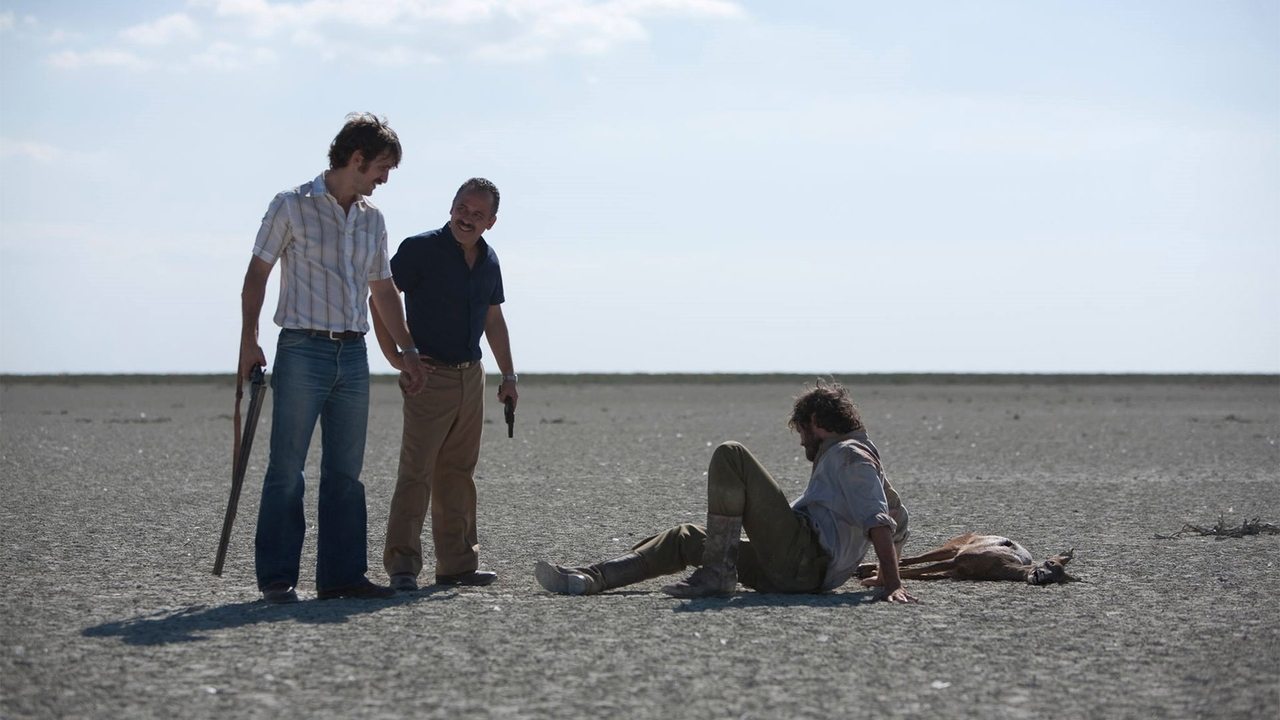
Director Alberto Rodríguez has essentially created the cinematic equivalent of finding a dead body in a scenic postcard. While many critics at the time lazily called this "the Spanish True Detective," the comparison does the film a disservice. Rodríguez had been developing this project long before Rust Cohle ever picked up a Lone Star can. The inspiration actually came from a 2000 photography exhibition by Atín Aya, whose black-and-white portraits of the marsh residents captured a world that time had simply abandoned.
The production budget was a modest $4 million, which is "indie lunch money" by Hollywood standards, but Rodríguez and his cinematographer Alex Catalán make it look like a prestige epic. Because they couldn't afford massive set pieces, they leaned into the natural hostility of the environment. Apparently, the crew had to deal with genuine plagues of mosquitoes and the constant threat of vehicles sinking into the mud. That frustration is right there on the screen. When characters look miserable and sweaty, it’s because they probably were.
The film manages to be a procedural that cares more about the "why" and the "where" than the "who." It’s an indie gem that succeeded because it refused to play by the rules of the sleek, digital thrillers of the early 2010s. It felt analog, tactile, and dangerously heavy. It swept the Goya Awards (Spain’s Oscars) for a reason: it captured a national trauma through the lens of a pulp thriller.
The Ghosts in the Room
There’s a specific kind of dread in Marshland that stems from its refusal to offer easy moral high ground. We want to root for Pedro, but his idealism is constantly eroded by the reality of the marshes. We want to hate Juan, but the film keeps making us root for a guy who probably has a torture kit in his trunk. This ambiguity is where the drama really lives.
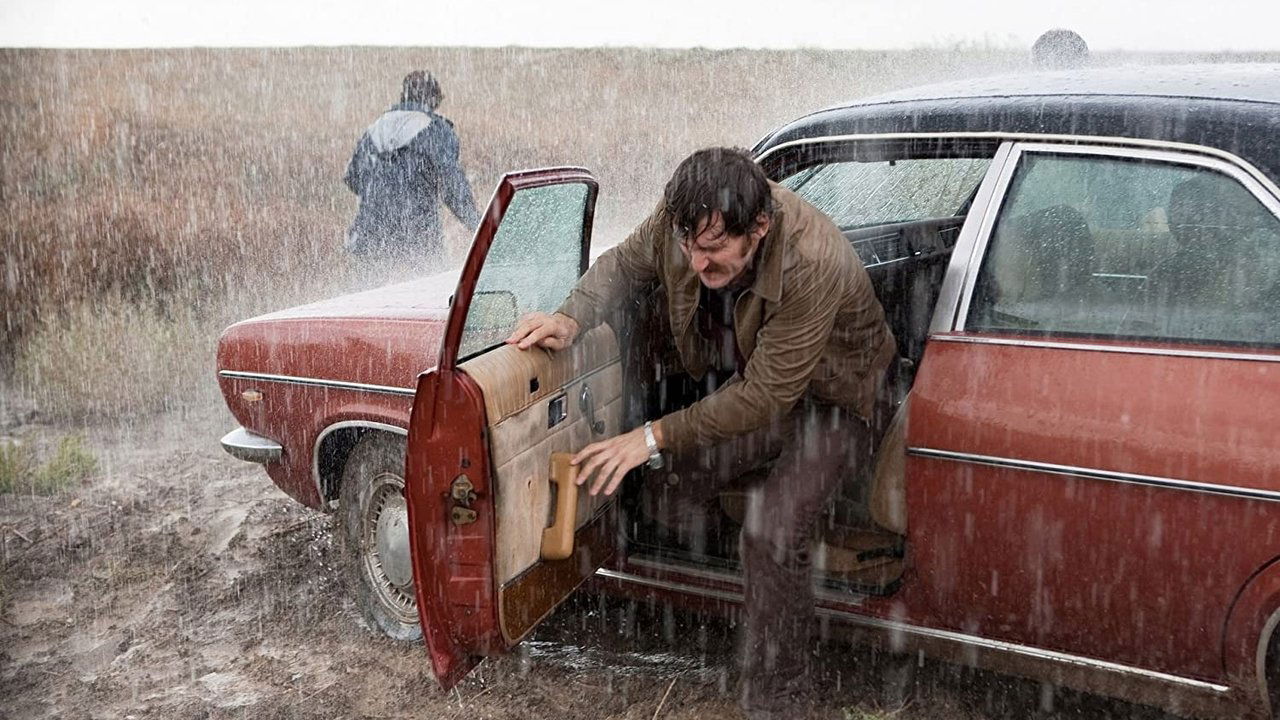
The supporting cast, including a brief but haunting turn by Antonio de la Torre as a grieving father, adds layers of textured grief to the story. Even the smaller roles, like Nerea Barros as the mother of the missing girls, feel like they have decades of unwritten history behind their eyes. These aren't just characters; they are people who have learned that silence is the only way to survive.
Looking back at the 2014 landscape, Marshland stands out as a peak example of how regional cinema can take a "universal" genre—the serial killer hunt—and make it feel entirely specific and alien. It’s a film about a country trying to move forward while its feet are still stuck in the blood-soaked mud of the past. It’s intense, it’s grim, and it’s arguably one of the most visually stunning thrillers of the 21st century.
Marshland is a masterclass in atmospheric pressure. It’s the kind of movie that lingers in your mind like a damp fog, making you question the foundations of the "civilized" world. If you can handle the bleakness and the subtitles, it’s a journey into the heart of darkness that earns every bit of its haunting conclusion. Just maybe avoid the shrimp tacos before you hit play.
Keep Exploring...
-
The Girl Who Kicked the Hornet's Nest
2009
-
The Secret in Their Eyes
2009
-
The Girl Who Played with Fire
2009
-
The Girl with the Dragon Tattoo
2009
-
The Girl with the Dragon Tattoo
2011
-

Blood and Bone
2009
-

The Man from Nowhere
2010
-
Undisputed III: Redemption
2010
-
The Raid
2012
-
The Raid 2
2014
-
The Crimson Rivers
2000
-
Primal Fear
1996
-
L.A. Confidential
1997
-
Arlington Road
1999
-
Infernal Affairs
2002
-
I'm Not Scared
2003
-
Mystic River
2003
-
Kiss Kiss Bang Bang
2005
-
Lucky Number Slevin
2006
-
Tell No One
2006