Need for Speed
"Real cars. Real stunts. Real revenge."
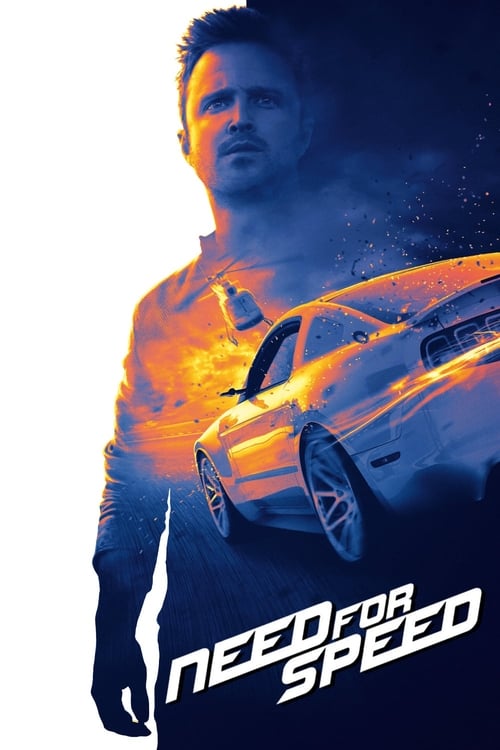
In 2014, the Fast & Furious franchise had already traded street racing for global espionage, flying tanks, and physics-defying skyscraper leaps. It was the era of the "unlimited budget digital spectacle," where if a car crashed, a thousand animators in a dark room made sure the shards of glass caught the light just right. Then along came Need for Speed, a movie that felt like it was picking a fight with the entire concept of the 21st-century blockbuster.
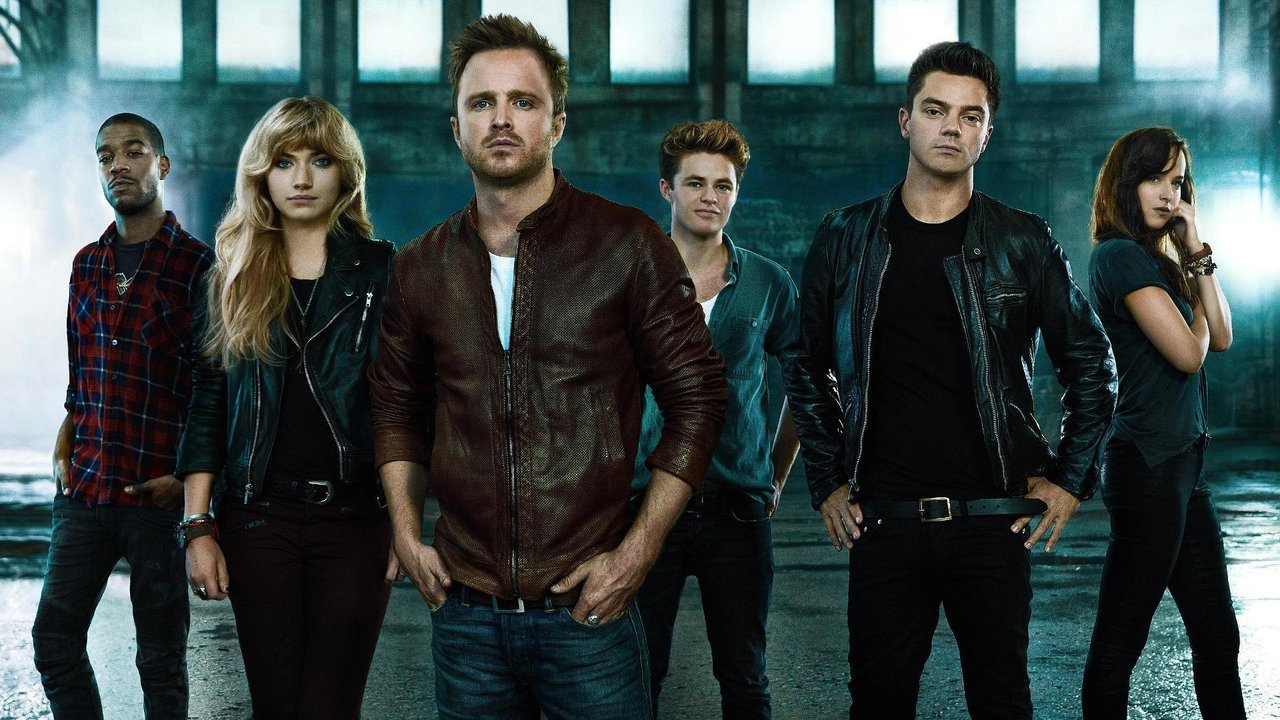
I remember watching this on a laptop while my cat kept trying to sit on the keyboard, which ironically added more physical stakes to the viewing experience than most modern Marvel movies provide. While everyone else was leaning into the "CGI revolution," director Scott Waugh—a former stuntman himself—decided to make a movie where the cars actually had to, you know, exist.
The Anti-CGI Manifesto
The most fascinating thing about Need for Speed looking back isn't the plot (which is essentially a "greatest hits" of every car movie made between 1970 and 1994). It’s the stubborn, almost prehistoric commitment to practical effects. In an age where digital doubles are the norm, Scott Waugh insisted that if a car was going to fly over three lanes of traffic, a real car was going to be launched off a real ramp.
This gives the film a weight that’s increasingly rare. When Aaron Paul’s Tobey Marshall slams a custom Mustang into a corner, you see the suspension struggle. You see the tires actually fighting the asphalt. The cinematography by Shane Hurlbut captures this with a grit that reminds me of Vanishing Point or The French Connection. They even used a modified Mustang as a camera car that could keep up with the supercars, meaning the "sense of speed" isn't a digital trick—it’s just a guy with a camera going 120mph. It’s a movie that smells like burnt rubber and desperation, and I mean that as a compliment.
A Leading Man in Low Gear

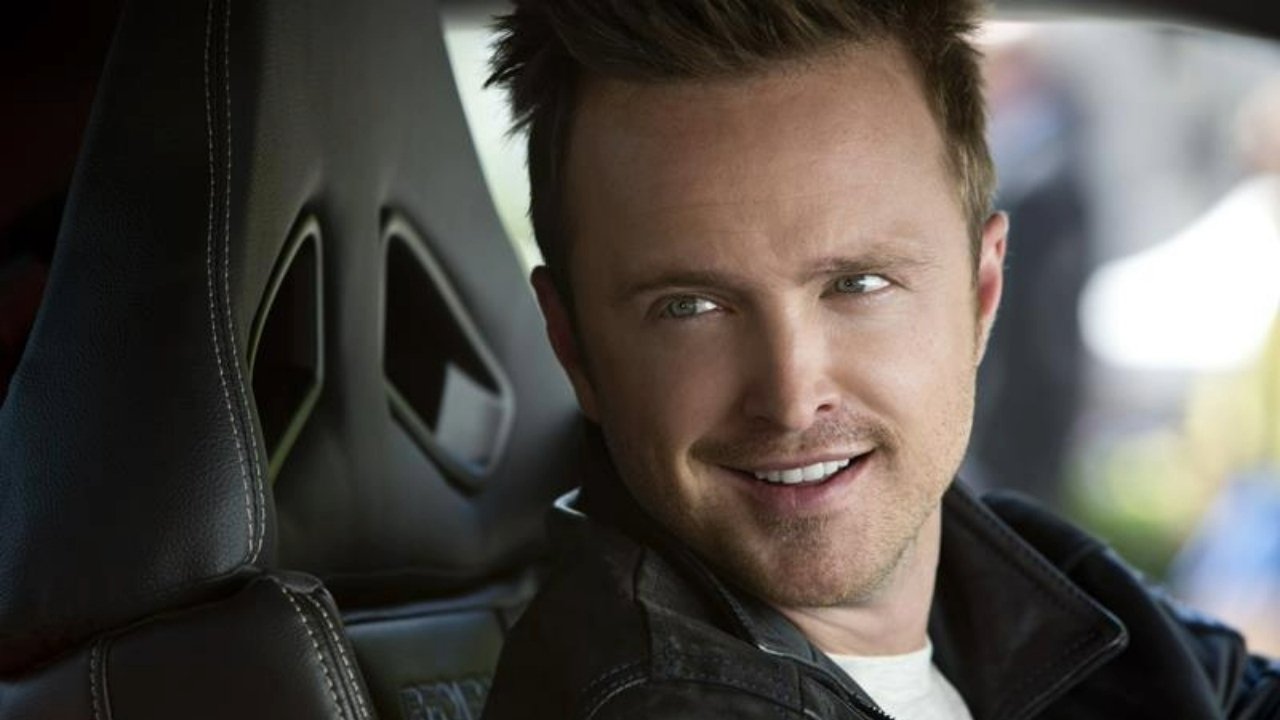
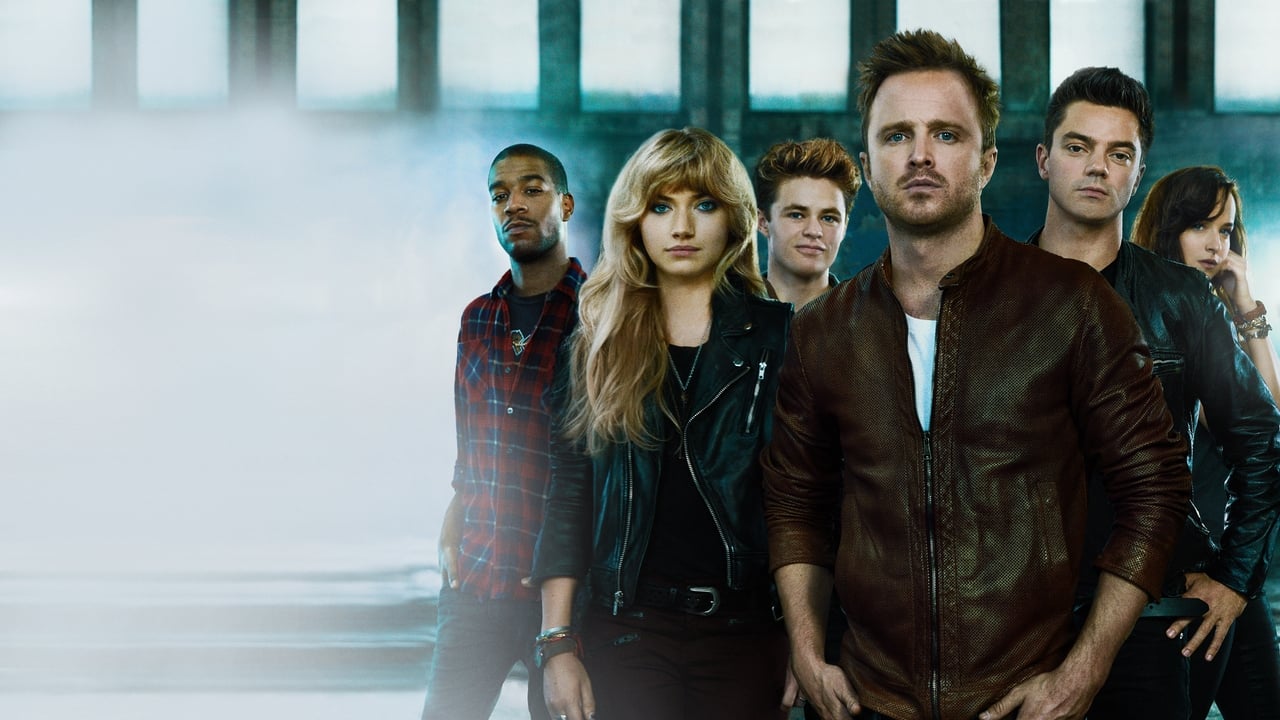
Fresh off his run as Jesse Pinkman, Aaron Paul was the "it" guy of 2014. Here, he plays Tobey Marshall with a permanent, gravelly-voiced smolder that suggests he’s either very focused or very constipated. He’s a local hero, a blue-collar guy trying to keep his garage afloat, who gets framed for a tragedy by the wealthy, sneering Dino Brewster (Dominic Cooper).
Cooper plays the villain with the kind of pantomime arrogance usually reserved for Disney princes who turn out to be jerks, and while it’s a bit one-note, it gives us a clear reason to want to see him wrapped around a telephone pole. The real surprise, though, is the chemistry between Paul and Imogen Poots, who plays Julia, the British car-broker forced to ride shotgun across the country. Poots brings a much-needed levity to the film; without her, the movie might have suffocated under its own "bro-seriousness."
And then there’s the supporting crew. Rami Malek (pre-Oscar, pre-Freddie Mercury) provides a weirdly hilarious moment involving office-place nudity, and Kid Cudi (as Benny) spends the whole movie stealing various aircraft to provide aerial reconnaissance. It’s absurd, yes, but it captures that "video game logic" without feeling like a literal adaptation of the pixels.
The Logistics of the Long Haul
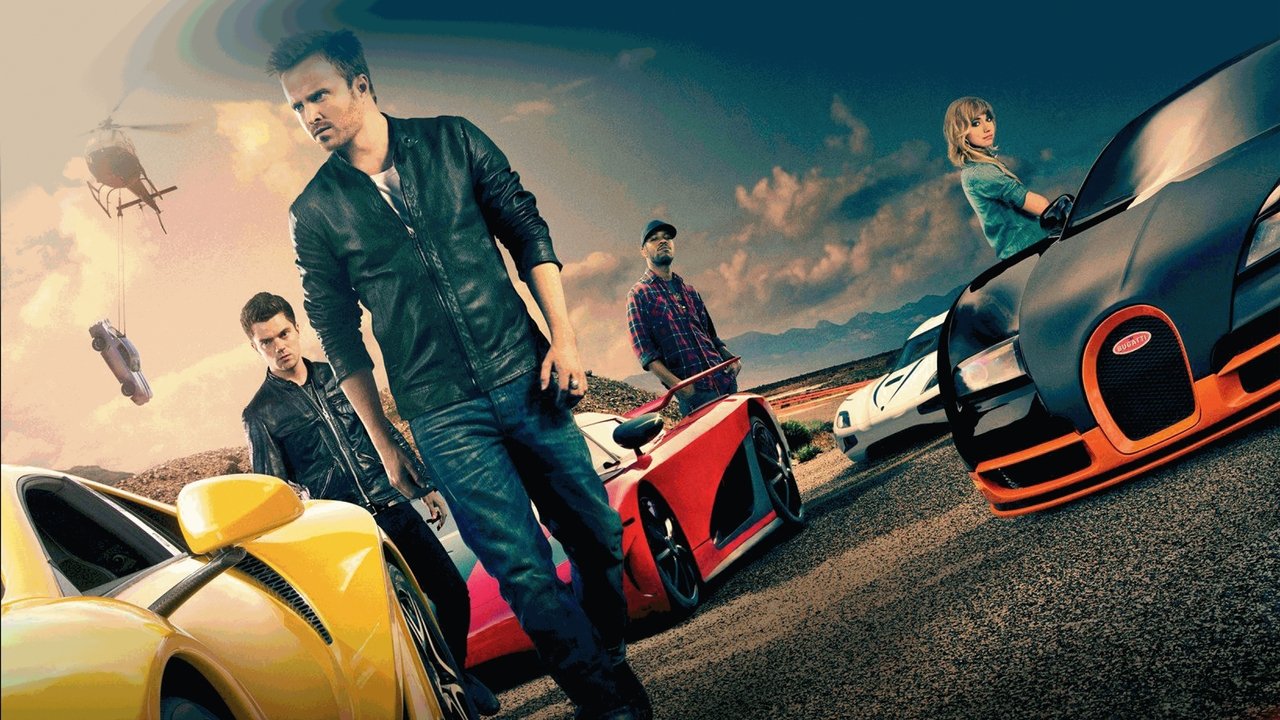
The plot is a cross-country sprint to reach "The De Leon," an underground winner-take-all race hosted by a mysterious podcaster named Monarch, played by Michael Keaton. Keaton is clearly having the time of his life, chewing more scenery than the cars do pavement. He’s the Greek Chorus of the movie, shouting into a microphone from a lonely room, and his energy helps bridge the gap between the long stretches of highway driving.
But let’s talk about the hardware. The film features a "greatest hits" of European engineering: the Koenigsegg Agera, the Lamborghini Sesto Elemento, the Bugatti Veyron. While most of these were high-end kit car replicas (you can't exactly wreck a $2 million car for a mid-movie stunt), they look and sound terrifyingly real. The sound design is a highlight; every downshift feels like a punch to the chest. It’s the kind of movie that makes you want to go out and get a speeding ticket immediately after the credits roll.
Looking back, Need for Speed was a commercial success—pulling in over $200 million—but it didn't launch the franchise DreamWorks was hoping for. It sits in that strange 2010s pocket of "recent but forgotten." It’s a film that arrived just as the industry was fully pivoting toward the "Connected Universe" model, yet it stands alone as a self-contained, high-octane revenge flick. It’s a movie that values a well-timed gear shift more than a coherent character arc, and honestly, on a Saturday night, that’s exactly what I’m looking for.
Need for Speed isn't going to win any awards for its screenplay, which is as thin as a coat of primer. However, as a showcase for stunt performers and practical filmmaking in the digital age, it’s an absolute blast. If you can overlook the melodrama and a few logic jumps—like how a guy with a bounty on his head can stop for snacks so often—you’ll find a beautifully shot, high-velocity throwback to a time when action felt physical. It’s the best movie ever made about a guy who really, really likes his car.
Keep Exploring...
-
Fast & Furious
2009
-
Jack Reacher
2012
-
xXx
2002
-
Dead Man Down
2013
-
Patriot Games
1992
-
In the Line of Fire
1993
-

The Net
1995
-
Vantage Point
2008
-
Gangster Squad
2013
-

Blood and Bone
2009
-
Faster
2010
-
Takers
2010
-
Batman: Year One
2011
-
Colombiana
2011
-
Contraband
2012
-

Get the Gringo
2012
-
Sabotage
2014
-

RED
2010
-
Fast Five
2011
-
Rise of the Planet of the Apes
2011