Nightcrawler
"The American Dream is a nocturnal predator."
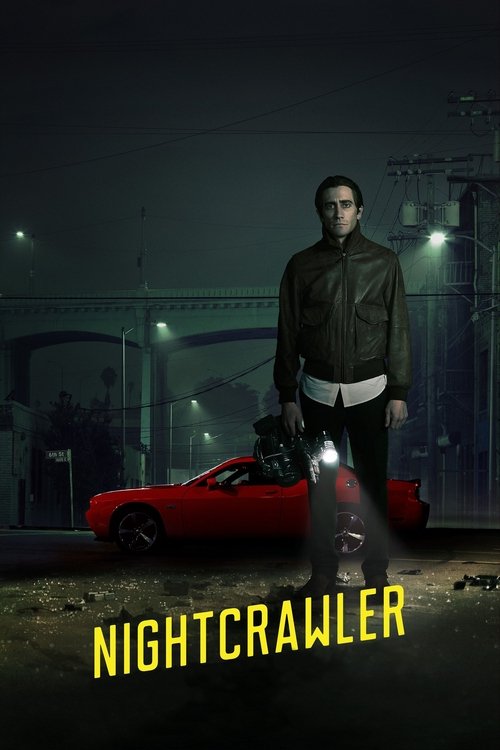
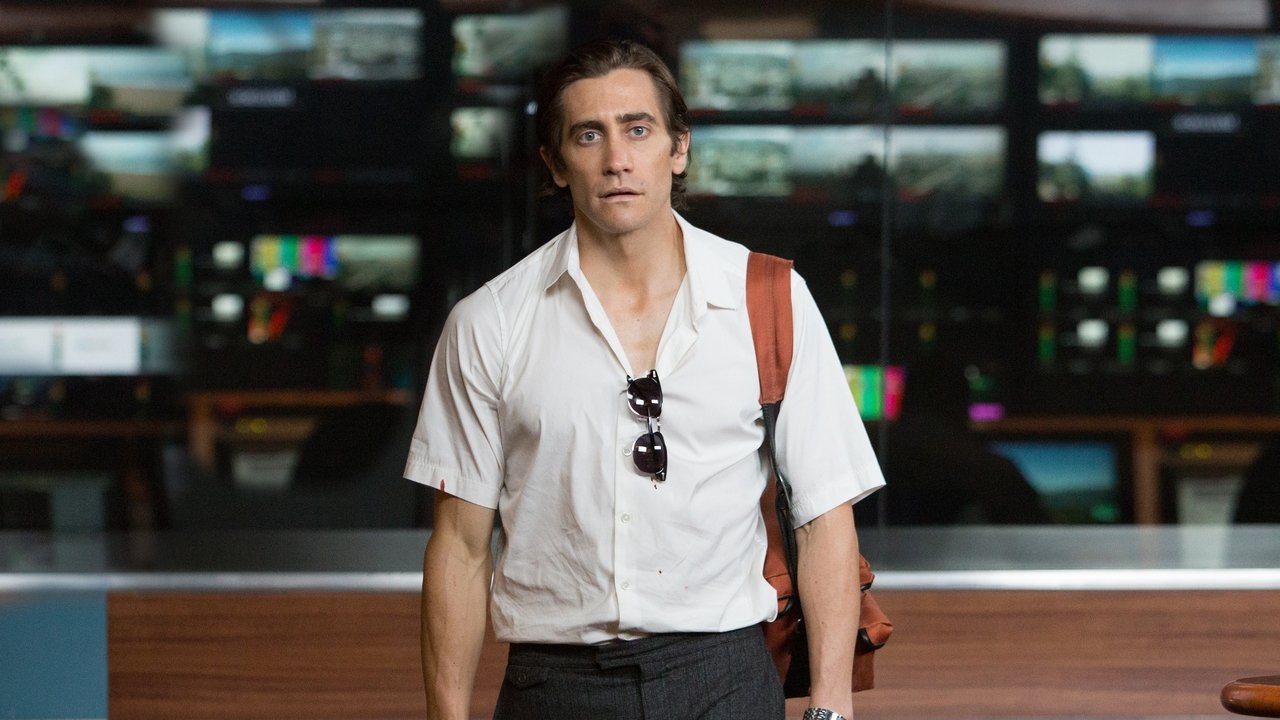
Louis Bloom doesn’t blink. He stares with the unblinking, aquatic intensity of a creature that evolved at the bottom of a trench where the sun never reaches. When we first meet him in Dan Gilroy’s Nightcrawler, he’s a scrap-metal thief with a polite, rehearsed cadence that sounds like he’s reading a self-help book aloud to a hostage. It’s a performance by Jake Gyllenhaal (Donnie Darko, Prisoners) that feels less like acting and more like a biological transformation. He lost twenty pounds for the role, giving his face a skeletal, hollowed-out look that makes his eyes pop like two poached eggs.
I watched this recently on a Tuesday night while my neighbor was loudly practicing the scales on a saxophone, and honestly, the discordant honking of the sax only added to the feeling of mounting urban dread.
The Coyote in the Concrete Jungle
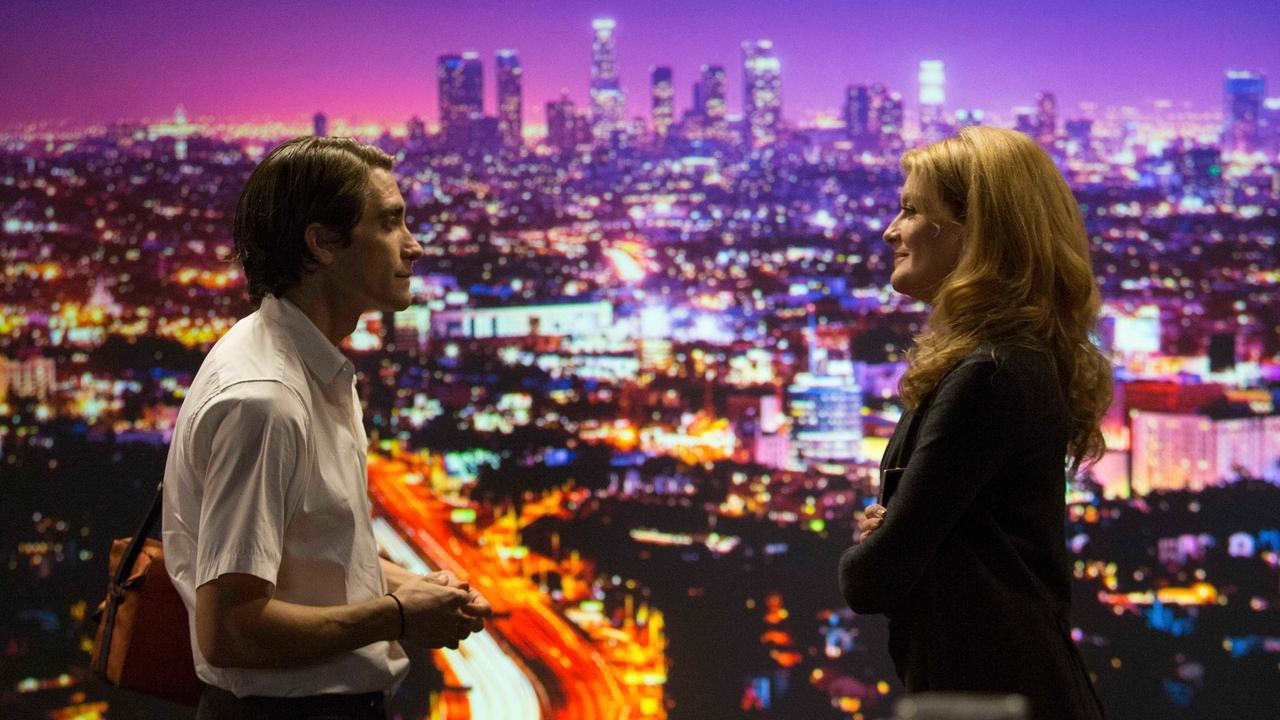
Released in 2014, Nightcrawler arrived at the tail end of a specific cinematic era where digital cinematography had finally moved past its "ugly" phase and into something sleek, oily, and terrifyingly sharp. Robert Elswit, the cinematographer who famously captured the scorched earth of There Will Be Blood, uses the digital format to turn Los Angeles into a neon-soaked wasteland. It’s a city that only looks alive when it’s bleeding.
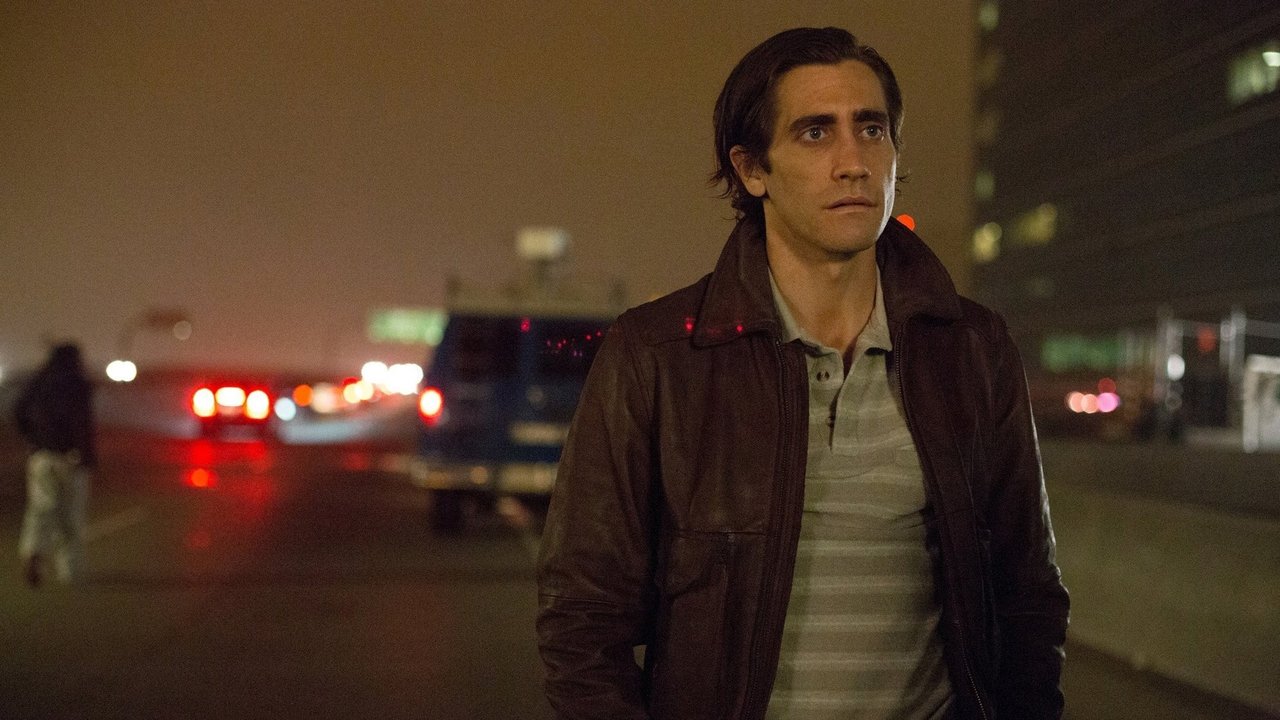
The plot is a dark inversion of the classic "pull yourself up by your bootstraps" narrative. Lou Bloom stumbles upon a car crash and watches "stringers"—freelance camera crews—descend on the wreckage to film the carnage for the morning news. Recognizing a market, Lou buys a camcorder and a police scanner. He isn't just a spectator; he’s a participant. He begins to move bodies, adjust lighting, and manipulate crime scenes to get the "perfect" shot.
Lou Bloom is the final boss of the gig economy, a man who has fully internalized the most sociopathic elements of corporate jargon to justify his own ghoulishness. He’s not a monster because he’s chaotic; he’s a monster because he’s so damn efficient.
A Textbook for the Modern Sociopath
While Gyllenhaal is the gravitational center, the film’s heart—and its primary victim—is Rick, played by a then-up-and-coming Riz Ahmed (The Sound of Metal). Rick is a homeless man Lou hires as an "intern" for thirty dollars a night. Their relationship is a harrowing look at power dynamics. Rick represents the human element, the person who still feels a pang of conscience when looking at a dying victim, while Lou sees only "framing" and "retail value."
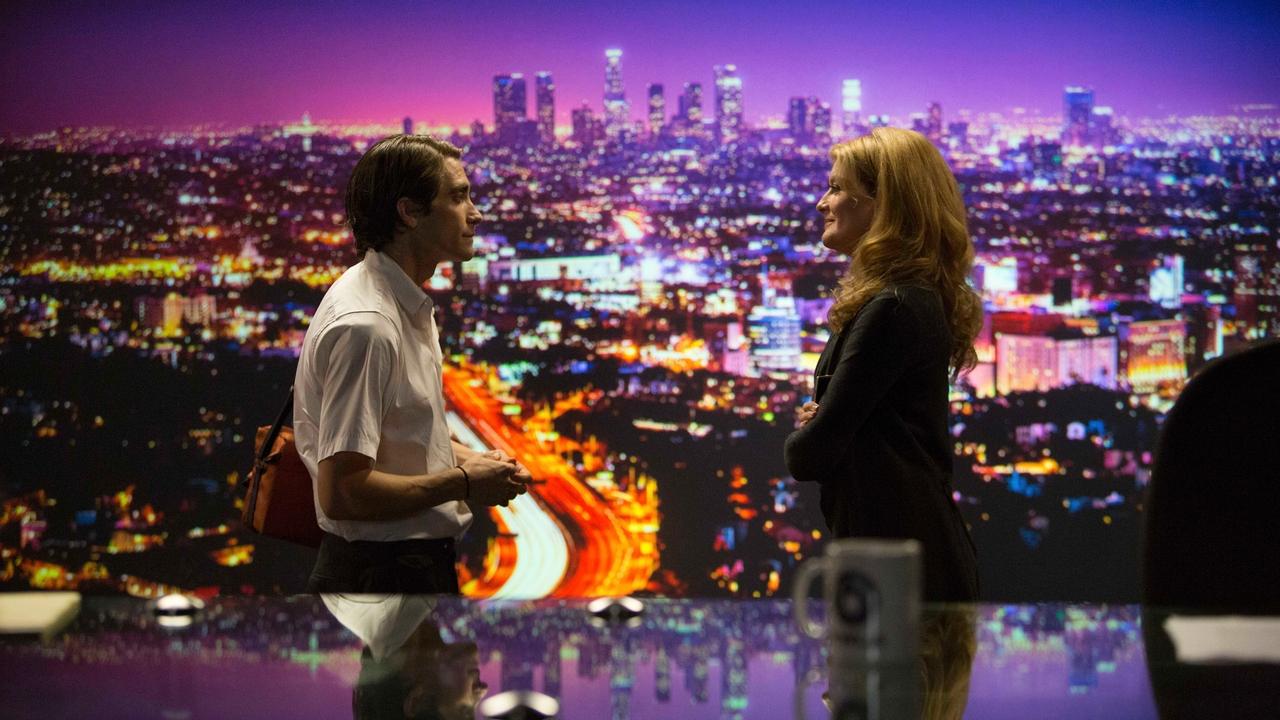
Then there’s Nina Romina, played with a brittle, desperate edge by Rene Russo (Get Shorty, Thor). As a veteran news director at a struggling station, Nina is Lou’s enabler. She needs the ratings; he needs the platform. Their scenes together feel like a negotiation between two sharks deciding who gets to eat the seal. It’s a brilliant bit of casting—Russo brings a 90s-thriller gravitas that grounds the film’s more cynical edges. The late, great Bill Paxton (Twister, Aliens) also shows up as a rival stringer, providing a greasy, charismatic foil to Lou’s robotic coldness. Paxton played the "pro" with such easy charm that it makes Lou’s lack of humanity even more jarring.
The Ethics of the Lens
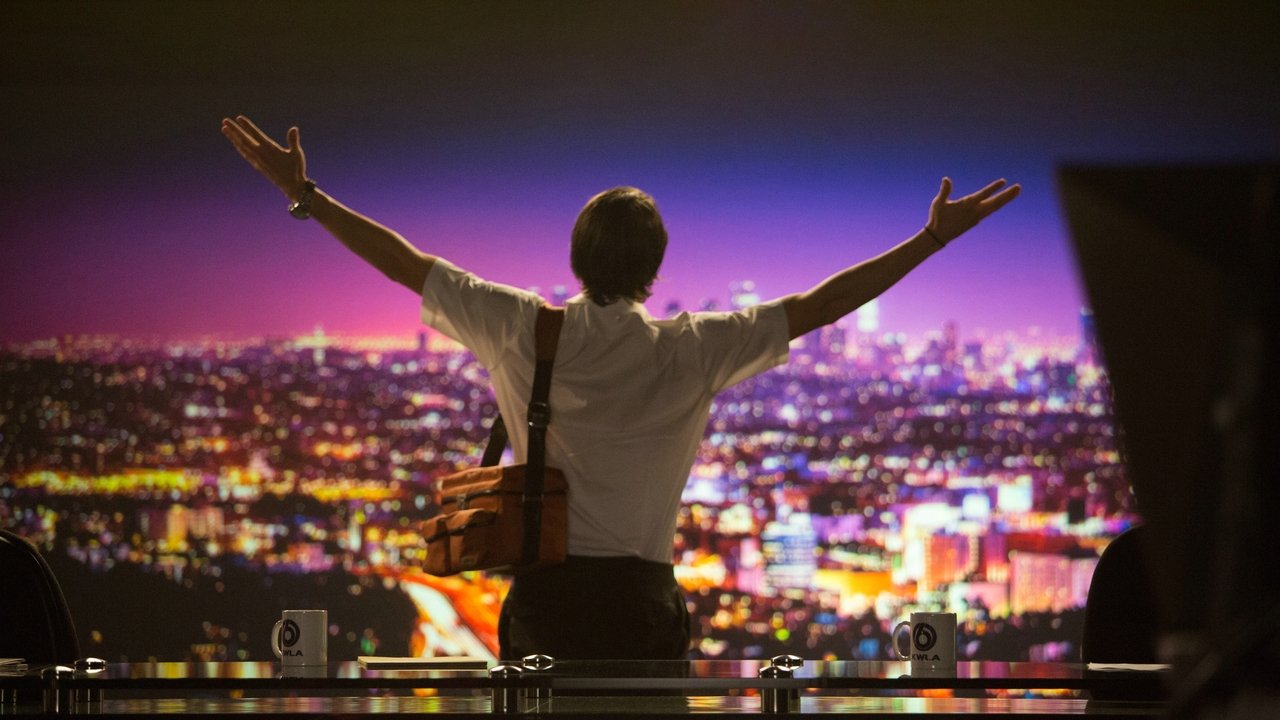
The film is a drama, but it breathes the air of a horror movie. It captures a post-9/11 anxiety about the "if it bleeds, it leads" mentality, taking it to its most logical, hideous conclusion. Looking back from a decade later, the film feels even more prophetic. In 2014, we were just beginning to see the total democratization of "content." Lou Bloom was the pioneer of a world where everyone has a camera and no one has a filter.
The production itself was a "run-and-gun" affair, shot in just 28 days on a modest $8.5 million budget. That frantic pace is baked into the film’s DNA. Apparently, during the scene where Lou screams at himself in a mirror, Gyllenhaal got so into the moment that he actually shattered the glass, severely cutting his hand. He went to the hospital, got 14 stitches, and was back on set four hours later. That’s the kind of intensity that bleeds through the screen.
I also found it fascinating that James Newton Howard (who did the massive, orchestral score for The Dark Knight) chose a surprisingly upbeat, almost heroic theme for Lou. It’s a choice that reflects how Lou sees himself—not as a scavenger, but as a success story in progress. It makes your skin crawl because the music is telling you to cheer for a man who is essentially a human vulture.
Nightcrawler is a film that refuses to offer an easy exit strategy for the audience. It doesn't punish Lou Bloom the way a traditional Hollywood moral play would. Instead, it asks why we keep watching the footage he provides. It’s a dark, slick, and deeply cynical piece of work that has only grown more relevant as our culture’s appetite for tragedy has moved from the television screen to the palm of our hands. It’s not a "fun" watch, but it is an essential one—a portrait of a man who looked into the abyss and realized he could sell the view for a premium.
Keep Exploring...
-

End of Watch
2012
-
The Next Three Days
2010
-
Drive
2011
-
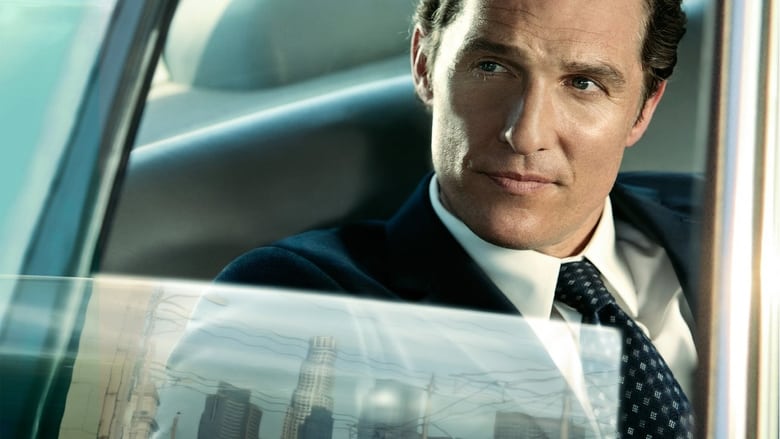
The Lincoln Lawyer
2011
-

Law Abiding Citizen
2009
-

Falling Down
1993
-
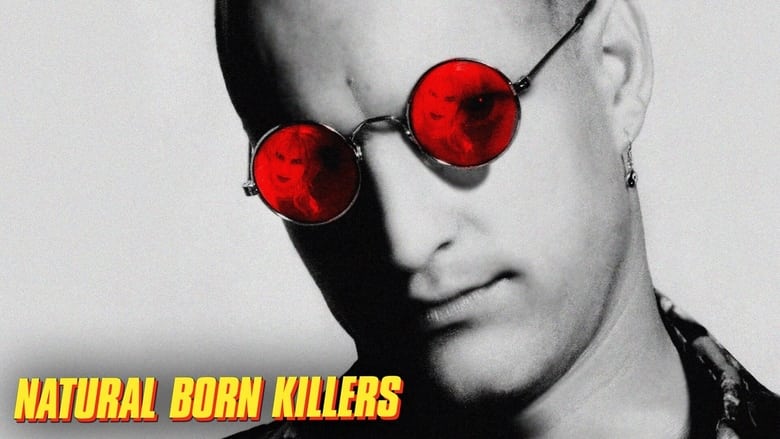
Natural Born Killers
1994
-

Jackie Brown
1997
-
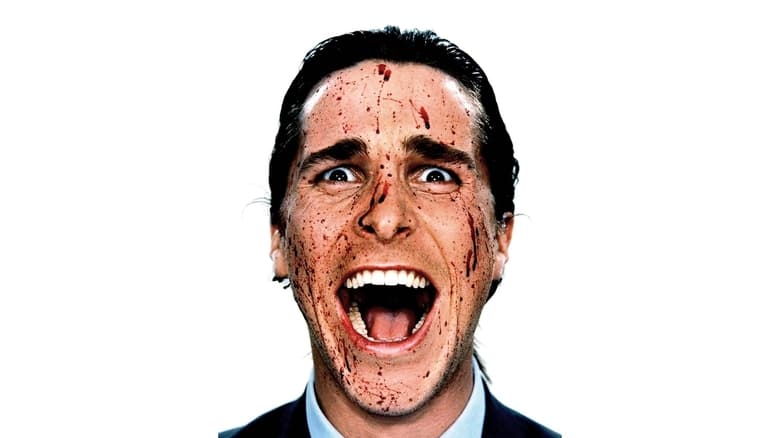
American Psycho
2000
-
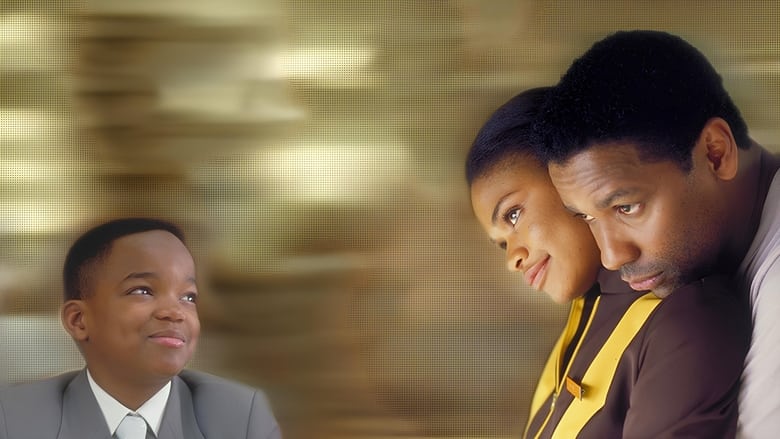
John Q
2002
-
21 Grams
2003
-
Lucky Number Slevin
2006
-
The Godfather Part III
1990
-

The Negotiator
1998
-
Road to Perdition
2002
-

Dogville
2003
-

A History of Violence
2005
-
The Town
2010
-
Prisoners
2013
-
A Simple Plan
1998