Noah
"Forget the Sunday School version. The flood is coming."
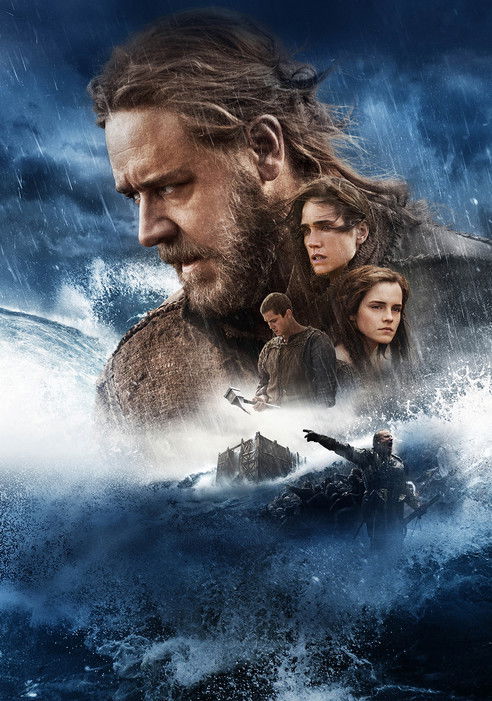
If you walked into a theater in 2014 expecting the soft-focus, felt-board illustrations of your childhood Bible school, you were probably in for a massive psychological shock. Darren Aronofsky—the man who made us all terrified of our own medicine cabinets in Requiem for a Dream—decided to take $125 million of Paramount’s money to build a massive, windowless wooden box and populate it with rock giants. It is, without question, one of the weirdest big-budget gambles of the early 2010s, and I absolutely love it for its sheer, unadulterated audacity.
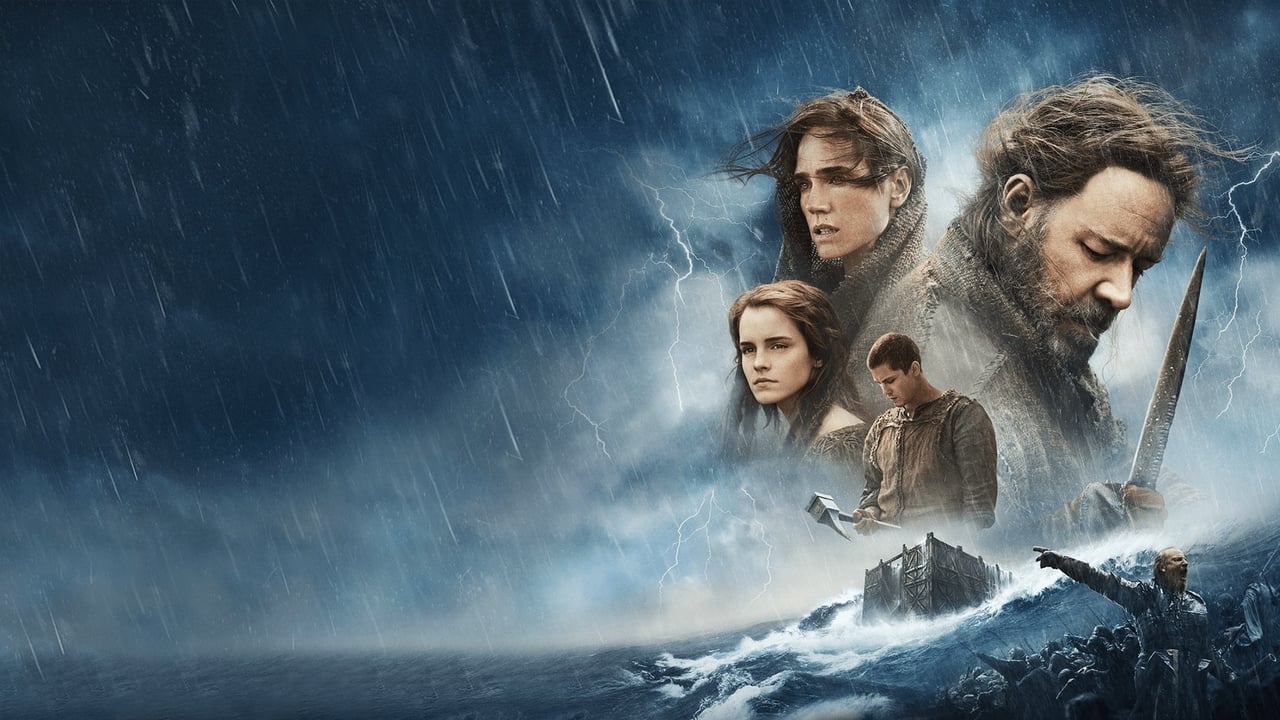
I’m writing this while a literal thunderstorm rattles my windowpanes, which is fitting, though I’m currently snacking on some slightly stale pita chips that definitely wouldn’t have made the cut for the Ark’s rations. Looking back at the film a decade later, it stands as a fascinating relic of that "Post-Lord of the Rings" era where studios were still willing to hand over the keys to the kingdom to eccentric auteurs, hoping for the next "gritty" franchise. Instead, Aronofsky gave us a heavy-metal environmentalist fever dream.
The Nephilim and the Digital Deluge
The first thing that hits you isn't the water; it's the Watchers. In a move that clearly signaled this wasn't your grandmother’s epic, Aronofsky introduced the Nephilim as towering, multi-armed rock creatures that look like they crawled out of a Jim Henson nightmare. Honestly, those rock giants look like they wandered off a Michael Bay set and found God. At the time, critics were baffled, but these creatures are actually rooted in deeper apocryphal texts like the Book of Enoch.
This was 2014, the height of the CGI revolution where we were finally seeing what digital effects could do when married to a singular vision. While the Watchers are pure pixels, they have a tactile, clunky weight to them that feels more like stop-motion than the slick, weightless CGI of modern Marvel entries. Interestingly, there isn't a single real animal in the entire movie. Aronofsky, a staunch environmentalist, insisted on digital creatures to avoid any ethical issues, which resulted in a strangely beautiful, slightly "off" look for the menagerie. It’s a choice that reflects the era’s growing confidence in digital world-building, even if some of the snake textures look a bit like a 2010-era screensaver now.
A Patriarch on the Edge
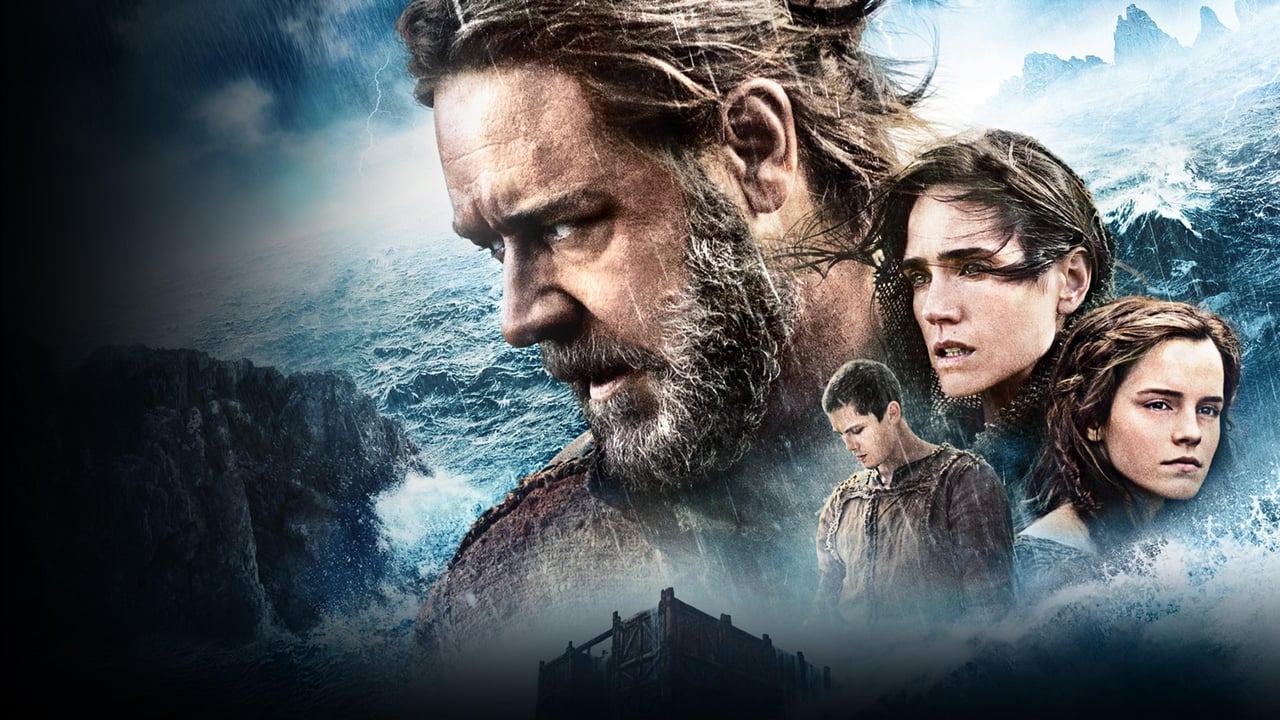
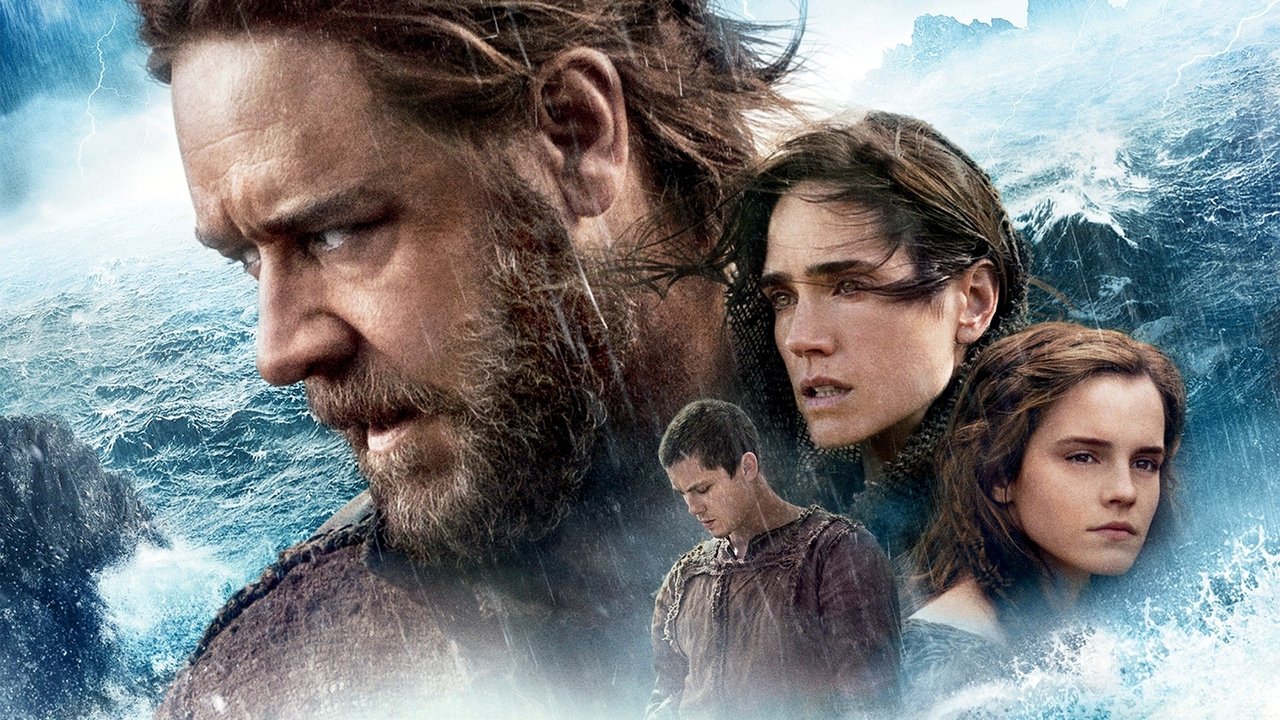
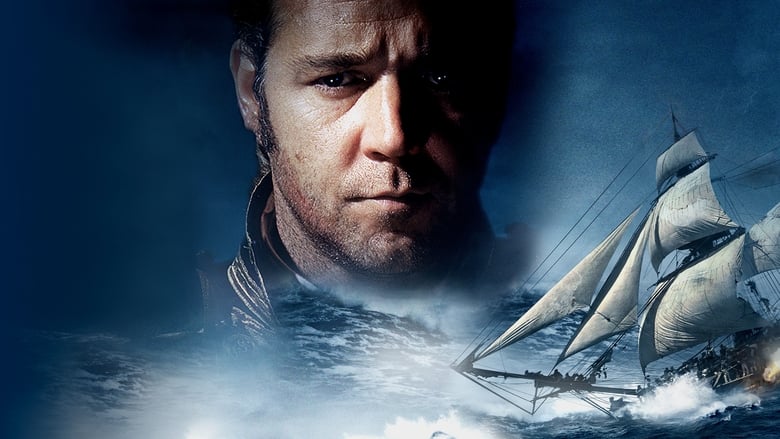
The heart of the film isn't the spectacle, though; it's the sheer, terrifying intensity of Russell Crowe. Fresh off the heels of the 2000s where he dominated the "rugged man" archetype in Gladiator and Master and Commander, Crowe plays Noah not as a saintly patriarch, but as a man suffering from what we would now recognize as extreme PTSD and religious mania. He is convinced that the "Creator" wants humanity extinguished entirely—including his own family.
The scene where he stares down Jennifer Connelly (playing his wife, Naameh) is genuinely chilling. These two have a chemistry that dates back to A Beautiful Mind (2001), and that history pays off here. When Connelly lets out a guttural scream of grief later in the film, it earns its place as one of the most emotionally honest moments in a blockbuster. They are supported by a young Logan Lerman and Emma Watson, who was clearly trying to shed her Harry Potter robes for more mature, taxing roles. Watson actually ended up getting quite ill during production because she accidentally drank some stagnant water from a prop bucket on set—a bit of method acting she surely didn't plan for.
The Survivalist vs. The Stowaway
The film takes a sharp turn into "thriller" territory once the rain starts. We get Ray Winstone (doing his best "grumpy cockney" bit) as Tubal-cain, a descendant of Cain who effectively acts as the voice of human entitlement. He’s a stowaway on the Ark, turning the second half of the movie into a claustrophobic slasher film set in a floating zoo. This was one of the many creative liberties that caused the film to be banned in several Middle Eastern countries, including Qatar and the UAE, due to its portrayal of a prophet.
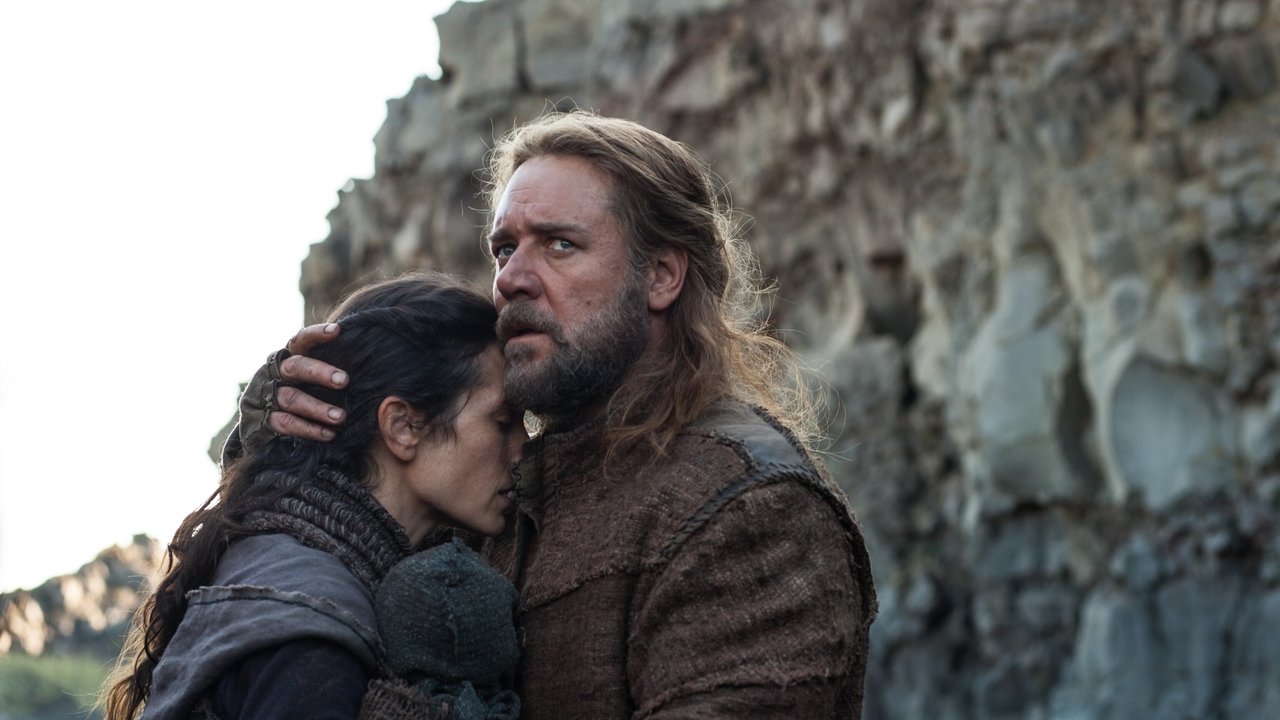
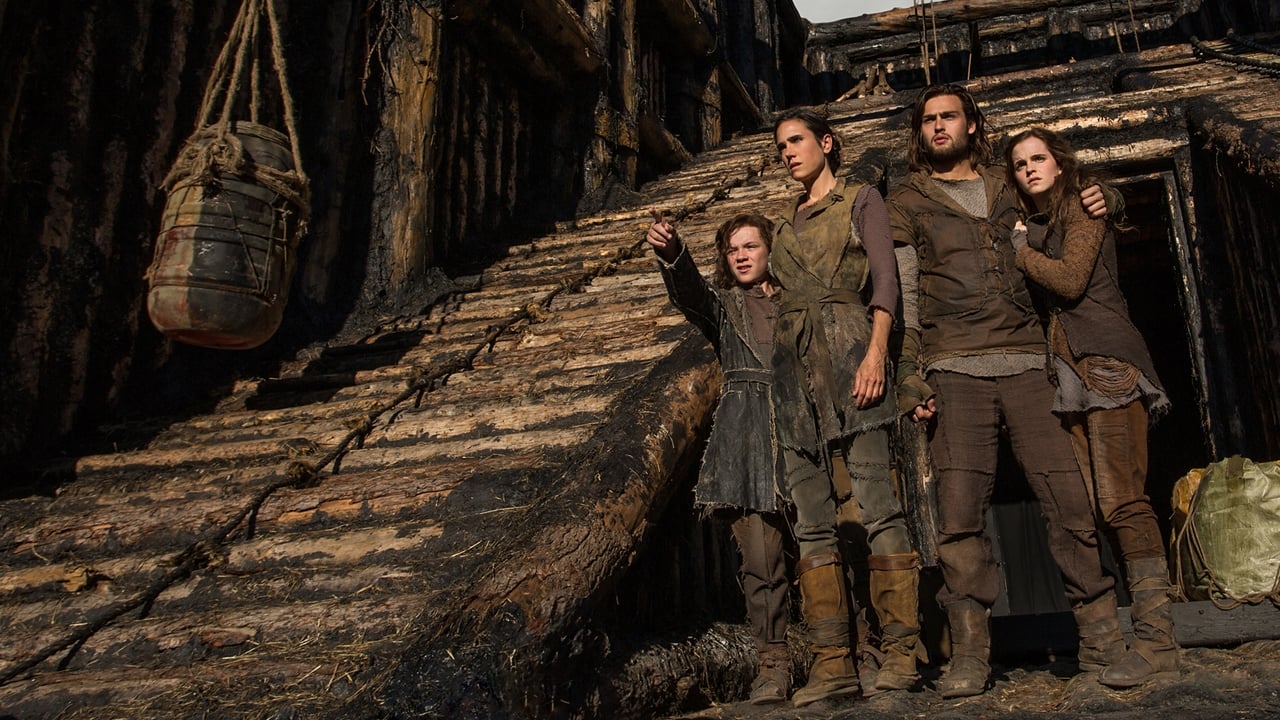
Actually, the production itself was nearly as chaotic as the plot. The crew built a massive, biblically accurate Ark in Oyster Bay, Long Island. It was a gargantuan practical set that looked like a giant shipping container. However, during filming, Hurricane Sandy actually hit the East Coast, halting production and ironically flooding the area around the "fake" Ark. Talk about a meta-narrative. Aronofsky had been obsessed with this story since he was a teenager, even winning a UN poetry contest about Noah as a kid. You can feel that lifelong obsession in every frame; it’s a film that refuses to be "likable," opting instead to be unforgettable.
Noah is a gorgeous, frustrating, and deeply strange piece of cinema. It’s a "Cult Classic" that happened to cost nine figures. While the middle act drags a bit under the weight of its own solemnity, the cinematography by Matthew Libatique—who also shot Black Swan—is breathtaking, capturing a world that feels both ancient and alien. It’s a film that asks uncomfortable questions about whether humanity is actually worth saving, which felt particularly pointed in the post-9/11, climate-anxious landscape of 2014. It isn't a "fun" watch, but it is a singular one. If you’re tired of the assembly-line feel of modern blockbusters, take a trip on this Ark; just don't expect a rainbow at the end.
Keep Exploring...
-
The Fountain
2006
-
Snow White and the Huntsman
2012
-
Green Zone
2010
-
Jack the Giant Slayer
2013
-

Alexander
2004
-
King Arthur
2004
-
Robin Hood
2010
-
Seeking a Friend for the End of the World
2012
-
The Grey
2012
-
Exodus: Gods and Kings
2014
-
Pompeii
2014
-
DragonHeart
1996
-
Dante's Peak
1997
-
Dinosaur
2000
-

The Perfect Storm
2000
-
The Scorpion King
2002
-
Master and Commander: The Far Side of the World
2003
-
Poseidon
2006
-
Pi
1998
-
Requiem for a Dream
2000