Oculus
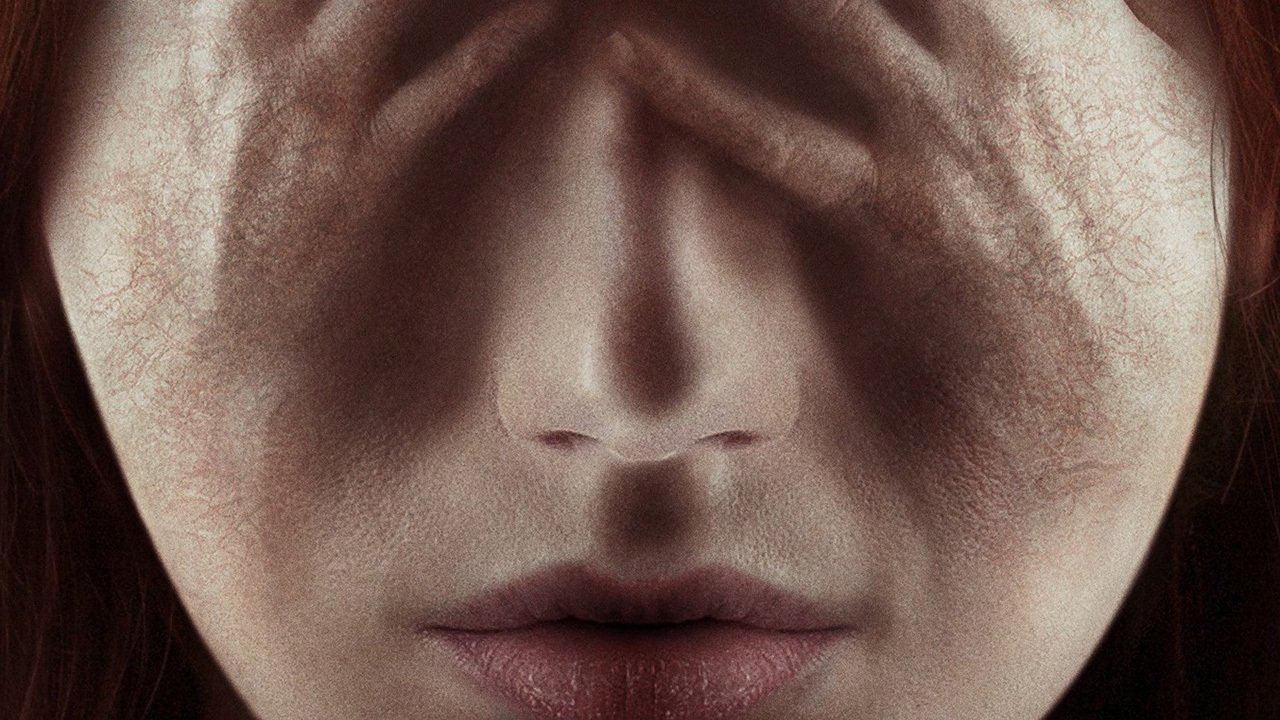
"The more you look, the less you see."
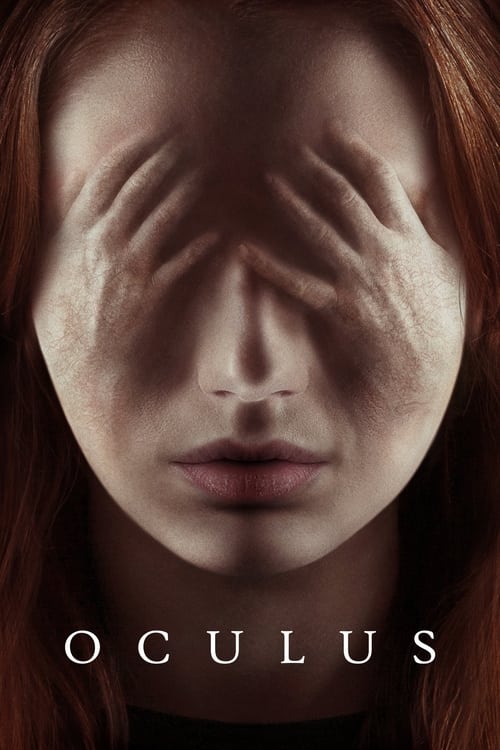
Most horror movies rely on the protagonist being an idiot. You know the drill: don't go into the basement, don't read the Latin out loud, and for the love of all things holy, stop splitting up. But in 2014, Mike Flanagan gave us Kaylie Russell, a woman so meticulously prepared to fight the supernatural that she brings anchor-bolts, backup generators, and a thermal camera. She treats a haunting like a high-stakes forensic audit.
I’ll be honest: I love a character with a plan. I watched Oculus for the first time while trying to figure out why my cat was staring so intently at a blank corner of the room, and Kaylie’s hyper-competence was exactly the energy I needed to stop me from sprinting out of my own front door. It’s a film that respects the audience’s intelligence while systematically dismantling the characters' sanity.
The Mirror Has Two Faces (And Too Many Teeth)
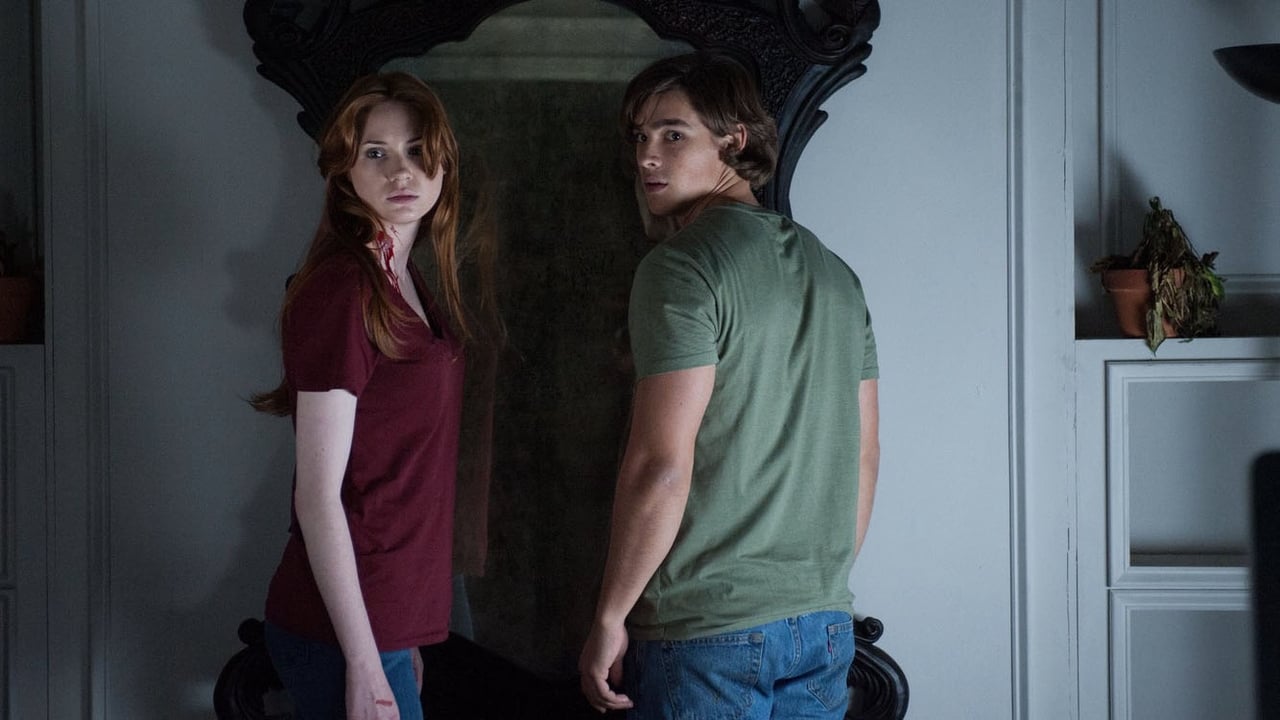
The plot follows Kaylie (Karen Gillan, fresh off Doctor Who and just before she became a household name in Guardians of the Galaxy) and her brother Tim (Brenton Thwaites). Tim has just been released from a psychiatric hospital after spending his youth believing a cursed mirror, the Lasser Glass, killed his parents. He’s been "cured" by years of therapy and logic. Kaylie, meanwhile, has spent those same years tracking the mirror down to prove it actually is a demonic entity that eats families for breakfast.
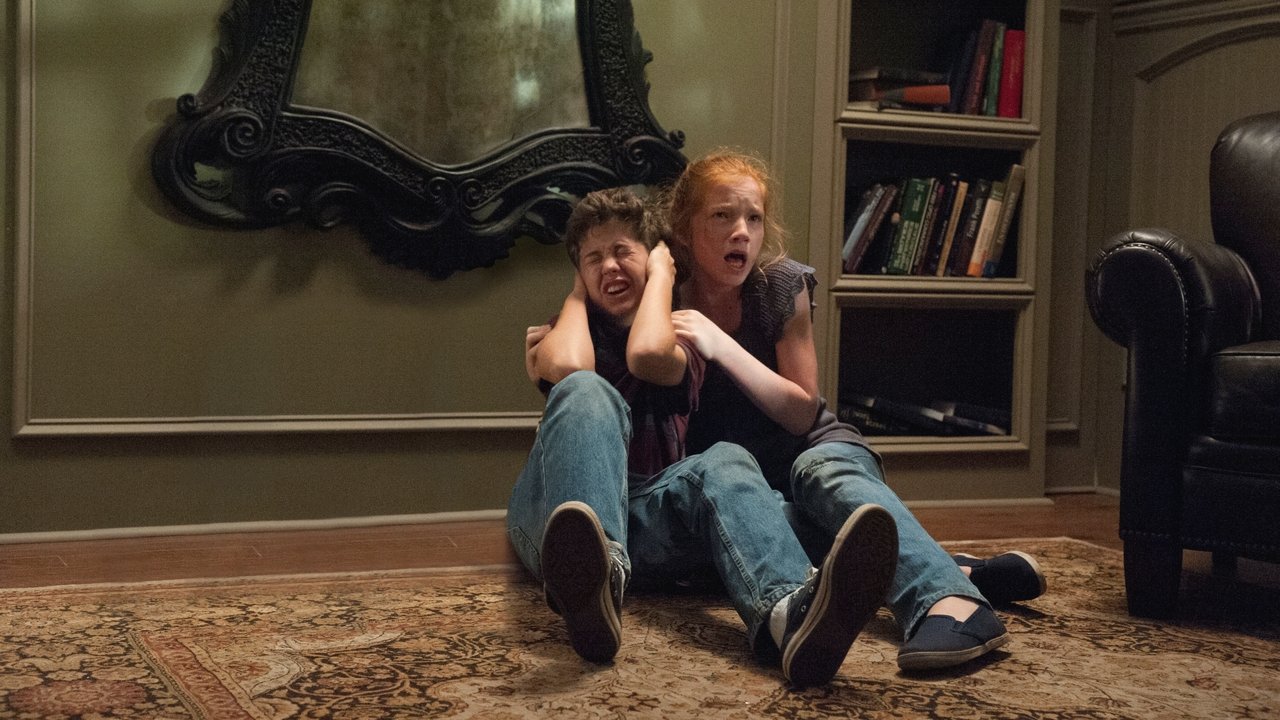
What makes Oculus a standout of the early 2010s—an era often cluttered with "found footage" leftovers—is how Mike Flanagan (who also directed Doctor Sleep and The Haunting of Hill House) uses the editing as a weapon. The film jumps between the present-day siblings and their younger selves (Annalise Basso and Garrett Ryan). This isn't just a standard flashback structure; the timelines eventually bleed into one another. Characters in 2014 walk through a door and find themselves in 2002. It’s disorienting in the best way possible, creating a sense of inescapable doom. Kaylie is essentially a prep-time Batman who forgot that the Joker can literally rewrite the physics of the room.
A Masterclass in Mental Gaslighting
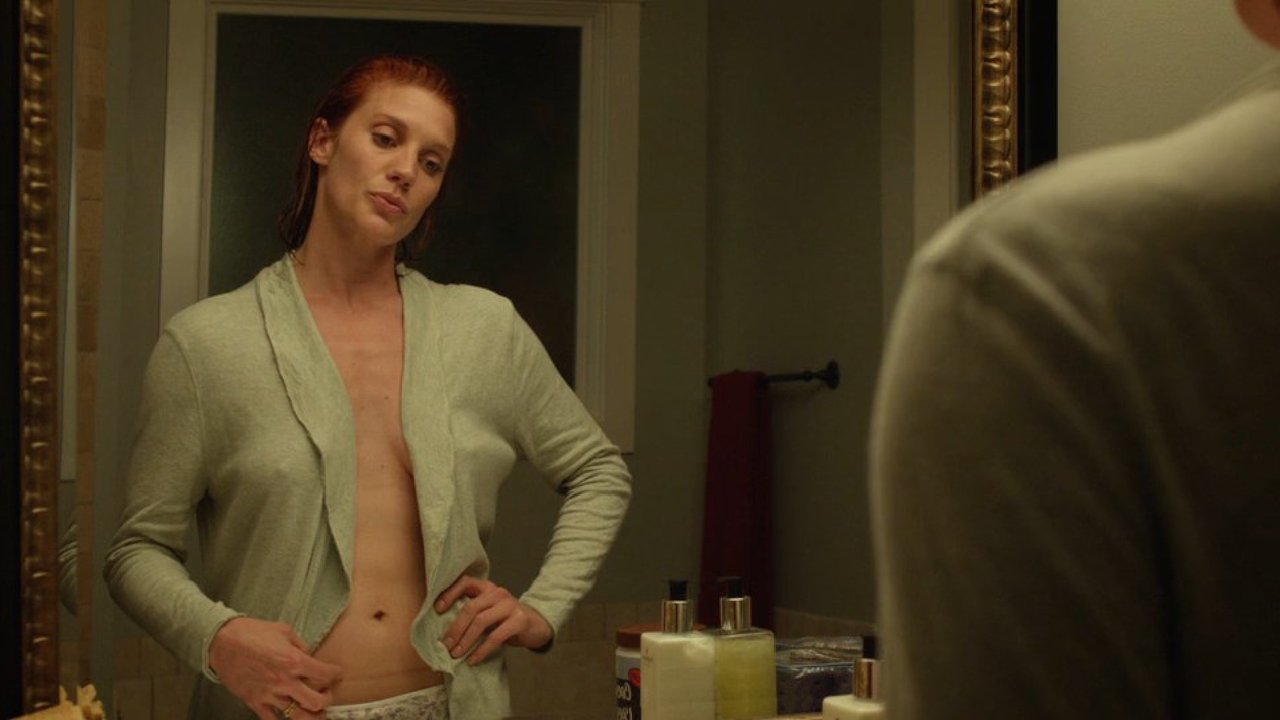
While the "Lasser Glass" is the villain, the real horror comes from watching Katee Sackhoff (the legendary Starbuck from Battlestar Galactica) and Rory Cochrane (Dazed and Confused) descend into madness as the parents. Sackhoff, in particular, delivers a performance that goes from "stressed suburban mom" to "unhinged nightmare" with terrifying ease.
The film leans heavily on psychological gaslighting. The mirror doesn’t just jump out and say "boo"; it makes you see a Band-Aid in your soup or, in the film's most infamous scene, makes you mistake a lightbulb for a crisp, juicy apple. That crunching sound? I can still hear it if I sit in a quiet room for too long. It’s a perfect example of how Flanagan uses "implied" body horror. You don't need a $100 million CGI budget when you have a piece of sugar glass and some top-tier foley work.
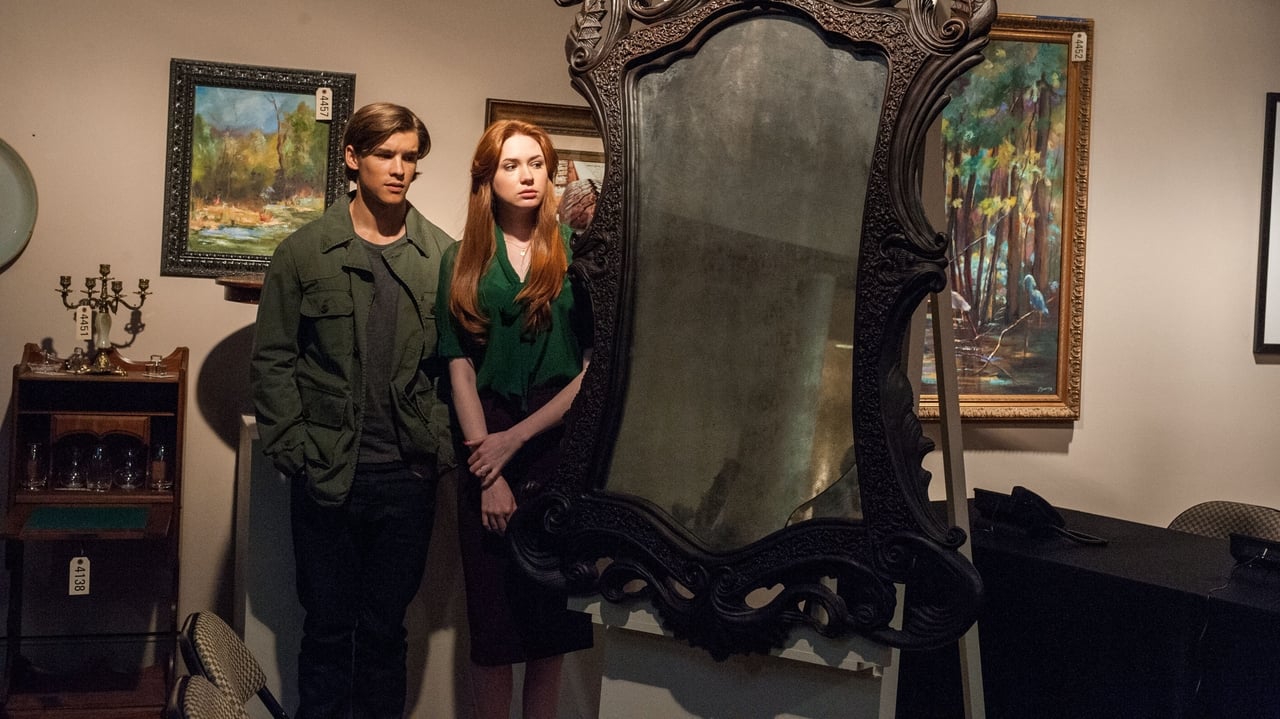
Speaking of budgets, Oculus was a $5 million indie that punched way above its weight class. It originated as a short film Flanagan made in 2006 called Oculus: Chapter 3 – The Lasser Glass, which featured nothing but a guy in a room with a mirror and a camera. Even with more resources, the feature version retains that claustrophobic, "single-location" intensity. Interestingly, the mirror itself has become a bit of a cult celebrity; it’s hidden as an Easter egg in almost every other project Flanagan has made since, including Gerald's Game and Hush.
The Legacy of the Lasser Glass
Looking back from a decade out, Oculus feels like the definitive bridge between the "torture porn" era of the 2000s and the atmospheric, "prestige" horror boom that followed. It’s got the jump scares and the gore to satisfy a Friday night crowd, but the script (co-written by Jeff Howard) is tight as a drum. It taps into that universal anxiety: what if my memories are a lie? What if the thing I’m most afraid of is already in the room with me?
One of my favorite bits of trivia is that WWE Studios co-produced this. It’s an odd pairing, but it worked. There’s something strangely fitting about a wrestling-affiliated studio backing a movie where the primary conflict is a mental cage match between two siblings and a piece of home decor.
If you missed this one during its theatrical run or only know Flanagan from his Netflix shows, Oculus is the perfect "re-discovery" watch. It’s a lean 104 minutes with zero filler. Just be warned: you might find yourself checking the reflection in your hallway mirror a little more closely before you head to bed.
Oculus remains one of the smartest horror films of its decade, proving that a great hook and clever editing are worth more than a thousand CGI monsters. It’s a tragic, twisty, and deeply mean-spirited little puzzle box that refuses to give you a clean exit. If you’re looking for a film that treats its characters’ trauma with as much weight as its ghosts, this is the one. Just... maybe don't eat any apples while you watch it.
Keep Exploring...
-
Ouija: Origin of Evil
2016
-
Gerald's Game
2017
-
Doctor Sleep
2019
-
Hush
2016
-
Before I Wake
2016
-
Drag Me to Hell
2009
-
Friday the 13th
2009
-
Jennifer's Body
2009
-
Orphan
2009
-
Pandorum
2009
-
Saw VI
2009
-
Devil
2010
-

Legion
2010
-

Let Me In
2010
-
The Crazies
2010
-
Fright Night
2011
-
Scream 4
2011
-
The Rite
2011
-
The Thing
2011
-

The Cabin in the Woods
2012