Planes: Fire & Rescue
"When the heat rises, the underdogs fly in."
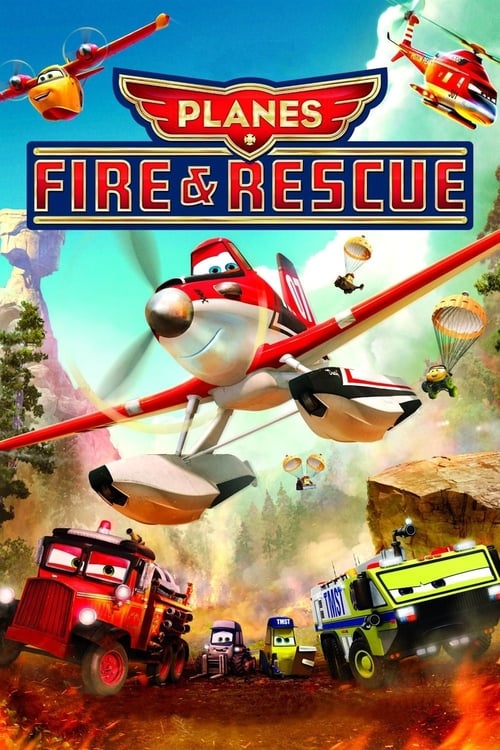
The Cars cinematic universe is a strange, existential labyrinth that I try not to think about too deeply. If you spend more than five minutes wondering how these sentient vehicles are born or why they have tongues, you’ll end up in a dark place. However, back in 2014, Disney’s spin-off-of-a-spin-off franchise took a surprising turn. While the first Planes felt like a low-altitude retread of Lightning McQueen’s "rookie-wins-the-big-race" arc, the sequel, Planes: Fire & Rescue, decided to actually do something interesting. It traded the racing circuit for the high-stakes world of aerial firefighting, and in doing so, it became the rare sequel that completely outclasses its predecessor.
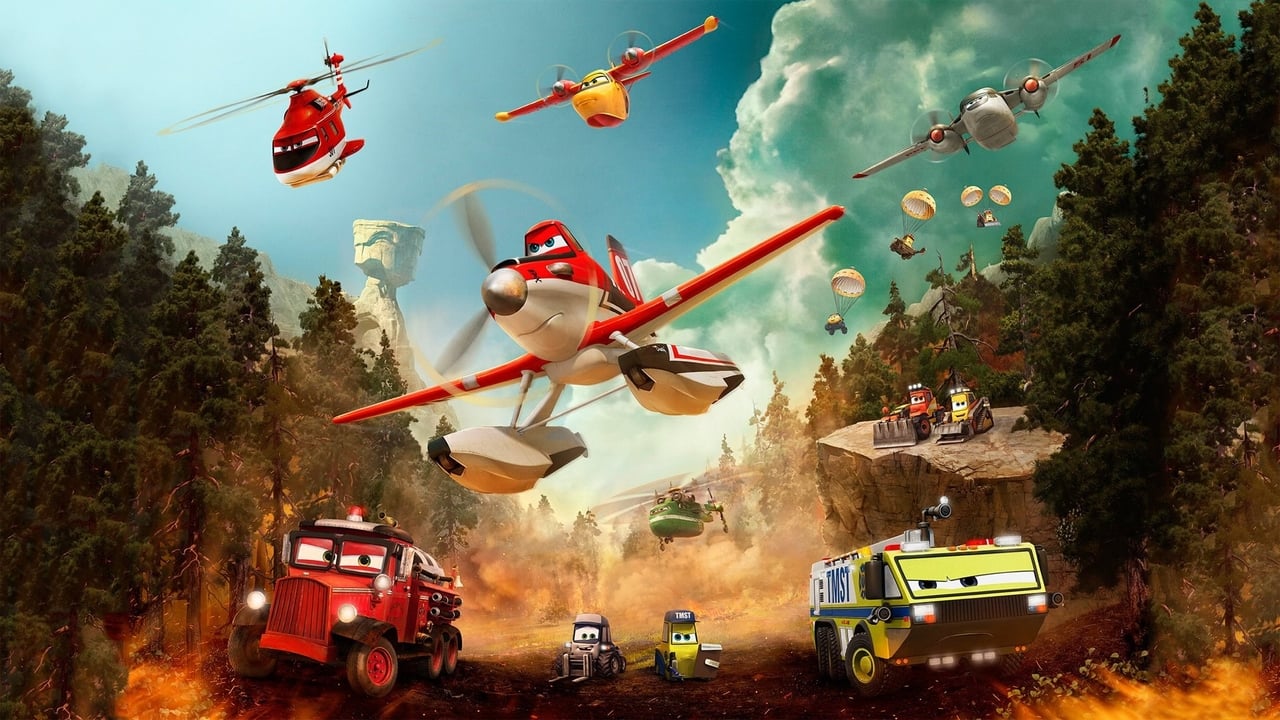
I watched this while my apartment's radiator was making a rhythmic, suspicious clicking sound that perfectly mimicked Dusty’s failing gearbox, which provided a level of 4D immersion I didn’t actually ask for.
A Career Change at 30,000 Feet
The story catches up with Dusty Crophopper, voiced again by Dane Cook, who has become a global racing sensation. But the script by Jeffrey M. Howard throws a wrench into the works—literally. Dusty’s gearbox is failing, a "discontinued part" scenario that serves as a surprisingly grounded metaphor for a career-ending injury. Facing the end of his racing days, Dusty decides to get certified as a firefighter to help save his hometown airport.
This shift is where the movie finds its soul. It stops being a "believe in yourself" sports trope and starts being an "honor the professionals" tribute. We're introduced to Piston Peak National Park, a digital stand-in for Yosemite that is honestly gorgeous. The scale of the adventure feels massive compared to the first film's localized race tracks. This isn't just about crossing a finish line; it’s about a high-stakes workplace drama disguised as a toy commercial where the stakes involve actual life and death (or, well, "scrapping" and "repairs").
The Ed Harris Gravitas
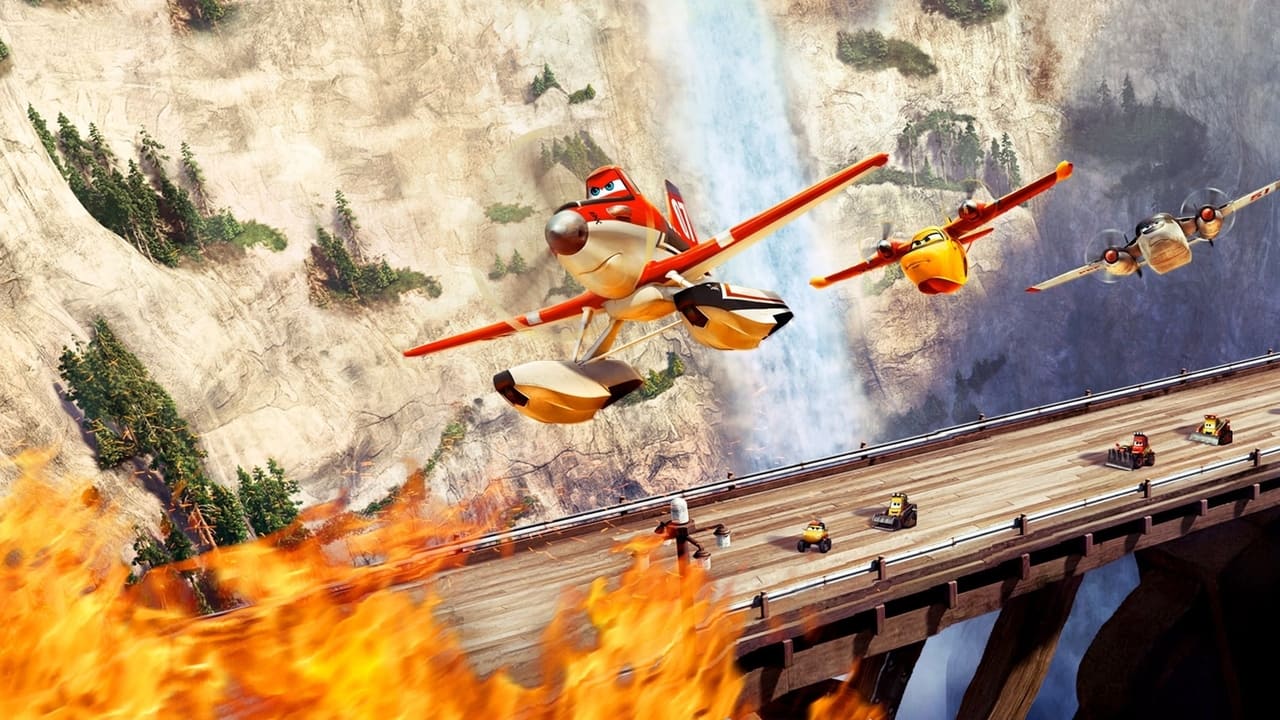
The secret weapon here is Ed Harris. Hearing the man from The Right Stuff and Westworld voice a grizzled fire-and-rescue helicopter named Blade Ranger is a delight I didn't know I needed. Harris brings a level of weary, commanding authority to the role that elevates the entire production. He isn't just "the coach"; he’s a veteran with a tragic backstory that the film handles with an unexpected amount of dignity.
Opposite him is Julie Bowen as Dipper, a Super Scooper who is "Dusty's biggest fan" in a way that teeters hilariously between charming and restraining-order territory. The comedic timing is sharp, bolstered by veterans like Curtis Armstrong as the overworked mechanic Maru and John Michael Higgins as Cad Spinner, the park’s self-absorbed superintendent. Hal Holbrook also pops up as Mayday, the aging fire truck who represents the crumbling infrastructure that prompts Dusty’s journey. It’s a stacked voice cast that treats the material with more respect than a "direct-to-video-style" sequel usually commands.
Fire, Pixels, and Practical Research
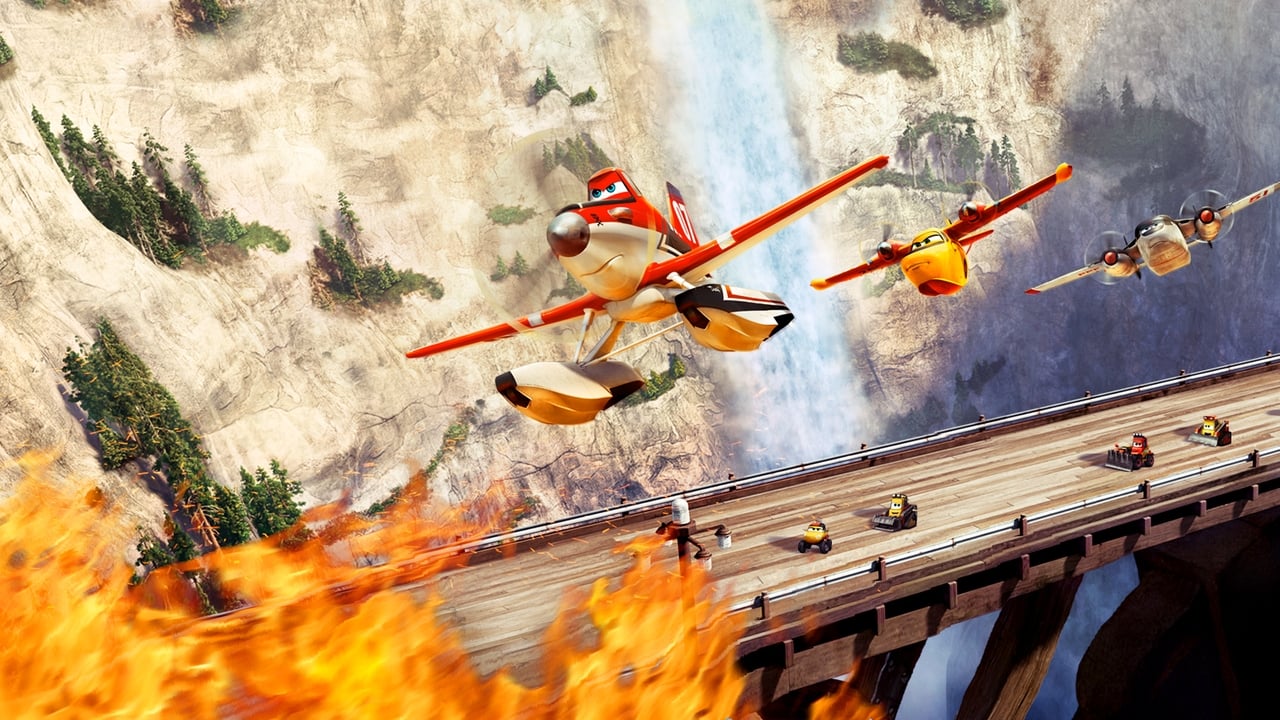
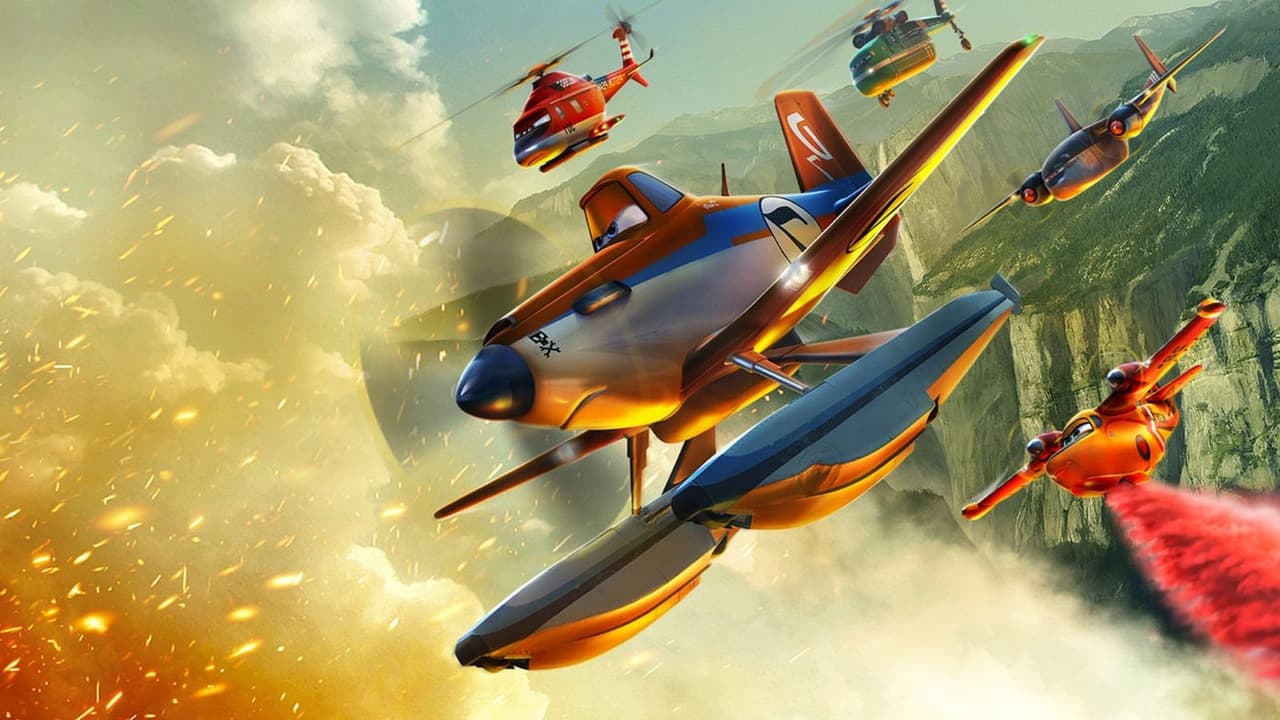
Looking back at 2014, we were right at the peak of CGI's ability to render complex natural elements like water and fire with terrifying realism. Director Bobs Gannaway and the team at Disney Television Animation (and Prana Studios) didn't just wing the firefighting sequences. They spent significant time with Cal Fire and at Yosemite to understand the physics of "dropping mud" (retardant) and how wildfires actually move.
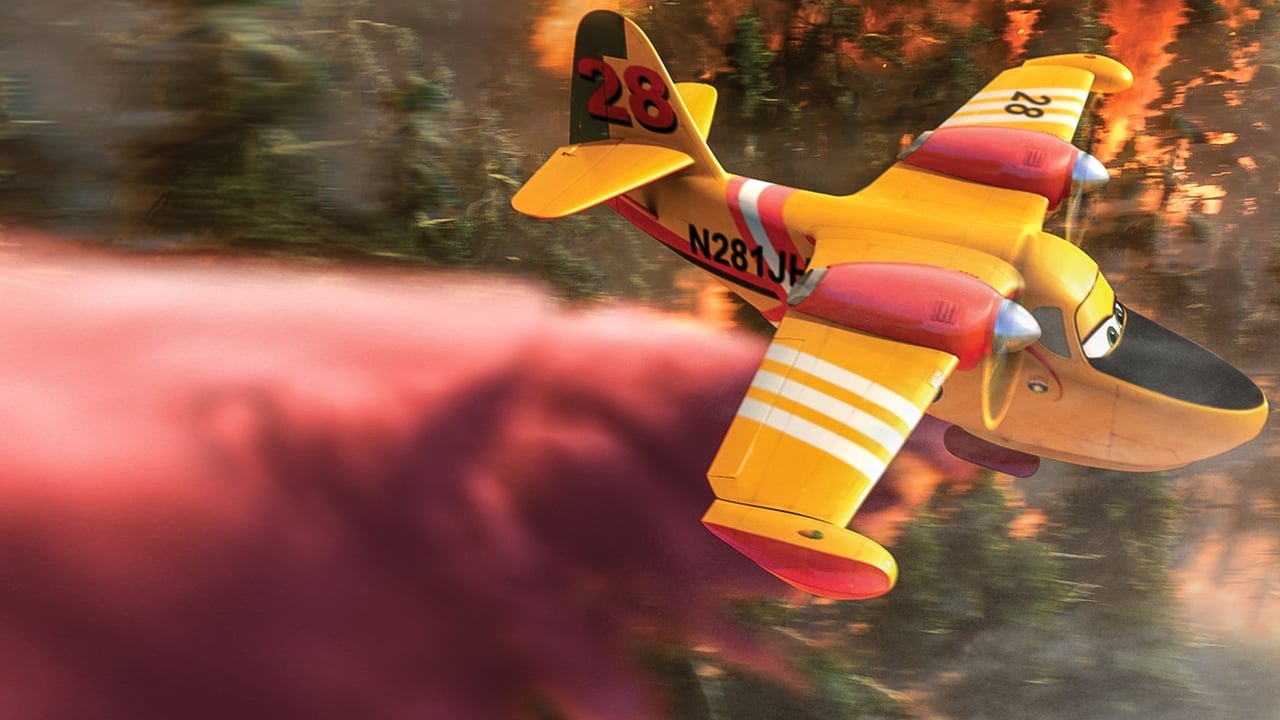
The trivia behind the production is actually more impressive than the marketing let on. The "Smokejumpers" in the film—those all-terrain vehicles that parachute into the brush—were inspired by the real-life elite units that jump into remote fire zones. The production team actually studied the flight patterns of the Sikorsky S-64 Skycrane to ensure Blade Ranger’s movements felt weighted and authentic. Even with a relatively lean budget of $50 million—peanuts compared to the $150 million-$200 million spent on Pixar or Disney Feature Animation titles—the visuals of the forest fire crowning over the trees are genuinely spectacular. It’s a testament to how far digital effects had come that a "secondary" studio could produce imagery this tactile.
The film was a solid commercial success, pulling in over $151 million worldwide. While it didn't spark a Cars-level merchandising empire, it carved out a niche as the "hero" entry of the franchise. It captures that specific post-9/11 cinematic urge to celebrate first responders, framing the act of service as the ultimate achievement rather than just winning a trophy.
Planes: Fire & Rescue is the definition of a "pleasant surprise." It’s short, punchy, and visually ambitious, ditching the "underdog" cliché for a story about finding a new purpose when your first dream dies. It’s also one of the few kids' movies where the mentor character is voiced by a four-time Oscar nominee who sounds like he’s actually having a good time. If you’ve got a kid obsessed with sirens or you just want to see some really well-animated helicopters, this is a journey worth the fuel. It’s a sincere, gear-grinding tribute to the folks who fly into the smoke when everyone else is flying out.
Keep Exploring...
-
Planes
2013
-

Ice Age: Dawn of the Dinosaurs
2009
-

Puss in Boots
2011
-
Rio
2011
-
The Smurfs
2011
-
Ice Age: Continental Drift
2012
-
Madagascar 3: Europe's Most Wanted
2012
-
The Croods
2013
-
Rio 2
2014
-

A Bug's Life
1998
-

Madagascar
2005
-
Cars
2006
-

Ice Age: The Meltdown
2006
-
Shrek the Third
2007
-
Horton Hears a Who!
2008
-
Madagascar: Escape 2 Africa
2008
-

The SpongeBob SquarePants Movie
2004
-

Wallace & Gromit: The Curse of the Were-Rabbit
2005
-
Cars 2
2011
-
Rango
2011