Pompeii
"No warning. No escape. No shirt required."
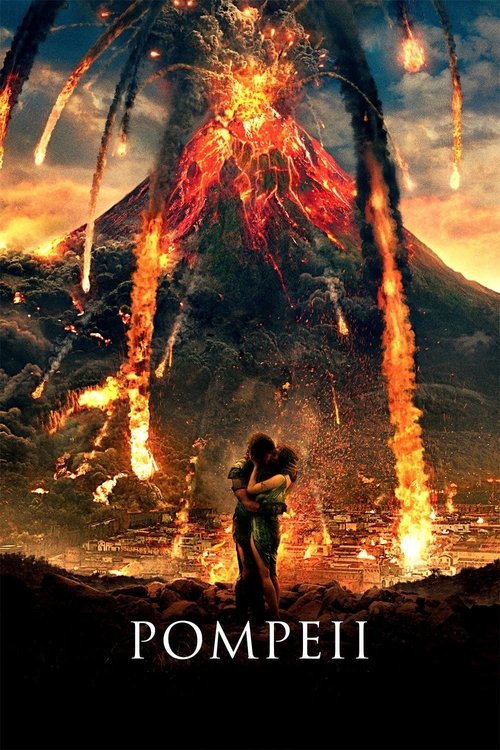
There’s a specific kind of "Friday night on the couch" comfort that comes with watching a movie where you know, with absolute certainty, that everyone on screen is essentially doomed. We don't watch a film titled Pompeii hoping for a miracle survival story or a diplomatic resolution to Roman-Celtic relations. We watch it to see a mountain throw a tantrum. While Paul W. S. Anderson—the man who spent a decade turning the Resident Evil franchise into a high-octane fever dream—might seem like an odd choice for a period piece, he approaches the Roman Empire with the same "more is more" philosophy that he applies to zombie apocalypses.
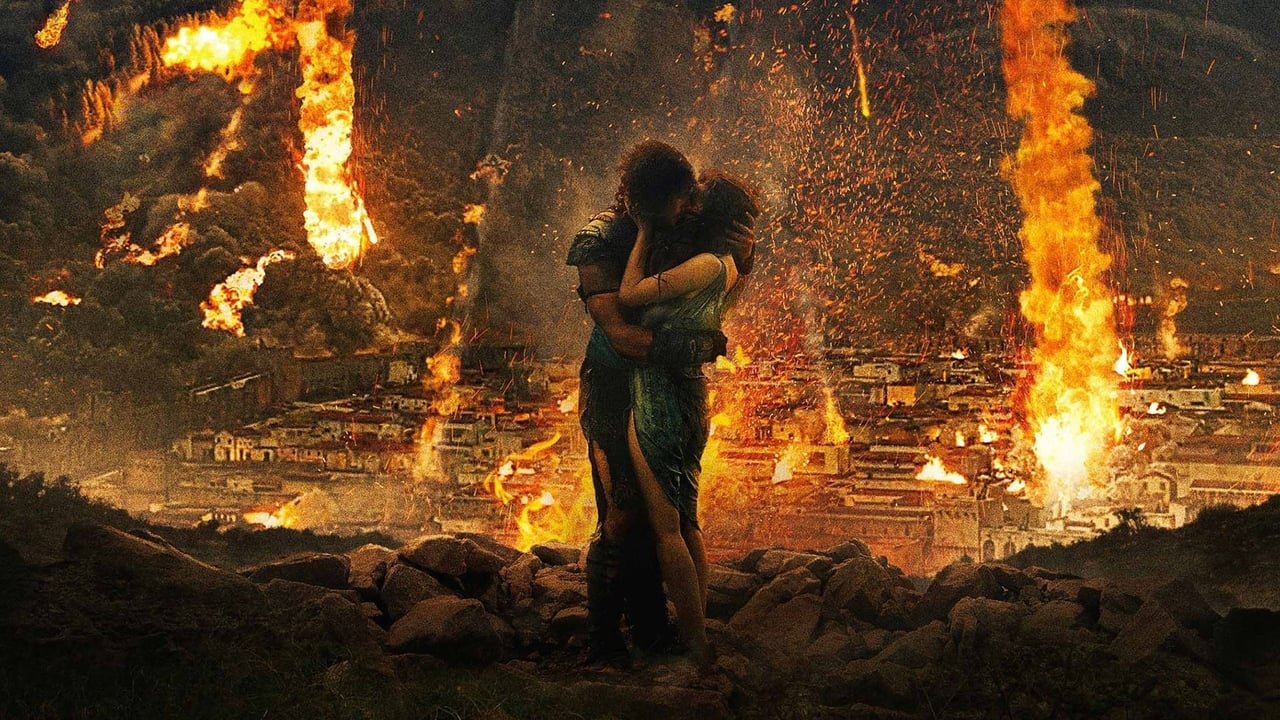
I watched this on a Tuesday night while wearing mismatched socks, and for some reason, the sight of my left pinky toe peaking through a hole in the wool made the destruction of an entire ancient civilization feel strangely personal. It’s that kind of movie; it’s big, it’s loud, and it’s unashamedly a B-movie with a $100 million price tag.
Gladiator Meets Titanic (With More Abs)
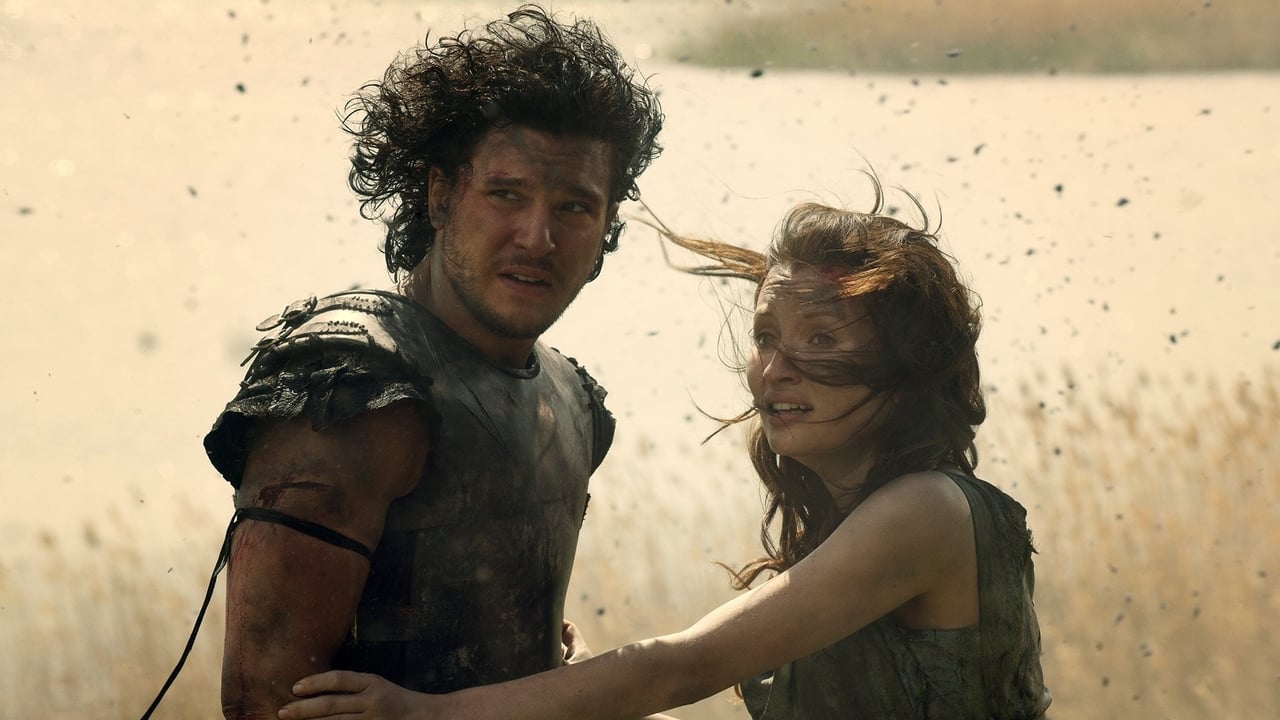
The plot is a lean, mean, trope-heavy machine. Kit Harington plays Milo, a "Celtic" (read: very buff) gladiator who is the sole survivor of a Roman massacre. He’s brought to Pompeii, where he immediately catches the eye of Cassia (Emily Browning), a noblewoman fleeing the unwanted advances of a corrupt Senator. If this sounds like Gladiator and Titanic had a baby that was then raised by a Michael Bay film, you’re exactly on the right track.
The first half is surprisingly focused on the arena. The action choreography here is actually quite sharp. Anderson has always had a knack for spatial clarity—you always know who is stabbing whom and where they are standing—which was a relief in an era where "shaky cam" was still ruining most action sequences. The fight between Milo and Atticus (Adewale Akinnuoye-Agbaje) is the highlight. There’s a weight to the weapons and a rhythm to the blocks that makes it feel like a genuine physical struggle rather than a digital dance. Kit Harington's physique in this movie is so aggressively chiseled it honestly looks like he was sculpted out of the very volcanic rock that eventually buries him.
The Kiefer Sutherland Variety Hour
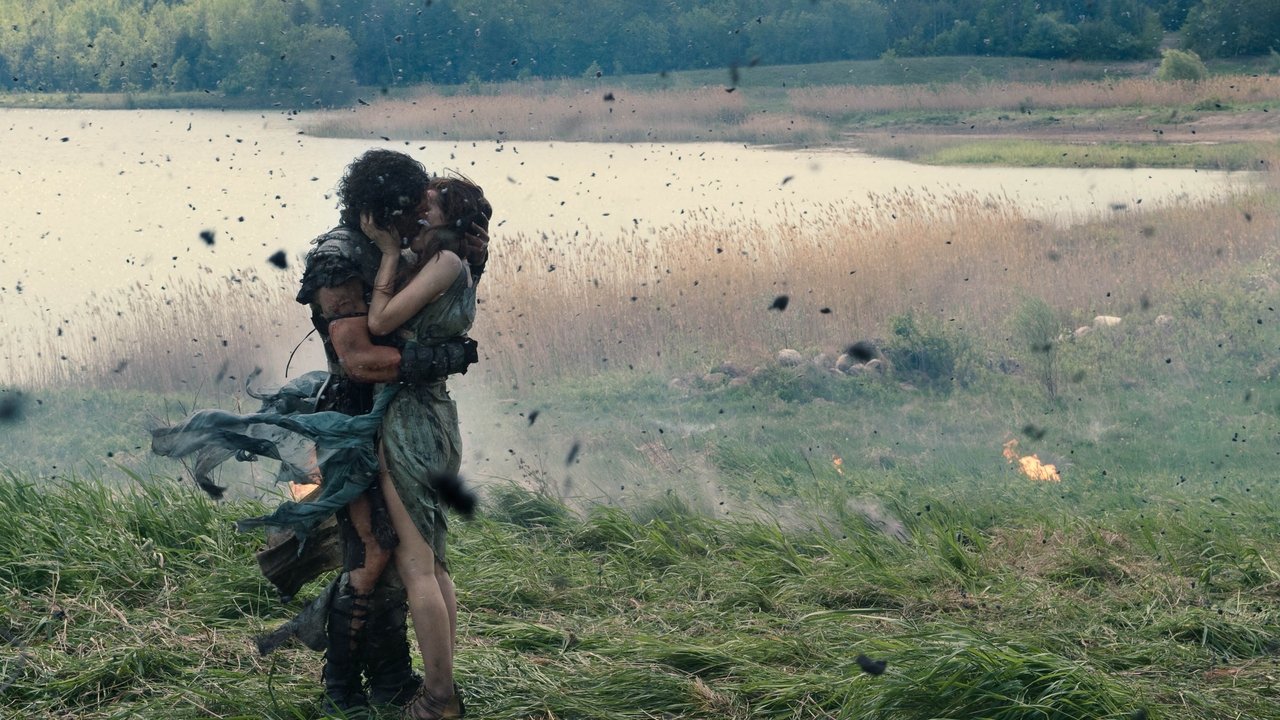
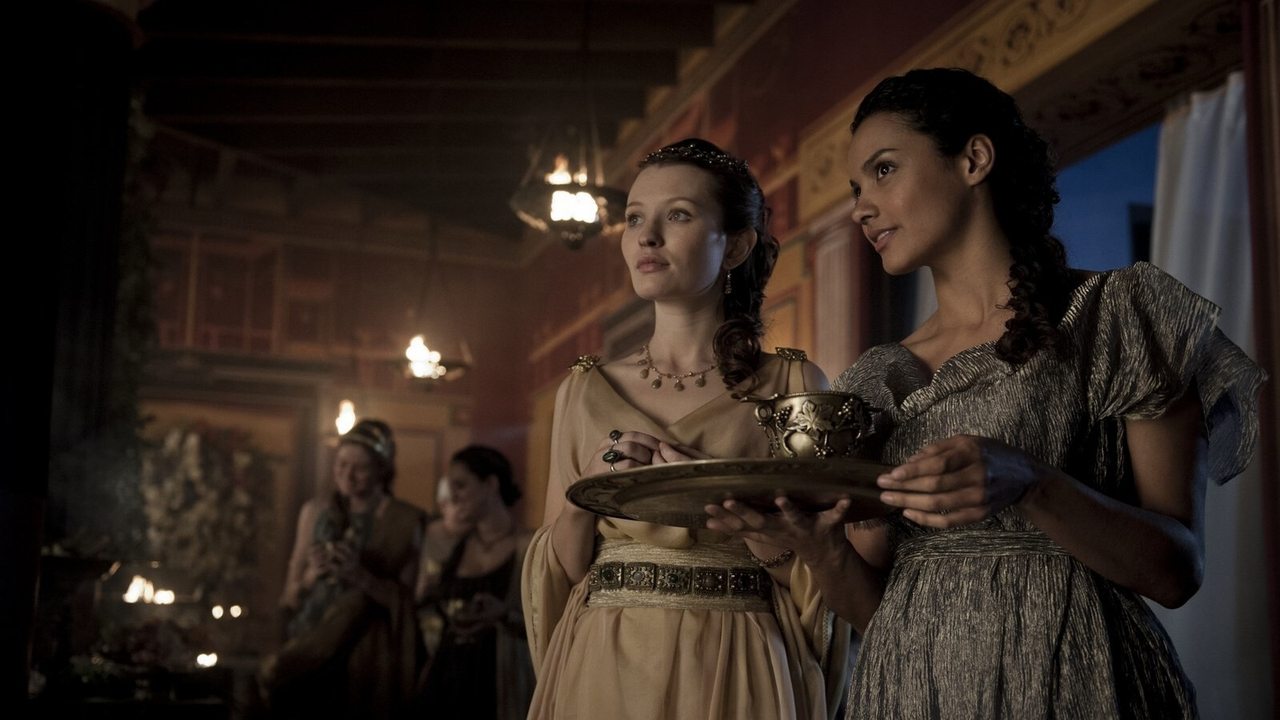
While the romance between Kit Harington and Emily Browning is a bit of a damp squib—they have the collective romantic chemistry of two very attractive mannequins left in a sauna—the supporting cast is where the fun lives. Kiefer Sutherland enters the fray as Senator Corvus, and I am convinced he was acting in a completely different, much more hilarious movie than everyone else.
Sutherland sneers, whispers, and struts with a villainous campiness that is genuinely infectious. It’s a performance that ignores the "Modern Cinema" trend of grounded, gritty villains in favor of something that feels like it belongs in a 1950s sword-and-sandal epic. Beside him, Carrie-Anne Moss and Jared Harris do their best to ground the film as Cassia’s parents, but they mostly seem to be waiting for the lava to start flowing so they can stop pretending this is a serious political drama.
When the Mountain Finally Quits Smoking
The real star of the show, of course, is Mount Vesuvius. This film was released toward the end of the 3D craze, and unlike many directors who just "converted" their films in post-production, Anderson shot this with native 3D cameras. Looking back, you can see how he staged shots specifically for that depth—ash floating toward the lens, spears thrusting out of the screen. Even on a flat 4K display today, the scale of the eruption is impressive.
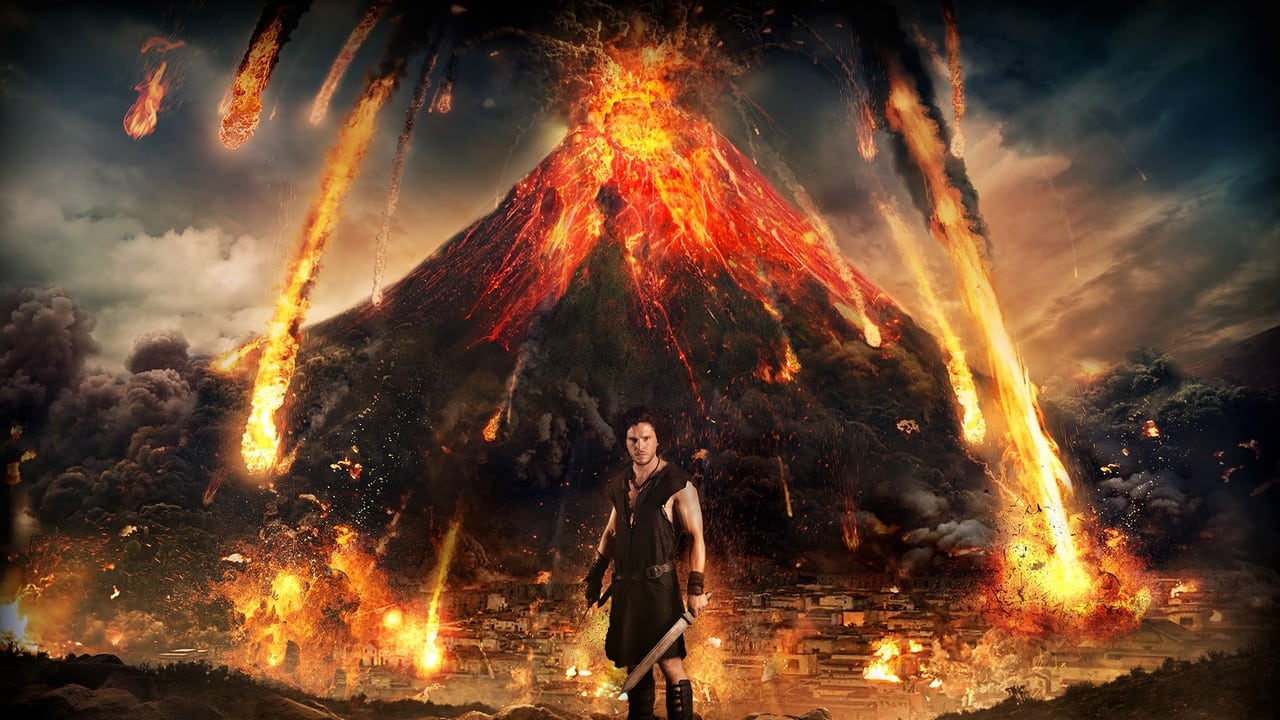
Apparently, Anderson was obsessed with the historical data of the eruption. Turns out, the way the film depicts the "pyroclastic surge"—that terrifying wall of hot gas and ash—is more scientifically accurate than most other versions of this story. The production team even used actual satellite imagery of the ruins to reconstruct the city's layout. It’s a weirdly high-effort foundation for a movie that also features a scene where a horse seemingly understands the concept of class struggle.
The behind-the-scenes stories are equally fascinating. Kit Harington reportedly went through such an intense diet and exercise regime to achieve his "gladiator look" that he later spoke about the body image struggles it caused. Meanwhile, the "ash" that covers the actors for the final forty minutes was a mixture of paper, foam, and various other bits that left the entire cast hacking and coughing for weeks. You can see that physical misery on their faces during the climax; that’s not acting, that’s just the reality of inhaling fake soot for ten hours a day in a Toronto soundstage.
Ultimately, Pompeii is a film that knows exactly what it is. It doesn't want to be Ben-Hur; it wants to be a theme park ride. It’s a snapshot of that 2010s era where CGI was finally powerful enough to render total geographical annihilation, but scripts were still being written using a "My First Screenplay" Mad Libs kit.
It’s the kind of cult oddity that I’ll always stop to watch if I catch it flipping through channels. It’s colorful, it’s earnest in its silliness, and it features a Roman Senator being punched in the face while a volcano explodes in the background. If that doesn't earn five minutes of your time while you wait for the bus, I don't know what will. It’s an expensive, fiery disaster that is, ironically, quite a bit of fun.
Keep Exploring...
-

Alexander
2004
-
The Three Musketeers
2011
-
King Arthur
2004
-
AVP: Alien vs. Predator
2004
-
Green Zone
2010
-
Resident Evil: Afterlife
2010
-
Robin Hood
2010
-
Jack the Giant Slayer
2013
-
Exodus: Gods and Kings
2014
-
The Monuments Men
2014
-
First Knight
1995
-
The Messenger: The Story of Joan of Arc
1999
-
1492: Conquest of Paradise
1992
-
DragonHeart
1996
-
Dante's Peak
1997
-
Soldier
1998
-

The Perfect Storm
2000
-
The Scorpion King
2002
-
Poseidon
2006
-

10,000 BC
2008