Pride
"Solidarity is a fabulous shade of pink."
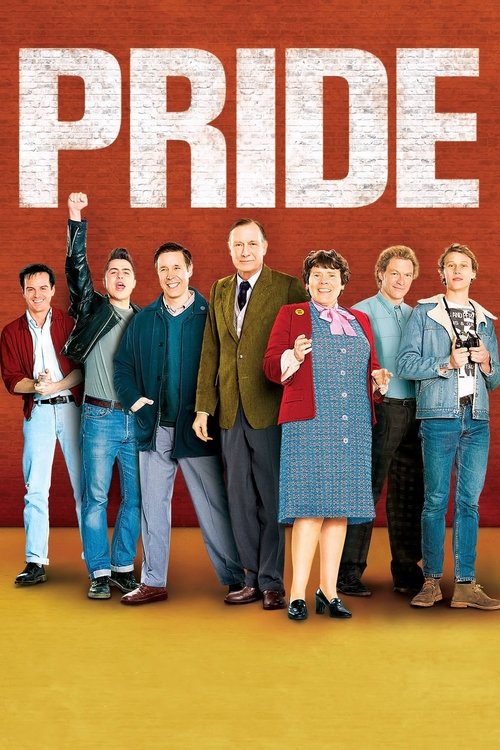
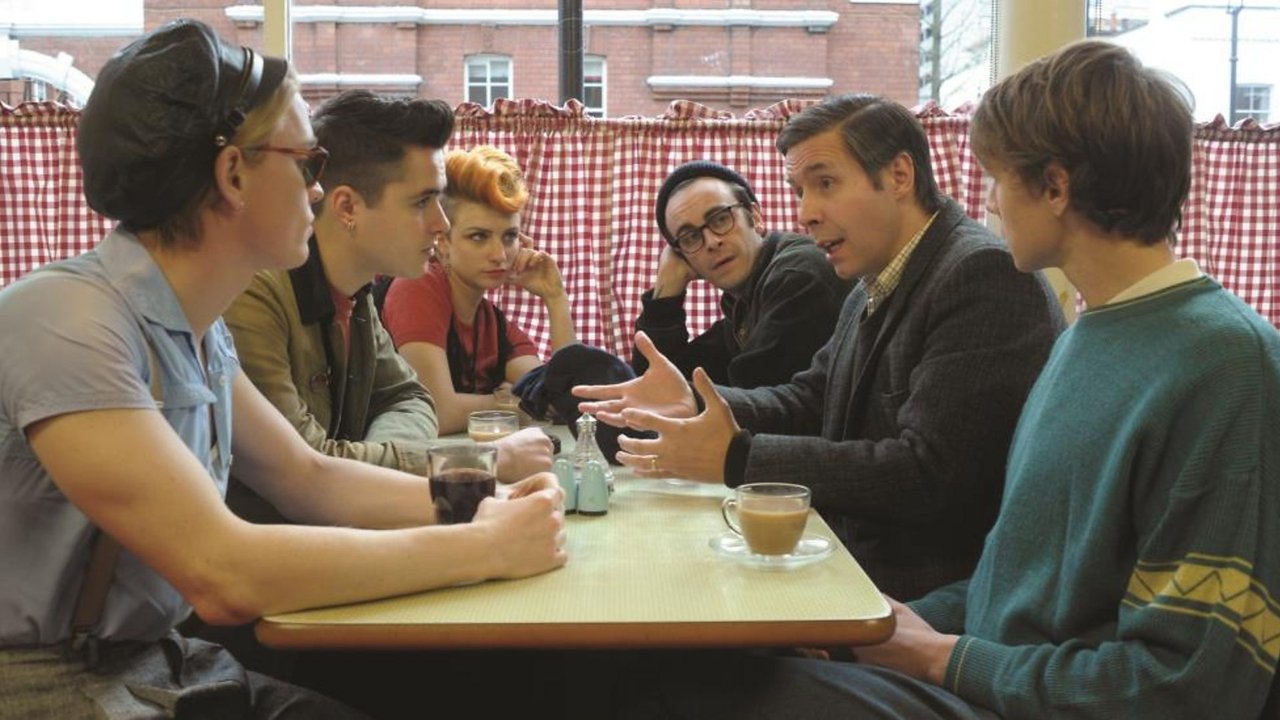
The 1984 miners’ strike in the UK usually conjures images of grit, grey skies, and Margaret Thatcher looking stern in a headscarf. It’s the backdrop for some of Britain’s most somber kitchen-sink dramas. But then there’s Pride, a film that looks at that same historical window and decides to throw a disco ball into the middle of a Welsh mining village. It’s a move that should feel tonally deaf, yet it results in one of the most genuinely moving experiences I’ve had with a movie in the last decade.

I actually watched this for the third time last Tuesday while nursing a slightly burnt batch of popcorn—I’ve decided my microwave has a personal vendetta against Orville Redenbacher—and even with the smell of scorched kernels lingering in the air, the film’s warmth managed to cut through. It’s a "hidden gem" in the truest sense; despite rave reviews and a Golden Globe nomination, it barely made a dent in the global box office. People saw the premise—gay activists supporting striking miners—and perhaps assumed it was either a dry history lesson or an aggressive political lecture. It is, joyfully, neither.
An Alliance of Outcasts
The story follows Mark Ashton (played with an infectious, restless energy by Ben Schnetzer), who realizes that the police have stopped harassing the London queer community because they’re too busy cracking heads in the north. His logic is simple: "The miners are being bullied by the government, just like us. Let's help." He forms LGSM (Lesbians and Gays Support the Miners), and after being rejected by almost every official union office, they find a tiny village in the Dulais Valley that’s desperate enough to accept their coins.
This is where the movie could have devolved into a series of "clash of cultures" clichés, but the screenplay by Stephen Beresford is too smart for that. It understands that the real friction isn't just between the city kids and the locals; it's within the groups themselves. George MacKay plays "Bromley," our eyes and ears, a closeted kid who tells his parents he’s studying pastry chef skills while he’s actually shaking a bucket outside a Tube station. His arc is the heartbeat of the film, capturing that terrifying, exhilarating moment of finding a "found family" while your biological one is still serving you Sunday roast with a side of unspoken judgment.
The Power of the Ensemble
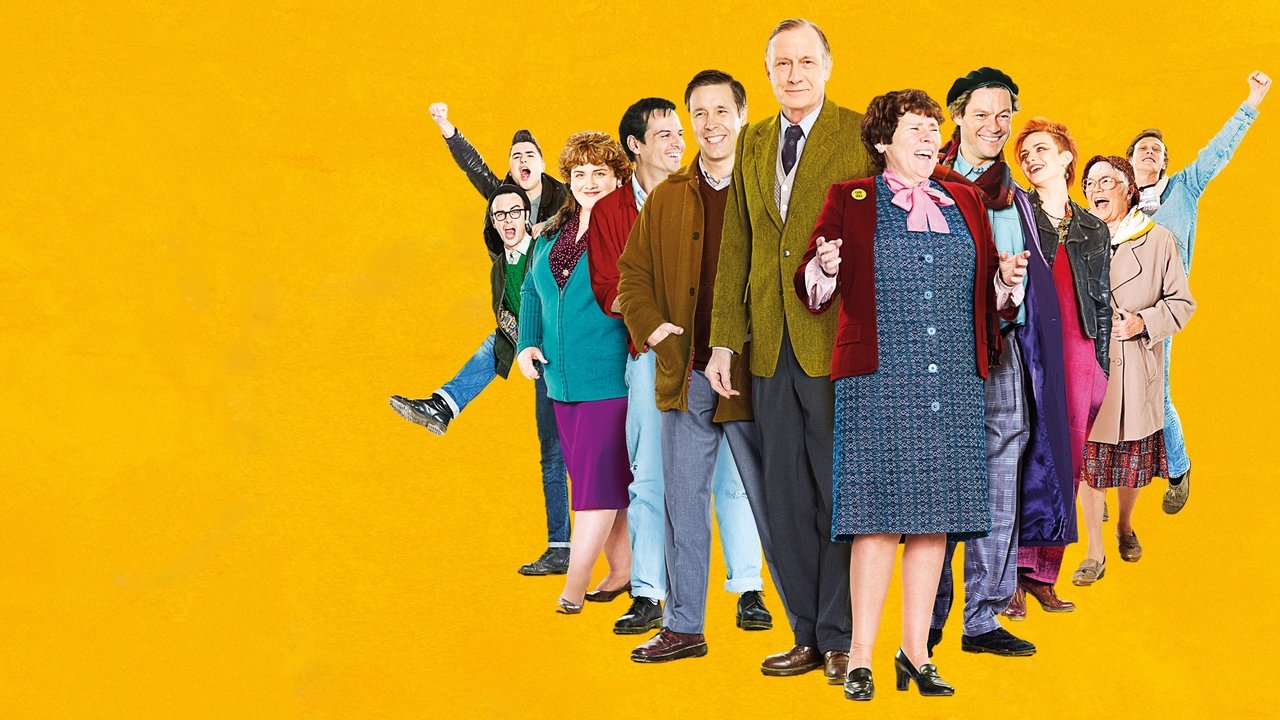
If you’re a fan of British acting royalty, Pride is basically a buffet. You’ve got Bill Nighy (of Love Actually fame) playing Cliff, a man so quiet you’d think he was part of the furniture, until he delivers a line that breaks your ribs. Opposite him is Imelda Staunton (the dreaded Umbridge from Harry Potter) as Hefina. Seeing her go from a stern committee leader to a woman enthusiastically leafing through a "leather lifestyle" magazine in a London club is the kind of cinematic joy that should be prescribed by doctors.
Then there’s Dominic West. Before he was playing Prince Charles in The Crown, he was Jonathan in Pride, an actor living with the looming shadow of the burgeoning AIDS crisis. He provides the film’s undisputed highlight: a dance sequence on a table in a Welsh welfare hall set to Shirley & Company’s "Shame, Shame, Shame." It’s basically a tactical nuclear strike of pure charisma. Watching him teach a group of stoic Welsh grandmothers how to disco is the moment you realize the film isn't just about politics—it’s about the radical act of being happy in the face of people who want you to disappear.
Why This One Stayed in the Shadows
It’s a bit of a mystery why Pride didn't become a Full Monty-sized crossover hit. Released in 2014, it sat at the end of that "Modern Cinema" era where mid-budget indie films were starting to get squeezed out by the nascent MCU and the rise of prestige streaming. It didn't have a massive CGI budget or a gritty post-9/11 aesthetic. Instead, it relied on Tat Radcliffe’s cinematography, which captures the lush, rolling greens of Wales and the neon-streaked grime of 80s London with equal affection.
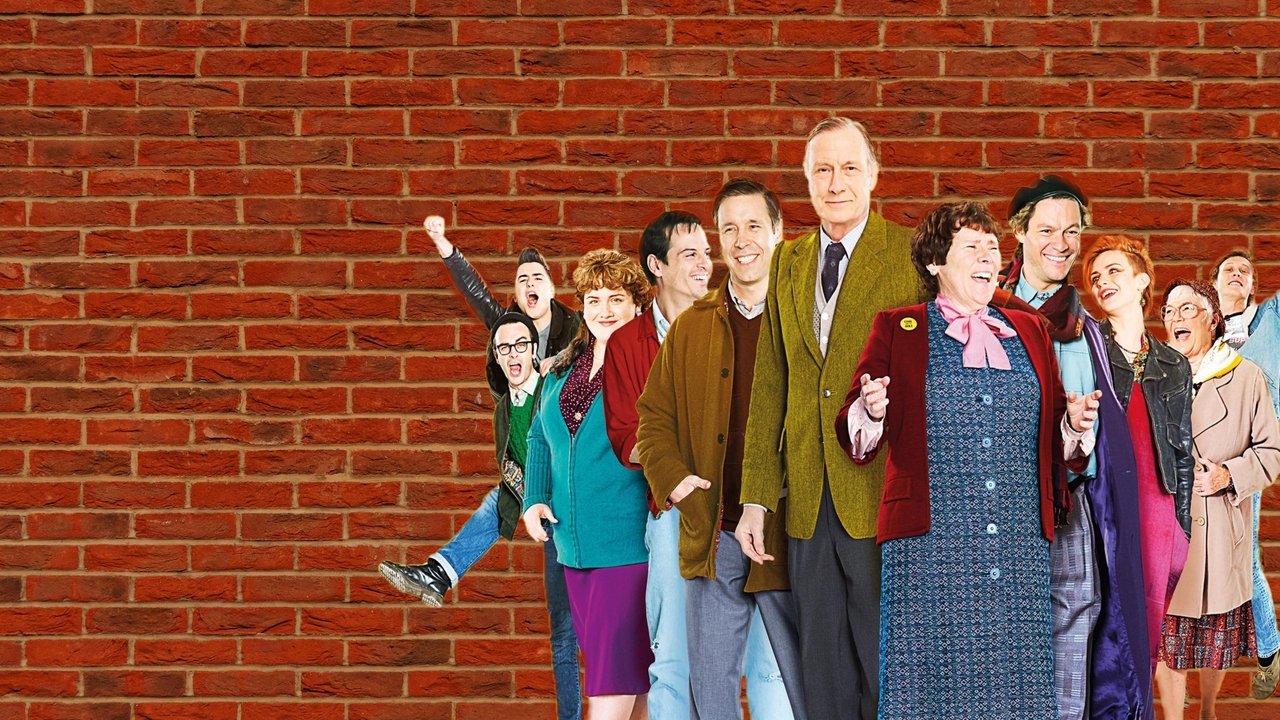
Looking back, the film’s obscurity might also stem from its refusal to be cynical. In an era where "prestige" often means "depressing," Pride is unashamedly hopeful. It deals with heavy themes—the strike ultimately failed, the AIDS crisis was beginning to decimate the community, and Thatcherism stayed rampant—but it chooses to focus on the bridge built between two groups that had no business liking each other. It’s a movie that treats empathy like a contact sport.
The DVD extras (remember those?) reveal that many of the real-life LGSM members were on set, and that sense of authenticity drips off the screen. It doesn't feel like a studio-mandated "inspirational story"; it feels like a group of people telling a story they’re afraid we might forget.
If you’re tired of movies that feel like they were assembled by an algorithm, find a way to stream Pride. It’s a reminder that the best dramas are the ones that let you laugh through the stakes. It captures a specific British cultural moment with the precision of a documentary and the soul of a musical. By the time the final march on Westminster happens, if you aren't at least a little bit misty-eyed, you might want to check your pulse. It’s a towering achievement in empathy, wrapped in a bright pink van and soundtracked by 80s synth-pop.
Keep Exploring...
-
Submarine
2011
-

Arthur Christmas
2011
-
Lemonade Mouth
2011
-
Filth
2013
-
Stuck in Love
2013
-
The 100 Year-Old Man Who Climbed Out the Window and Disappeared
2013
-
The Mafia Kills Only in Summer
2013
-
Feast
2014
-
The Hundred-Foot Journey
2014
-
The Boat That Rocked
2009
-

Cashback
2007
-

The Muppet Christmas Carol
1992
-
The Player
1992
-
Maverick
1994
-
EverAfter
1998
-

Pleasantville
1998
-
Blast from the Past
1999
-
The Spanish Apartment
2002
-
Holes
2003
-
Love Me If You Dare
2003