[REC]⁴ Apocalypse
"The voyage ends where the nightmare began."
![[REC]⁴ Apocalypse poster](https://image.tmdb.org/t/p/w500/nlSSZNESHkY1iPzYnpcRvYUr7Mz.jpg)
By 2014, the "found footage" gimmick had been bled drier than a sacrificial goat in a Barcelona basement. We’d seen it all: haunted houses, forest witches, and, most famously, a certain apartment building in Spain that turned a simple fire department ride-along into a masterclass in claustrophobic terror. When Jaume Balagueró returned to the director's chair for [REC]⁴ Apocalypse, he faced a dilemma: stick with the shaky-cam aesthetic that defined the franchise or evolve into something different. He chose the latter, trading the first-person perspective for traditional cinematography and a high-seas setting that feels more like a survival-horror video game than a gritty documentary.
![Scene from [REC]⁴ Apocalypse](https://image.tmdb.org/t/p/w1280/qyFEOqVfnjVFQfZLlStERorrtUf.jpg)
I watched this while recovering from a mild case of food poisoning, and honestly, the nauseating swaying of the ship on screen made my actual stomach cramps feel like a 4D cinema experience. It’s a strange way to close a tetralogy, but in the landscape of 2010s horror, it serves as a fascinating marker of a genre in transition.
Anchors Aweigh for the Apocalypse
The film picks up right where the chaos of the first two films left off. Our favorite traumatized reporter, Ángela Vidal, played with weary intensity by Manuela Velasco, is rescued from the infested apartment building. However, "rescue" is a generous term. She wakes up on a rusted oil tanker in the middle of the ocean, surrounded by soldiers and scientists who are less interested in her well-being and more interested in the demonic parasite hitching a ride in her gut.
This shift in setting is the film's strongest asset. An oil tanker is a natural evolution of the apartment building—tight corridors, flickering lights, and no easy way out. Paco Manzanedo joins the fray as Guzmán, a soldier who represents the series’ shift toward action-heavy horror. While the first two films relied on the "what's around the corner" dread, Apocalypse is much more concerned with "how many infected can we outrun in this hallway." It lacks the raw, low-budget ingenuity that made the 2007 original a global phenomenon, but it compensates with a polished, relentless energy that keeps the 95-minute runtime moving.
The Lore of the Leech
![Scene from [REC]⁴ Apocalypse](https://image.tmdb.org/t/p/w1280/948zJq2BoP48IuueUz3UpJyoagI.jpg)
One of the most divisive elements of the [REC] series is its mythology. It started as a "rabies" virus and pivoted into a story about demonic possession and a possessed young girl named Niña Medeiros. By the time we get to the fourth installment, the screenplay by Jaume Balagueró and Manu Díez tries to bridge the gap between science and the supernatural. We get Dr. Ricarte (Héctor Colomé), a man whose ethics are as questionable as the ship’s plumbing, trying to extract a vaccine from the original "seed" of the infection.
There’s a certain charm to how the film embraces its "B-movie" roots. We get infected monkeys, frantic computer hacking by a tech-geek survivor named Nic (Ismael Fritschi), and enough gore to satisfy the most demanding horror fans. However, the move away from found footage means the scares feel more "composed." You can see the jump scares coming because the camera tells you exactly where to look. It’s a competent thriller, but it frequently feels like a Resident Evil sequel that lost its way to the Raccoon City docks.
Indie Ingenuity on the High Seas
Despite its "Apocalypse" subtitle, this remains a relatively small-scale production. With a budget of around $3 million, the crew had to be resourceful. They filmed on a real merchant ship, the Bernardo de Zamacola, docked in Gran Canaria. Using a real vessel provided a level of grime and industrial authenticity that a soundstage could never replicate. You can almost smell the salt air and diesel fuel in every frame, a testament to Pablo Rosso’s cinematography, which manages to make the ship feel both massive and suffocating.
![Scene from [REC]⁴ Apocalypse](https://image.tmdb.org/t/p/w1280/tRKRvHxlI5w18c3Uxg3EsUcw3xK.jpg)
This is the quintessential "Passion Project" closer. After the third film, Genesis, took a hard turn into campy, comedic horror (which I personally found delightful but many purists hated), Apocalypse was an attempt to give the fans a "serious" ending. It’s the product of the Spanish horror boom of the 2000s—a movement that proved you didn't need Hollywood budgets to terrify a global audience. While it may not reach the heights of its predecessors, the commitment to seeing Ángela’s story through to the end is admirable.
[REC]⁴ Apocalypse is the cinematic equivalent of a heavy metal cover of a classic folk song. It’s louder, faster, and more polished, but it loses some of the soul that made the original haunting. Manuela Velasco remains the heart of the series, proving that a "final girl" is only as good as the grit she displays when the lights go out. It’s not the masterpiece the first film was, but as a midnight movie with a bucket of popcorn, it’s a perfectly functional piece of nautical carnage. If you’ve followed the series this far, you owe it to yourself to see how the infection finally jumps ship.
![Scene from [REC]⁴ Apocalypse](https://image.tmdb.org/t/p/w1280/gh3VM2yQhgGdyEU5cooqNFxMkWU.jpg)
![Scene from [REC]⁴ Apocalypse](https://image.tmdb.org/t/p/w1280/moU2c6o9sjBB5wEAMMvOPCnNuyv.jpg)
Keep Exploring...
-
![[REC]² backdrop](https://image.tmdb.org/t/p/w780/svZPLmBwYHjlwDwHkZz4EotpXqx.jpg)
[REC]²
2009
-
![[REC] backdrop](https://image.tmdb.org/t/p/w780/xfrguTH6maYiGsC8FXiQ9N3lZXw.jpg)
[REC]
2007
-
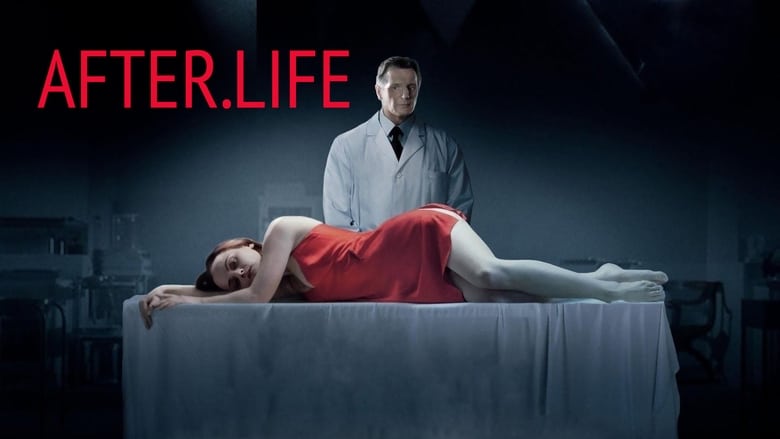
After.Life
2009
-

Wrong Turn 3: Left for Dead
2009
-

I Spit on Your Grave
2010
-
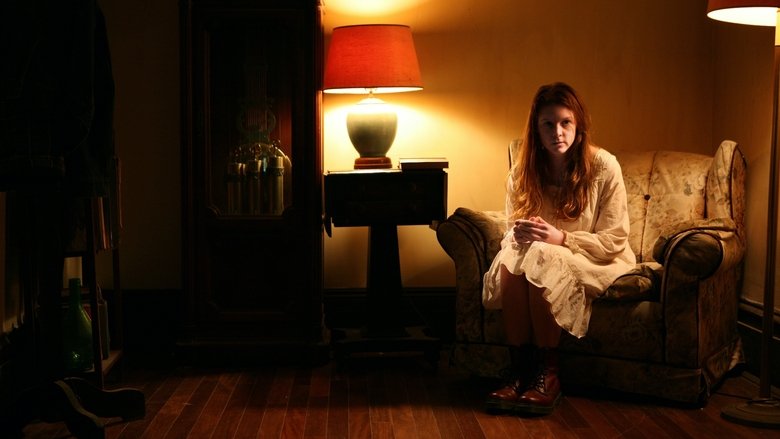
The Last Exorcism
2010
-
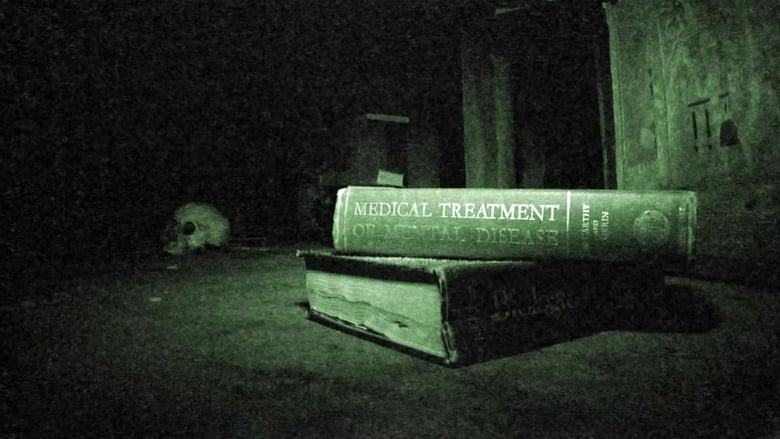
Grave Encounters
2011
-

Red State
2011
-

The Awakening
2011
-
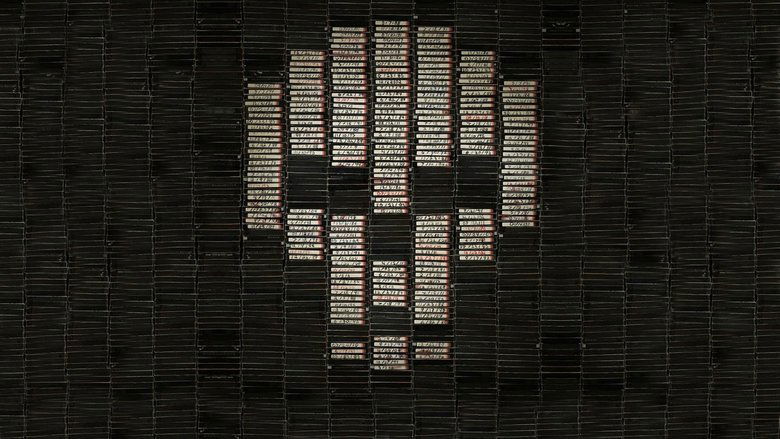
V/H/S
2012
-
Dark Skies
2013
-

The Hole
2001
-
Open Water
2004
-
Wolf Creek
2005
-

P2
2007
-

Sleep Tight
2011
-

Quarantine
2008
-

Wrong Turn 4: Bloody Beginnings
2011
-

The Purge
2013
-
Carriers
2009