Samba
"Hope is the only paper he needs."
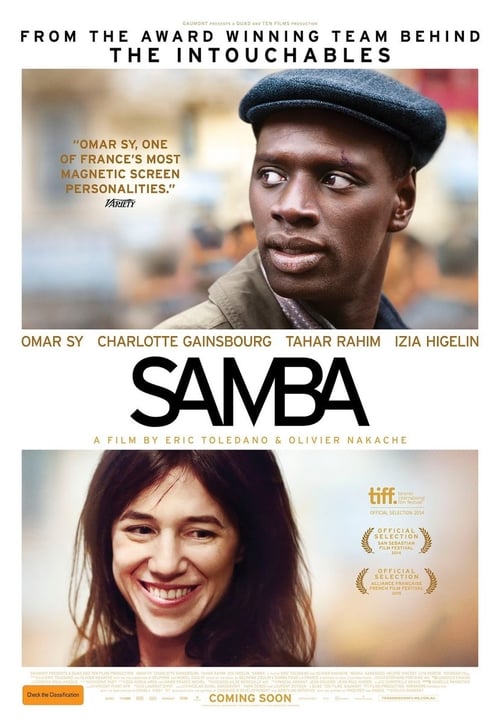
Imagine being the most recognizable face in France and deciding your next move is to play a man who is essentially invisible. That’s exactly what Omar Sy did in 2014. Coming off the stratospheric, record-breaking success of The Intouchables (2011), the world expected him to go full Hollywood or perhaps deliver Intouchables 2: Electric Boogaloo. Instead, he teamed back up with directors Éric Toledano and Olivier Nakache for Samba, a film that feels like a deep, melancholic exhale after a long day of pretending everything is fine.
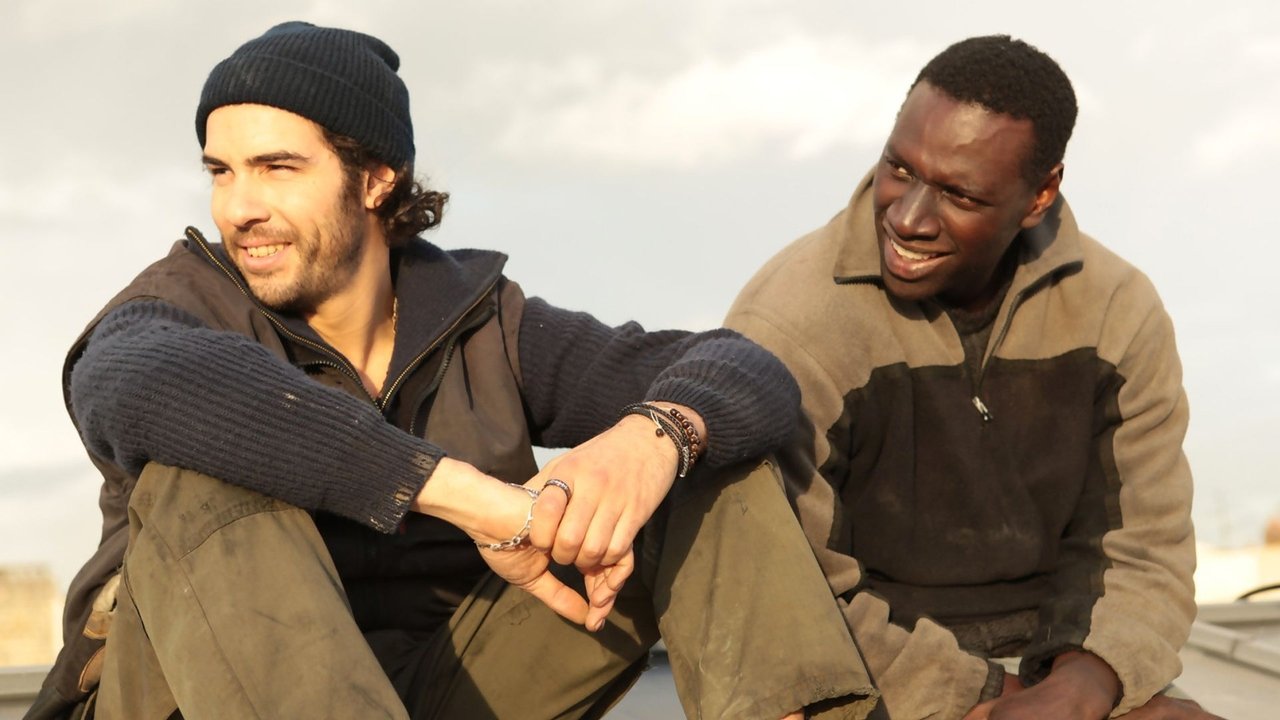
I watched this for the first time while nursing a lukewarm cup of Earl Grey and eating a slightly stale baguette I bought purely because I wanted to feel "thematic." I realized halfway through that my "cultural immersion" was exactly the kind of shallow, performative gesture the movie gently needles. Samba isn't interested in the postcard Paris; it’s interested in the Paris that scrubs the toilets and washes the dishes after the tourists go to bed.
The Intouchables Hangover
There is a specific kind of pressure that comes with a "follow-up" film. In the mid-2010s, Toledano and Nakache were the kings of the French "dramedy," a genre they practically perfected. With Samba, they tried to do something trickier: balance the crushing weight of the immigrant experience with the zany, kinetic energy of a romantic comedy. Looking back from a decade away, it’s clear why this film didn’t reach the same heights as its predecessor. It’s messier, moodier, and refuses to give the audience the easy, feel-good high they were chasing.
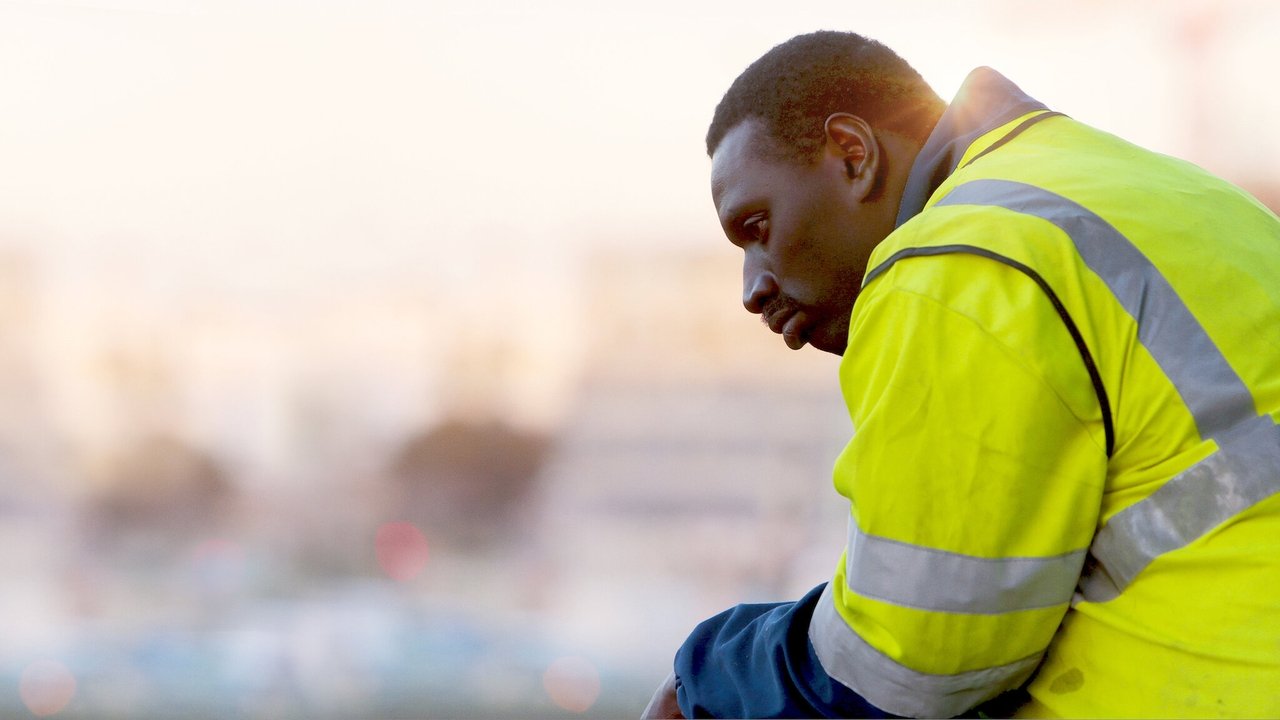
Omar Sy plays Samba Cissé, a Senegalese migrant who has been living in the shadows of France for ten years. He’s a "lowly" worker in the eyes of the state, but on screen, Sy is a mountain of a man. His physical presence is so massive that the moments where he has to shrink himself down—to avoid the police or to blend into a kitchen wall—feel physically painful to watch. He’s looking for his working papers, but what he’s actually looking for is the right to exist without flinching every time a siren goes off.
A Tale of Two Burnouts
Then we have Alice, played by Charlotte Gainsbourg. Now, I usually think of Gainsbourg as the queen of high-concept arthouse misery (thanks, Lars von Trier), but here she plays a high-flying executive who has suffered a massive mental breakdown. She’s volunteering at an immigration advocacy center as part of her "recovery," which is where she meets Samba.
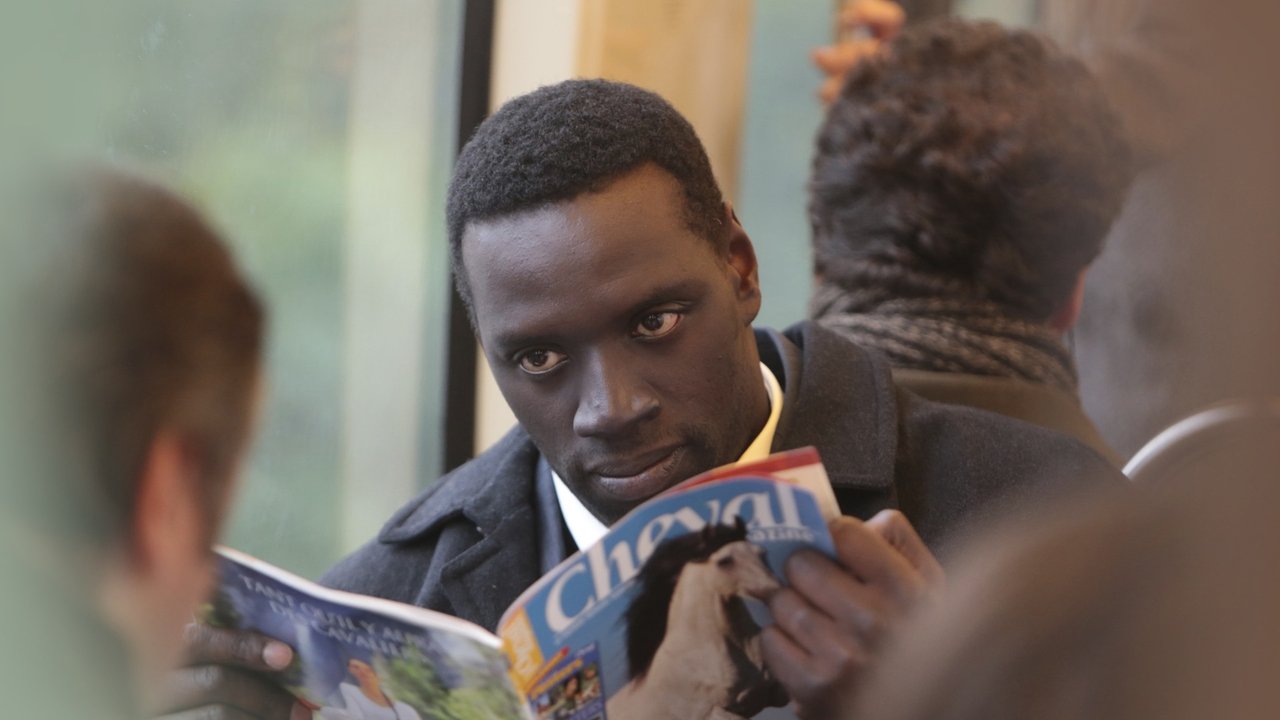
Their chemistry is deliberately clunky. It’s not the sparks-flying, violins-swelling romance of a typical French film. It’s more like two people who have both been dropped into a cold lake and are grabbing onto each other so they don't drown. Charlotte Gainsbourg looks like she’s made of glass that’s already cracked but hasn’t quite shattered yet, and watching her try to navigate the paperwork of Samba’s life while her own brain is on fire is some of the most "human" acting I’ve seen from this era.
The real lightning bolt, however, is Tahar Rahim. Best known for his chillingly intense role in A Prophet (2009), he shows up here as Wilson, a fellow migrant who claims to be Brazilian because "it helps with the ladies." Rahim is the human equivalent of an espresso shot spiked with tequila. He provides the comedy that keeps the film from sinking into pure social realism, and his "coke-dance" scene on a high-rise window-washing platform is a moment of pure, unadulterated cinematic joy.
The Invisible Side of Paris
What strikes me now, reassessing Samba in the context of the mid-2010s, is how it captured the burgeoning anxiety of the European migrant crisis just before it became the dominant headline of the decade. The film’s financial performance—earning a pittance in the US compared to its $20 million budget—suggests that international audiences weren't quite ready for a "fun" movie about the crushing bureaucracy of deportation.
It’s a bit of a "forgotten oddity" because it sits in the shadow of a masterpiece. It uses Ludovico Einaudi’s score (the same composer from The Intouchables) to evoke that familiar sense of sweeping emotion, but the story is more jagged. The film transitions from a scene of someone jumping off a bridge to a scene of Omar Sy trying to act like a Brazilian dancer. Some critics at the time found the tonal shifts jarring, but I’d argue that’s exactly what life feels like when you’re living on the edge. It’s a series of high-stakes terrors interrupted by moments of absurd, necessary laughter.

The cinematography by Stéphane Fontaine (who also shot A Prophet and Jackie) eschews the golden-hour glow of tourist cinema. Instead, we get the fluorescent hum of detention centers and the grey, industrial outskirts of the city. It’s a film that demands you look at the people you usually walk past.
Samba isn't the perfectly polished diamond that The Intouchables was, but its flaws make it more interesting to revisit. It’s a movie that tries to do too much—social commentary, romance, slapstick, and tragedy—and while it occasionally trips over its own feet, it does so with an enormous amount of heart. If you’re looking for a drama that earns its emotional beats without treating its characters like statistics, this is a hidden gem from the tail end of the digital transition era that deserves a second look. Just maybe skip the stale baguette while watching.
Actually, the ending—which I won’t spoil—is one of those "wait, did they just...?" moments that will keep you thinking long after the credits roll. It’s a reminder that for some people, the greatest luxury in the world isn't money or fame; it’s just the ability to stand still.

Keep Exploring...
-
The Intouchables
2011
-
Those Happy Days
2006
-

The Informant!
2009
-
Morning Glory
2010
-

Salmon Fishing in the Yemen
2012
-
The Odd Life of Timothy Green
2012
-

What to Expect When You're Expecting
2012
-
Filth
2013
-
The 100 Year-Old Man Who Climbed Out the Window and Disappeared
2013
-

Men, Women & Children
2014
-
The Cobbler
2014
-
The Hundred-Foot Journey
2014
-
This Is Where I Leave You
2014
-
Veronica Mars
2014
-
The Spanish Apartment
2002
-
C'est la vie!
2017
-
Princess Protection Program
2009
-

Wizards of Waverly Place: The Movie
2009
-
Drinking Buddies
2013
-
The Mafia Kills Only in Summer
2013