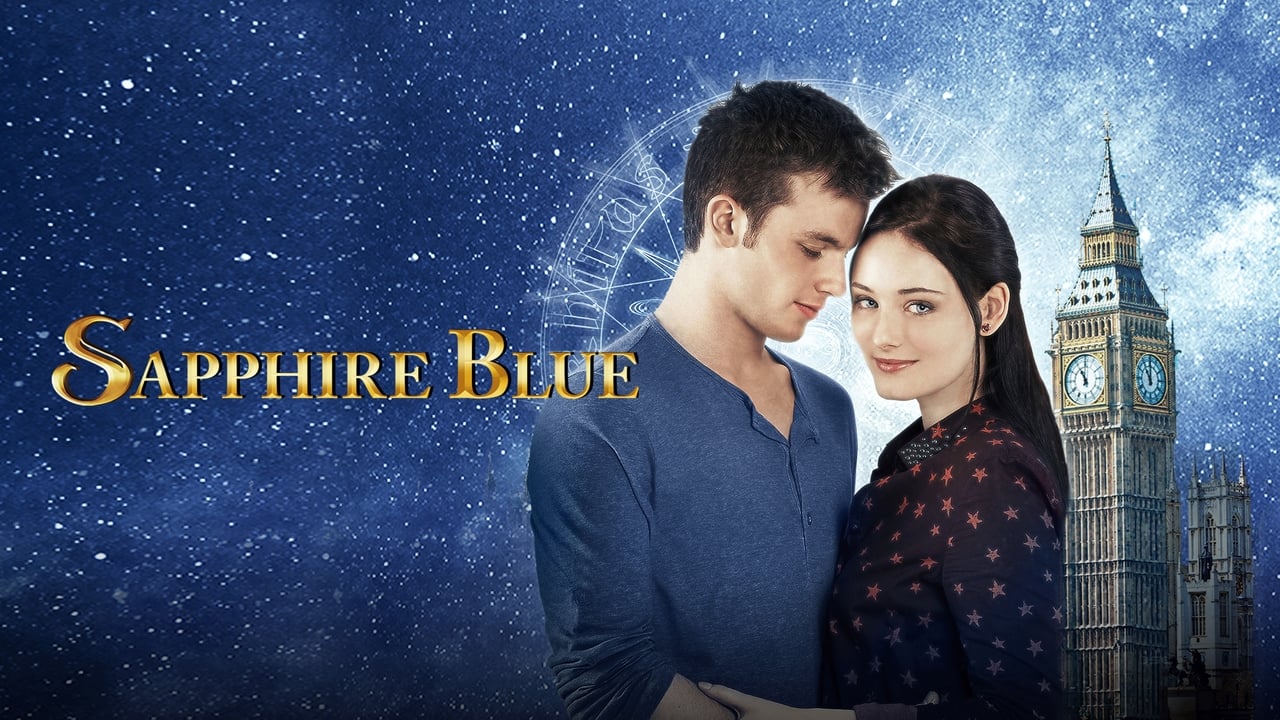
Sapphire Blue
"Lust, lace, and a very confusing chronograph."

In the mid-2010s, if you weren’t a teenager with a destiny, a love triangle, and a supernatural secret, were you even living? We were deep in the post-Twilight trenches, a time when every studio on the planet was desperately hunting for the next YA "chosen one" to propel a multi-film franchise. While Hollywood was busy with The Hunger Games and Divergent, German cinema quietly threw its tricorn hat into the ring with the Edelstein-Trilogie.
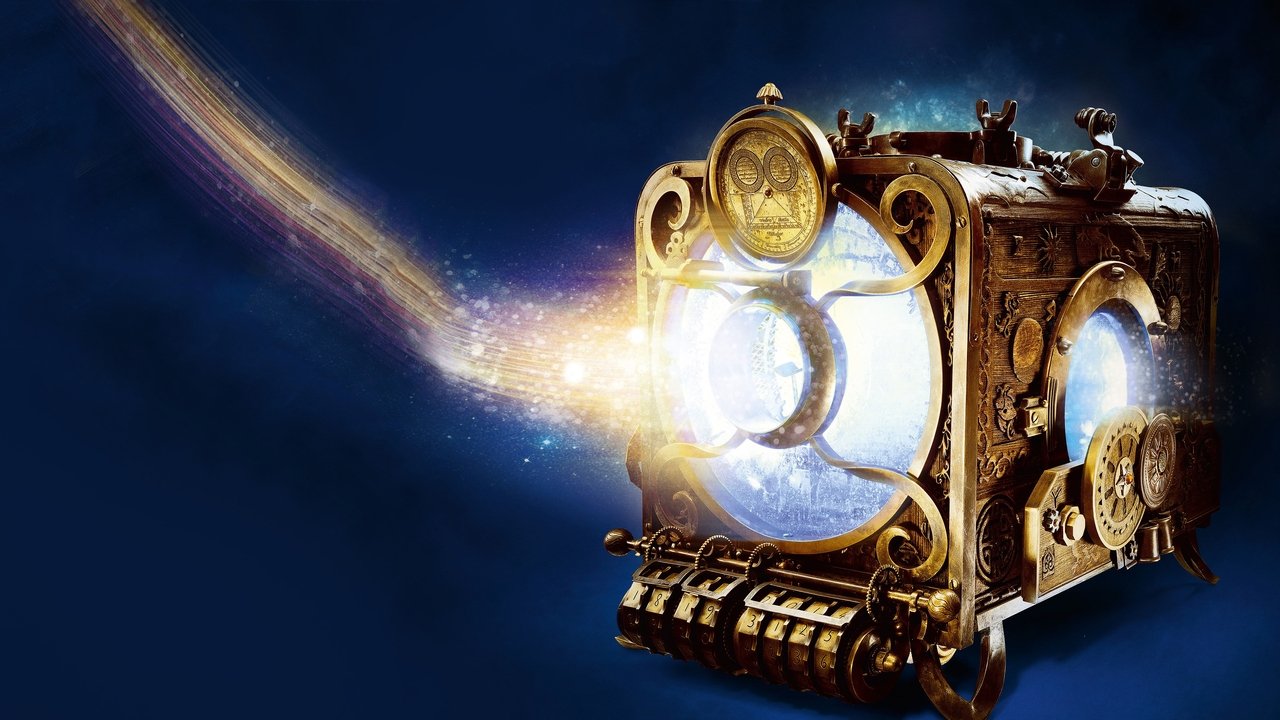
Sapphire Blue (or Saphirblau if you’re feeling linguistic) is the middle child of this adaptation of Kerstin Gier’s best-selling novels. Looking back at it now, it captures a very specific 2014 energy: a blend of high-definition digital crispness, slightly-too-perfect costuming, and that earnest, unironic teenage angst that feels like it belongs in a time capsule. I watched this while trying to assemble a particularly stubborn IKEA nightstand, and honestly, the film’s labyrinthine time-travel logic was still easier to put together than a Hemnes drawer.
High School is Hard, 1782 is Harder
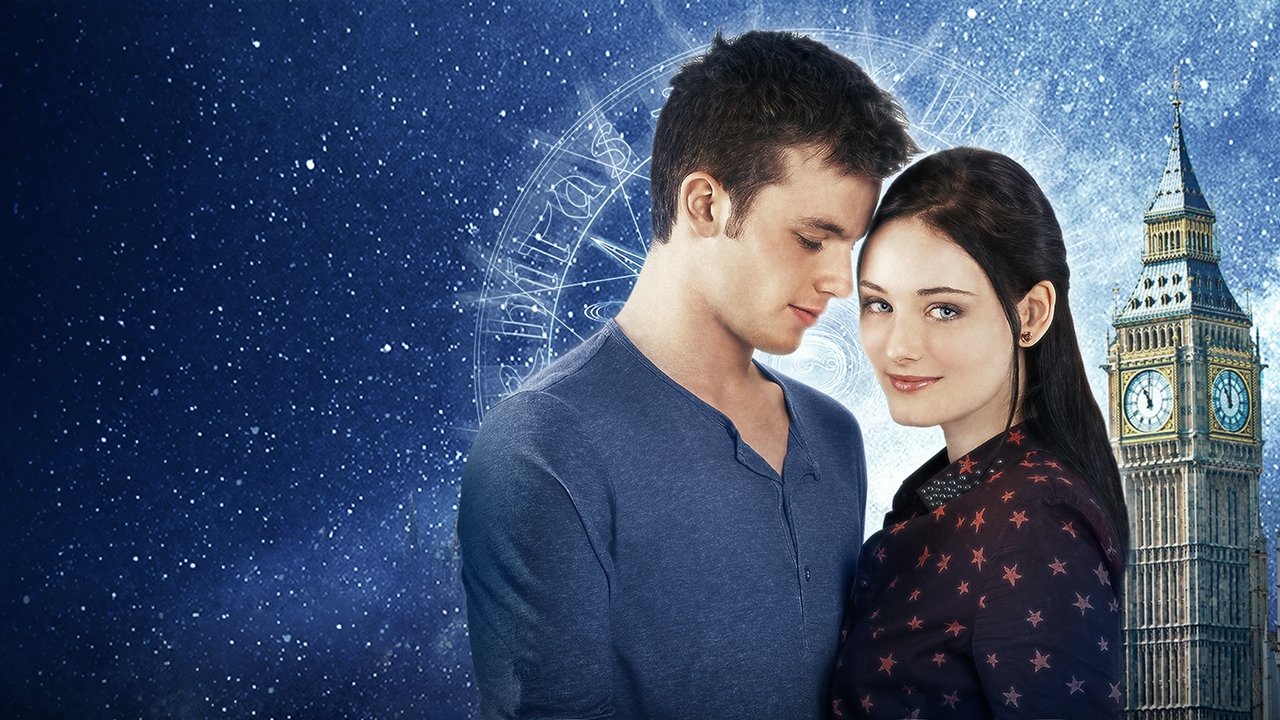
Picking up exactly where Ruby Red left off, we follow Gwendolyn Shepherd—played with a winning, clumsy charm by Maria Ehrich. Gwen has just realized she is the "Ruby," the final member of a secret circle of time travelers. Her life has become a whirlwind of 18th-century etiquette lessons and dodging the sinister machinations of the Count of St. Germain, played with a delightful, scenery-chewing villainy by Peter Simonischek.
The heart of the film, for better or worse, is the relationship between Gwen and Gideon de Villiers. Jannis Niewöhner plays Gideon with the kind of smoldering, "I’m-being-a-jerk-to-protect-you" intensity that was mandatory for male leads in 2014. Watching them now, I’m struck by how much this film relies on the "he loves me, he loves me not" plot armor to pad out the runtime. One minute they are sharing a romantic moment in the past; the next, Gideon is acting like Gwen is a mild inconvenience. It’s exhausting, but Maria Ehrich’s performance keeps it grounded. She has this "why is this my life?" look in her eyes that makes her incredibly relatable, even when she’s wearing a ballgown in a basement.
Digital Shine and Period Polish
Technically, Sapphire Blue is a fascinating artifact of its era. With a box office of just over $5 million, it didn't have the "infinite money" budget of a Marvel film, but directors Katharina Schöde and Felix Fuchssteiner make every Euro count. The production design is gorgeous—all mahogany libraries and velvet waistcoats.
However, the CGI reveals the growing pains of the time. There’s a gargoyle named Xemerius (voiced by Rufus Beck) who serves as Gwen's invisible sidekick. The digital integration of a 3D character into live-action scenes was still a tall order for mid-budget European cinema in 2014, and there are moments where Xemerius looks like he wandered out of a late-era PlayStation 3 cutscene. It’s not a dealbreaker, but it’s a reminder of how rapidly digital effects evolved in just a decade. What wowed us in the DVD special features back then feels quaint now, but there’s a tactile warmth to the practical sets and London locations that CGI can’t quite replicate.
The Mystery of the Circle
The drama here isn't just about who Gwen is going to prom with; it’s about the "Circle of Twelve" and the prophecy that suggests something terrible happens when everyone’s blood is collected in a fancy device called a chronograph. The film struggles a bit with the "middle movie syndrome"—it spends a lot of time moving pieces around the board without giving us the checkmate. We get hints of Gwen’s family history, featuring Josefine Preuß as Lucy and Florian Bartholomäi as Paul, who provide the necessary "adult" stakes to the story.
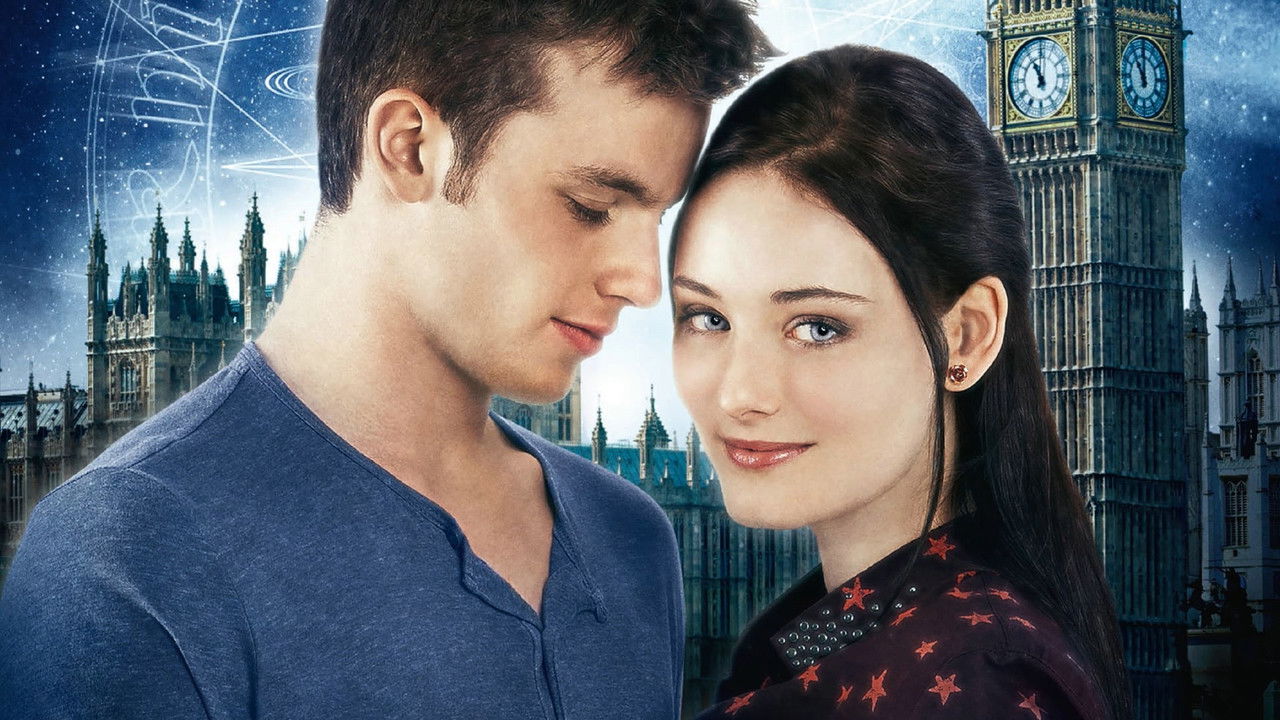
One of the more interesting behind-the-scenes aspects is how the production handled its London setting. Despite being a German production, much of the film is set in the UK. This creates a slightly "uncanny valley" version of London—it looks right, but the vibe is distinctly European-continental. It gives the film a unique flavor that separates it from the grittier, more cynical YA adaptations coming out of North America at the time. It’s unapologetically romantic and colorful, leaning into the "Sapphire" of its title with a lush, blue-tinted palette.
Ultimately, Sapphire Blue is a cozy, slightly messy, but thoroughly endearing slice of fantasy. It’s the kind of movie you’d find on a DVD shelf and keep because it feels like a comfort watch on a rainy Tuesday. It doesn’t reinvent the time-travel wheel, but it puts some very pretty ribbons on it.
If you can look past the occasionally clunky dialogue and the "Gideon being a brooding enigma" trope, there’s a lot to enjoy here. The chemistry between the leads is genuine, and the mystery of the Count’s true intentions provides just enough narrative hook to keep you interested for the final installment. It captures a moment in cinema history right before the YA bubble burst, reminding me of a time when we weren't worried about shared universes—just whether Gwen would get her dance in the 18th century.
Keep Exploring...
-

Ruby Red
2013
-
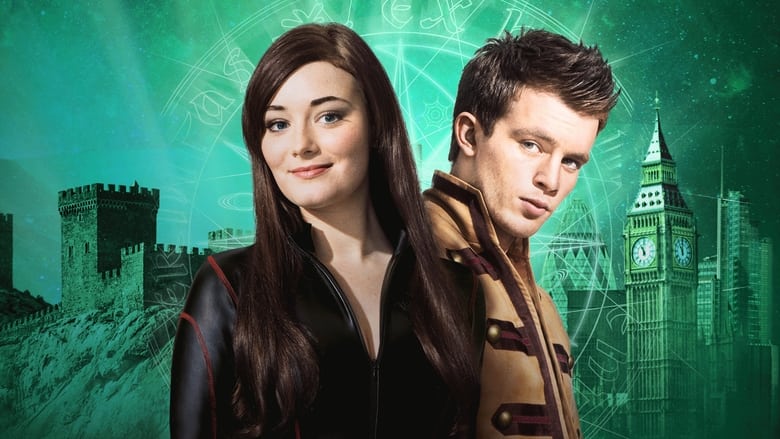
Emerald Green
2016
-

Ruby Sparks
2012
-
Winter's Tale
2014
-
Sliding Doors
1998
-
The Legend of Bagger Vance
2000
-
Just My Luck
2006
-
Across the Universe
2007
-
Ghost Town
2008
-

17 Again
2009
-
The Time Traveler's Wife
2009
-

The Twilight Saga: Eclipse
2010
-
Beastly
2011
-

The Twilight Saga: Breaking Dawn - Part 2
2012
-
Upside Down
2012
-
About Time
2013
-
A Single Man
2009
-
An Education
2009
-

Crazy Heart
2009
-
The Young Victoria
2009