Selma
"The vote is the voice."
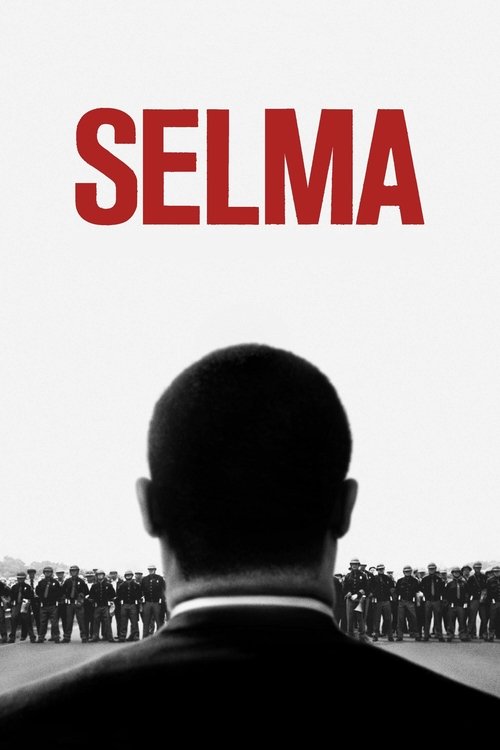
Most biopics about Dr. Martin Luther King, Jr. treat him like a marble statue—cold, perfect, and terrifyingly distant. We see him on the monuments and in the history books, frozen in a mid-shout of "I Have a Dream." But when I sat down to watch Selma, I didn't find a statue. I found a tired man in a crumpled suit, sitting in a kitchen, worrying about his marriage and his mortality. That’s the magic trick Ava DuVernay pulled off in 2014, and it’s why I find myself returning to this film whenever the world feels particularly heavy.
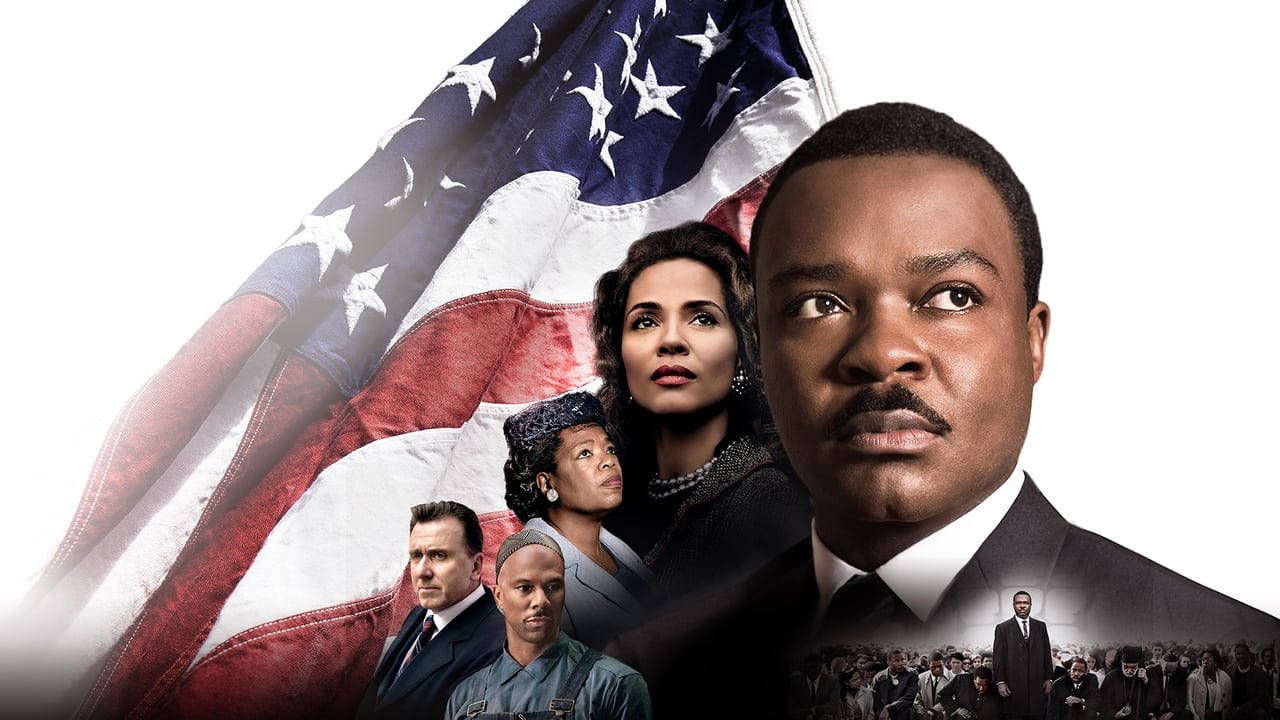
I watched this for the second time on a Tuesday afternoon while drinking a lukewarm ginger ale that had lost its fizz twenty minutes prior. Somehow, that flat soda felt appropriate. Selma isn’t about the sparkling, carbonated version of history; it’s about the flat, grueling reality of organizing a movement. It’s a drama that trades in the "big moments" for the quiet, tactical conversations that happen in dark hallways and over breakfast tables.
A King Made of Flesh and Bone
The weight of this film rests entirely on the shoulders of David Oyelowo, and he carries it with a grace that honestly makes most other biographical performances look like cheap impressions. I’ve always been a bit skeptical of British actors playing iconic American figures—it often feels like they’re trying too hard to capture the "accent" and losing the soul. But Oyelowo (who you might recognize from Interstellar or The Last King of Scotland) disappears. He captures that specific, rolling cadence of King’s voice, but more importantly, he captures the eyes of a man who knows he’s being hunted.
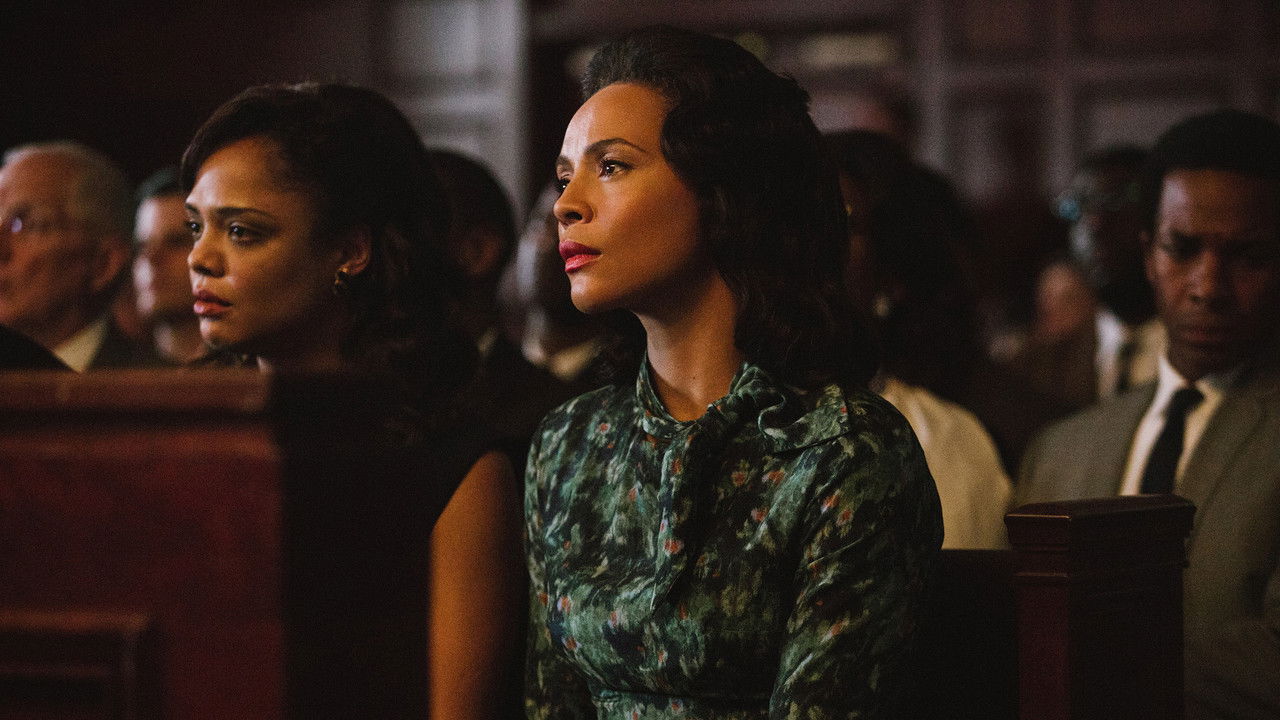
The chemistry between him and Carmen Ejogo, who plays Coretta Scott King, provides the film's emotional marrow. There’s a scene involving a tape recording sent by the FBI to their home that is absolutely gut-wrenching. It’s not about the politics of the South; it’s about the invasion of a marriage. Ejogo plays Coretta with a dignified weariness that reminded me that being the wife of a revolution is a job nobody should have to want.
Then you have the antagonists. Tom Wilkinson plays LBJ not as a mustache-twirling villain, but as a pragmatist who is simply annoyed that the "race issue" is getting in the way of his other plans. Wilkinson looks like a man who just smelled a very suspicious ham throughout most of his scenes, which is exactly how I imagine Johnson felt during those tense Oval Office meetings. And Tim Roth as George Wallace? He’s so oily you feel like you need a shower after his scenes.
The Logistics of a Revolution
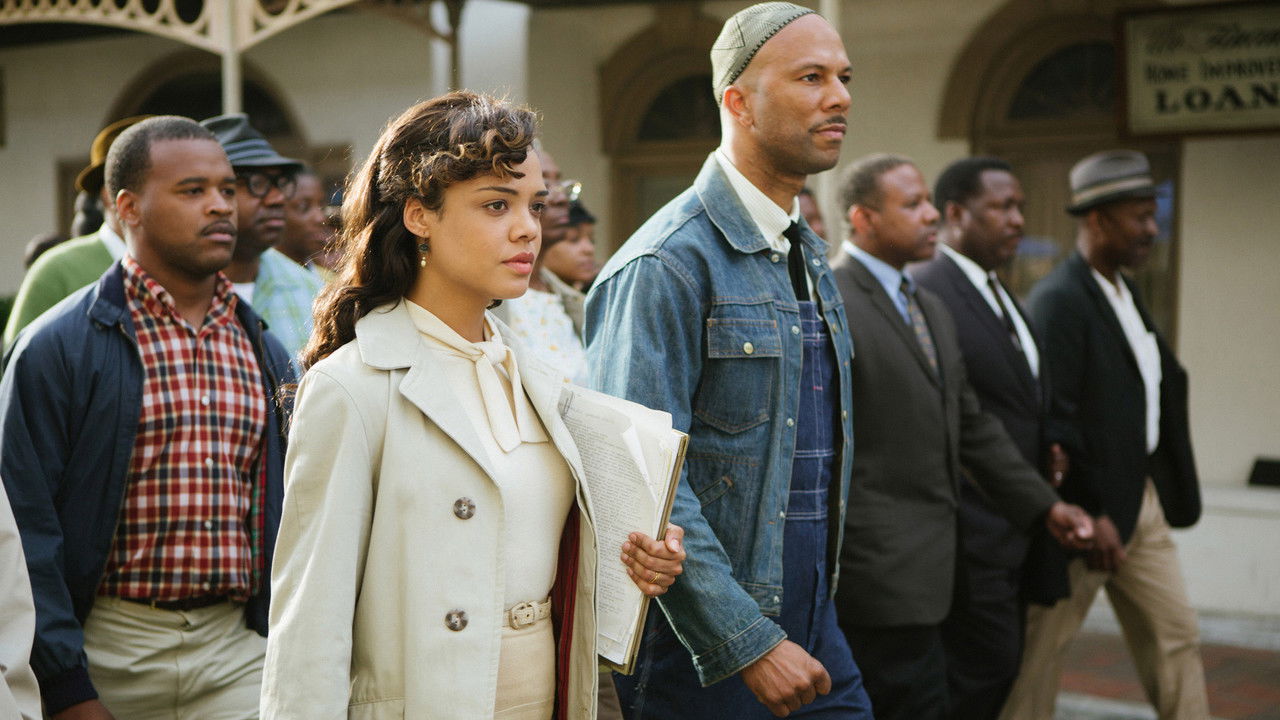
What I love about DuVernay’s direction is that she treats the march from Selma to Montgomery like a military campaign. We see the internal friction within the SCLC and SNCC—the younger activists who were frustrated with King’s "theatrical" approach. It turns the Civil Rights Movement from a singular, inevitable event into a fragile, debated-upon strategy.
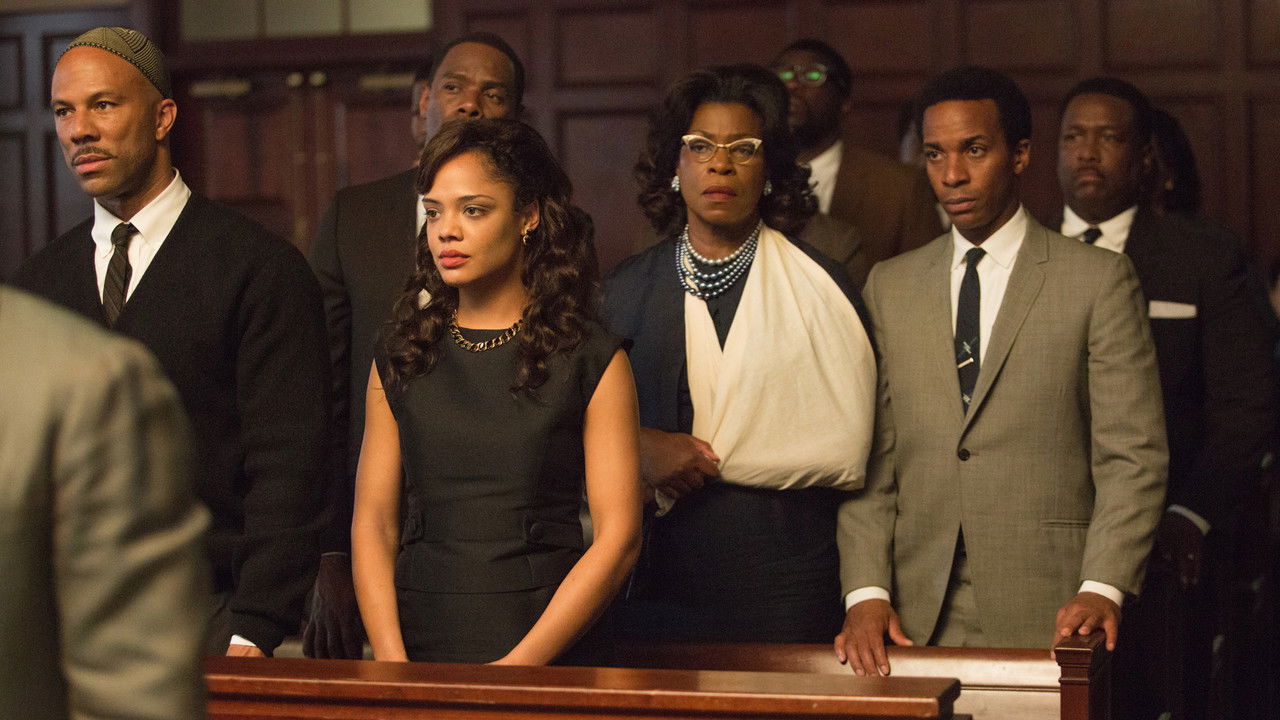
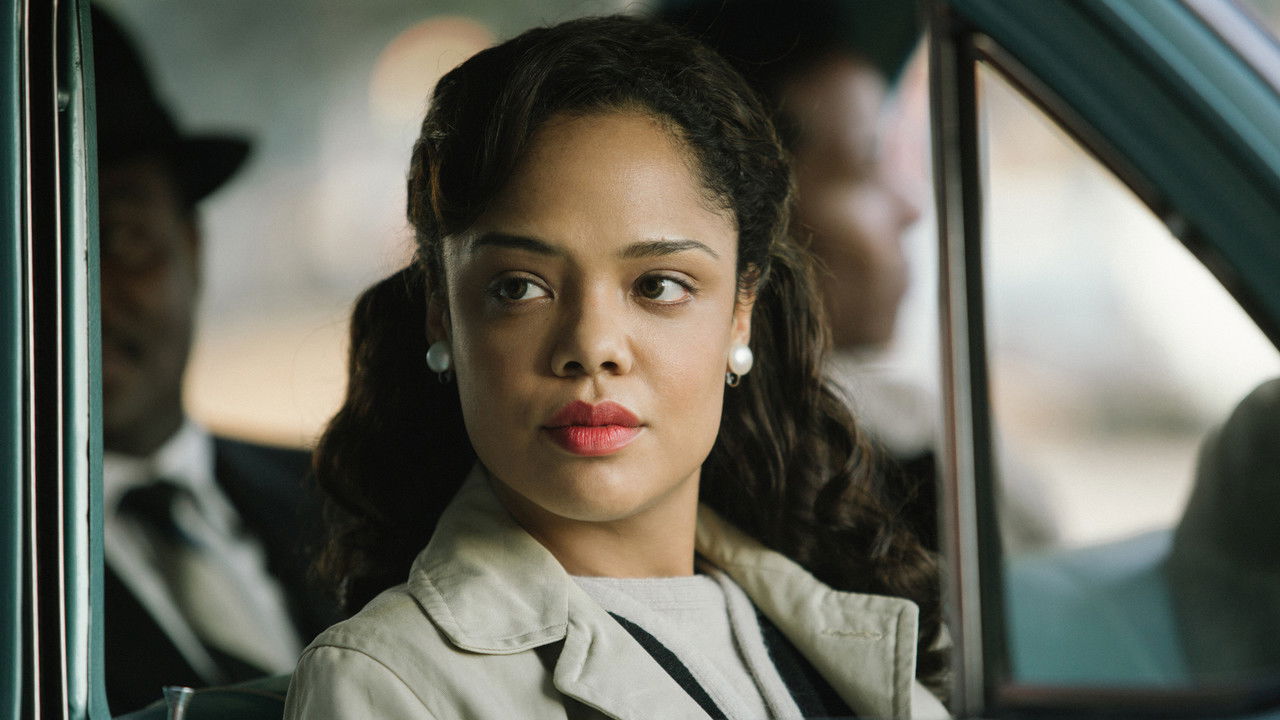
The cinematography by Bradford Young is also a standout. This was a peak moment in the 1990-2014 era where digital cameras finally started to capture the warmth and texture of film. Everything in Selma feels bathed in a golden, dusty amber. It doesn't look like a "movie set"; it looks like a memory. During the "Bloody Sunday" sequence on the Edmund Pettus Bridge, the use of slow motion and fog creates a nightmare landscape that feels more like a horror movie than a historical drama. It earns its emotional impact without feeling like it’s exploiting the tragedy.
The Speechless Speeches
There’s a fascinating bit of trivia that makes the script even more impressive: the MLK estate actually denied the filmmakers the rights to use King’s actual speeches. They had already sold the rights to Steven Spielberg for a different project. Imagine trying to make a movie about the greatest orator in American history without being allowed to use his words!
DuVernay and screenwriter Paul Webb had to write "King-like" speeches that captured the rhythm and spirit of the originals without infringing on the copyright. I actually think the film is better for it. Because we aren't hearing the famous lines we’ve memorized since grade school, we’re actually listening to the words for the first time.
The film also holds a strange "cult" legacy in the awards circuit. Despite being one of the best-reviewed films of 2014, it was famously snubbed in almost every major Oscar category except Best Original Song (which "Glory" rightfully won). This snub actually birthed the #OscarsSoWhite movement on social media. Looking back, it’s wild to think that Oyelowo wasn't even nominated. I guess the Academy was too busy patting itself on the back for 'Birdman' to notice a definitive performance.
Selma is the rare historical drama that understands that history isn't made by giants, but by people who are tired, scared, and stubborn. It avoids the trap of being "homework cinema"—you know, those movies that are good for you but boring to watch. It’s a tense, beautifully shot political thriller that just happens to be true. It’s a reminder that the bridge is never really crossed for good; we’re all just trying to keep walking.
Watching those end credits roll while John Legend and Common’s "Glory" plays is one of those rare cinematic moments where you feel both exhausted and energized. If you missed this during its initial run because you thought it was "just another biopic," go back and fix that mistake. It’s a masterpiece of the era.
Keep Exploring...
-
Public Enemies
2009
-
Invictus
2009
-
Ip Man 2
2010
-
Anna Karenina
2012
-
The Patriot
2000
-
Ed Wood
1994
-
Coach Carter
2005
-

Marie Antoinette
2006
-

Milk
2008
-

Seven Years in Tibet
1997
-
The Thin Red Line
1998
-
Enemy at the Gates
2001
-
Gangs of New York
2002
-
Hotel Rwanda
2004
-
The Chorus
2004
-

Cinderella Man
2005
-
Kingdom of Heaven
2005
-

Memoirs of a Geisha
2005
-
Munich
2005
-
Ip Man
2008