Serial (Bad) Weddings
"One conservative family, four weddings, and a massive cocktail of clichés."

If you ever want to see a film that feels like it’s dancing on a razor blade made of social taboos while wearing a very expensive pair of French loafers, look no further than Serial (Bad) Weddings (or Qu'est-ce qu'on a fait au Bon Dieu? to its friends). Released in 2014, right at the tail end of the era where physical media was still gasping for air and European comedies could still become global juggernauts without a superhero in sight, this movie is a fascinating time capsule. It’s a farce that manages to be deeply traditional and aggressively provocative all at once.
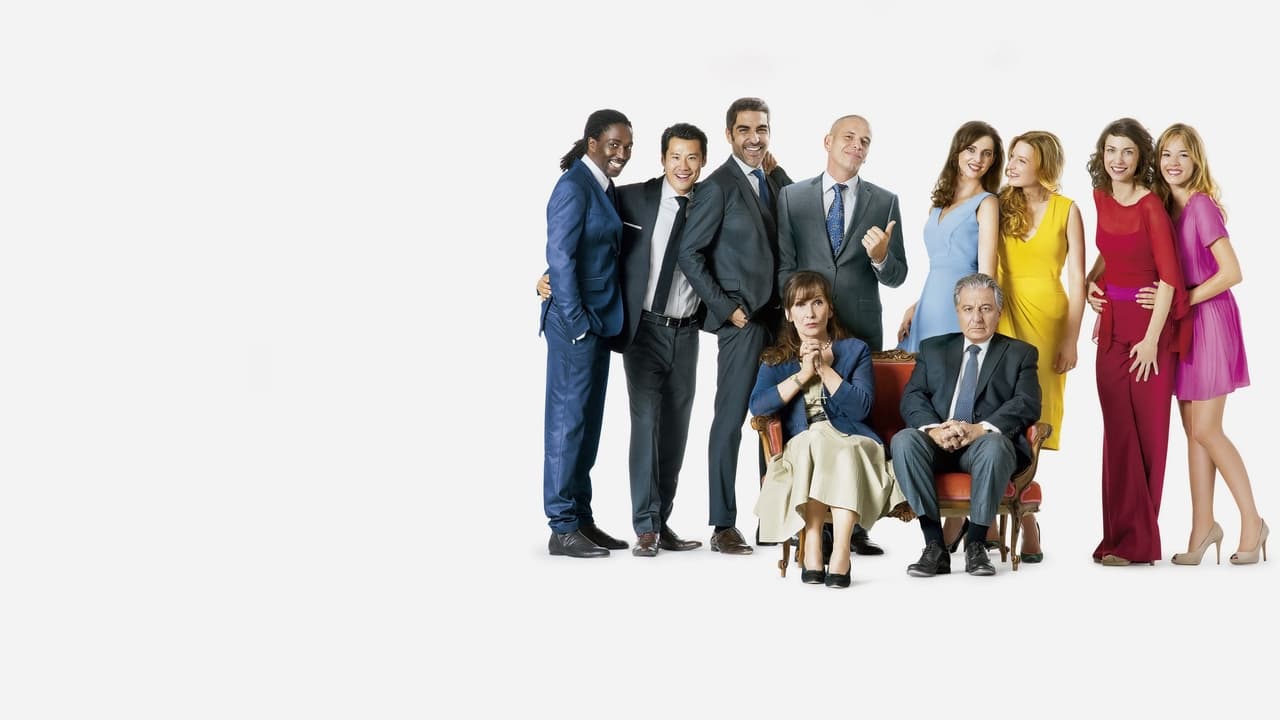
I’ll be honest: I watched this on a Tuesday afternoon while my neighbor was loudly power-washing his driveway, and the rhythmic drone of the water weirdly synchronized with the rapid-fire bickering on screen. It actually added a certain industrial percussion to the family’s frantic meltdowns that I think the director, Philippe de Chauveron, might have appreciated.
A Masterclass in Equal-Opportunity Offense
The premise is a classic "worst nightmare" scenario for the old-guard bourgeoisie. Claude (Christian Clavier) and Marie (Chantal Lauby) are the quintessential upper-class Catholic Gaullists. They live in a sprawling estate in Chinon, love their organ music, and clearly expected their four daughters to marry men who look exactly like Claude. Instead, the first three daughters bring home a Muslim lawyer, a Jewish entrepreneur, and a Chinese banker.
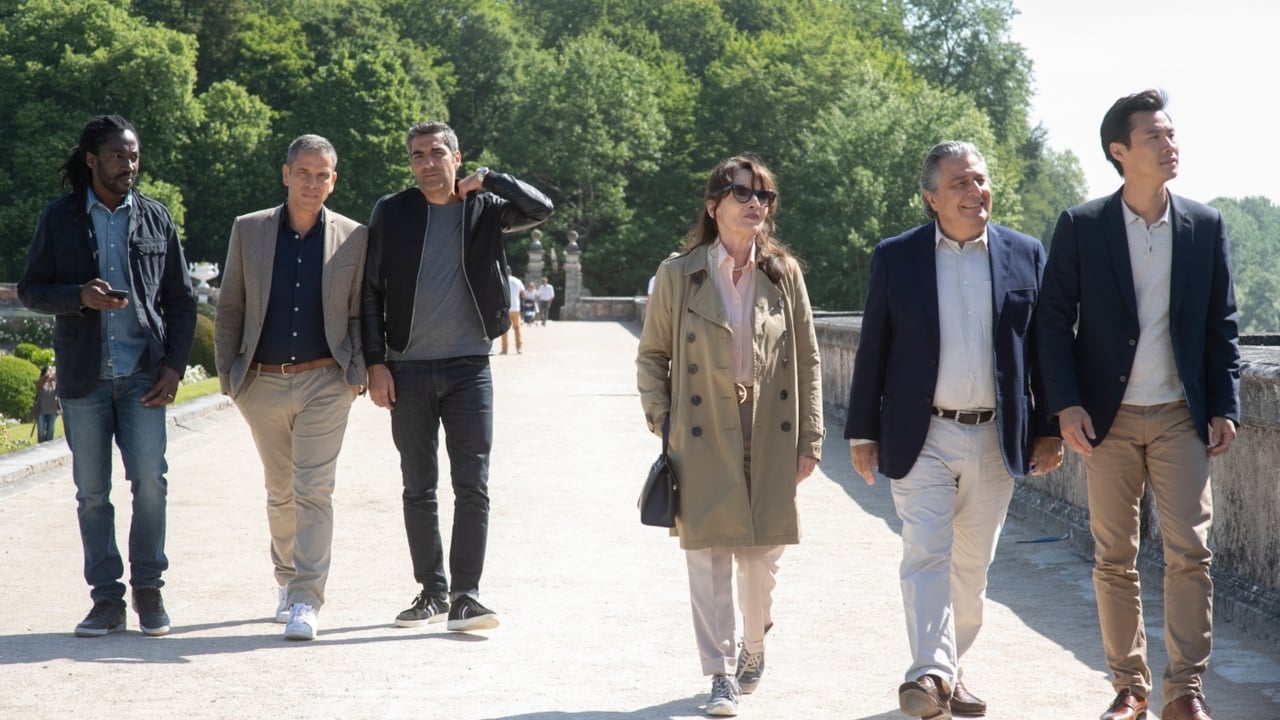
What makes the movie work—and what might make modern, Twitter-trained audiences twitch—is its commitment to being a "cocktail of clichés." It doesn’t just mock the parents; it lets the sons-in-law trade stereotypical barbs like they’re playing a high-stakes game of cultural poker. Ary Abittan, Medi Sadoun, and Frédéric Chau have this wonderful, prickly chemistry. They start as rivals, bonding only over their shared misery of having Claude as a father-in-law. It’s basically "Guess Who’s Coming to Dinner" if it were written by a chaotic French uncle who had one too many glasses of Bordeaux.
The Billion-Franc Smile

Looking back at 2014, it’s easy to forget just how massive of a "Blockbuster" this was in its home territory. We often associate that word with Marvel’s Captain America: The Winter Soldier (which came out the same year), but Serial (Bad) Weddings was a commercial behemoth that proved local stories could still dominate the box office.
The Ticket Titan: It sold over 12 million tickets in France alone. To put that in perspective, that’s roughly one-fifth of the entire French population going to see one comedy. The ROI King: With a budget of around $13 million, it raked in over $176 million globally. That’s the kind of profit margin that makes Hollywood executives weep into their silk pillows. The US "Shrug": Despite being a phenomenon in Europe, the film famously struggled to find a major US distributor at the time. Why? Because the brand of "politically incorrect" humor was deemed too spicy for American sensibilities, even back then. The Clavier Effect: Christian Clavier was already a legend from Les Visiteurs (1993), but this film cemented him as the undisputed king of the "grumpy Frenchman" archetype for a new generation. * A National Anthem Moment: The scene where the three sons-in-law sing "La Marseillaise" to prove their "French-ness" to Claude became an instant cultural touchstone in France, sparking endless debates about national identity.
Why It Still Lands (And Where It Trips)
The comedy is built on the bones of classic Vaudeville—lots of door-slamming energy, misunderstood conversations, and exaggerated facial expressions. Chantal Lauby is particularly great as the mother undergoing a slow-motion nervous breakdown; her transition from polite "tolerance" to full-blown depression (and back again) is handled with a deftness that keeps the movie from becoming too mean-spirited.
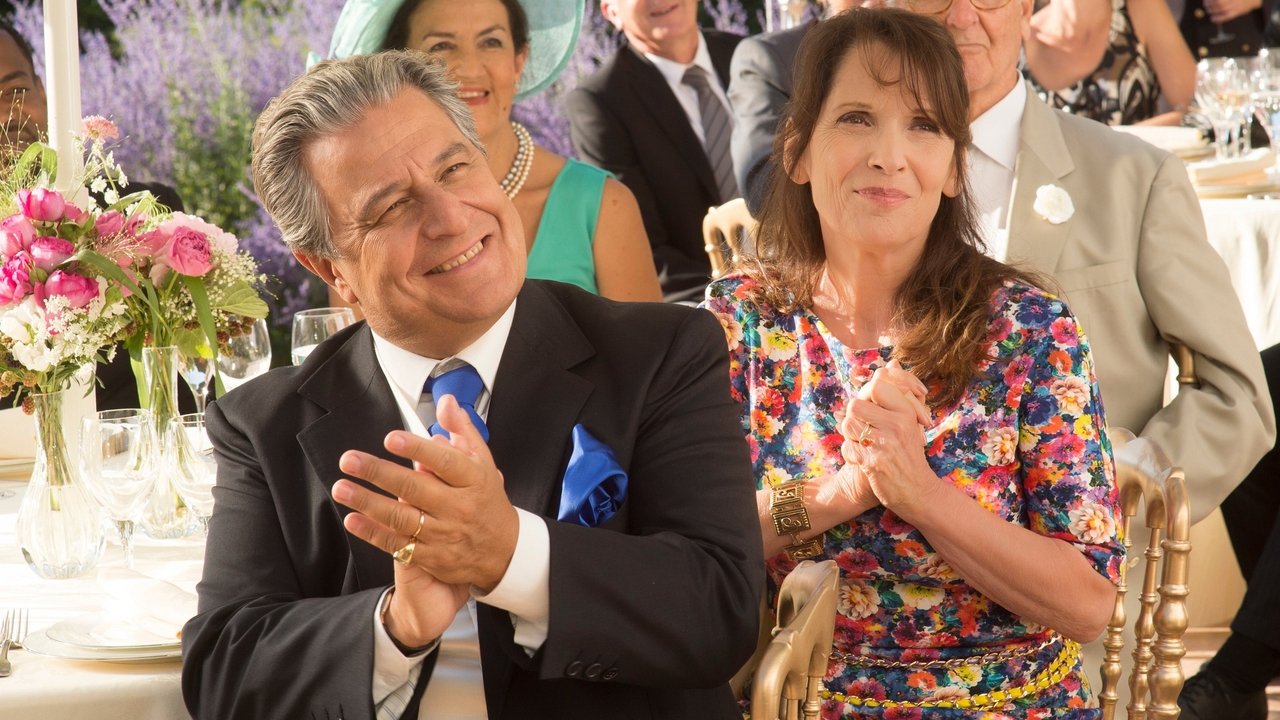
Does it age well? It’s complicated. Some of the jokes feel like they’ve been sitting in the sun a bit too long, but the film’s heart is in the right place. It’s ultimately a story about how shared annoyance with your parents is the ultimate bridge between cultures. When the fourth daughter, Laure, announces she's marrying a Catholic man, Claude and Marie are ecstatic—until they meet Charles (Noom Diawara), who is Black. The movie then doubles down on the absurdity, introducing Charles’ father, an even more crotchety and prejudiced man than Claude.
By the time the two fathers are out fishing together and bonding over their mutual distaste for their children’s choices, you realize the movie isn’t really about racism; it’s about the universal stupidity of being a stubborn old man.
Serial (Bad) Weddings isn't trying to be high art, and it certainly isn't trying to be "correct." It’s a loud, vibrant, and occasionally cringe-inducing look at the friction of a changing world. If you can appreciate the craft of a well-timed insult and the chaotic energy of a family dinner gone wrong, it’s a total blast. Just don't be surprised if you find yourself humming the French national anthem by the time the credits roll.
Keep Exploring...
-
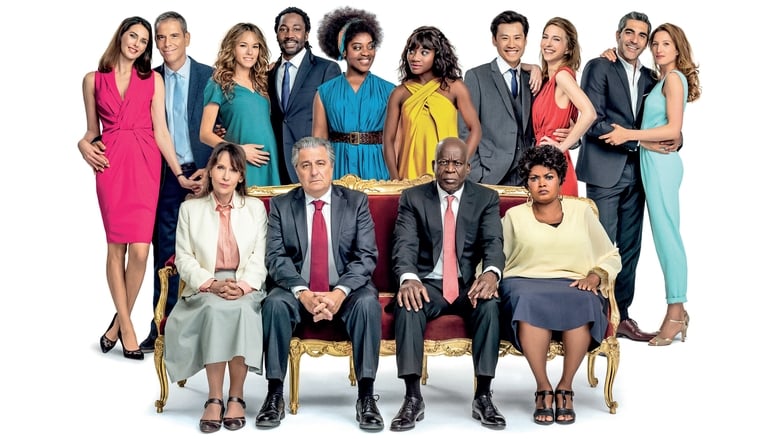
Serial (Bad) Weddings 2
2019
-
The Artist
2011
-
The Visitors II: The Corridors of Time
1998
-

Asterix and Obelix vs. Caesar
1999
-

17 Again
2009
-
Bride Wars
2009
-
Hannah Montana: The Movie
2009
-
He's Just Not That Into You
2009
-

Hotel for Dogs
2009
-
Neuilly Yo Mama!
2009
-
The Hangover
2009
-
The Proposal
2009
-

The Ugly Truth
2009
-
Zombieland
2009
-
Jackass 3D
2010
-
Love & Other Drugs
2010
-

The Bounty Hunter
2010
-

Arthur Christmas
2011
-
Bridesmaids
2011
-
Friends with Benefits
2011