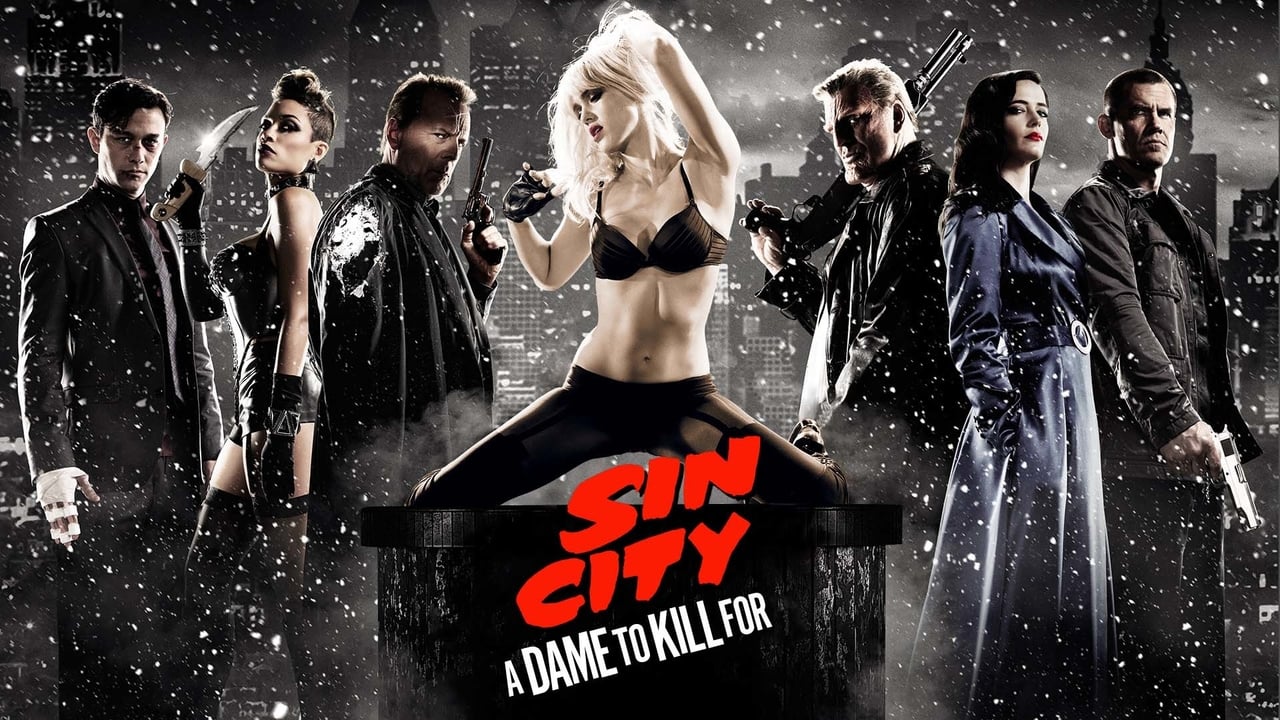
Sin City: A Dame to Kill For
"Basin City is a beautiful place to die."
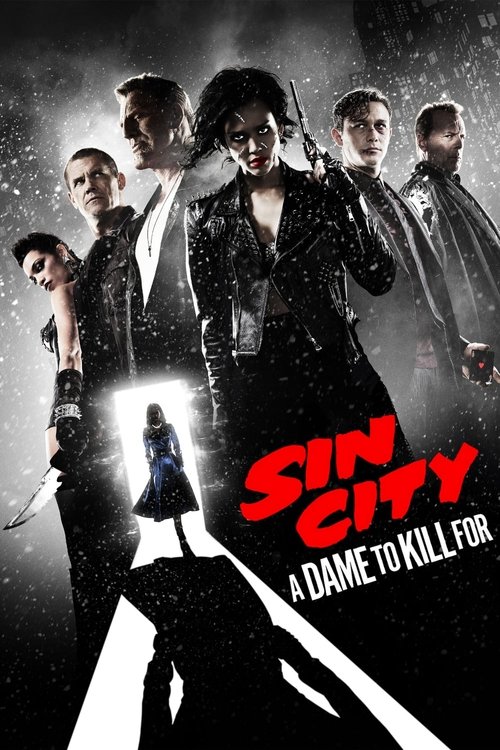
Basin City is less of a geographical location and more of a mood ring for people who have had a very, very bad day. When the first Sin City arrived in 2005, it felt like someone had smashed a digital champagne bottle over the head of the film industry. It was high-contrast, hyper-violent, and looked exactly like the Frank Miller panels it was based on. But by the time Sin City: A Dame to Kill For rolled out in 2014, the "living comic book" aesthetic wasn’t a revolution anymore—it was a screensaver. I sat down to watch this one while my neighbor was outside power-washing his driveway for three hours, and the rhythmic, numbing drone of the water weirdly complemented the film's monochromatic gloom.
The Nine-Year Itch
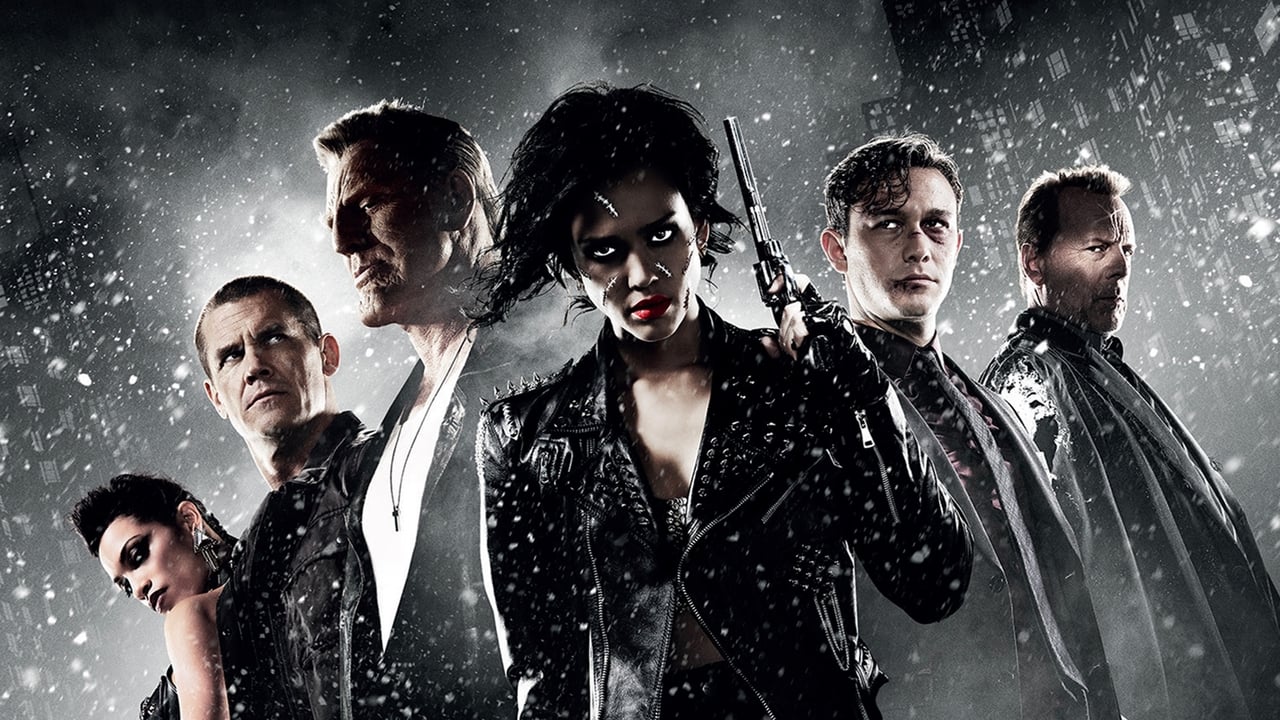
The biggest hurdle this sequel faced wasn't the budget or the script, but the calendar. In the nine years between installments, the "Sundance-to-Super-Soldier" pipeline had fully matured. We had seen 300, The Spirit, and the rise of the MCU, all of which leaned heavily on the digital backlot techniques that Robert Rodriguez pioneered. By 2014, the novelty of seeing Mickey Rourke’s Marv punch a guy in high-contrast black-and-white had lost its edge.
Looking back at this era of cinema, 2014 was the year the "indie-spirit" of the 90s finally collided with the corporate franchise machine and got its lunch money stolen. Rodriguez and Miller were trying to recapture lightning in a bottle, but the bottle had been sitting on a shelf for a decade and the seal had cracked. The film feels like a digital shadow of its former self, repeating the same notes but with a slightly shaky hand. Mickey Rourke is back as Marv, and while he’s still the most watchable part of the bruiser ensemble, there’s a sense that the character has become a caricature of a caricature.
The Green Goddess
If there is one reason to revisit this film—and it’s a compelling one—it’s Eva Green. She plays Ava Lord, the titular "Dame," and I am convinced she is the only person on set who truly understood the frequency of a noir broadcast. While some of the cast seem to be struggling against the vacuum of a green-screen room, Eva Green didn't just understand the assignment; she set the grading curve on fire.
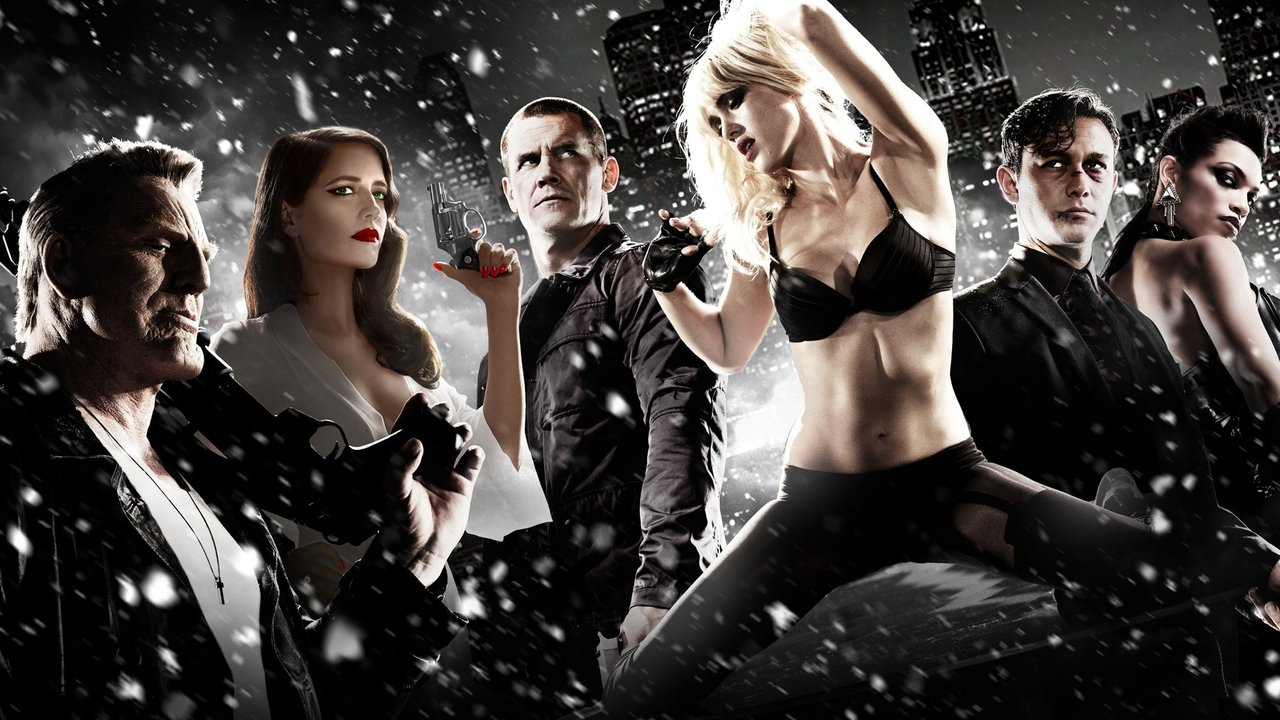
She plays the femme fatale with such radioactive intensity that she practically glows in the dark. Apparently, the MPAA had a collective heart attack over her character poster, banning it for being too provocative. It was the best marketing the movie had, honestly. Her segment, which serves as a prequel to the first film's "The Big Fat Kill," is the strongest part of the anthology. It’s here we see Josh Brolin taking over for Clive Owen as Dwight. In a clever bit of lore-friendly casting, the film explains the change as Dwight undergoing facial reconstruction surgery. It’s a rare moment where a sequel’s necessity to recast actually serves the hard-boiled narrative.
Style Over Substance (Again)
The action choreography remains a weird, beautiful hybrid of animation and live-action. There are moments—like Joseph Gordon-Levitt’s high-stakes poker game against the villainous Senator Roark (Powers Boothe) — where the tension is palpable. JGL plays a new character, Johnny, a lucky gambler with a chip on his shoulder. His story feels the most "modern" in its pacing, but it ends with a cynical thud that feels more mean-spirited than meaningful.
The climax involves Jessica Alba’s Nancy seeking revenge for the death of Hartigan (Bruce Willis, who appears mostly as a mopey ghost). This is where the film's cracks really show. The action is clear and the silhouettes are striking, but the emotional stakes feel like they’ve been bleached out along with the color. Turns out, Bruce Willis filmed almost all of his scenes in a separate location from the rest of the cast due to scheduling, and you can almost feel the lack of physical chemistry through the screen. It's a reminder of that awkward transition period in the early 2010s where digital filmmaking made it too easy for actors to never actually stand in the same room.
Interestingly, the film features a few "blink and you'll miss it" cameos. Lady Gaga pops up as a waitress in a diner, a role she reportedly took just because she was a fan of the first film. It’s those little details—the weird, culty devotion that the Sin City brand inspired—that keep the movie from being a total wash.
Ultimately, A Dame to Kill For is a late arrival to its own party. It’s visually stunning in five-minute bursts but exhausting over a hundred. If you’re a fan of the aesthetic, it’s a decent enough excuse to spend two hours in the dark, but it lacks the visceral punch that made the original a landmark of the 2000s. It’s a movie that exists because it could, not necessarily because it had something new to say. Watch it for Eva Green, stay for the shadows, but don't expect it to change your world.

Keep Exploring...
-
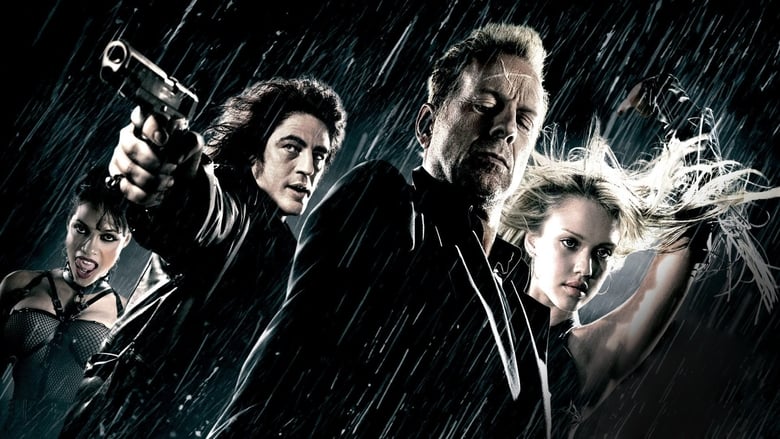
Sin City
2005
-
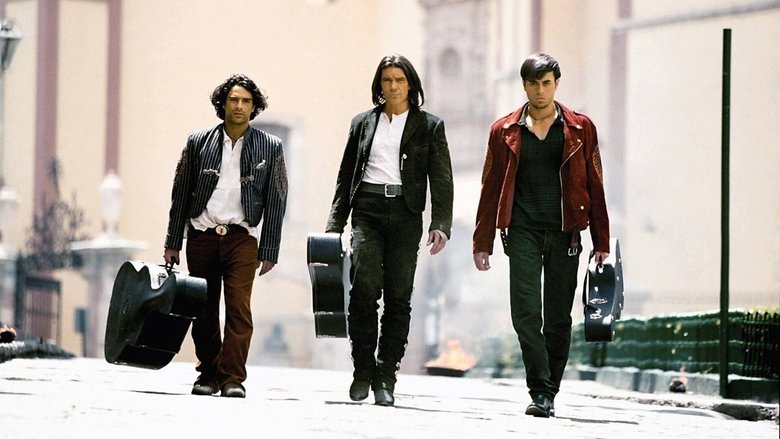
Once Upon a Time in Mexico
2003
-
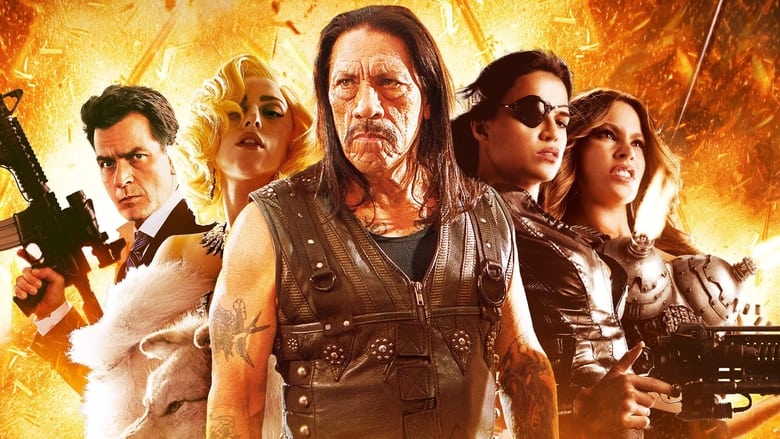
Machete Kills
2013
-
Desperado
1995
-
From Dusk Till Dawn
1996
-
Machete
2010
-
RoboCop 2
1990
-

Planet Terror
2007
-
The Taking of Pelham 1 2 3
2009
-
Gangster Squad
2013
-
RED 2
2013
-
Faster
2010
-
From Paris with Love
2010
-
Colombiana
2011
-
The Mechanic
2011
-
Contraband
2012
-
Man on a Ledge
2012
-
Safe
2012
-
The Last Stand
2013
-
El Mariachi
1993