Song of the Sea
"Every shell hides a secret, every wave a song."
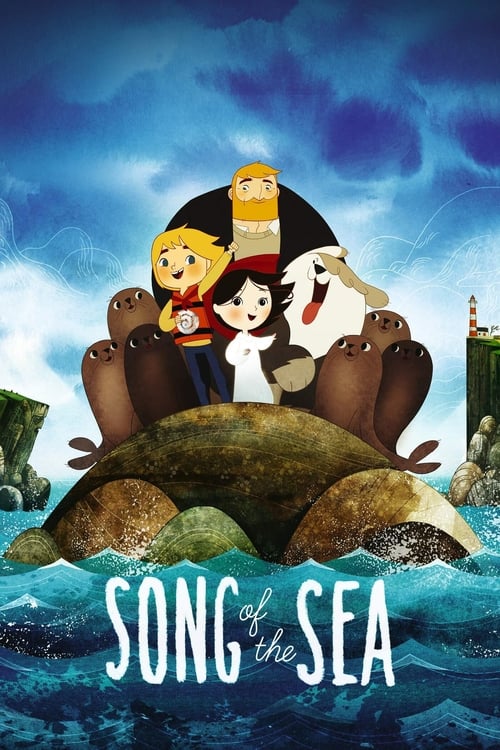
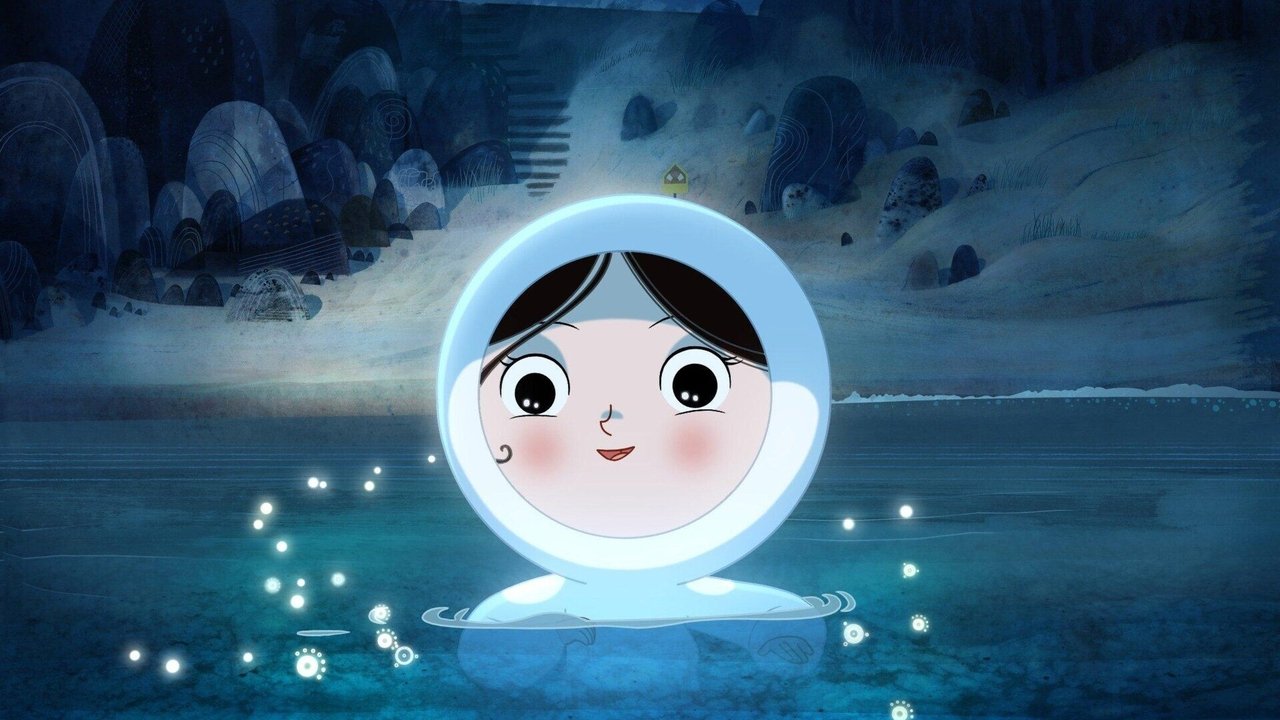
In 2014, while the rest of the world was getting lost in the shiny, plastic precision of The LEGO Movie or the gargantuan CGI spectacle of Interstellar, a small Irish studio called Cartoon Saloon was quietly hand-painting a masterpiece that felt like it had been pulled directly from a salt-crusted tide pool. Song of the Sea arrived at the tail end of what we now consider "modern cinema’s" transition into total digital dominance, and it stood there like a defiant lighthouse. It didn't care about photorealism or 3D depth; it cared about the geometry of a wave and the way grief can turn a giant into a mountain.
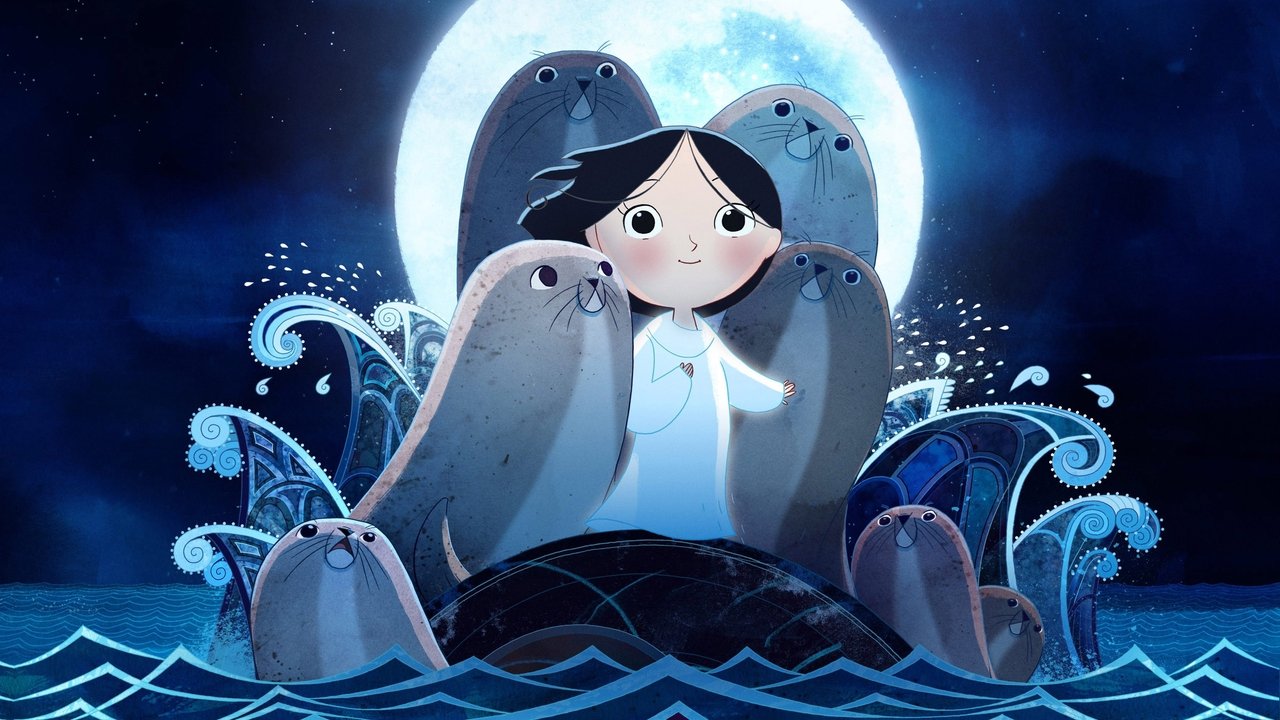
I first sat down with this film while recovering from a particularly nasty wisdom tooth extraction, and let me tell you, the watercolor backgrounds were the only thing keeping me from resenting the existence of solid food. It’s a film that demands you slow down. It’s a "hidden gem" in the truest sense—nominated for an Oscar but largely ignored by the box office masses who were busy fueling the then-burgeoning MCU machine.
Myth as a Band-Aid for the Soul
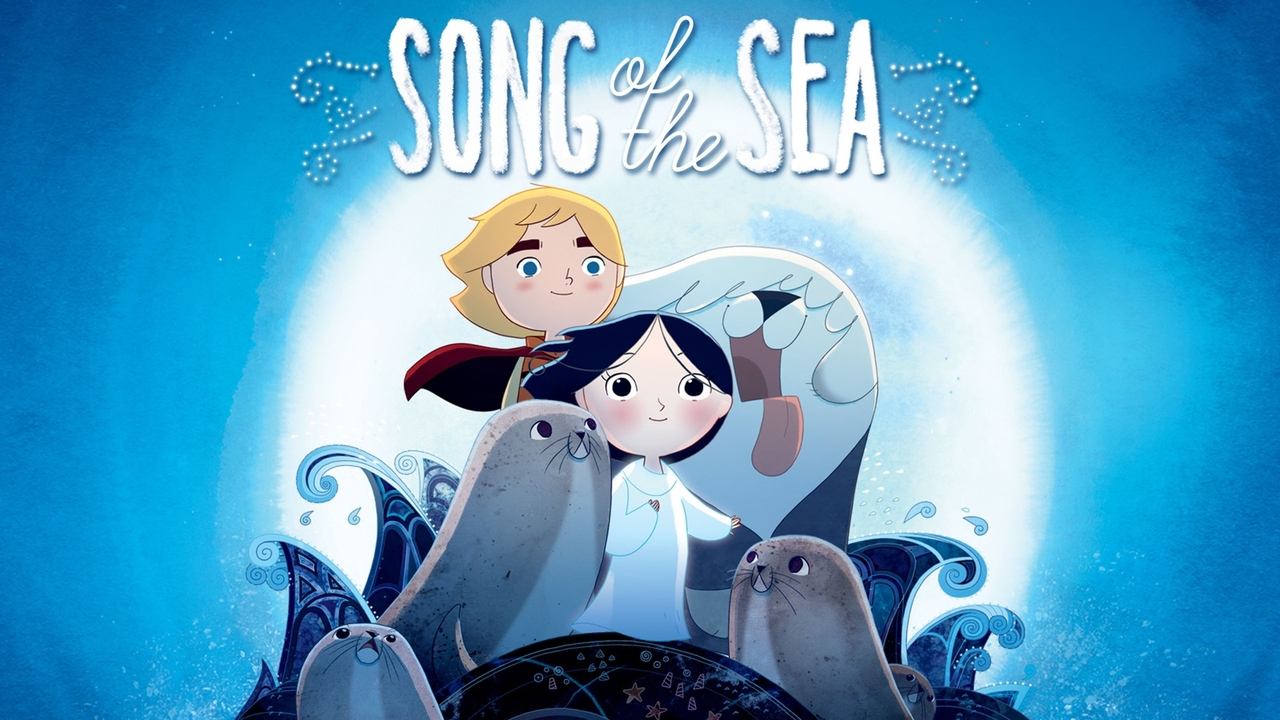
The story is deceptively simple: Ben (David Rawle) is a ten-year-old boy living in a lighthouse with his father, Conor (Brendan Gleeson, who brings a heartbreaking rumble to the role), and his sister, Saoirse (Lucy O'Connell). Their mother, Bronach (Lisa Hannigan), disappeared the night Saoirse was born, leaving Ben resentful and Saoirse mute. When their overbearing Granny (Fionnula Flanagan) whisks the kids away to the city, the movie shifts from a family drama into a sprawling, Celtic-infused odyssey.
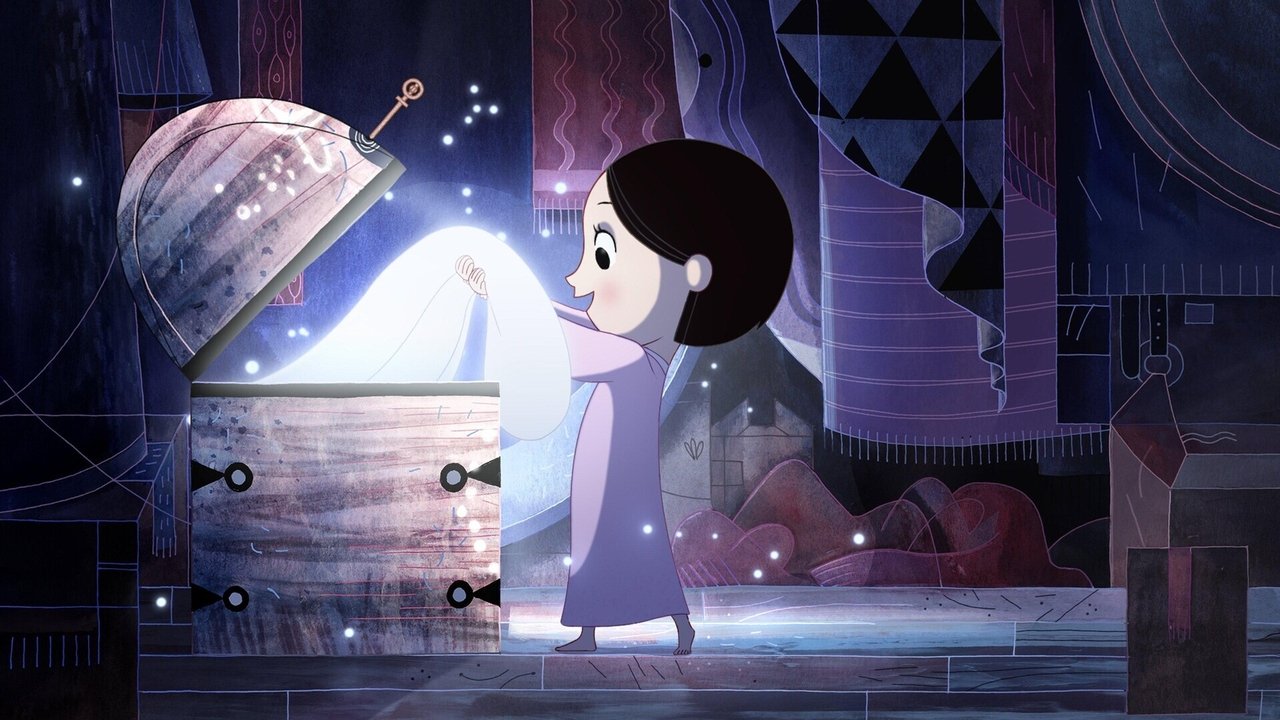
What makes this more than just a "kids' movie" is the philosophical weight it carries. It treats mythology not as a collection of cool monsters, but as a psychological mirror. Every magical figure Ben meets has a real-world counterpart. Fionnula Flanagan isn't just the stuffy grandmother; she's also Macha, the Owl Witch who steals people’s feelings to keep them from suffering. Conor isn't just a grieving father; he’s the reflection of Mac Lir, the giant who cried an ocean until he turned to stone.
The film posits a heavy question: Is it better to feel nothing and be safe, or to feel everything and risk drowning? Honestly, Macha’s jars of bottled emotions are just the mythological equivalent of a poorly managed antidepressant prescription. It’s a bold theme for a "Family" film, and it respects its audience enough not to sugarcoat the necessity of sadness.
The Hand-Drawn Rebellion
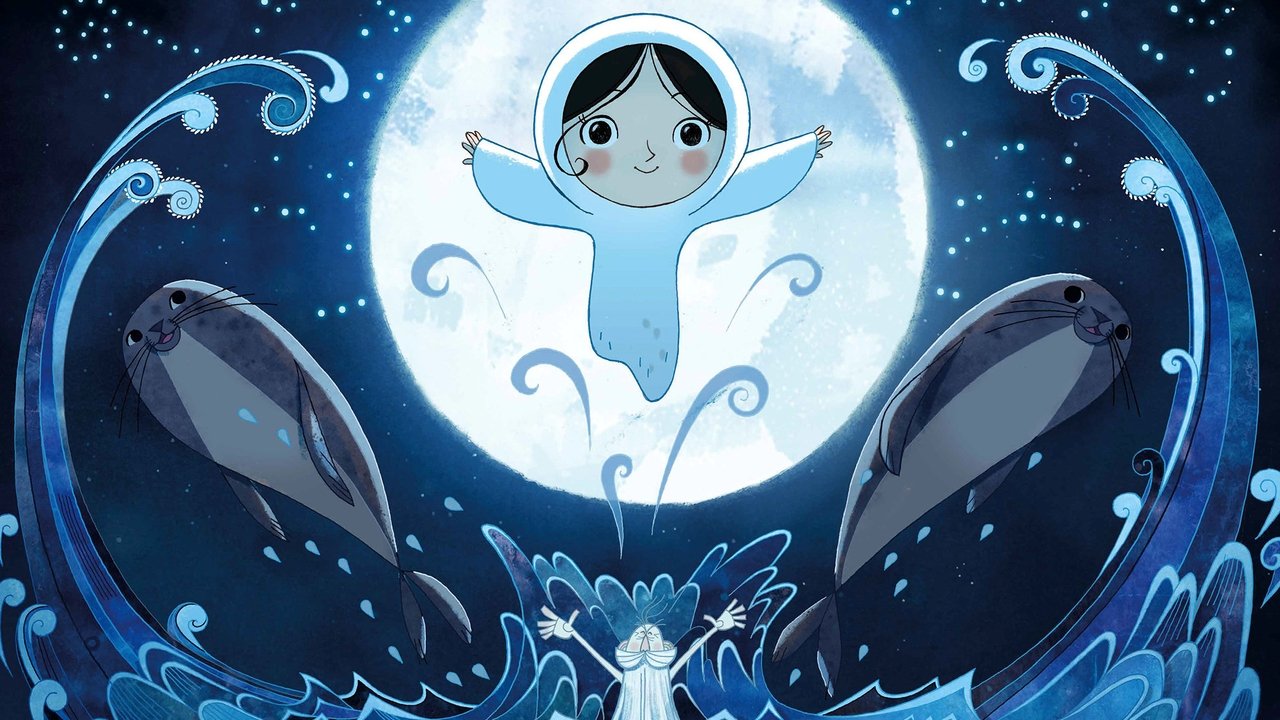
In the era of the "CGI Revolution," Song of the Sea felt like a necessary correction. Director Tomm Moore (who previously gave us The Secret of Kells) uses a visual language that feels ancient yet entirely fresh. It’s flat, graphic, and symmetrical, relying on circles and spirals that mimic the "Song" itself. Looking back, this was the moment indie animation really started to stake its claim against the Hollywood giants. While big studios were racing toward making hair look like real hair, Cartoon Saloon was making the sea look like a living painting.
The score by Bruno Coulais, in collaboration with the Irish band Kíla, is the literal heartbeat of the film. It’s haunting, ethereal, and arguably one of the most transportive soundtracks of the 21st century. I’ve found myself humming the main lullaby in grocery store aisles more times than I’d like to admit. It’s the kind of music that makes you feel nostalgic for a place you’ve never actually been.
A Masterpiece Lost in the Shuffle
Why did this film only pull in about $850,000 at the box office? It’s a tragedy of distribution and the "Disney-fication" of our expectations. In 2014, if it wasn't a franchise or a high-octane 3D adventure, it was barely a blip on the radar. It’s a shame, because Song of the Sea offers a level of emotional authenticity that most blockbusters wouldn't touch with a ten-foot pole.
The performances are subtle, specifically Brendan Gleeson, whose work here is a reminder of why he’s a national treasure. He voices two characters drowning in different kinds of sorrow, and the nuance in his vocal performance—that specific, gravelly Irish weariness—is what anchors the fantasy. Without him, the film might have floated away into the ether; with him, it feels grounded in the very dirt and spray of the Irish coast.
If you’re tired of films that feel like they were assembled by a committee in a boardroom, you owe it to your brain to track this down. It’s a film about the stories we tell ourselves to survive, and the courage it takes to finally sing our own song. It’s a reminder that even in the digital age, there is still magic in the stroke of a brush and the sound of a shell.
Song of the Sea is one of those rare cinematic experiences that feels like it’s doing something good for your soul. It’s a visual and auditory hug that doesn’t shy away from the fact that life can be cold and wet and lonely. It’s the kind of film you keep on a special shelf, ready to be pulled down whenever the world starts feeling a little too grey. Don't let its obscurity fool you—this is a giant of a film, hidden in a very small, beautiful shell.
Keep Exploring...
-
Wolfwalkers
2020
-
Coraline
2009
-
The Secret World of Arrietty
2010
-
Barbie: Princess Charm School
2011
-
Wolf Children
2012
-
Partly Cloudy
2009
-

Secret of the Wings
2012
-

Hotarubi no Mori e
2011
-
Paperman
2012
-

Justice League: The Flashpoint Paradox
2013
-
The Tale of The Princess Kaguya
2013
-
When Marnie Was There
2014
-
Anastasia
1997
-
Treasure Planet
2002
-
Ponyo
2008
-
The Boy and the Beast
2015
-
Bao
2018
-

How to Train Your Dragon: Homecoming
2019
-
A Little Princess
1995
-

Neon Genesis Evangelion: The End of Evangelion
1997