Starred Up
"Blood is thicker than prison walls."
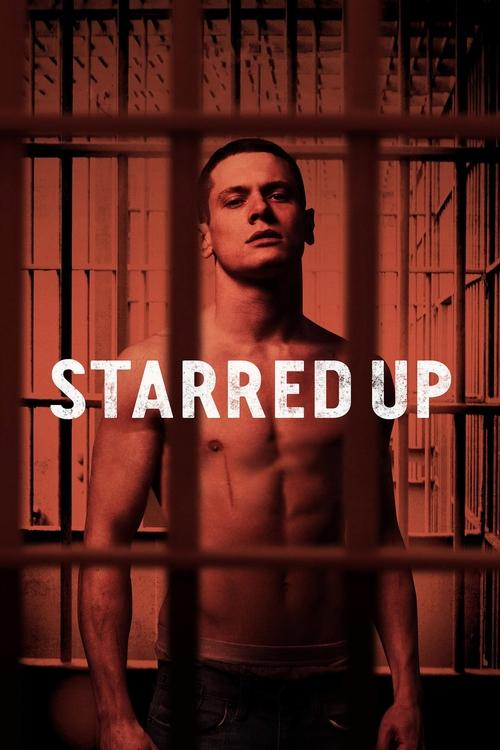
The first thing that hit me about Starred Up wasn't the violence, though there is plenty of that. It was the sound. Or rather, the lack of it. Most prison movies rely on a clanging, industrial score to tell you how to feel, but director David Mackenzie (who later gave us the excellent Hell or High Water) lets the ambient hum of the fluorescent lights and the echoing "thwack" of a plastic tray do the heavy lifting. I watched this in a basement apartment with a leaky faucet that provided a rhythmic "drip" perfectly out of sync with the tension on screen, and honestly, the annoyance of the leak only added to the feeling of being trapped in a cell.
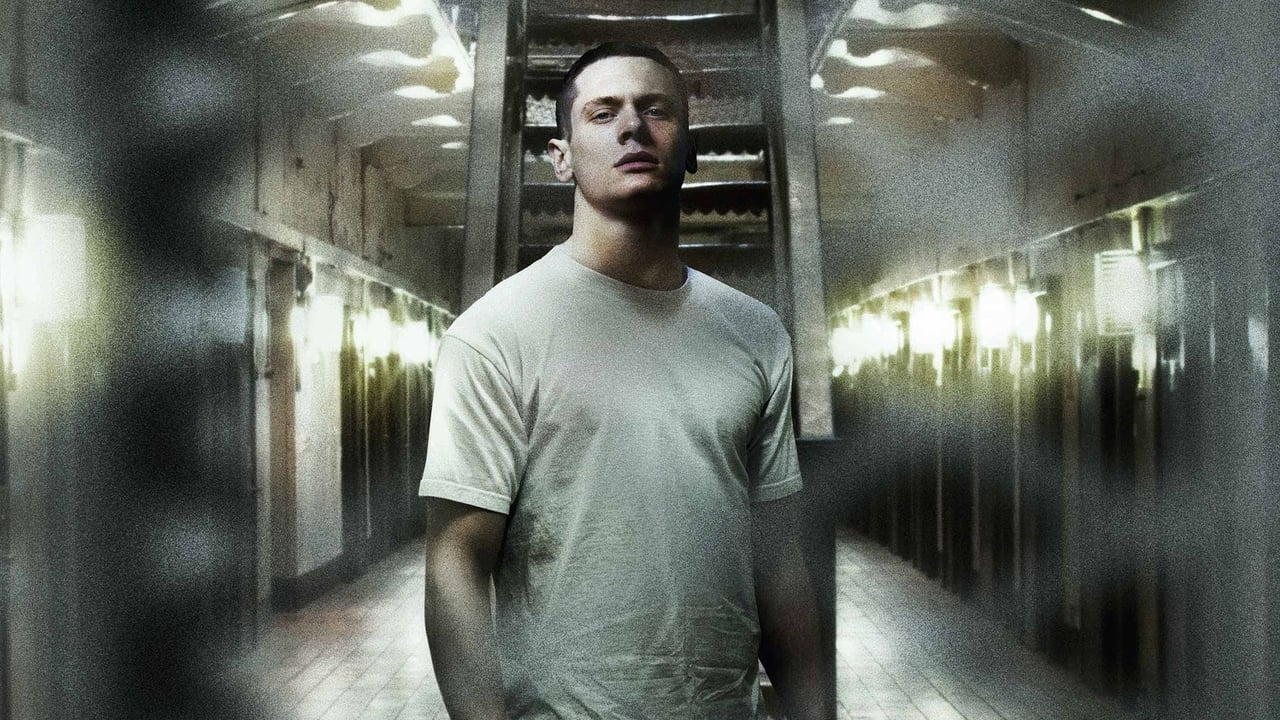
Released in 2014, right at the tail end of what we might call the "Gritty British Indie" peak, Starred Up is a film that somehow slipped through the cracks. Despite a box office that wouldn't cover the catering budget for a Marvel flick, it’s one of the most authentic character studies of the last twenty years. It captures that specific 2010s transition where digital filmmaking finally started looking as rich and textured as 35mm, avoiding the flat, "cheap" look of earlier digital efforts.
The Arrival of a Powerhouse
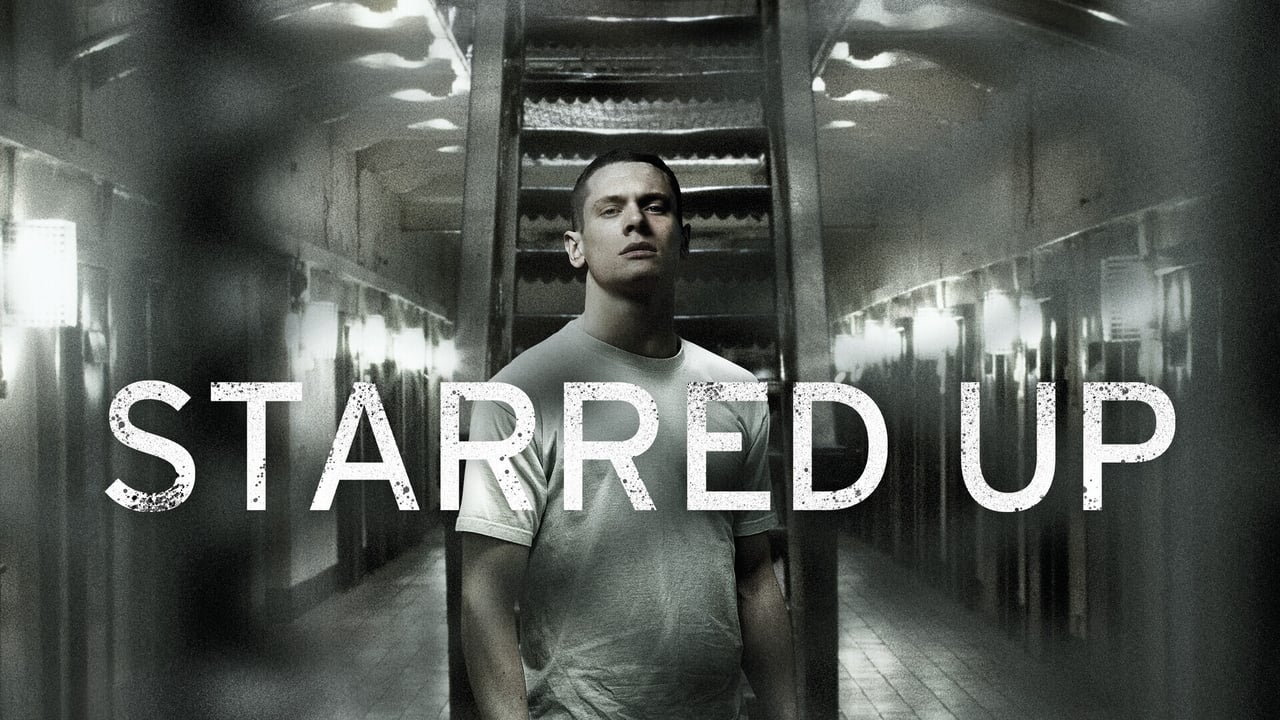
At the center of the storm is Eric Love, played by a then-rising Jack O'Connell. If you only know him from Unbroken, you haven't seen what the man is truly capable of. Eric is "starred up"—moved from a Young Offenders Institution to an adult prison because he’s simply too volatile for the kids. He doesn't walk into the prison; he vibrates into it.
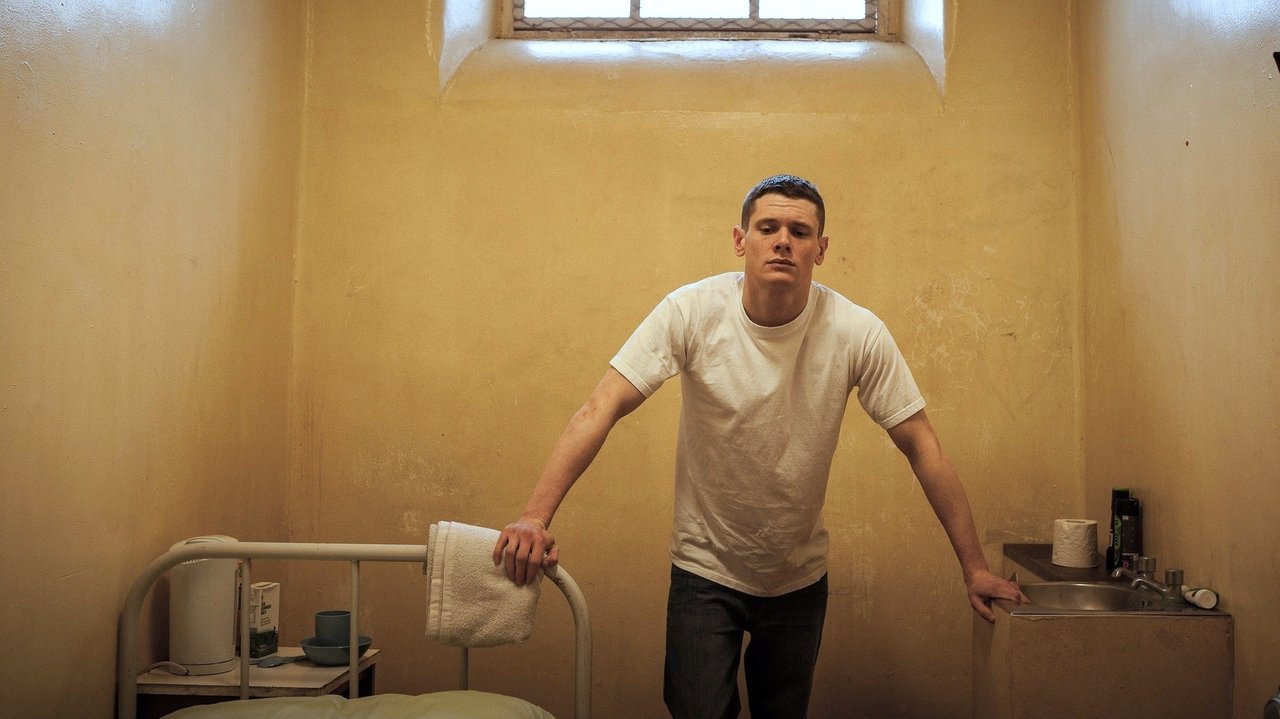
Jack O'Connell delivers a performance so physically committed it makes you want to check your own teeth for cracks. He’s all coiled muscle and jagged nerves. In one of the film’s best (and most uncomfortable) sequences, we watch him meticulously "set up" his cell, turning everyday items like a razor and a toothbrush into defensive fortifications. It’s a wordless masterstroke of visual storytelling. I’ve always found prison dramas a bit repetitive—how many times can we watch a guy sharpen a toothbrush?—but here, it feels less like a cliché and more like a grim necessity for survival.
A Family Reunion from Hell
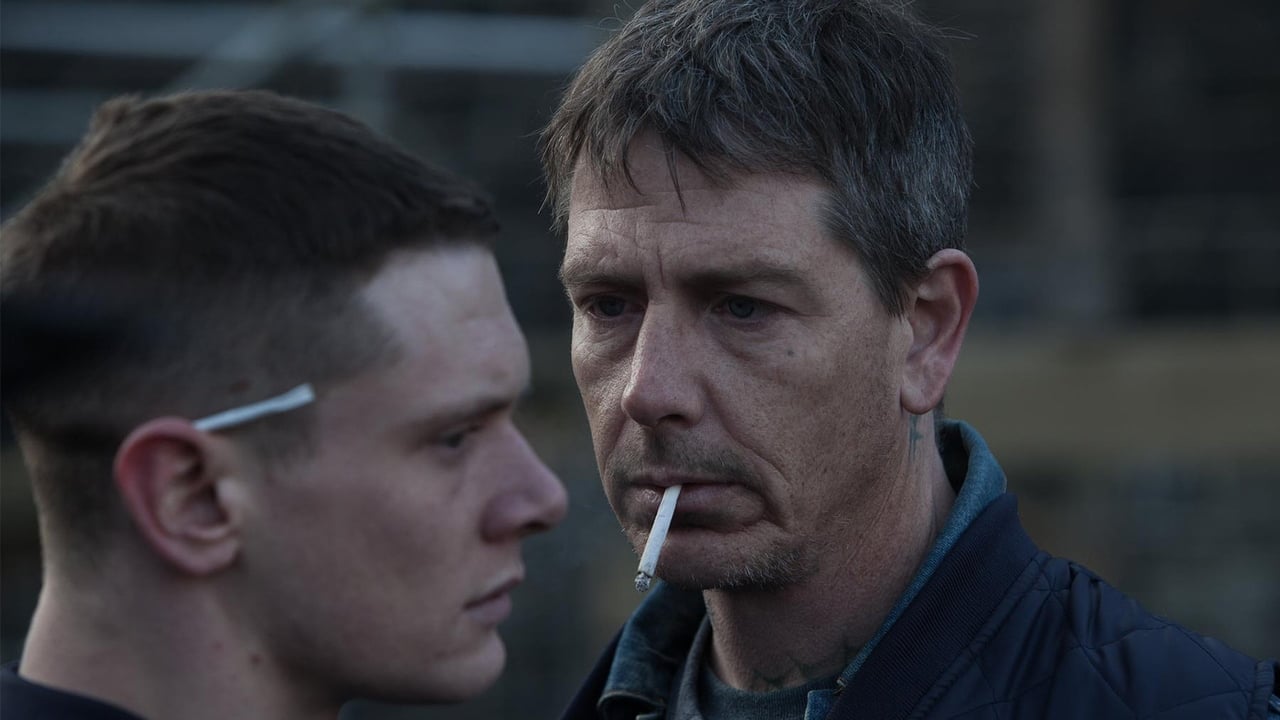
The hook that elevates this beyond a standard "tough guy in a cage" story is the presence of Neville, Eric’s father, played by the consistently brilliant Ben Mendelsohn. Neville has been inside for years, and suddenly his estranged, hyper-violent son is on the same wing. Ben Mendelsohn specializes in playing men who are falling apart at the seams (see: Animal Kingdom), and here he is a tragic figure trying to navigate a "dad" role while trapped in a hierarchy that doesn't allow for vulnerability.
The chemistry between the two is electric and terrifying. They don't have heart-to-hearts; they have shouting matches that look like they might end in a homicide. It’s a fascinating look at the "Sundance generation" of indie dramas that prioritized raw, messy human emotion over tidy narrative arcs. There’s a scene where Neville tries to give Eric advice on how to behave, and you realize that neither of these men has the emotional vocabulary to say "I love you," so they just swear at each other instead.
The Realism of the Walls
What gives the film its bite is the screenplay by Jonathan Asser, who based the story on his own experiences as a voluntary therapist in the British prison system. This wasn't just some Hollywood writer imagining what "the big house" looked like; Asser actually worked with the most dangerous offenders in the UK. This background shines through in the scenes featuring Rupert Friend as Oliver, a therapist who runs an unconventional anger management group.
These group therapy sessions are the heart of the movie. They aren't "movie therapy" where everyone has a breakthrough and a cry. They are tense, awkward, and often funny. We see actors like David Ajala and Gershwyn Eustache Jnr bring an incredible sense of reality to the other inmates. Apparently, the film was shot in chronological order at Crumlin Road Gaol in Belfast, which is a rare luxury for a director. You can see the cast becoming genuinely more frayed and exhausted as the shoot progresses.
Looking back from 2024, Starred Up feels like a time capsule of a specific moment in British cinema—unflinching, incredibly well-acted, and totally uninterested in making the audience feel "comfortable." It’s a drama that earns its emotional weight through sweat and blood rather than swelling violins.
If you missed this one because it didn't have a massive marketing push or a superhero in the lead, do yourself a favor and find it. It’s a reminder of why we fell in love with indie cinema in the first place: the ability to tell a massive, earth-shaking story within four cramped walls. Just make sure you turn off any leaky faucets before you hit play—you’ll have enough tension to deal with as it is.
Keep Exploring...
-
Perfect Sense
2011
-

'71
2014
-

The Zero Theorem
2013
-

The Young Victoria
2009
-
Black Sea
2014
-
Harry Brown
2009
-

Centurion
2010
-

Jane Eyre
2011
-
Submarine
2011
-

Salmon Fishing in the Yemen
2012
-

How I Live Now
2013
-
Pride
2014
-

The Double
2014
-

Unbroken
2014
-

A Prophet
2009
-

A Single Man
2009
-

Agora
2009
-
An Education
2009
-
Bad Lieutenant: Port of Call - New Orleans
2009
-
Cell 211
2009