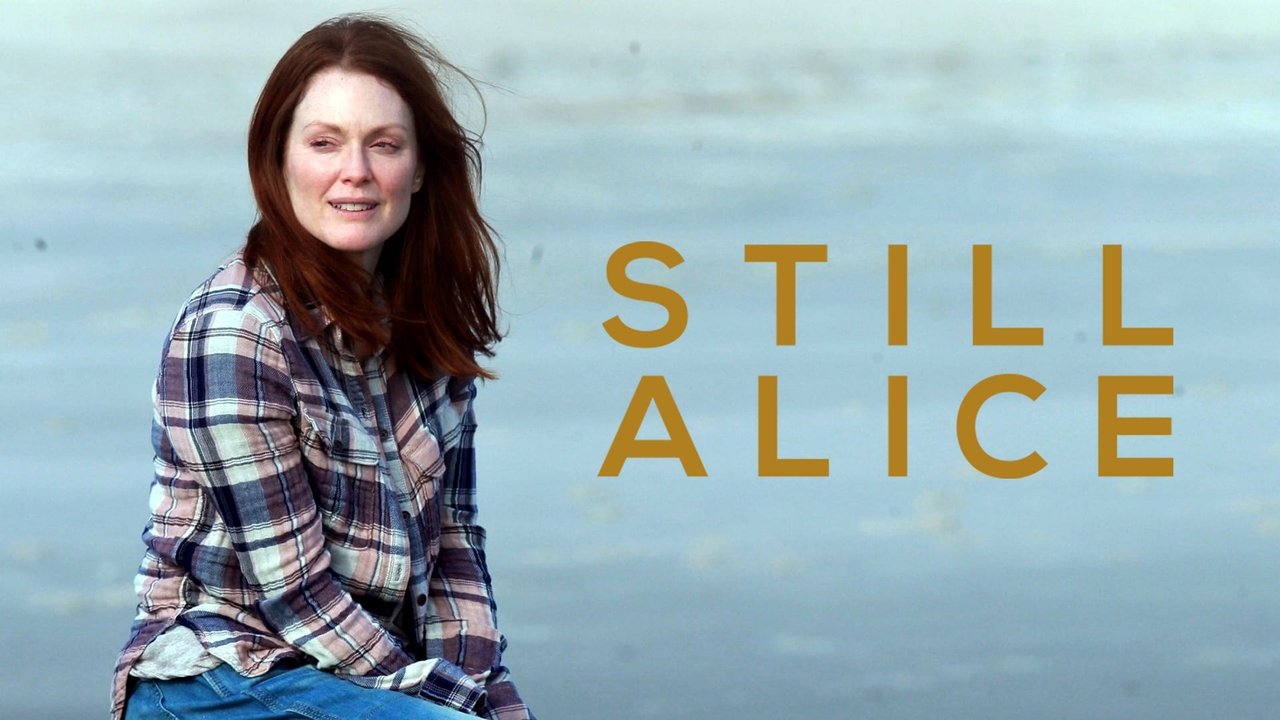
Still Alice
"Find who you are when words fail."

I remember watching Still Alice for the first time on a cramped Greyhound bus, wedged between a guy who smelled faintly of old pennies and a window that wouldn't stop rattling. It wasn’t exactly the "prestige cinema" environment the film’s Oscar pedigree suggested, but in a weird way, the claustrophobia of that bus ride mirrored the tightening walls of Alice Howland’s world. By the time the credits rolled and we pulled into a rainy station in Ohio, I felt like I’d aged a decade in 101 minutes.
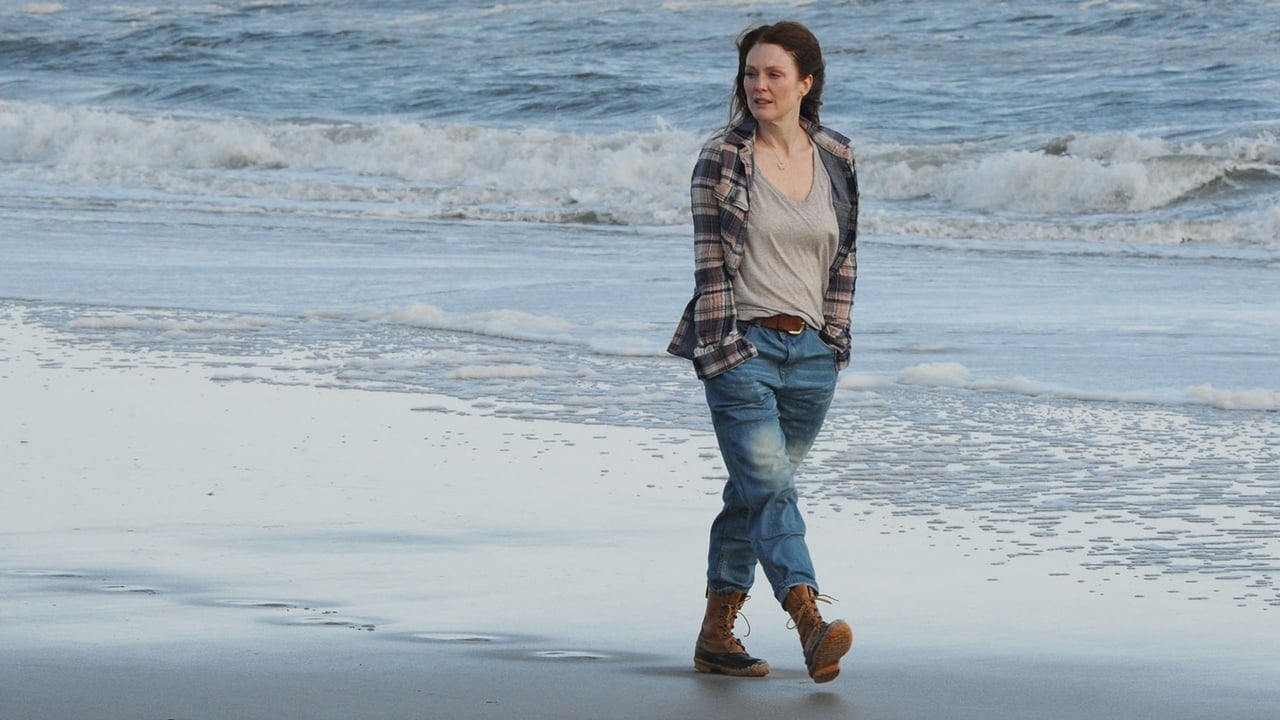
The Slow Leak of a Life
Most dramas about terminal illness or cognitive decline go for the jugular with grand, sweeping tragedies, but Wash Westmoreland and Richard Glatzer (the directing duo behind the equally sharp Quinceañera) chose a much more terrifying route: the "slow leak." Alice is a linguistics professor at Columbia—a woman whose entire identity is built on the architecture of language. Seeing her lose a word like "lexicon" isn’t just a slip of the tongue; it’s a structural failure in her very foundation.
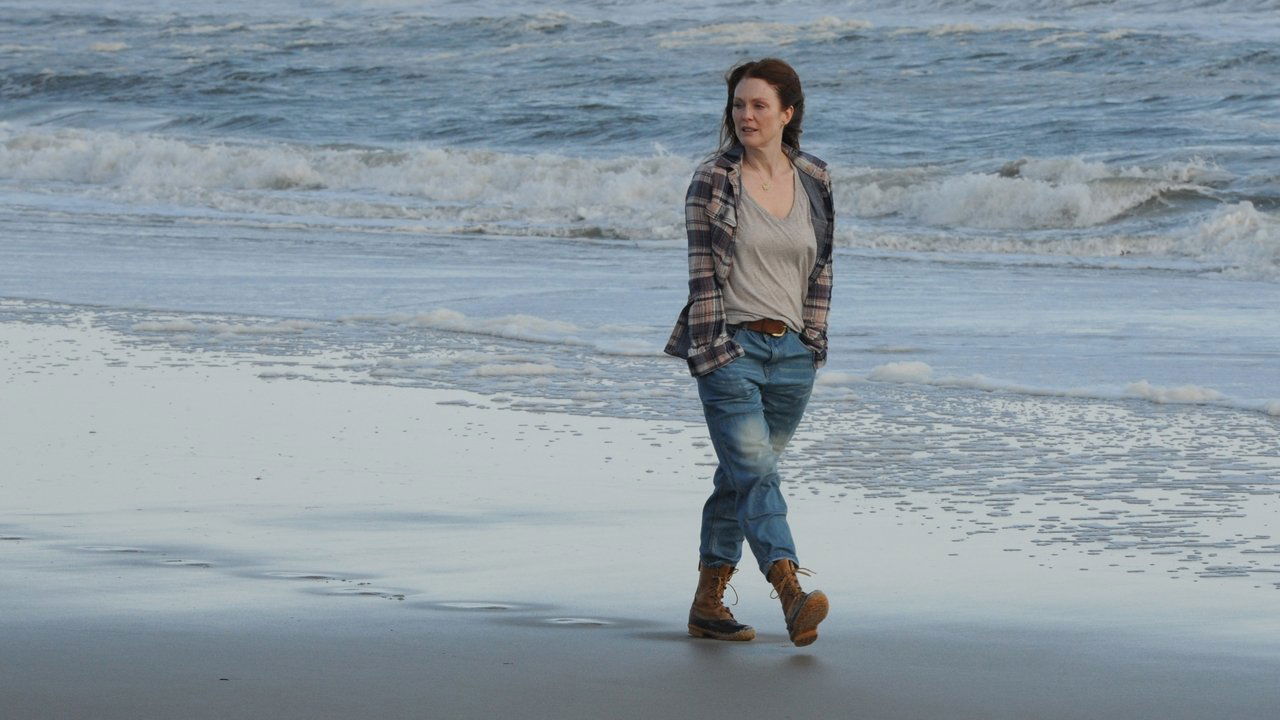
Julianne Moore delivers what I genuinely believe is her career-best work here. It’s not a "loud" performance. There aren’t many scenes where she’s screaming at the sky. Instead, it’s in the eyes—the way they go slightly vacant for a millisecond before the "mask" of the intellectual slides back into place. Watching this movie feels like a voluntary emotional mugging, and Moore is the one gently asking for your wallet while you thank her for the experience.
The film captures that specific 2014 aesthetic—the soft, digital "Indie-prestige" look that dominated the early 2010s. The cinematography by Denis Lenoir does something clever that I didn't fully appreciate until a second viewing: as Alice’s condition worsens, the background often blurs into an unrecognizable smear, even when the person she’s talking to is right there. It’s subtle, but it makes the viewer feel just as untethered as she does.
A Family Under Pressure
The supporting cast is doing some heavy lifting, too. Alec Baldwin plays John, Alice’s husband, and I found his performance fascinatingly frustrating. He isn’t a villain, but he is a "fixer." He’s a high-achieving academic who thinks he can out-logic Alzheimer's. Watching him struggle to reconcile the woman he loves with the patient she’s becoming is agonizingly real. Then you have Kate Bosworth as Anna, the daughter who inherits the "perfectionist" gene, and Hunter Parrish as Tom.
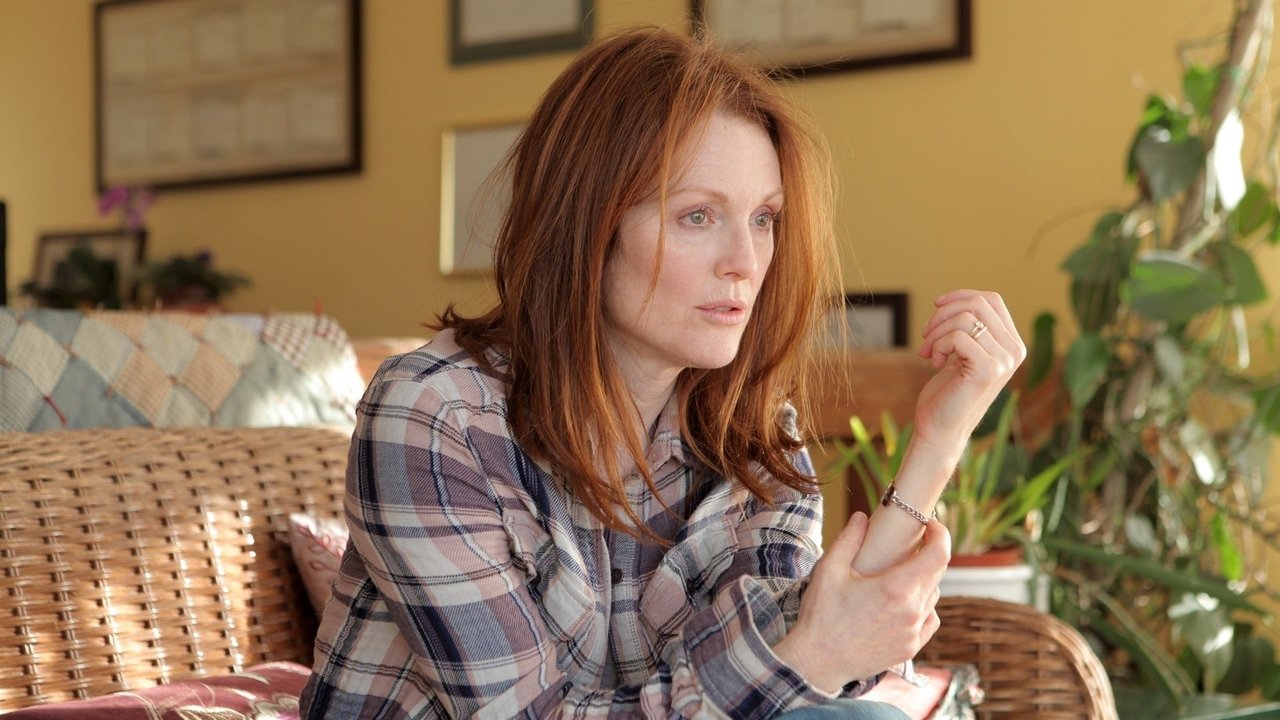
The family dynamic is where Still Alice earns its "drama" stripes. It’s not just about Alice’s memory; it’s about the genetic ticking time bomb she’s handed to her children. When the film reveals that Alice’s Early-Onset Alzheimer’s is familial, the movie shifts from a personal tragedy to a generational horror story. It forces the question: how much of our love for our parents is tied to their ability to recognize us?
The Strength Behind the Lens
What gives Still Alice its soul, however, is the story happening behind the camera. Richard Glatzer was diagnosed with ALS (Lou Gehrig’s disease) just as the project was coming together. By the time they were filming, he had lost the use of his arms and his speech. He directed the entire movie using a text-to-speech app on an iPad, typing with his big toe.
When you see Alice struggling to hold onto her autonomy, you’re seeing Glatzer’s own fight reflected on the screen. It’s probably why the film avoids the "disease of the week" clichés. It’s not sentimental; it’s observant. Apparently, Julianne Moore spent months visiting Alzheimer’s clinics and talking to patients to ensure she wasn't just "acting" a symptom, but capturing a person. That dedication shows in every frame.
Cool Details You Might Have Missed:
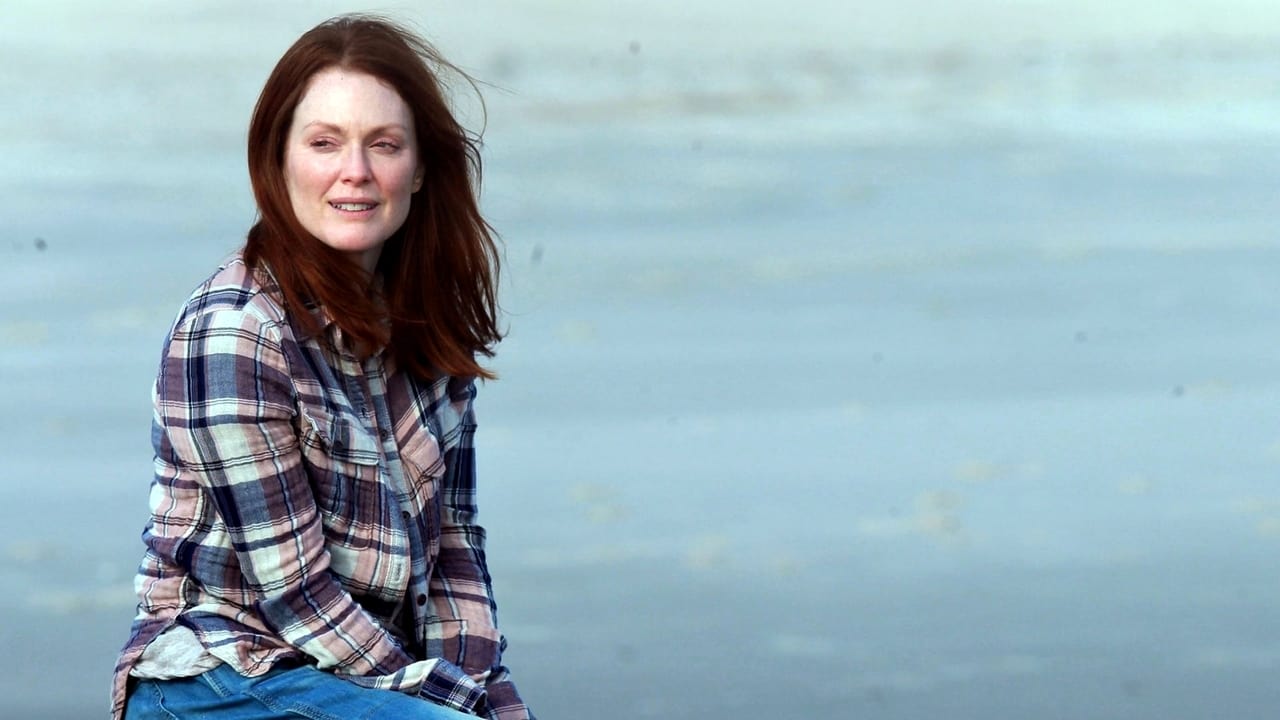
The "Butterfly" speech Alice gives at the conference was actually inspired by a real speech given at an Alzheimer’s Association event. Julianne Moore won the Oscar for Best Actress for this role, marking the first time a lead actress won for a film that didn't receive any other nominations since the 1960s. The production was incredibly fast, shot in just 23 days on a shoestring $5 million budget. The filmmakers insisted on shooting in New York during the winter to capture that stark, cold light that perfectly matches the film's tone. * The "Butterfly" necklace Alice wears throughout the film is a nod to her mother’s nickname for her, symbolizing a life that is beautiful but painfully brief.
Still Alice is a difficult watch, but a necessary one. It’s a film that demands you look at something most of us would rather ignore—the fragility of the "self." It manages to be a heartbreaking tragedy while also being a quiet celebration of the "moment" Alice is desperately trying to live in. I wouldn't recommend it for a light Friday night, but if you want to see a masterclass in performance and a deeply human story, this is it.
Just a word of advice: don't watch this on a Greyhound bus. You’ll want a much softer place to land when the final scene hits. It’s the kind of movie that stays with you long after the screen goes dark, making you hold on just a little tighter to the people who know your name. It’s a reminder that even when the memories are gone, the love—as cheesy as it sounds—really is the last thing to fade.
Keep Exploring...
-
My Sister's Keeper
2009
-
Blue Jasmine
2013
-
(500) Days of Summer
2009
-
A Serious Man
2009
-

Brothers
2009
-
The Road
2009
-
The Time Traveler's Wife
2009
-
127 Hours
2010
-
It's Kind of a Funny Story
2010
-

Let Me In
2010
-

Letters to Juliet
2010
-
Life As We Know It
2010
-
Remember Me
2010
-
The Last Song
2010
-
The Next Three Days
2010
-
50/50
2011
-
Colombiana
2011
-
Drive
2011
-
One Day
2011
-
The Ides of March
2011