Stonehearst Asylum
"The patients are finally running the parlor."
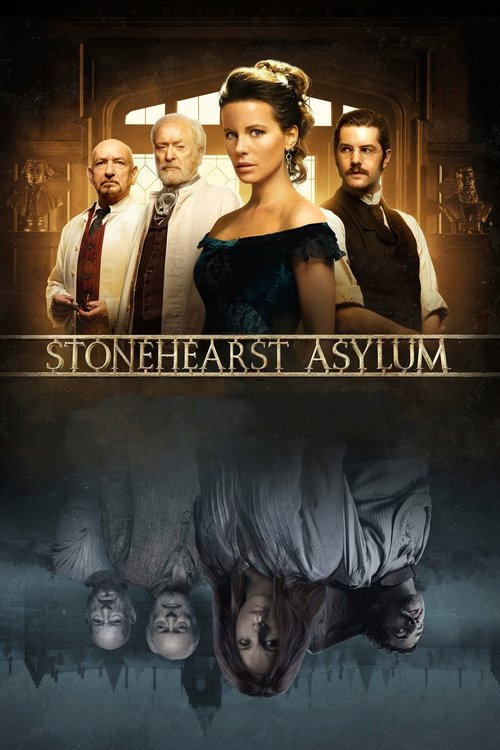
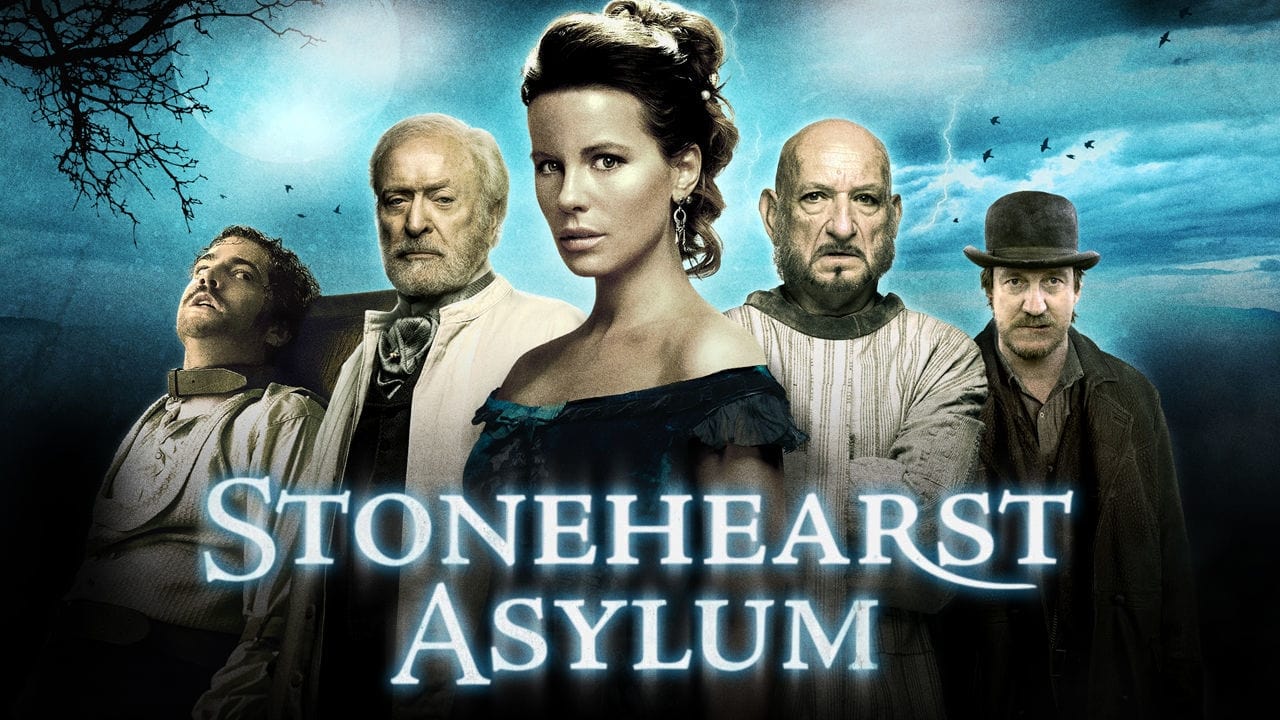
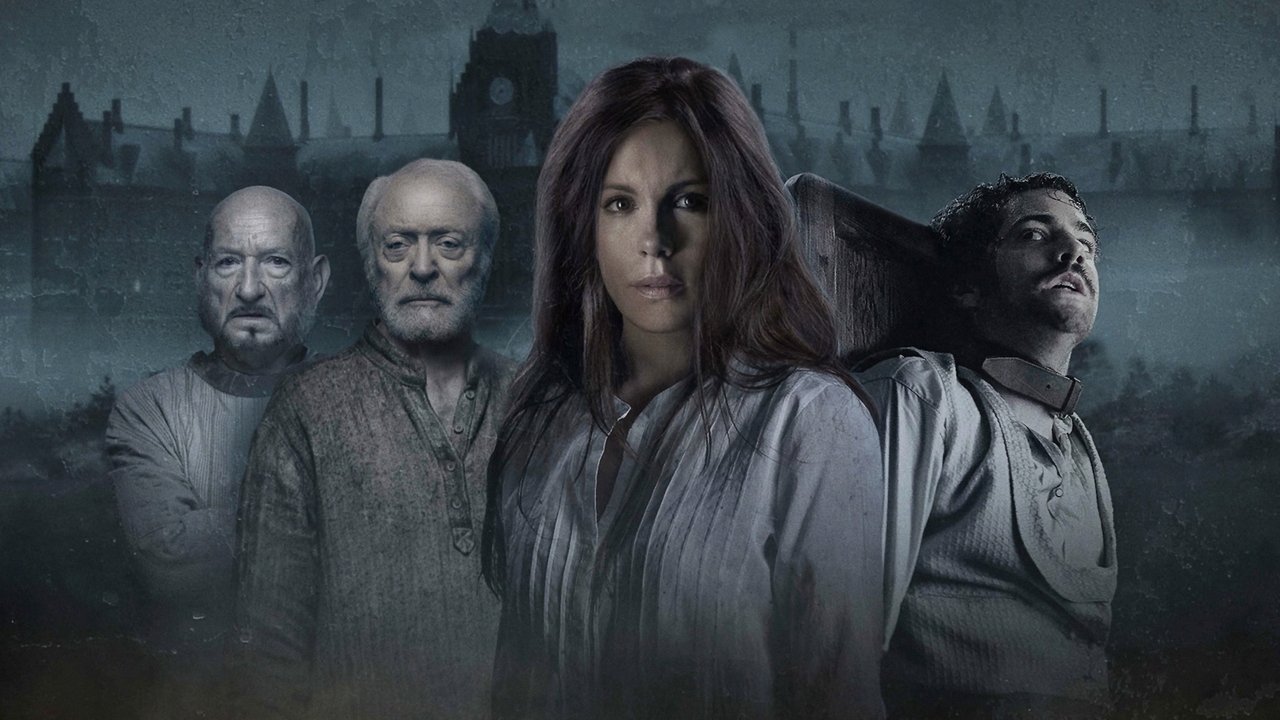
If you looked at the poster for Stonehearst Asylum without knowing its box office history, you’d assume it was a multi-Oscar nominee that dominated the Christmas release schedule. You’ve got Sir Ben Kingsley facing off against Sir Michael Caine. You’ve got Kate Beckinsale at the height of her period-drama prowess, David Thewlis being delightfully menacing, and Brendan Gleeson showing up just to remind everyone he’s one of the best character actors alive.
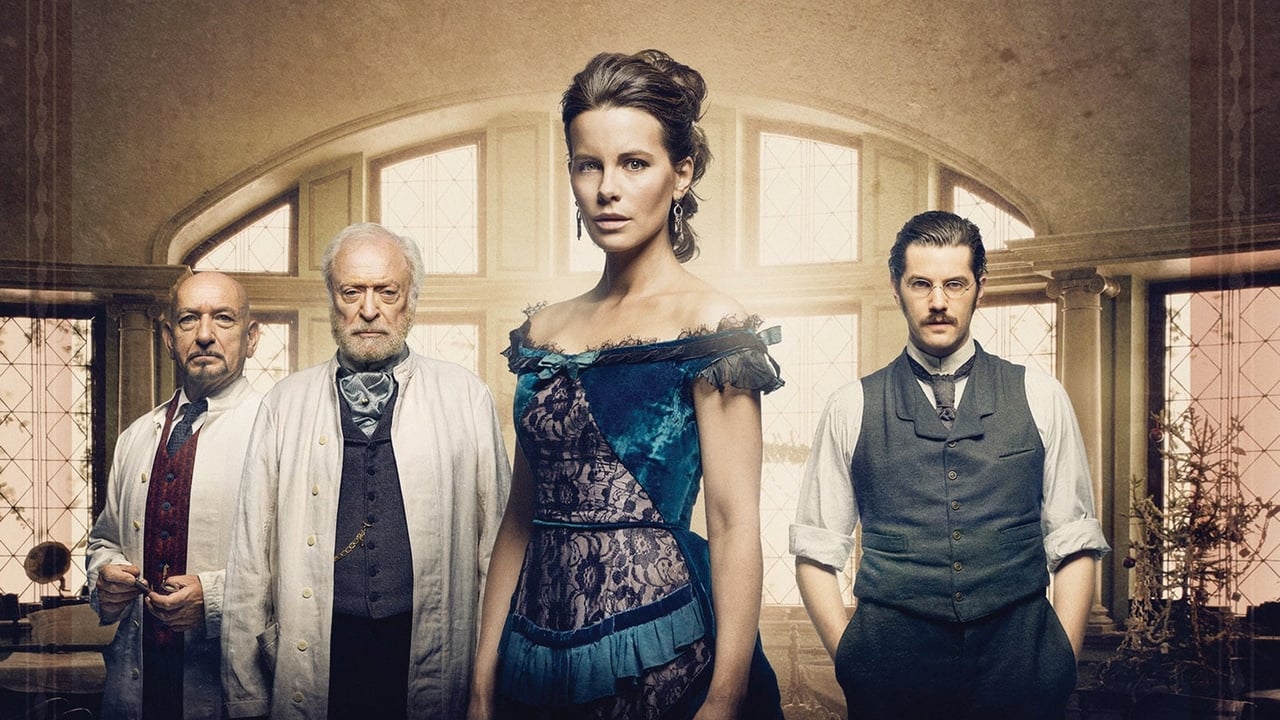
Yet, this movie basically evaporated the moment it hit theaters in 2014. It’s a classic "hidden gem"—a film with an A-list pedigree and a B-movie heart that somehow got lost in the shuffle of the early streaming era. I remember watching this on a laptop while waiting for a plumber who never showed up, and honestly, the Victorian plumbing nightmares on screen made my own leaky sink feel like a minor inconvenience. It’s a movie that deserves a second look, if only because this film has more British acting royalty per square inch than a royal coronation.
The System of Doctor Tarr and Professor Fether
The story is loosely—and I mean loosely—based on a short story by Edgar Allan Poe. We follow Jim Sturgess as Edward Newgate, a bright-eyed Oxford graduate who arrives at Stonehearst Asylum in 1899 to complete his medical training. He’s an "Alienist," the archaic term for a psychiatrist, back when the field was less about therapy and more about dunking people in ice baths or spinning them in chairs until they vomited.
Newgate is greeted by Silas Lamb (Ben Kingsley), the superintendent who has discarded the brutal "cures" of the era in favor of a radical new philosophy: let the patients live their lives without the heavy hand of discipline. It’s a progressive, utopian dream, until Newgate hears a rhythmic thumping coming from the vents and discovers the real staff, led by Dr. Salt (Michael Caine), locked in the basement cages.
From there, the movie transforms into a high-stakes shell game. Sturgess plays his role with the wide-eyed intensity of a man who just realized he left the stove on, navigating a house where the line between the "sane" and the "mad" is thinner than a Victorian lace veil. Director Brad Anderson—the man behind the skeletal dread of The Machinist—knows exactly how to light a cavernous hallway to make you feel like something is breathing down your neck.
A Masterclass in Gothic Atmosphere
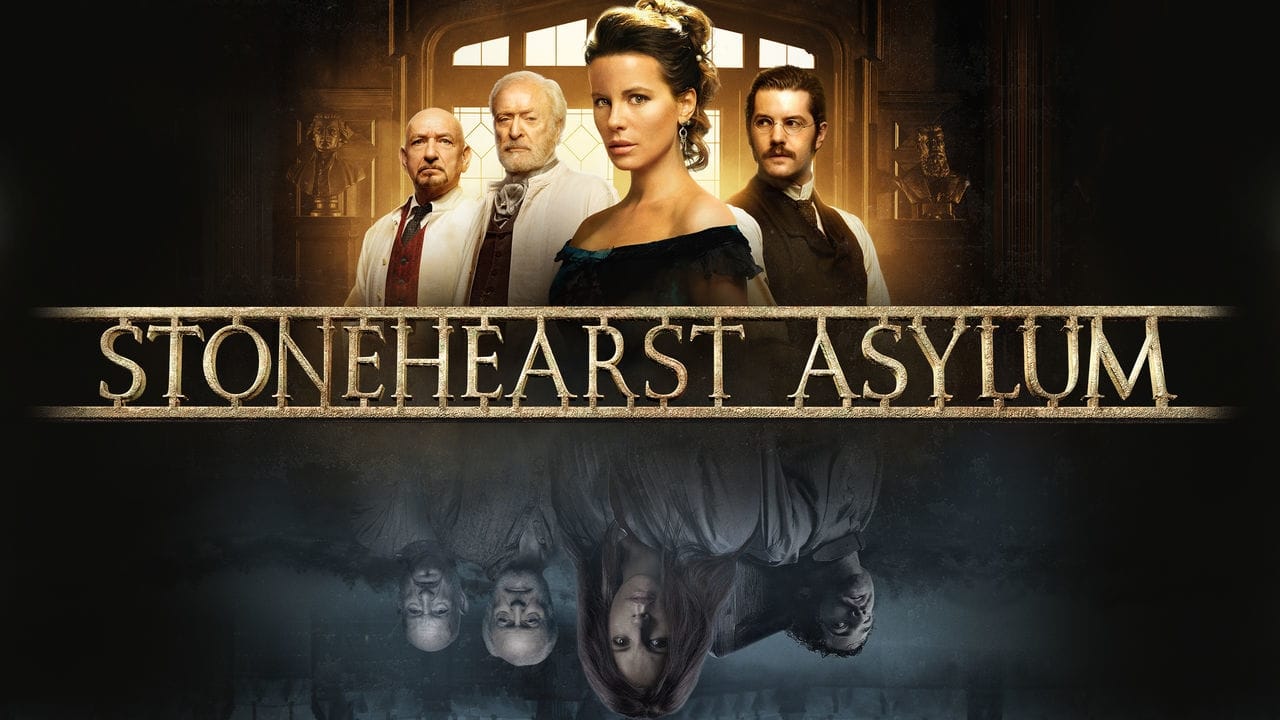
What I appreciate most looking back at Stonehearst Asylum is its commitment to the Gothic aesthetic. By 2014, the industry was moving toward a very clean, digital look, but this film feels tactile. You can practically smell the damp stone and the stale cigar smoke. The production design is lush, filled with heavy velvet curtains and brass medical instruments that look like they belong in a torture chamber (because, in 1899, they usually did).
David Thewlis steals every scene he’s in as Mickey Finn, Lamb's right-hand man. He’s essentially playing a human sneer wrapped in a waistcoat, and he provides the necessary edge of physical danger that keeps the movie from feeling like a simple costume drama. Meanwhile, Kate Beckinsale provides the emotional core as Eliza Graves, a patient Newgate becomes obsessed with. While the "romance" is the weakest part of the script, Beckinsale plays Eliza with a guarded, vibrating intelligence that makes you root for her escape more than Newgate’s.
The horror here isn't about jump scares; it's about the horror of the era’s medical "advancements." The scenes involving the "treatments" are more unsettling than any slasher movie because they’re rooted in actual history. Seeing Michael Caine’s Dr. Salt defend his barbaric methods as "science" provides a chilling counterpoint to Kingsley’s Lamb, who, despite his questionable methods of seizing power, actually treats the patients with dignity.
Why Did This One Slip Through the Cracks?
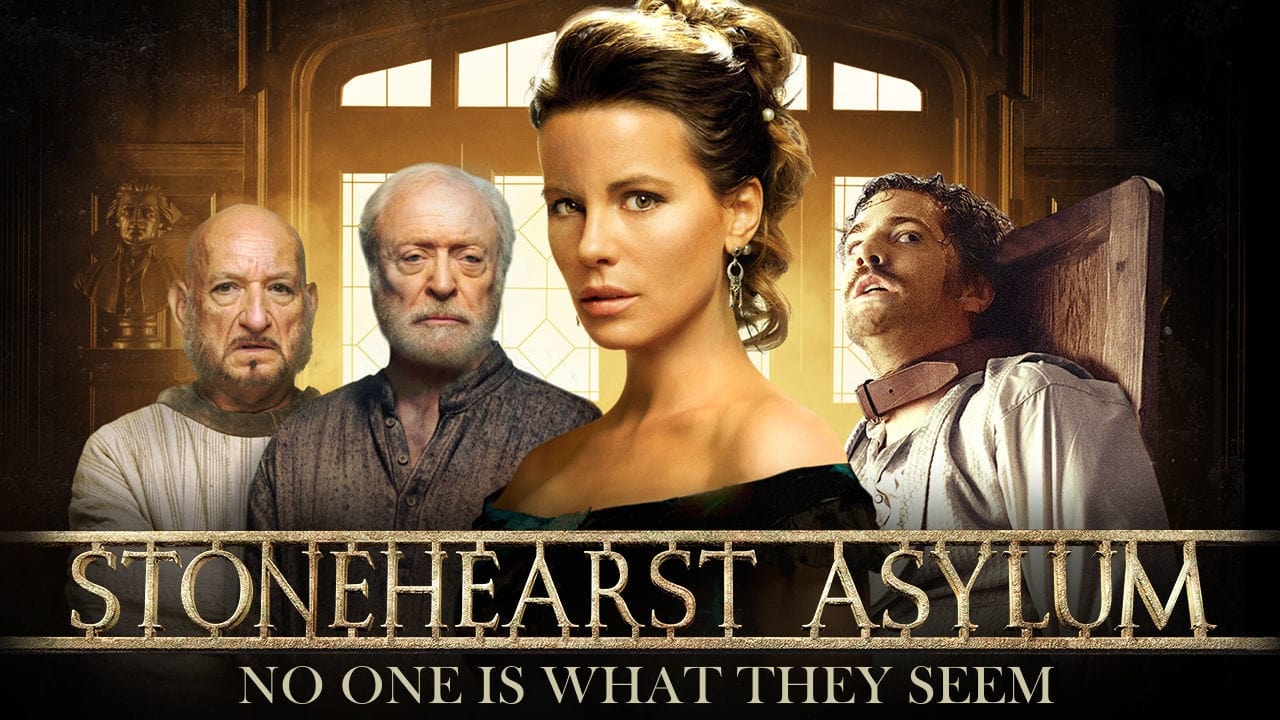
In the context of 1990–2014 cinema, Stonehearst Asylum feels like a throwback to the mid-budget adult thrillers of the late 90s. It’s the kind of movie that would have been a massive hit on DVD a decade earlier, buoyed by word-of-mouth and a "you won't believe the twist" marketing campaign. By 2014, however, the "middle" of the film market was collapsing. Movies were either $200 million superhero epics or $2 million indie darlings. Stonehearst sat awkwardly in between.
It also suffered from being a bit too smart for a "dumb" horror audience and a bit too pulpy for the "prestige" crowd. But that’s exactly why I love it. It’s a movie that trusts you to keep up with its shifting moral allegiances. It asks the viewer: if the "sane" doctors are monsters and the "insane" patients are kind, who really belongs behind the bars?
Stonehearst Asylum is a handsomely mounted, expertly acted psychological thriller that doesn't quite reinvent the wheel but certainly polishes the spokes until they gleam. While the final twist might feel a bit "extra" to some, I found it to be a satisfyingly Poe-esque sting in the tail. If you have two hours and a fondness for foggy moors and scenery-chewing legends, this is the forgotten asylum you should definitely check into.
Keep Exploring...
-

Time Lapse
2014
-

The Tall Man
2012
-

Stir of Echoes
1999
-

The Gift
2000
-

What Lies Beneath
2000
-
Session 9
2001
-

Inland Empire
2006
-

The Invasion
2007
-

Untraceable
2008
-

Vacancy
2007
-
After.Life
2009
-
Pandorum
2009
-
Devil
2010
-

Sinister
2012
-
The Raven
2012
-
You're Next
2013
-

From Hell
2001
-

The Ward
2010
-

Case 39
2009
-

Red Riding Hood
2011