Teenage Mutant Ninja Turtles
"Big, loud, and weirdly obsessed with turtle nostrils."
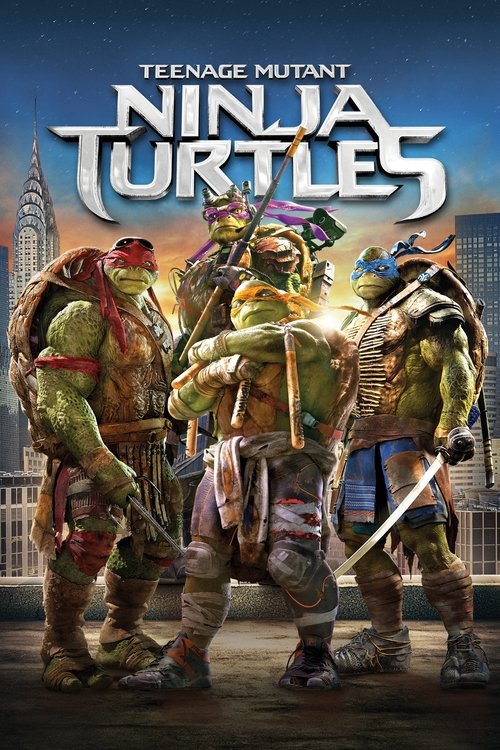
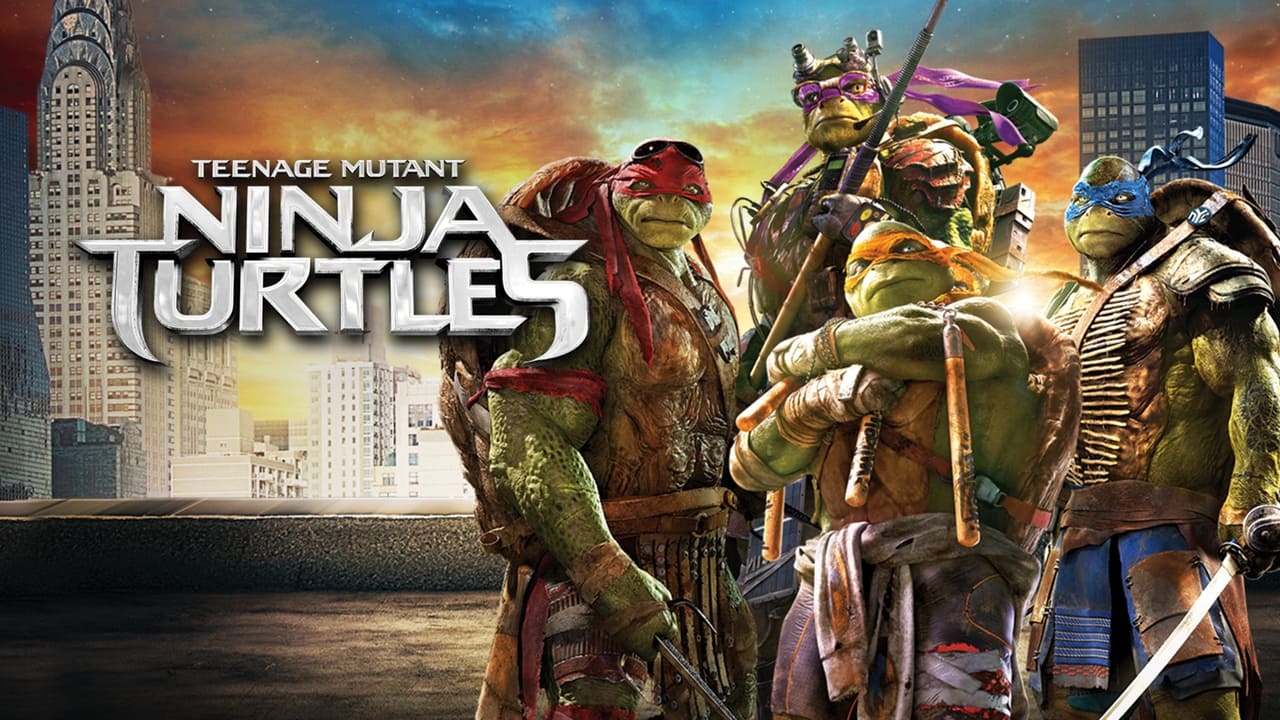
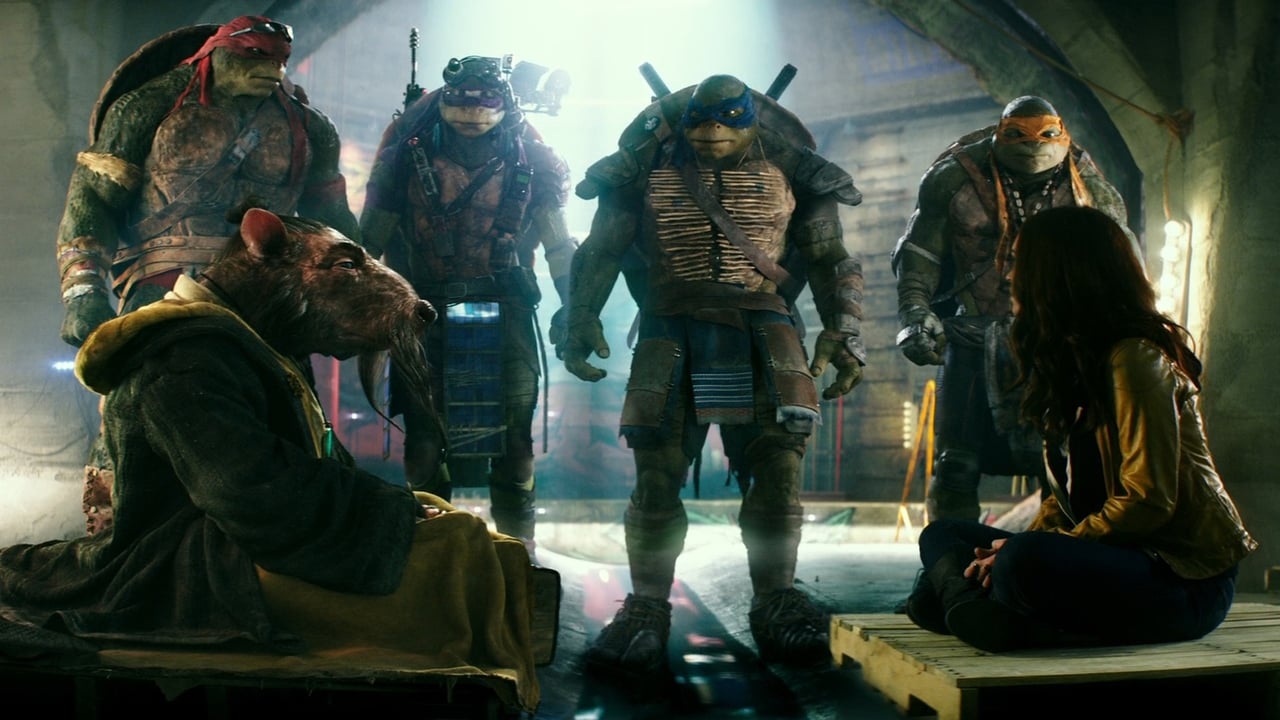
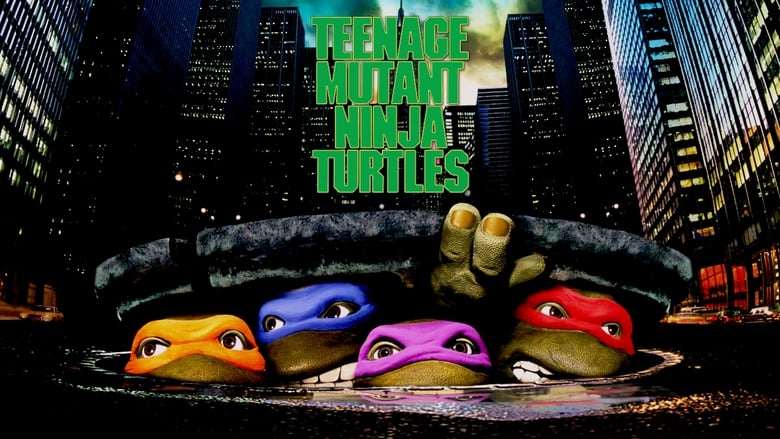
If you walked into a theater in 2014 expecting the rubber-suited, damp-basement charm of the 1990 original, the first five minutes of Jonathan Liebesman’s Teenage Mutant Ninja Turtles likely felt like a physical assault on your childhood. These aren't the lean, green fighting machines that navigated the Jim Henson era; these are six-foot-tall, hyper-muscular tanks with personalized gear and, most controversially, actual nostrils. It’s a film that leans heavily into the "Modern Blockbuster" playbook of the mid-2010s: more pixels, more debris, and a scale that makes New York City feel like a fragile Lego set.
I watched this on a Tuesday night while nursing a slight headache and eating a bowl of lukewarm cereal, and honestly, the sheer, dumb energy of the film was the perfect mental anesthetic. It doesn’t ask you to think; it asks you to hold on for dear life while four CGI reptiles slide down a mountain at eighty miles per hour.
The Turtle-Sized Elephant in the Room
Coming out of the era where every franchise felt the need to be "gritty" following the success of the Dark Knight trilogy, this reboot had a bit of an identity crisis. It wanted to be grounded, yet it featured a giant talking rat who learned ninjutsu from a discarded book. The character designs were the first major hurdle for many. By moving away from practical suits to full-performance capture handled by the wizards at Industrial Light & Magic (ILM), the filmmakers could give the brothers distinct physical personalities.
Noel Fisher is the MVP here as Michelangelo, providing the soul and the jokes that keep the movie from drowning in its own self-importance. Alan Ritchson (long before his Reacher fame) brings a believable, simmering rage to Raphael, while Pete Ploszek (physically) and Johnny Knoxville (vocally) handle Leonardo’s leadership duties. The interplay between the four brothers is where the movie actually shines. In retrospect, the motion-capture tech was remarkably advanced for 2014, capturing the subtle smirks and eye movements that make you forget, just for a second, that you're looking at a mountain of digital meat.
Shredders and Slapstick

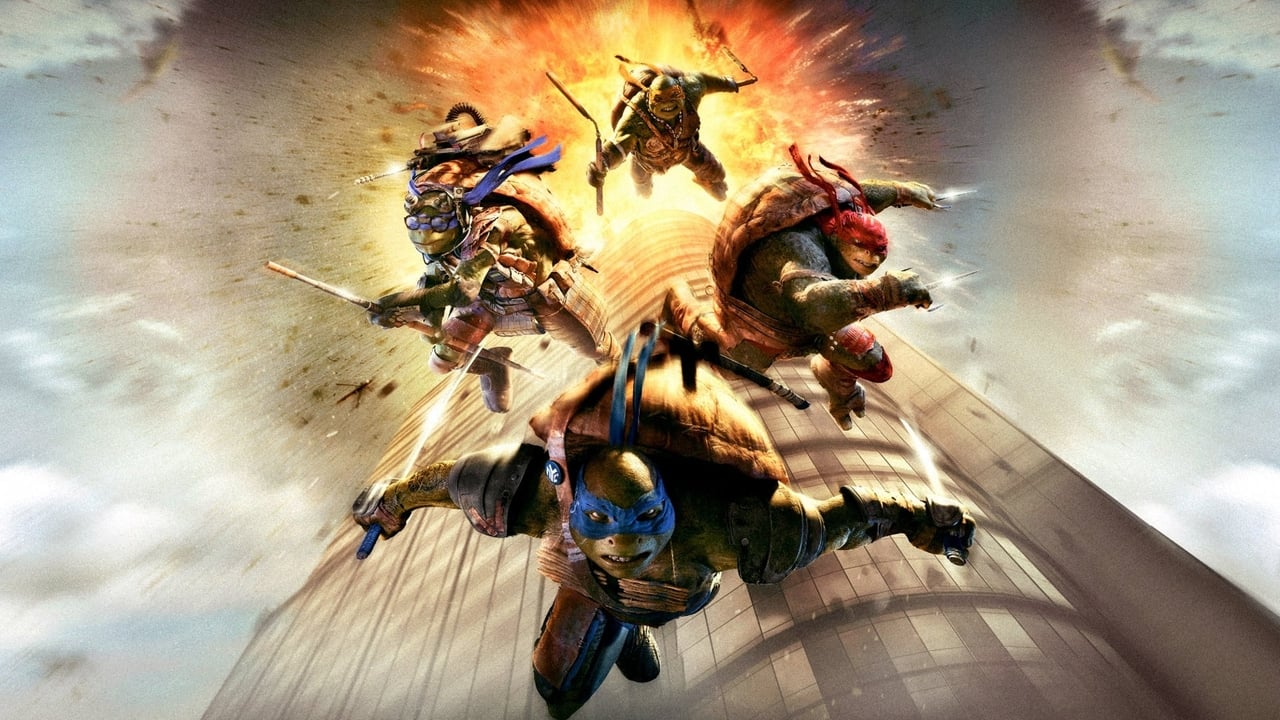
The action choreography is pure "Bayhem"—producer Michael Bay’s DNA is all over the high-contrast lighting and the way things tend to explode for no apparent reason. The standout sequence remains the snowy mountain chase. It’s a ridiculous, physics-defying slide that utilizes the turtles' shells as sleds while they dodge humvees and gunfire. It’s pure cartoon logic translated into a big-budget spectacle, and it’s genuinely fun if you can check your cynicism at the door.
However, the villain situation is a bit of a mess. William Fichtner plays Eric Sacks, a corporate sleazebag who originally was rumored to be the Shredder himself (a change that sparked online outrage during production). The final version of the Shredder we got is basically a Swiss Army Knife that accidentally became sentient and joined a heavy metal band. He’s covered in so many retractable blades and magnets that he feels less like a martial arts master and more like a rejected Decepticon. It robs the final confrontation of any real tension because the stakes feel entirely digital.
A Relic of the 2014 Franchise Machine
Looking back, this film captures a very specific moment in cinema history—the tail end of the "studio reboot" fever where everything needed a $125 million budget and a tie-in with a major pop star (shoutout to the "Shell Shocked" music video that dominated the charts for a hot minute). It was a massive financial hit, raking in over $485 million worldwide, proving that the TMNT brand was bulletproof regardless of how many nostrils you gave the protagonists.
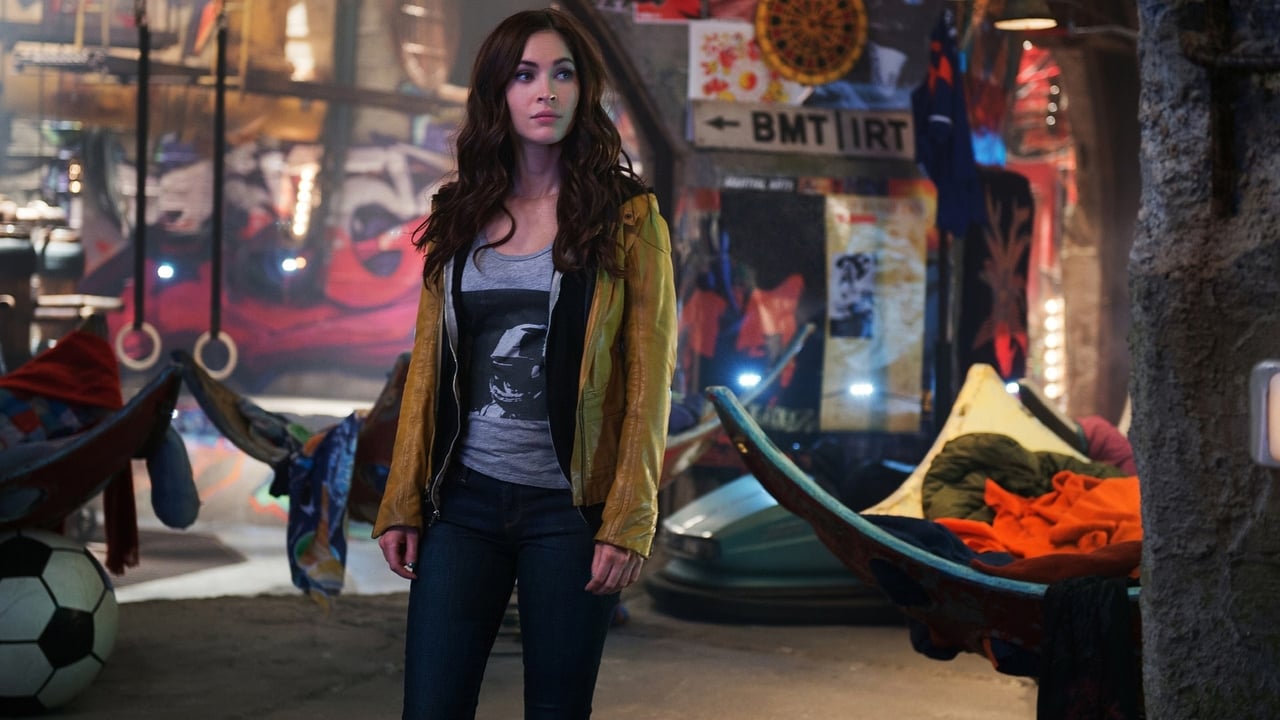
Megan Fox does her best with a version of April O’Neil that is mostly there to look shocked and carry a camera, while Will Arnett provides the much-needed comedic cynicism as Vern Fenwick. Their chemistry is fine, but let’s be real: we’re here to see the turtles eat pizza and hit things. The film is at its best when it stops trying to build a complex conspiracy plot and just lets the brothers be teenagers.
Apparently, the production was so chaotic that they were still rewriting the ending well into post-production, which explains why the third act feels like three different movies fighting for dominance. Despite the messy development, there’s a weirdly infectious joy in the smaller moments, like the four of them beatboxing in an elevator before the final fight. It’s a moment of levity that reminds you why these characters have lasted for thirty-plus years across comics, cartoons, and films.
The 2014 Teenage Mutant Ninja Turtles is the cinematic equivalent of a stuffed-crust pizza from a chain restaurant: it’s over-engineered, a little bit greasy, and you’ll probably feel slightly guilty afterward, but it hits the spot in the moment. It lacks the heart of the 1990 original or the stylistic brilliance of the later Mutant Mayhem, but as a loud, proud product of the early 2010s blockbuster machine, it’s a fascinating, frantic ride. If you can embrace the absurdity of a giant rat voiced by Tony Shalhoub, there’s plenty of fun to be found in the shadows of New York.
Keep Exploring...
-
Teenage Mutant Ninja Turtles: Out of the Shadows
2016
-
Spy Kids 2: The Island of Lost Dreams
2002
-
Men in Black II
2002
-
Battle: Los Angeles
2011
-
Spy Kids
2001
-

RED
2010
-

Puss in Boots
2011
-

Mystery Men
1999
-
Osmosis Jones
2001
-

Divergent
2014
-
Teenage Mutant Ninja Turtles
1990
-
Teenage Mutant Ninja Turtles II: The Secret of the Ooze
1991
-
Journey to the Center of the Earth
2008
-

Night at the Museum
2006
-

Wild Hogs
2007
-
Transformers: Revenge of the Fallen
2009
-
Men in Black
1997
-
Bird on a Wire
1990
-
The Three Musketeers
1993
-
Austin Powers: The Spy Who Shagged Me
1999