The Amazing Spider-Man 2
"The sparks fly before the heart breaks."
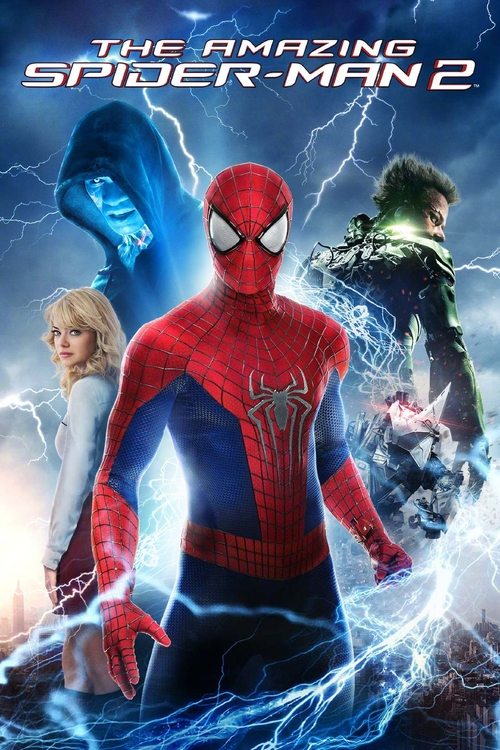
By 2014, the "Cinematic Universe" fever had reached a sweating, delusional peak. Every studio executive in Hollywood was looking at Marvel’s homework, desperate to turn a single character into a ten-movie roadmap. Sony, holding the keys to the Spider-Kingdom, didn't just want a sequel; they wanted a launchpad for a Sinister Six movie, a Venom spin-off, and probably a solo flick for Aunt May’s wheatcakes. Watching The Amazing Spider-Man 2 today feels like looking at a beautiful, high-tech sports car that the owner tried to turn into a minivan while driving it at 100 mph.
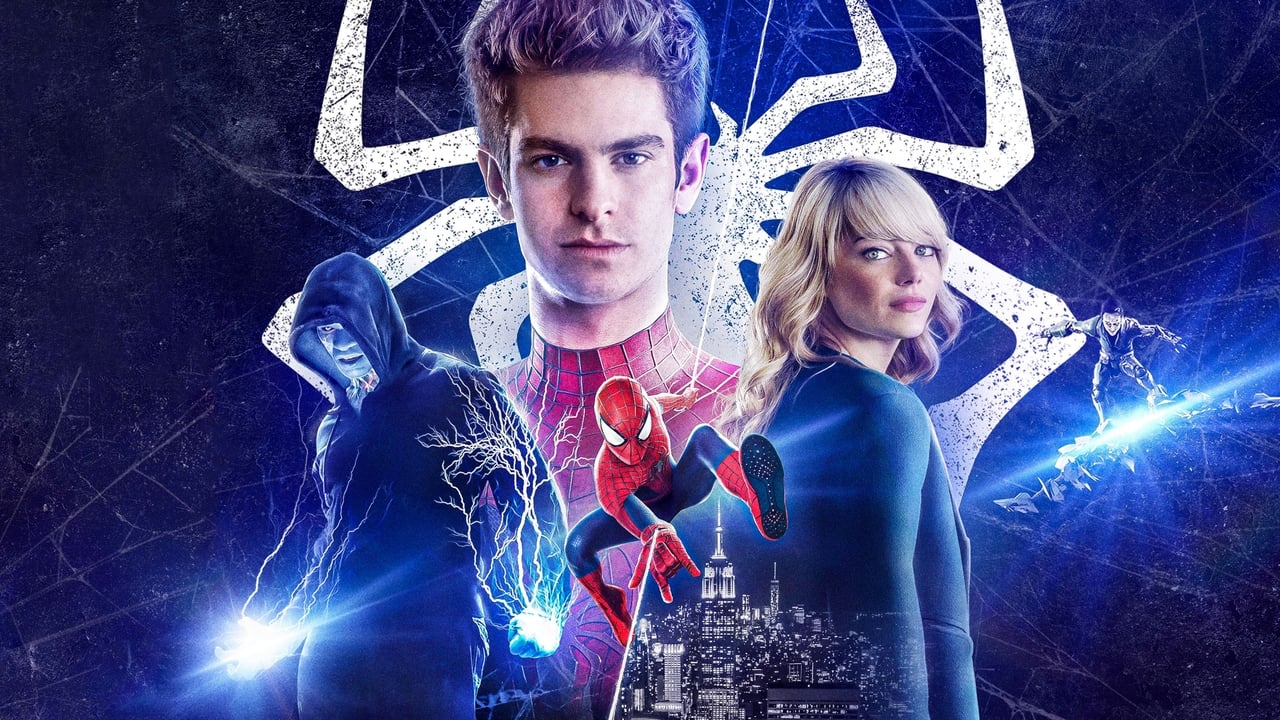
I recently re-watched this while finishing off a bag of pretzel M&Ms that were definitely three months past their expiration date—the salt-to-chocolate ratio was all wrong, and honestly, that’s a pretty decent metaphor for this movie. There is so much "movie" here that it occasionally forgets to be a story.
The Best Spidey We Almost Had
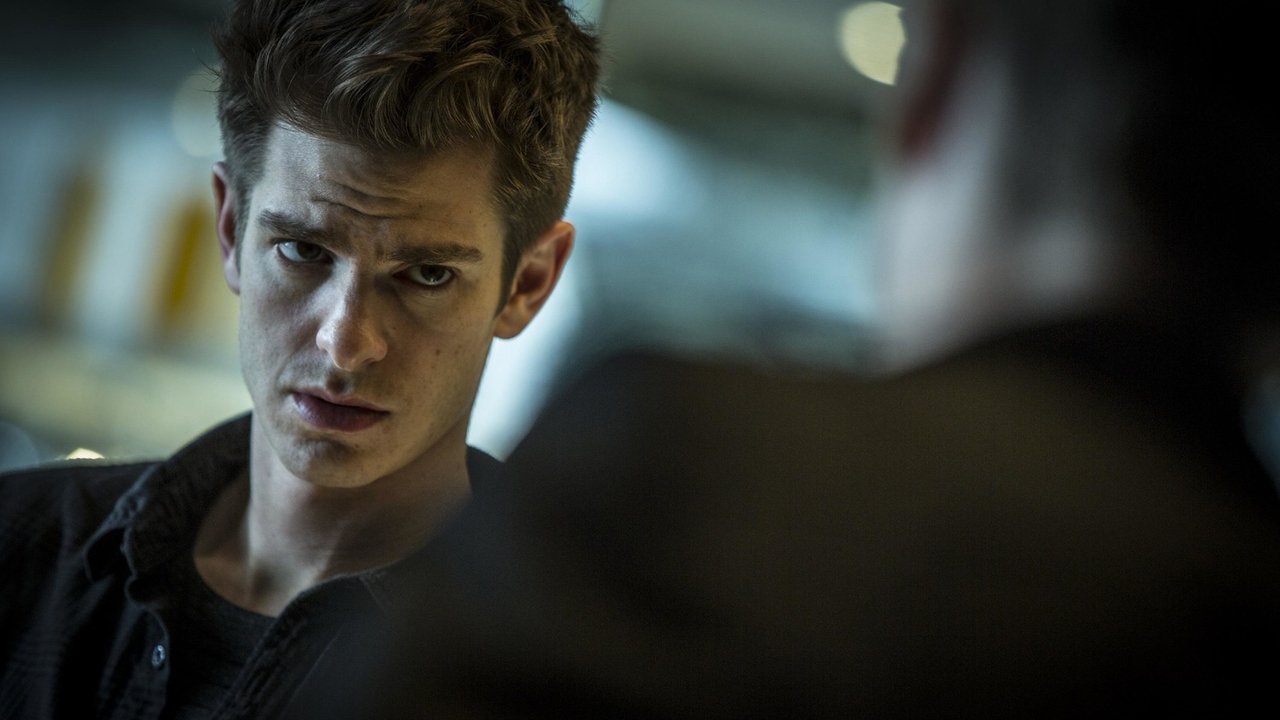
If we’re going to be honest, Andrew Garfield remains the most technically proficient Spider-Man to ever put on the spandex. Looking back at his performance, he nails the specific "New York jerk" energy that the comics always hinted at—the way he mocks criminals and moves with a lanky, jittery grace. The opening sequence, where he’s free-falling through the Manhattan skyline to the brassy, heroic swell of Hans Zimmer’s score, is arguably the best Spider-Man has ever looked on screen.
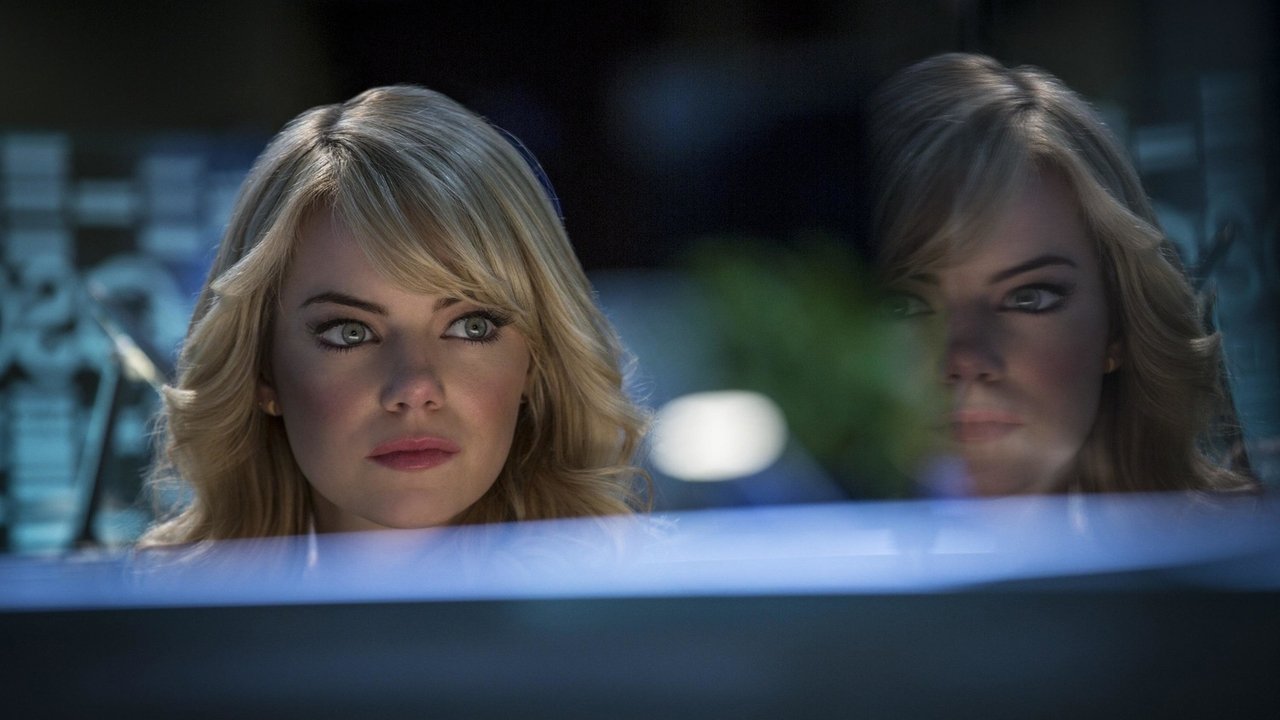
Director Marc Webb (who previously gave us the indie darling 500 Days of Summer) clearly cared more about the "Peter and Gwen" of it all than the "Spider-Man vs. The World" of it all. The chemistry between Andrew Garfield and Emma Stone isn't just "good for a superhero movie"—it’s some of the most authentic romantic spark I’ve ever seen in a blockbuster. They fumble their words, they look at each other with genuine longing, and they make the stakes feel personal. When they’re on screen together, I find myself wishing the movie would just forget about the blue glowing guy and the goblin and let them go get coffee for two hours.
A Blue-Light Special on Villains
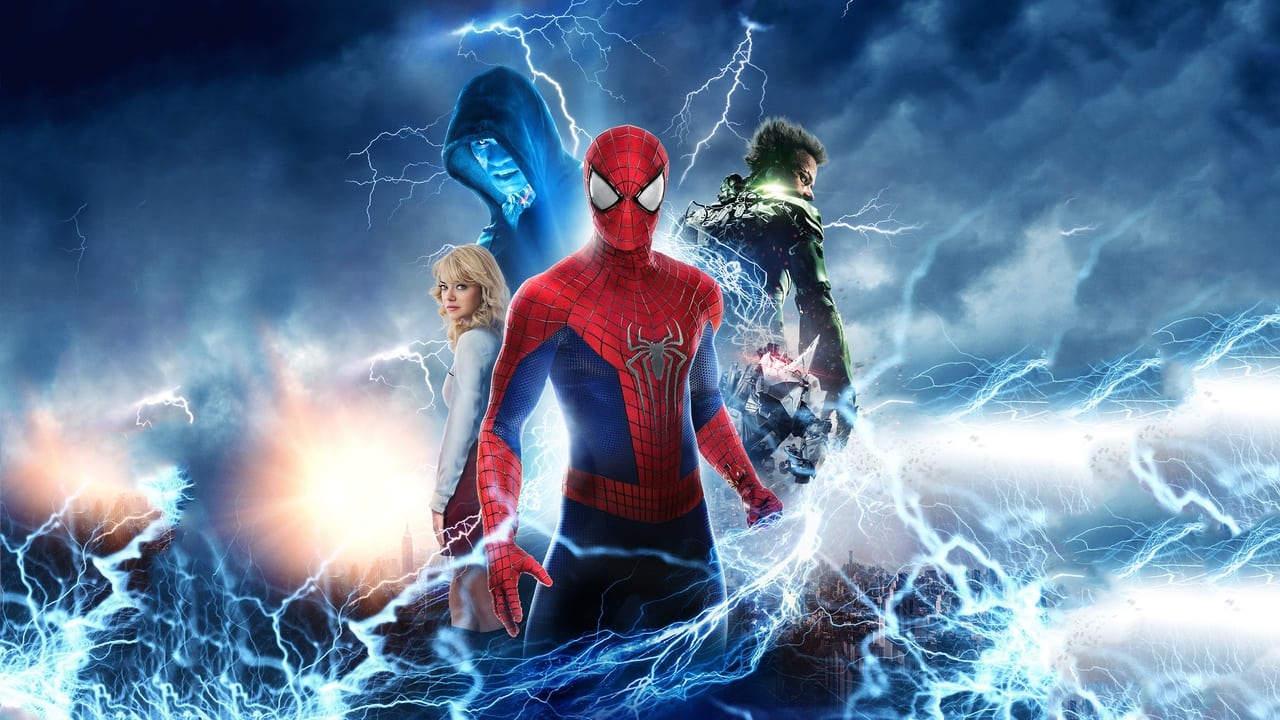
Then, there’s the "too much" problem. Jamie Foxx as Max Dillon/Electro is a fascinating choice that doesn't quite land. The CGI on Electro was groundbreaking at the time, utilizing a new "under-the-skin" lighting rig that made him look like a living nebula. But the character’s motivation? He’s basically just a disgruntled IT guy who didn't get a birthday card. It’s hard to feel the menace when the villain feels like he belongs in a Joel Schumacher Batman movie from 1997.
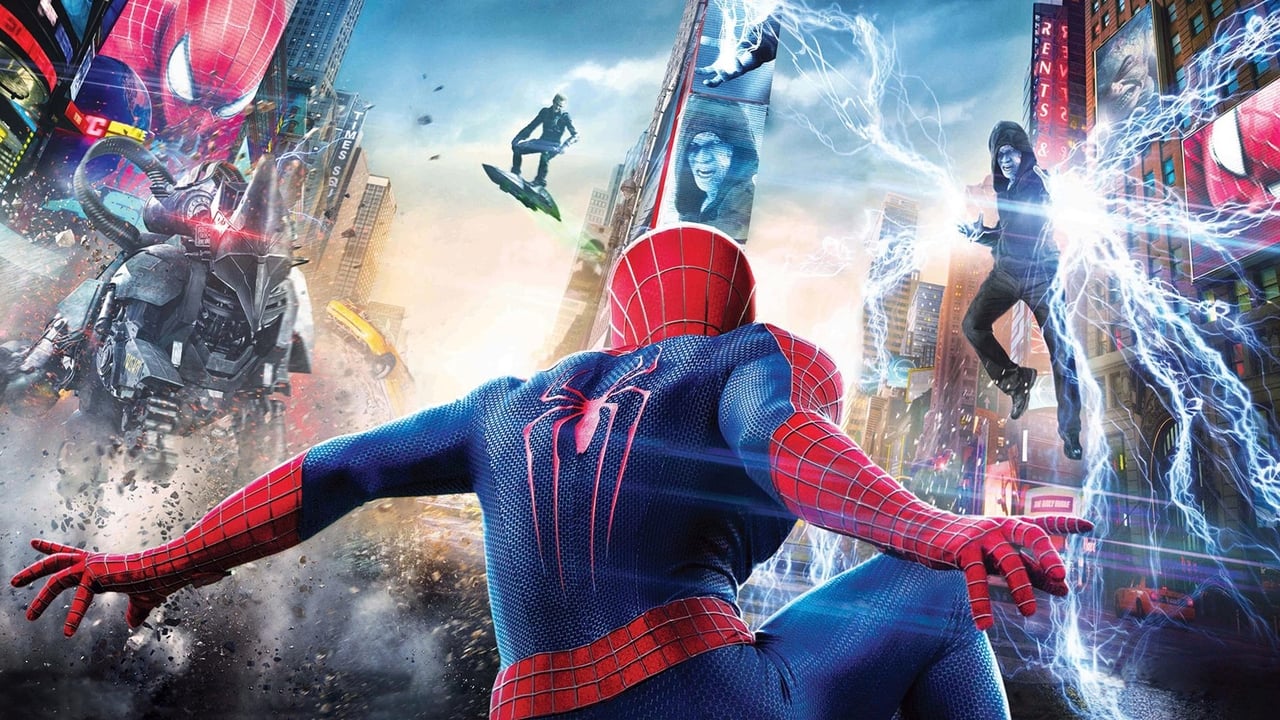
And then there's Dane DeHaan. I like DeHaan as an actor, but his transformation into the Green Goblin feels like a casualty of a studio rushing to get to the "good stuff." The Green Goblin design looks like a meth-addicted leprechaun, and his inclusion in the final act feels like it was mandated by a boardroom rather than a screenwriter. It’s a shame, because the $200 million budget is visible in every frame. The action choreography is punchy and inventive—especially the Times Square sequence where Peter’s "Spider-Sense" is visualized as a frozen moment in time—but it’s all servicing a plot that feels like a series of trailers for movies that would never be made.
The Legacy of the Clock Tower
Despite the bloat, the film’s climax in the clock tower is a genuine gut-punch. For a film released in the middle of the "franchise formation" era, where characters are often protected by their commercial value, this sequence showed real guts. The animation of the webbing reaching out like a desperate hand—a detail that took the team at Sony Pictures Imageworks weeks to perfect—is haunting. It’s a moment that honors the comics' history while grounding the CGI spectacle in real, devastating weight.
The trivia behind the scenes is almost as chaotic as the film itself. This was the movie that essentially broke the dam for Sony; between the lukewarm critical reception and the infamous Sony hack shortly after, the planned "Amazing" universe was scrapped in favor of the deal that brought Spidey into the MCU. We also missed out on seeing Felicity Jones evolve into Black Cat (she’s relegated to a "blink and you’ll miss it" role as Felicia Hardy) or seeing what Colm Feore’s Donald Menken was actually up to.
Looking back, The Amazing Spider-Man 2 is a fascinating relic of 2014 cinema. It’s a film caught between being a heartfelt indie romance and a corporate product. It’s messy, it’s loud, and it’s occasionally brilliant. It’s the kind of movie you want to defend even when you know it’s flawed, mostly because Andrew Garfield was giving it 110% in a script that only deserved about 60%.
It’s the ultimate "What If?" of the superhero genre. While it lacks the narrative tightness of the films that came before and after, the sheer ambition and the central romance make it a journey worth taking. It’s a beautiful, neon-soaked tragedy that reminds me why I love the character, even when the studio behind him is trying a bit too hard to sell me a toy of a guy who didn't get a birthday card.
Keep Exploring...
-
The Amazing Spider-Man
2012
-
Transformers: Revenge of the Fallen
2009
-
Transformers
2007
-
2012
2009
-

Star Trek
2009
-

Iron Man 2
2010
-
Resident Evil: Afterlife
2010
-

Transformers: Dark of the Moon
2011
-
Journey 2: The Mysterious Island
2012
-
The Hunger Games
2012
-
Iron Man 3
2013
-
Star Trek Into Darkness
2013
-
The Wolverine
2013
-

Divergent
2014
-
Teenage Mutant Ninja Turtles
2014
-
Transformers: Age of Extinction
2014
-
Planet of the Apes
2001
-
Stargate
1994
-
Congo
1995
-
Independence Day
1996