The Best of Me
"First loves, old scars, and a very persistent rain."
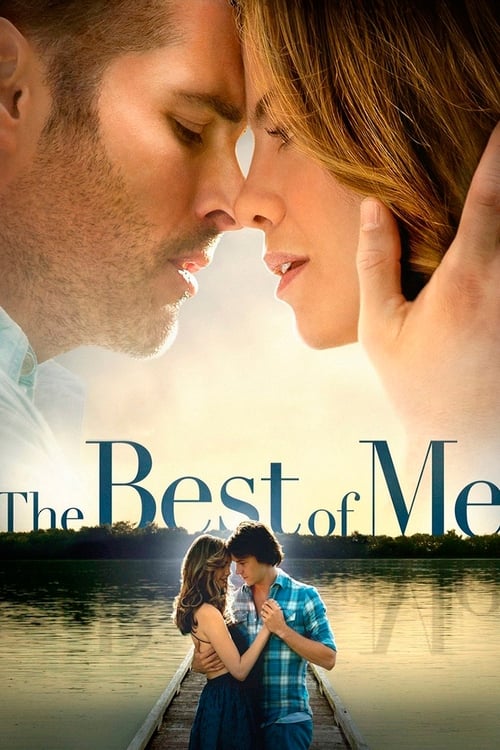
By 2014, the "Nicholas Sparks Adaptation" had become its own self-sustaining ecosystem, a genre so clearly defined it practically came with its own Pantone color palette of sunset oranges and mossy greens. We knew the checklist by heart: a coastal Southern town, a class-divided romance, a secret hidden in a box of old letters, and at least one scene where the leads get caught in a torrential downpour because umbrellas apparently don't exist in North Carolina. The Best of Me arrived right as this specific brand of mid-budget melodrama was starting to lose its theatrical foothold to the burgeoning streaming giants, making it a fascinating, if slightly recycled, time capsule of the era's romantic sensibilities.
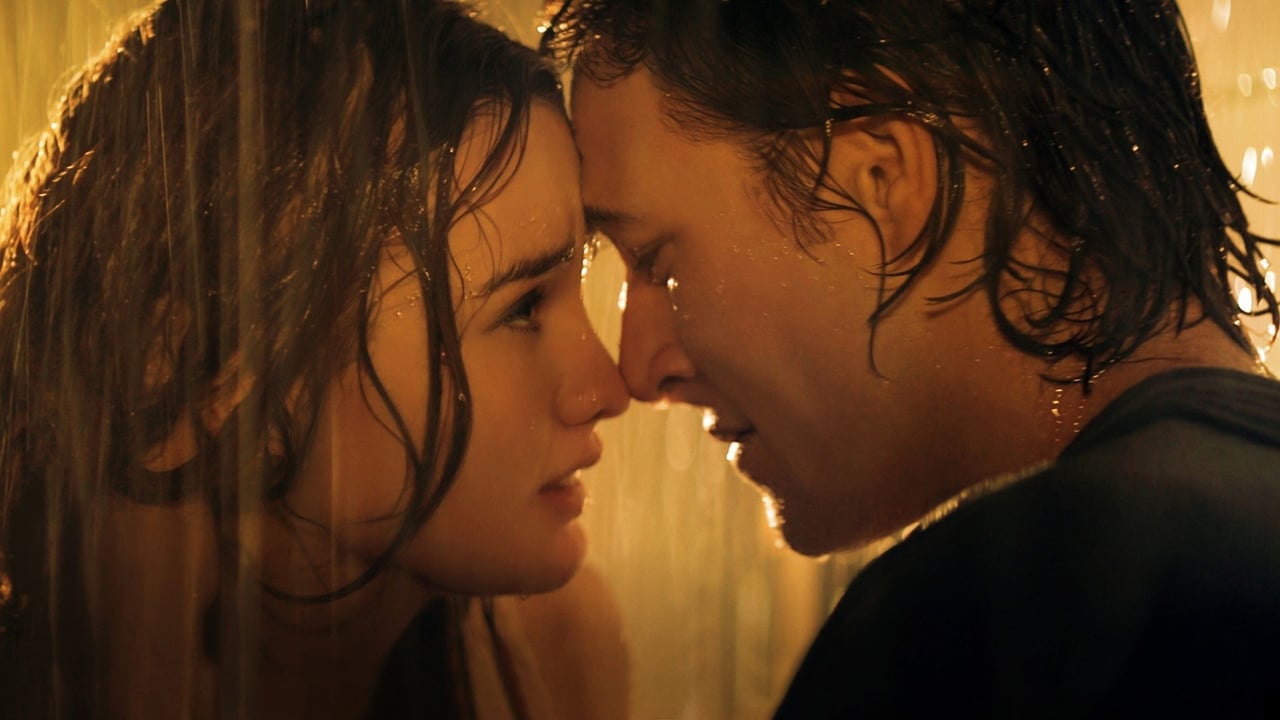
I watched this recently on a Tuesday night while trying to assemble a flat-pack bookshelf, and I’m fairly certain I spent more time squinting at the screen trying to reconcile the casting than I did looking at the instruction manual. My shelf is crooked, but my opinion on the "Dawson Dilemma" is ironclad.
The Face-Blindness Casting Crisis
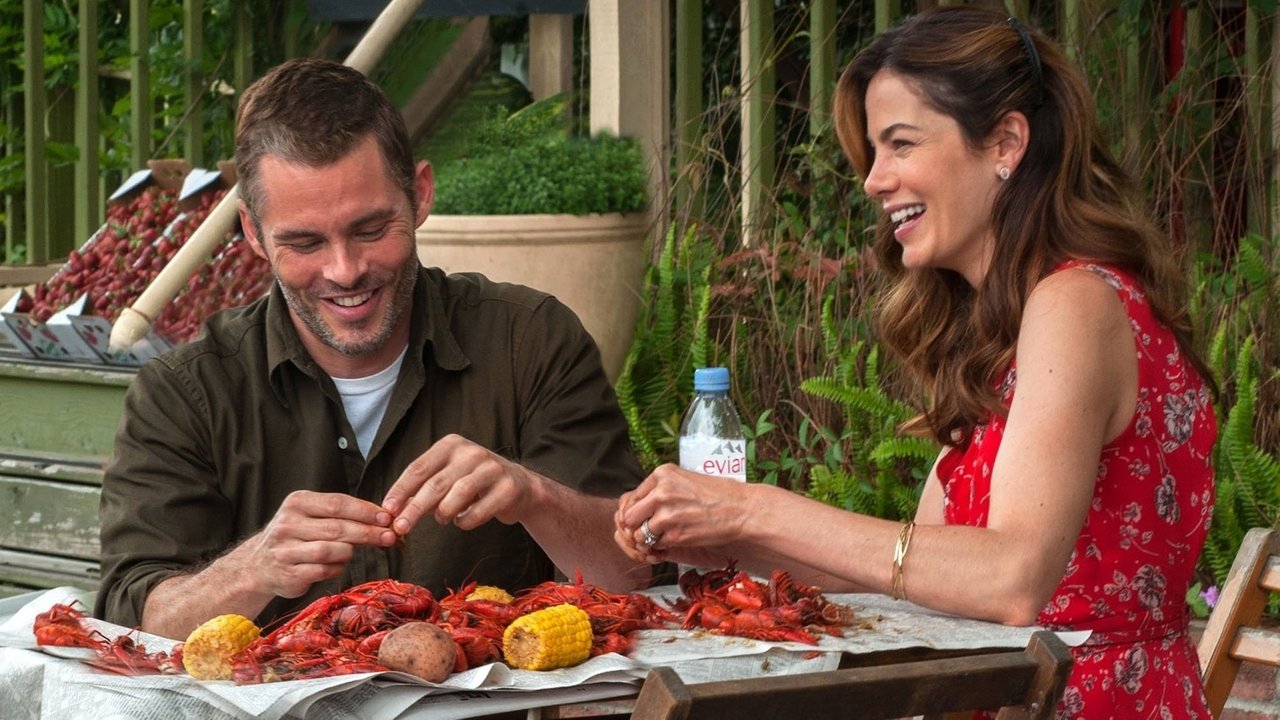
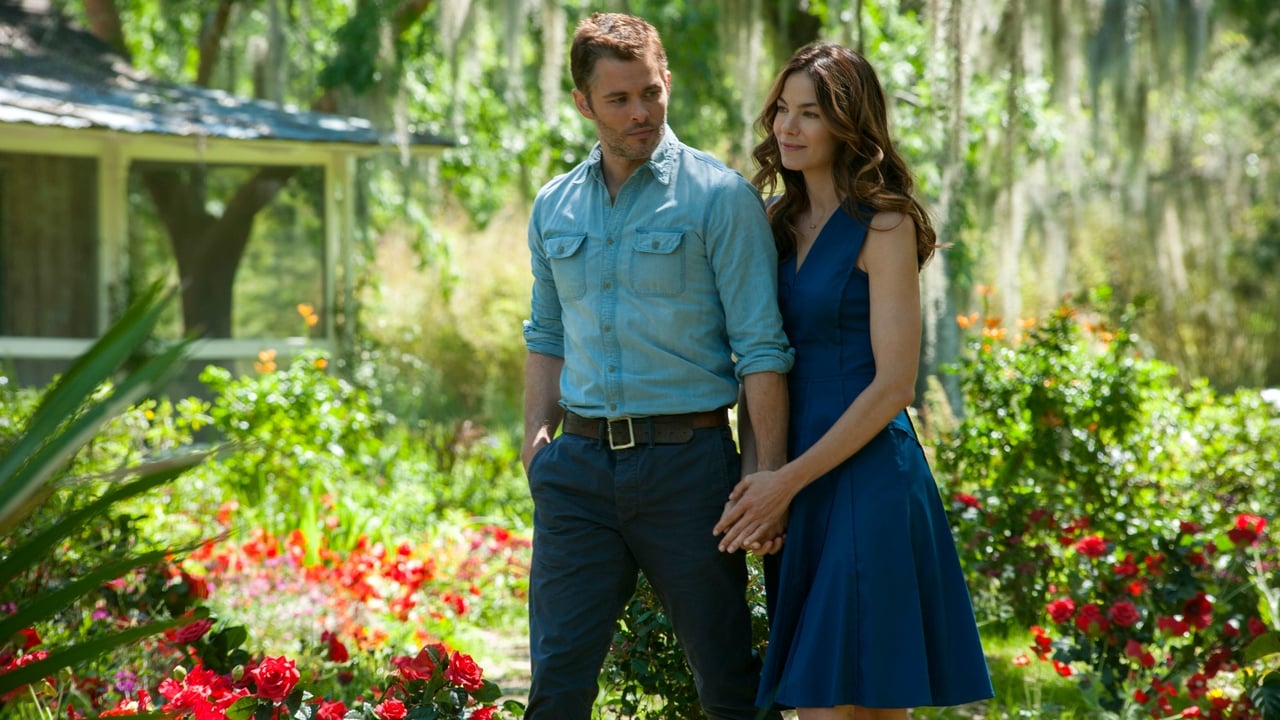
The central conceit of The Best of Me involves jumping between the present day and the early 90s. In the modern timeline, we have James Marsden as Dawson and Michelle Monaghan as Amanda. They’re great. James Marsden has that uncanny ability to look like he’s perpetually apologizing for being so handsome, and Michelle Monaghan brings a grounded, weary soulfulness to a character that could have easily been a cardboard cutout of a "disappointed housewife."
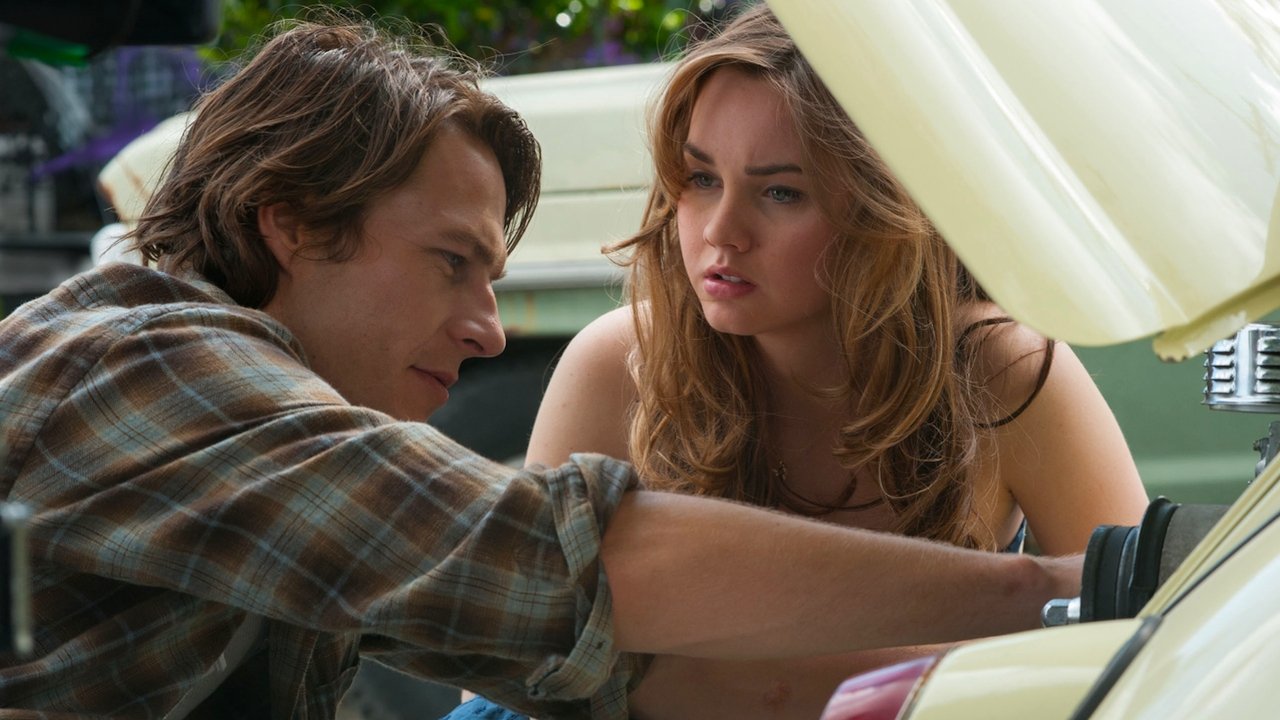
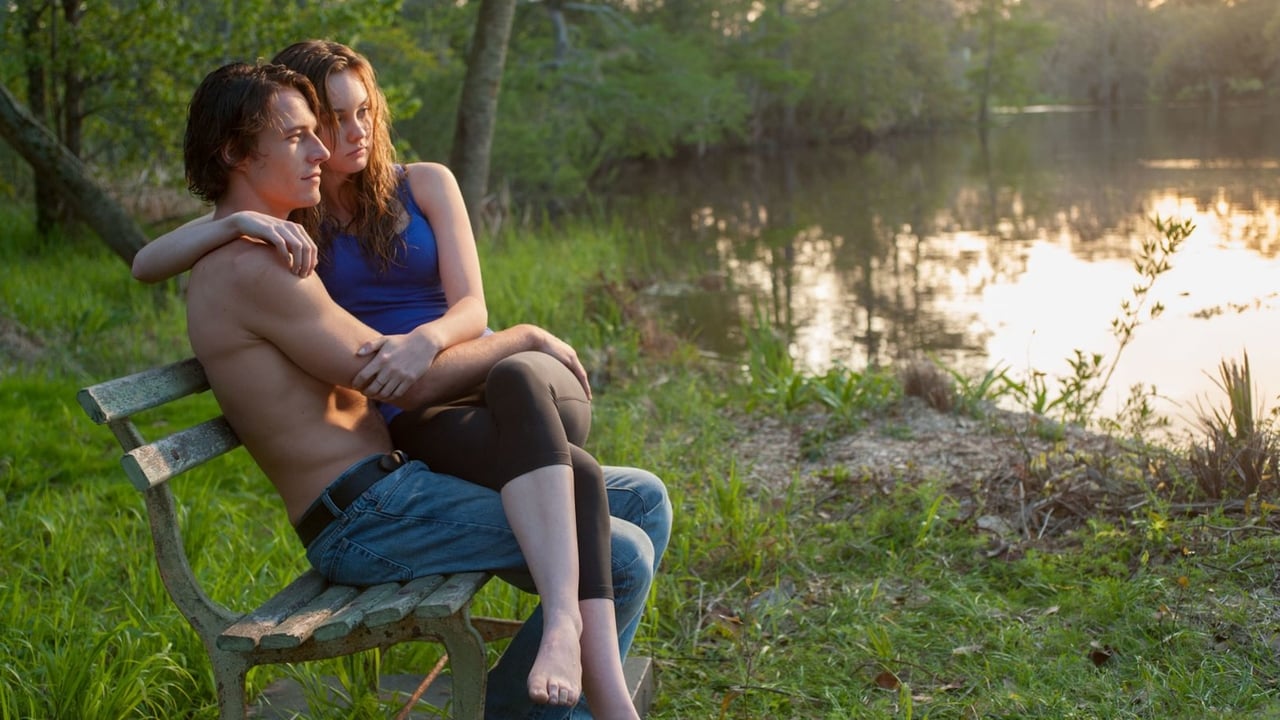
But then we flash back. Liana Liberato plays young Amanda, and she’s a dead ringer for a junior Monaghan. It’s perfect. However, Luke Bracey plays young Dawson, and the transition is... jarring. Luke Bracey looks like he could eat James Marsden for breakfast. He’s rugged, gravel-voiced, and built like a linebacker, whereas Marsden is the king of the refined, lean leading man. It’s one of the most baffling casting discrepancies in modern cinema, to the point where I found myself wondering if Dawson had some sort of reverse-puberty medical condition that shrunk his bone structure by 20%.
Despite the visual disconnect, the younger duo actually carries the film's most electric moments. Their "wrong side of the tracks" romance has a desperate, sticky-summer heat to it that feels more authentic than the polished, adult reunion. Gerald McRaney pops up as Tuck, the crotchety widower who takes Dawson in, and he provides the film's much-needed emotional ballast. He’s the "Old Wise Man" archetype dialed up to eleven, but McRaney is too good an actor to let it slide into total cliché.
Melodrama as a High Art Form
If you’re coming to a film like this looking for subtlety, you’ve parked your car at the wrong pier. This is a movie where the villains—Dawson’s hillbilly crime family—are so cartoonishly evil they might as well be twirling mustaches. They exist solely to throw wrenches into the gears of destiny. Director Michael Hoffman (who gave us the far more nuanced The Last Station) leans into the operatic nature of the script. He knows his audience isn't here for a gritty deconstruction of Southern poverty; they’re here for the "one that got away."
Interestingly, the film’s production was shadowed by real-world tragedy. James Marsden took over the role of Dawson after the passing of Paul Walker, and you can feel a certain funereal weight in his performance. It’s a quiet, internal turn. Behind the scenes, the production had to pivot quickly, and there’s a sense that the film is trying very hard to be a tribute to the kind of earnest, heart-on-sleeve storytelling Walker was known for.
The cinematography by Oliver Stapleton is lush, almost aggressively so. Every garden is in full bloom, every lake is perfectly still, and every interior is lit with a warm, amber glow that suggests no one in this town has ever heard of a fluorescent bulb. It’s "lifestyle porn" at its peak, creating a world that feels just three inches off the ground of reality.
The Two Endings and the Cult of Tears
What truly secures The Best of Me a spot in the cult-classic pantheon for romance fans is its sheer audacity in the third act. Without spoiling the specifics, the plot takes a turn into such wild, cosmic coincidence that it borders on the supernatural. This movie wants your tears and it isn’t afraid to hold a metaphorical onion to your eyes for two hours.
In true 2014 fashion, the DVD and Blu-ray release capitalized on the era’s "choose your own adventure" marketing by including an "Alt-Ending." There’s the theatrical cut, which is a devastating gut-punch, and the "Tearjerker Cut," which actually offers a bit more sunshine. This was a peak DVD-era move—give the fans the tragedy they crave for the "art," but give them the happy ending for the rewatch.
Looking back, the film captures that specific moment before the "Small Town Romance" moved almost exclusively to the Hallmark Channel. It has a scale and a cinematic sheen that those TV movies lack, even if the bones of the story are just as familiar. It’s a movie that rewards you for leaning in and punishes you for thinking too hard.
It’s the cinematic equivalent of a box of supermarket chocolates: you know exactly what’s inside, half of it is probably too sweet, but you’re still going to finish the whole thing in one sitting. James Marsden and Michelle Monaghan do more heavy lifting than the script deserves, and while the plot eventually dissolves into a puddle of sentimental goo, there’s a craft here that’s hard to hate. If you’re in the mood for a "subjective irrelevance" fix—like I was while failing to build my IKEA Billy bookcase—it’s a perfectly acceptable way to spend two hours feeling things about people who are much more attractive than us.
The film stands as a testament to a time when Hollywood still believed a rainy porch and a missed connection could carry a multimillion-dollar budget. It’s not "good" in a traditional sense, but it is deeply, unapologetically itself. Sometimes, that’s all you need on a Tuesday night.
Keep Exploring...
-
Remember Me
2010
-
The Lucky One
2012
-
The Time Traveler's Wife
2009
-

Charlie St. Cloud
2010
-
Letters to Juliet
2010
-
Life As We Know It
2010
-
The Last Song
2010
-
The Next Three Days
2010
-
One Day
2011
-
Seeking a Friend for the End of the World
2012
-
Magic in the Moonlight
2014
-
Burlesque
2010
-
What If
2013
-
The Lake House
2006
-
High School Musical 2
2007
-

The Other Boleyn Girl
2008
-
Stuck in Love
2013
-
The Age of Adaline
2015
-
Everything, Everything
2017
-
The Mountain Between Us
2017