The Bélier Family
"Finding a voice when your family lives in silence."
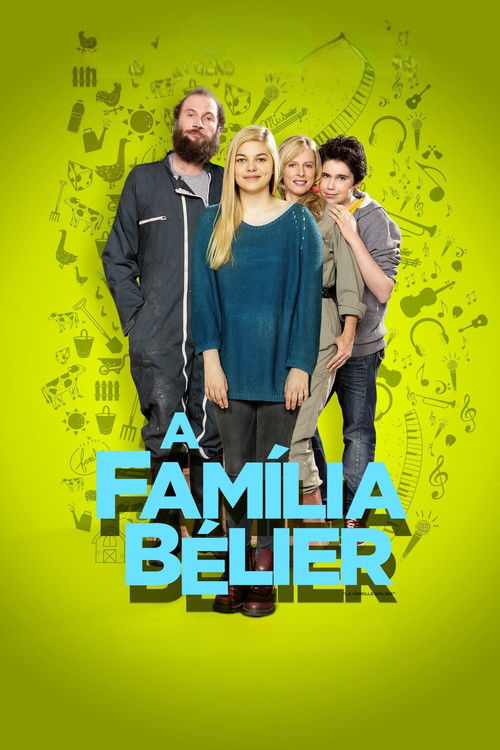
There is a specific kind of magic that occurs when a country’s biggest pop-culture phenomenon isn’t a high-octane blockbuster, but a grounded, slightly messy story about a farm girl with a voice like a cathedral bell. In 2014, The Bélier Family (La Famille Bélier) didn't just top the French box office; it became a cultural touchstone that eventually paved the way for the American remake CODA. But while the remake took home the Oscar, there’s an earthy, stubborn French charm to the original that I find impossible to replicate.
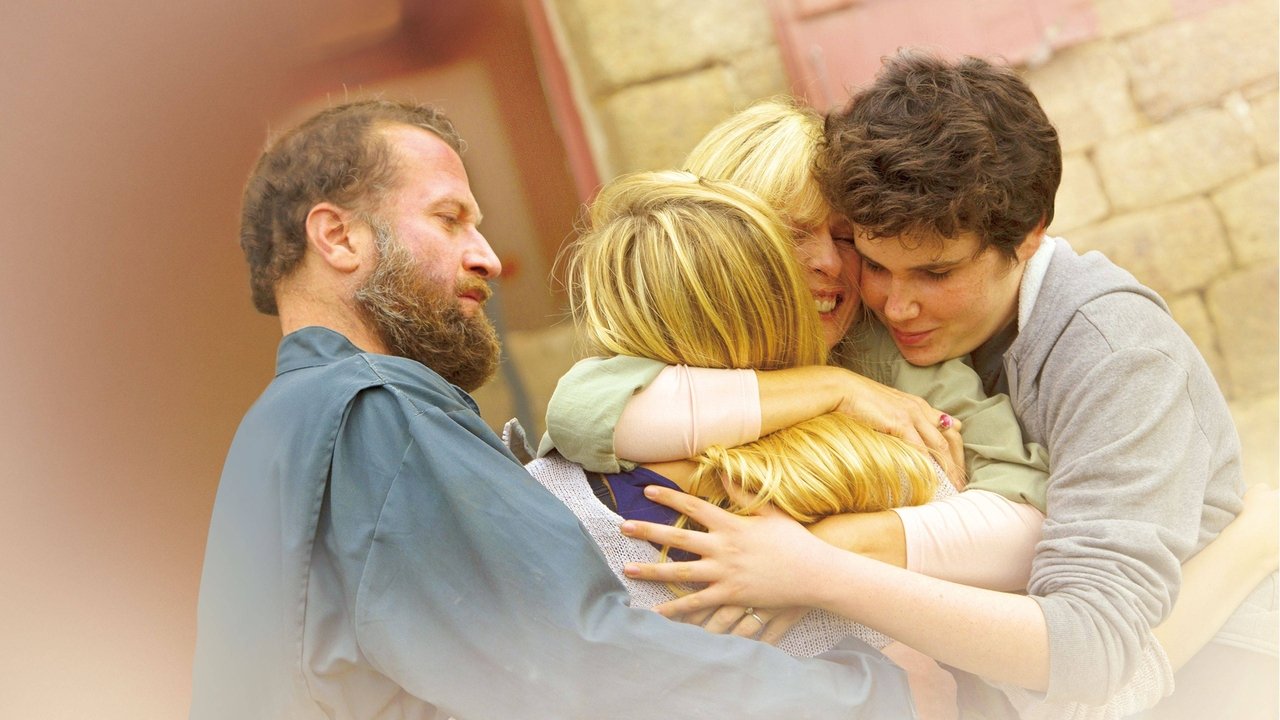
I watched this for the first time on a laptop screen while my radiator was making a rhythmic clanking sound that strangely harmonized with the choir rehearsals on screen, and even that couldn't distract me from the film's emotional gravity. It manages to be a raucous comedy one moment and a heart-wrenching drama the next, capturing that frantic, claustrophobic energy of a teenager trying to outgrow her own life.
The Sound of Silence and the Weight of Words
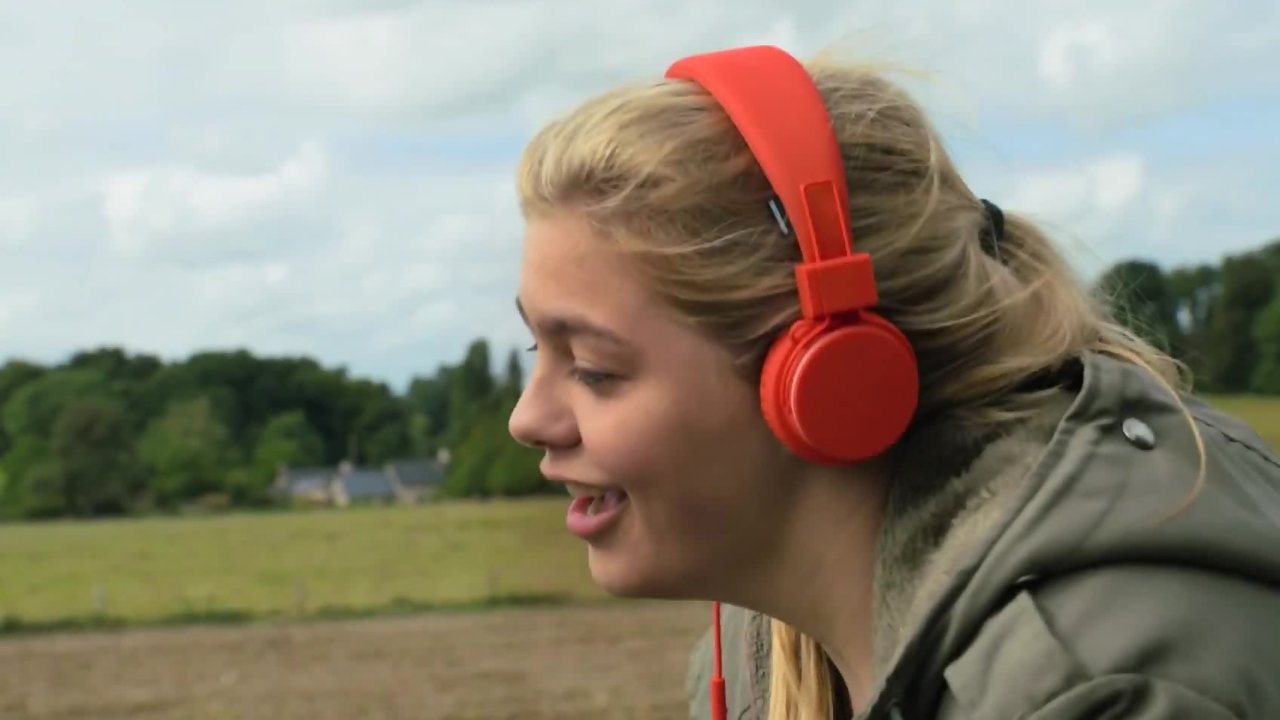
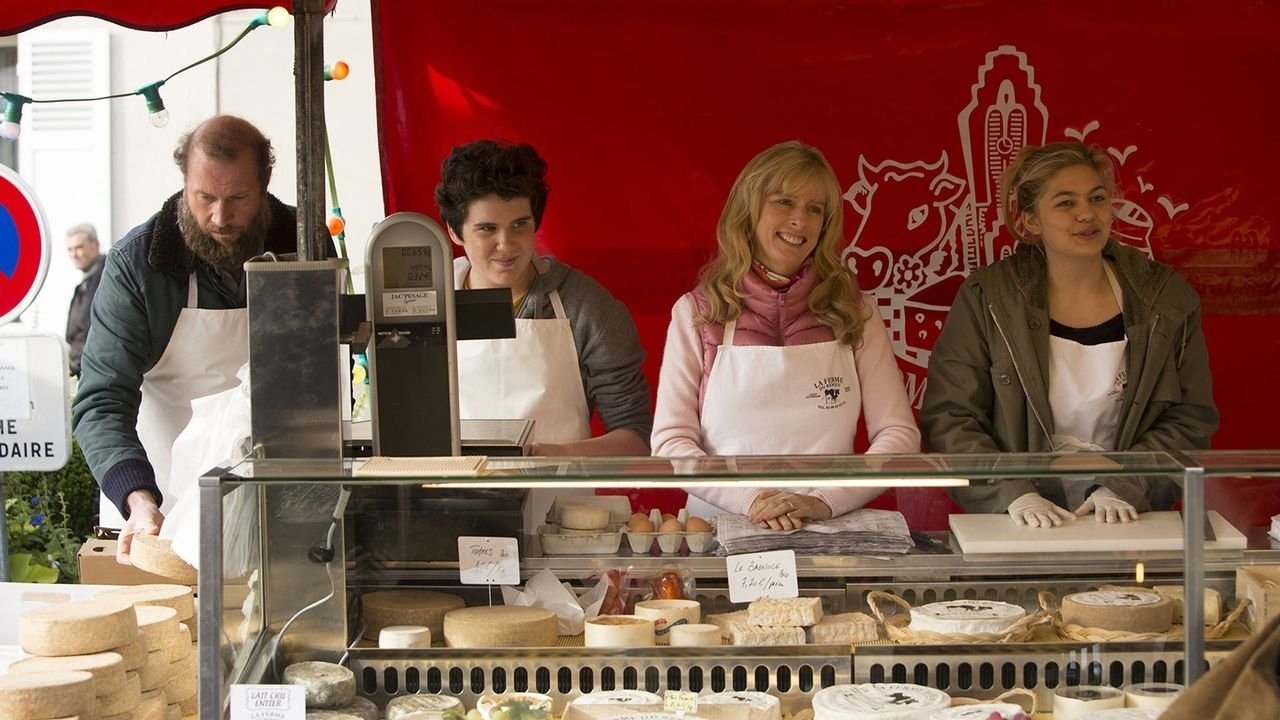
The premise is a masterclass in narrative irony: Paula, played by the then-newcomer Louane, is the only hearing member of a deaf family. She isn’t just a daughter; she’s a vital piece of infrastructure. Whether it’s translating the earthy details of her father’s hemorrhoids to a bewildered doctor or managing the logistics of their family farm, Paula is the bridge between the Béliers and a world that doesn't speak their language.
When her music teacher, the wonderfully prickly Fabien Thomasson (played by a delightfully cynical Éric Elmosnino), discovers she has a prodigious singing voice, the conflict is immediate. Singing is the one gift her family can never truly share or understand. For the Béliers, Paula’s voice isn’t a talent; it’s a threat to the family unit.
Karin Viard and François Damiens play the parents, Gigi and Rodolphe, with an intensity that is frequently hilarious and occasionally exhausting. They aren't the "saintly" disabled characters we often see in Hollywood; they are loud, horny, and fiercely opinionated farmers who treat their daughter’s potential departure as a personal betrayal. This raw, unpolished depiction of family dynamics is where the film finds its pulse.
Performance and Authenticity
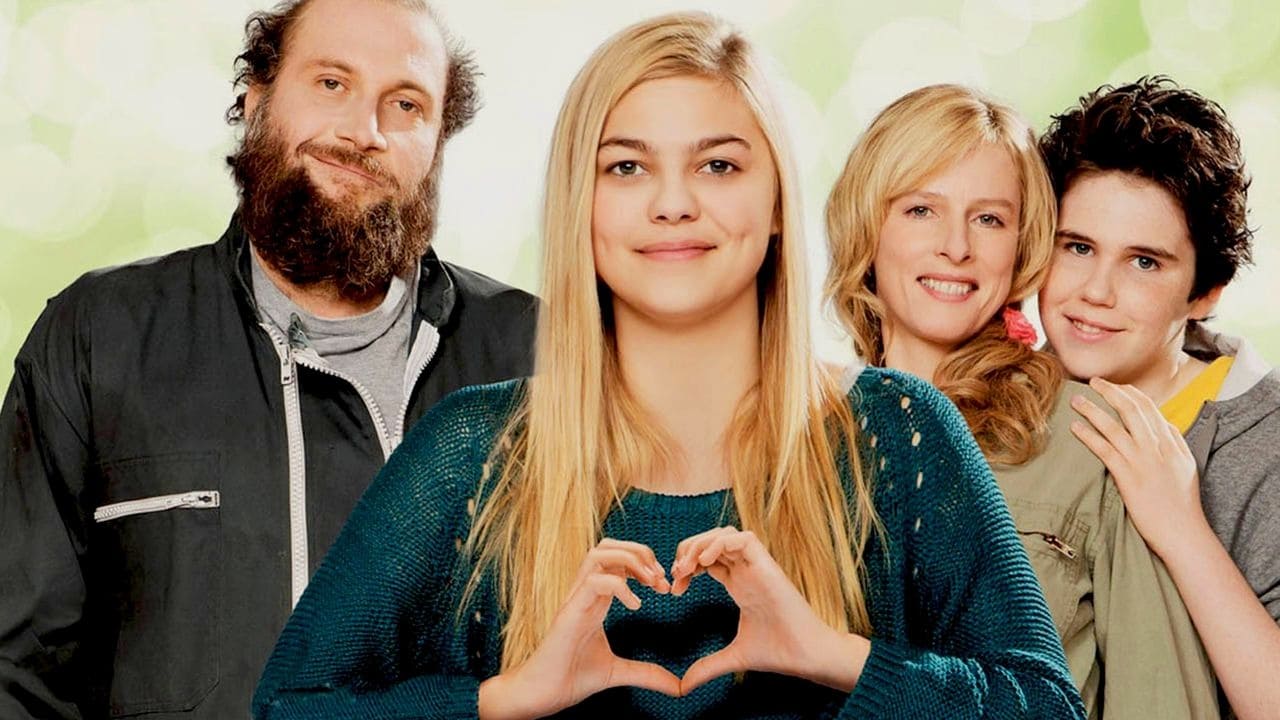
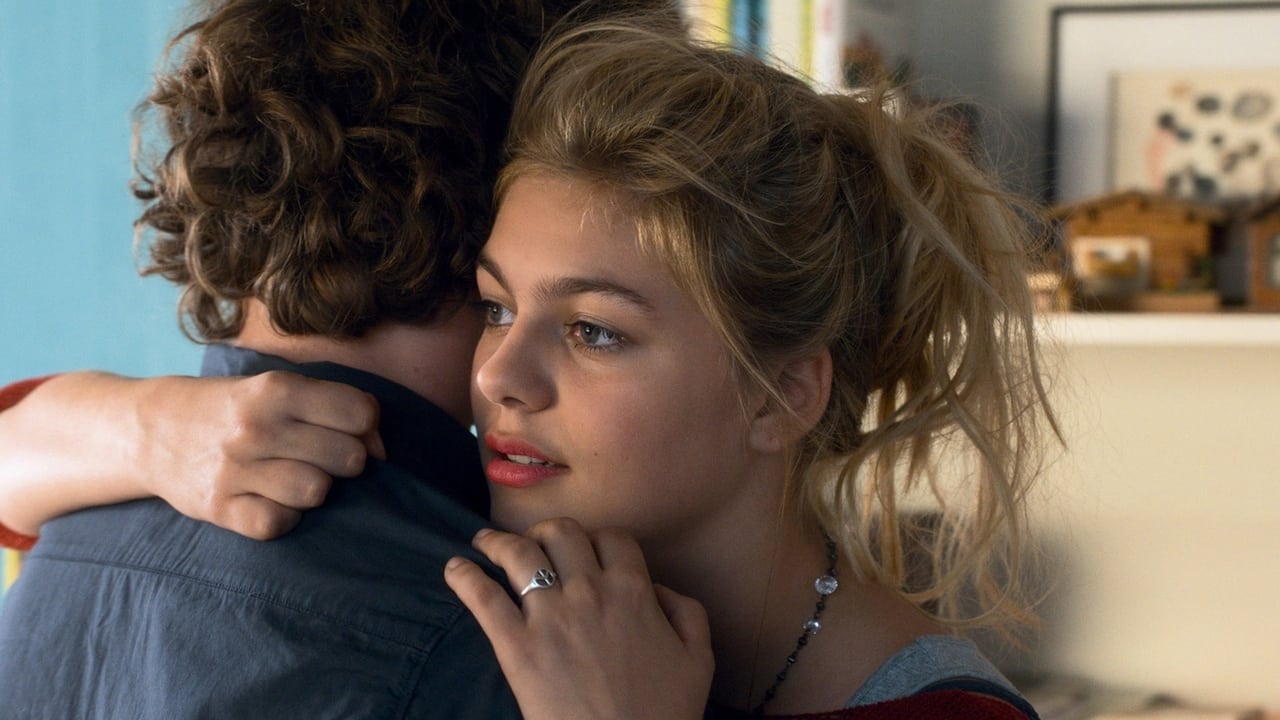
The discovery of Louane (Louane Emera) was the film’s greatest coup. Coming off the French version of The Voice, she brought a vulnerability that felt entirely unmanufactured. In her scenes with Ilian Bergala, who plays her duet partner and crush, you can see the genuine awkwardness of a sixteen-year-old who hasn't quite figured out how to inhabit her own skin.
However, looking back from a 2024 perspective, the film occupies a complicated space in cinema history. Unlike its successor CODA, which cast deaf actors in the lead roles, The Bélier Family used hearing actors (Karin Viard and François Damiens) to play the parents. They spent four to five months learning French Sign Language (LSF), but the deaf community in France at the time pointed out that their "accent" was often clunky or exaggerated.
In the context of 2014, this was the standard industry approach, but it’s a fascinating marker of how quickly our standards for representation have evolved. While the performances are emotionally resonant, there’s an undeniable "theatricality" to their signing that contrasts with the quiet, internal struggle Louane portrays.
A Legacy of "Je Vole"
The film’s climax centers on a Radio France audition where Paula performs Michel Sardou’s "Je Vole" (I am flying). It is a sequence designed to dismantle any cynical defenses you might have left. As she sings about leaving home to find herself, she begins to sign the lyrics so her parents can finally "hear" what she’s saying. It’s a sequence that works because it earns its sentimentality through 90 minutes of prior bickering and manure-shoveling.
Director Eric Lartigau makes a brilliant choice during a school recital scene earlier in the film, cutting the audio entirely to simulate the parents' perspective. We see the audience’s faces—moved to tears, rapt with attention—while we hear nothing but the muffled rustle of clothes. It’s a jarring, effective reminder of the gulf between Paula’s two worlds.
The film's success was massive, but it felt like a "cult" discovery for those of us outside of France who had to hunt down imports or catch it at niche festivals. It captures that specific transition of the early 2010s where global cinema started leaning back into "the feel-good movie" as a response to the gritty, post-9/11 realism that dominated the decade prior.
The Bélier Family is a film that wears its heart on its sleeve and its dirt on its boots. It’s a loud, vibrant, and occasionally provocative look at what we owe our families versus what we owe ourselves. Even if the casting choices reflect a different era of filmmaking, the core truth of the story—that growing up always involves a little bit of "leaving"—remains as piercingly relevant as ever. It's a reminder that sometimes, the most important thing you can do is find your own frequency.
Keep Exploring...
-

Begin Again
2014
-
Coyote Ugly
2000
-
High Fidelity
2000
-

High School Musical 2
2007
-

Camp Rock
2008
-

Hannah Montana: The Movie
2009
-

Lemonade Mouth
2011
-
(500) Days of Summer
2009
-

A Serious Man
2009
-

Adventureland
2009
-
Mary and Max
2009
-
It's Kind of a Funny Story
2010
-

Letters to Juliet
2010
-
Life As We Know It
2010
-
50/50
2011
-

Carnage
2011
-
Moonrise Kingdom
2012
-

Seeking a Friend for the End of the World
2012
-
Inside Llewyn Davis
2013
-

What If
2013