The Equalizer
"Justice has a stopwatch."
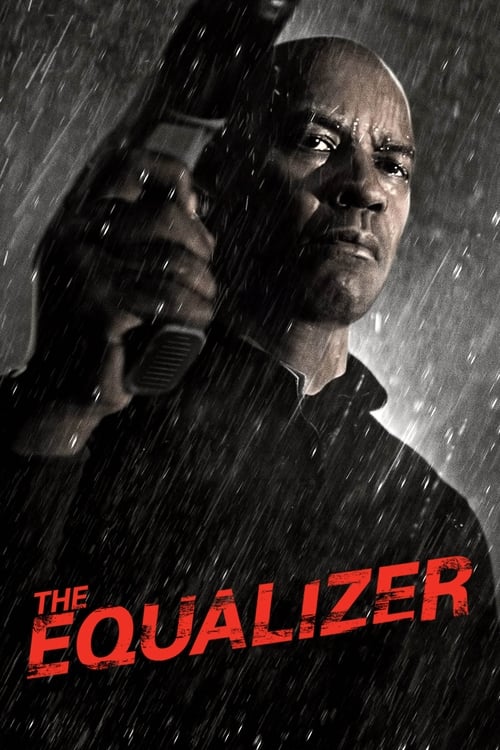
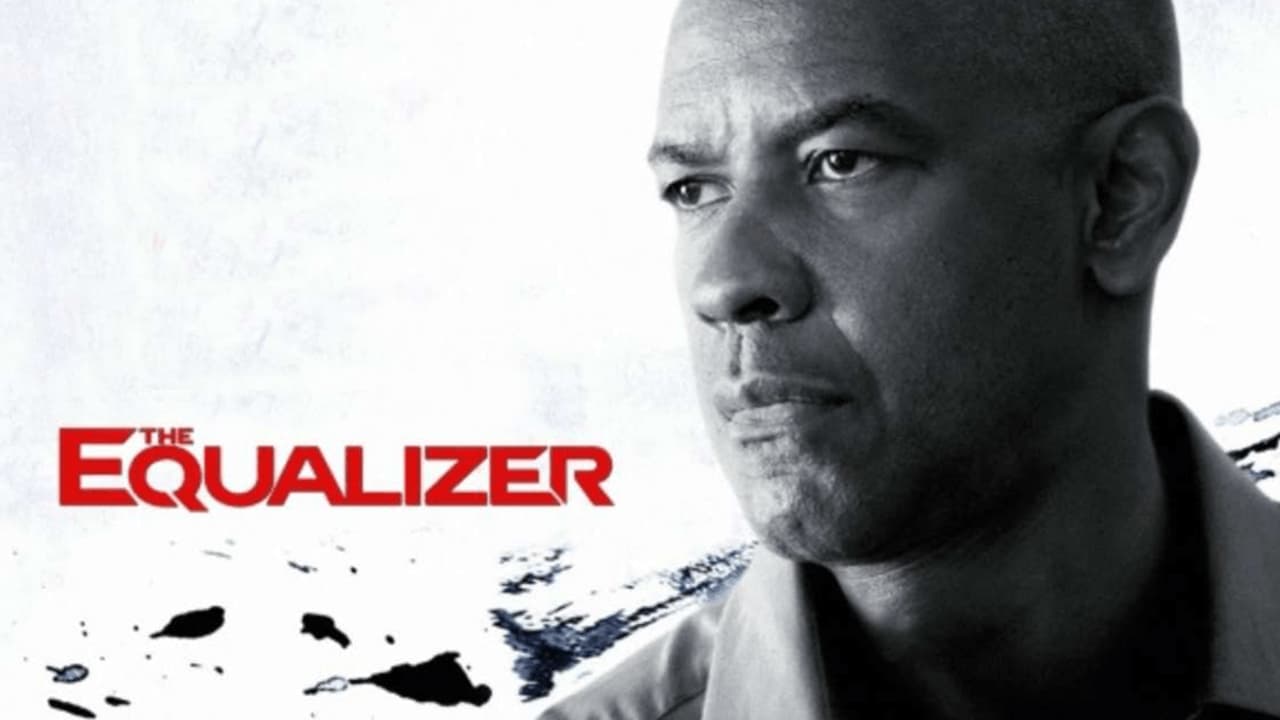
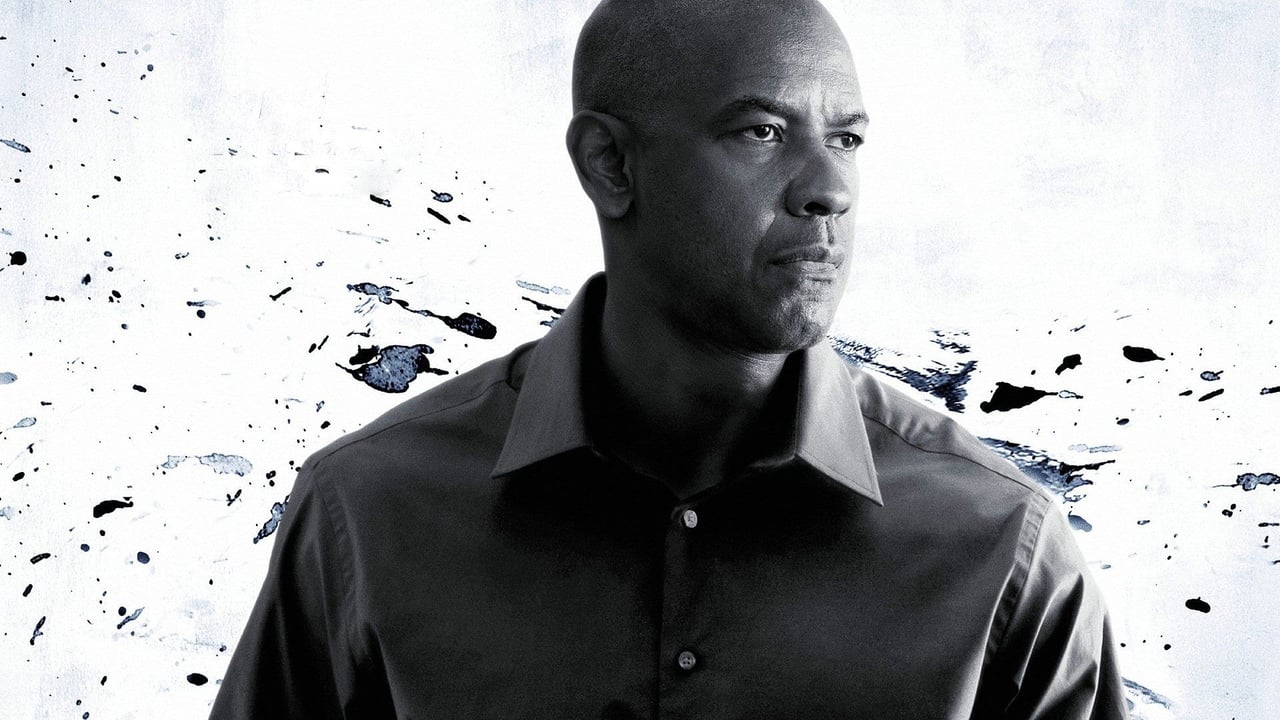
There is a specific, heavy silence that follows Denzel Washington whenever he walks into a room on screen. It’s not just the silence of a star; it’s the silence of a man who looks like he’s already calculated exactly how many bones he could break using only the furniture in the immediate vicinity. When I first sat down to watch The Equalizer in 2014, I was wearing a pair of itchy wool socks I’d bought at a gas station on a whim, and the nagging discomfort of the fabric weirdly complemented the restless, simmering energy Denzel brings to Robert McCall.
By 2014, the "older guy with a very specific set of skills" subgenre was already getting crowded. We had Liam Neeson punching wolves and airplanes, and Keanu Reeves was just about to kick the door down with John Wick. But The Equalizer felt different. It didn’t feel like a high-octane sprint; it felt like a slow, deliberate walk toward an inevitable explosion.
The Art of the Controlled Burn
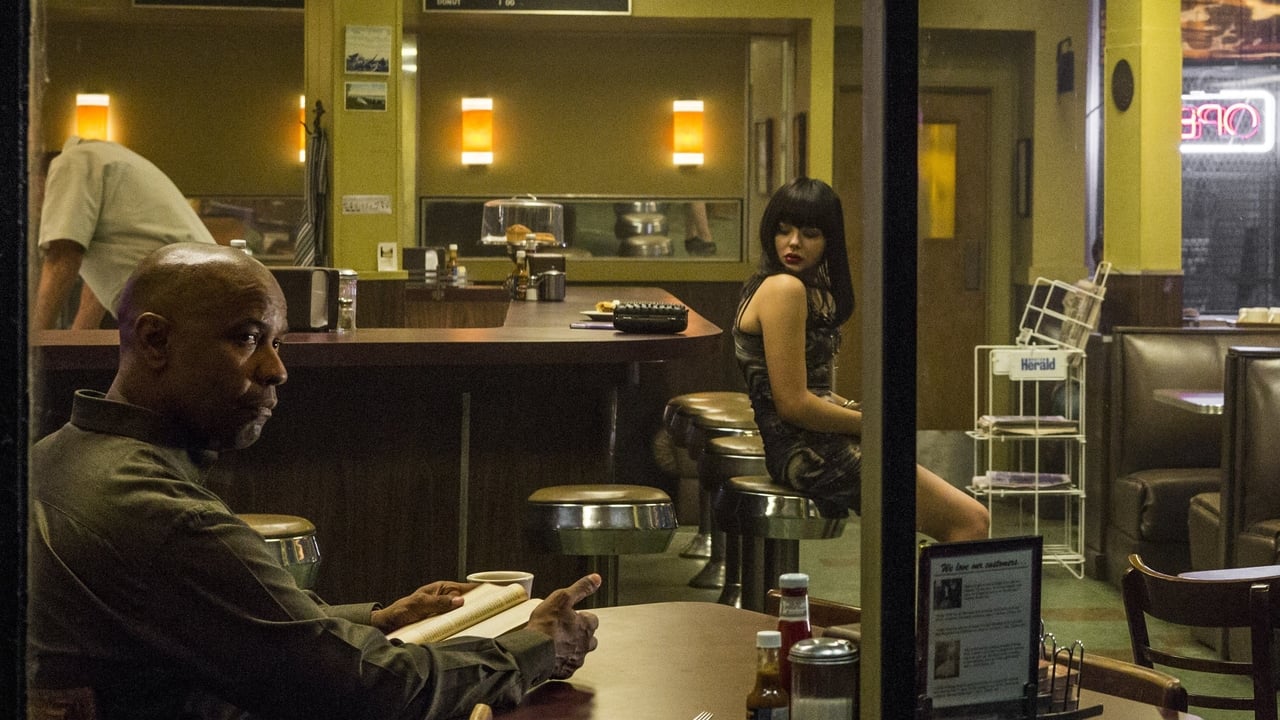
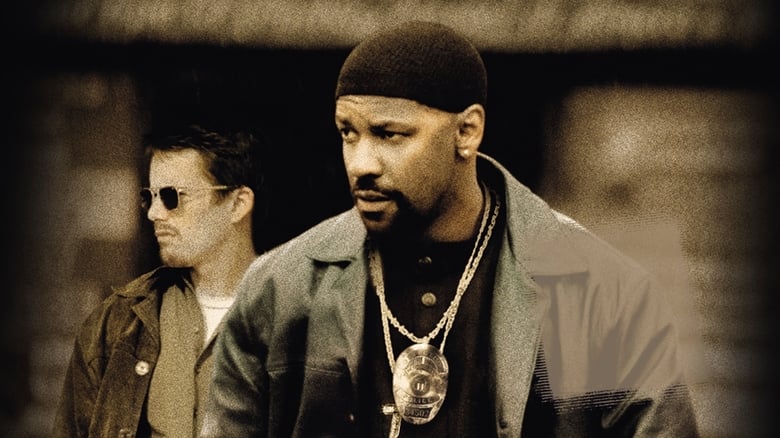
Director Antoine Fuqua, reuniting with Denzel for the first time since their 2001 lightning-strike Training Day, understands that the most interesting thing about a lethal protagonist isn't the killing—it's the waiting. The film spends a surprising amount of time in a dimly lit diner, watching McCall obsessively align his tea bag and napkins. I found myself more tense during these quiet moments of OCD-driven precision than during the actual shootouts.
McCall is a man trying to read his way through the "100 Books Everyone Should Read" list, a quiet retiree at a Home Mart who helps his co-workers lose weight and study for security guard exams. But then he meets Teri, played with a bruised vulnerability by Chloë Grace Moretz. She’s a young girl trapped in the orbit of the Russian mob, and her plight acts as the tripwire for McCall’s dormant instincts. When he finally snaps, it isn't a "heroic" moment in the traditional sense; it’s a grim execution of professional duty. Denzel could read a Cheesecake Factory menu for two hours and I’d still pay for IMAX, but here he uses that gravitas to make a hardware store clerk feel like the Angel of Death.
A Hardware Store Horror Show
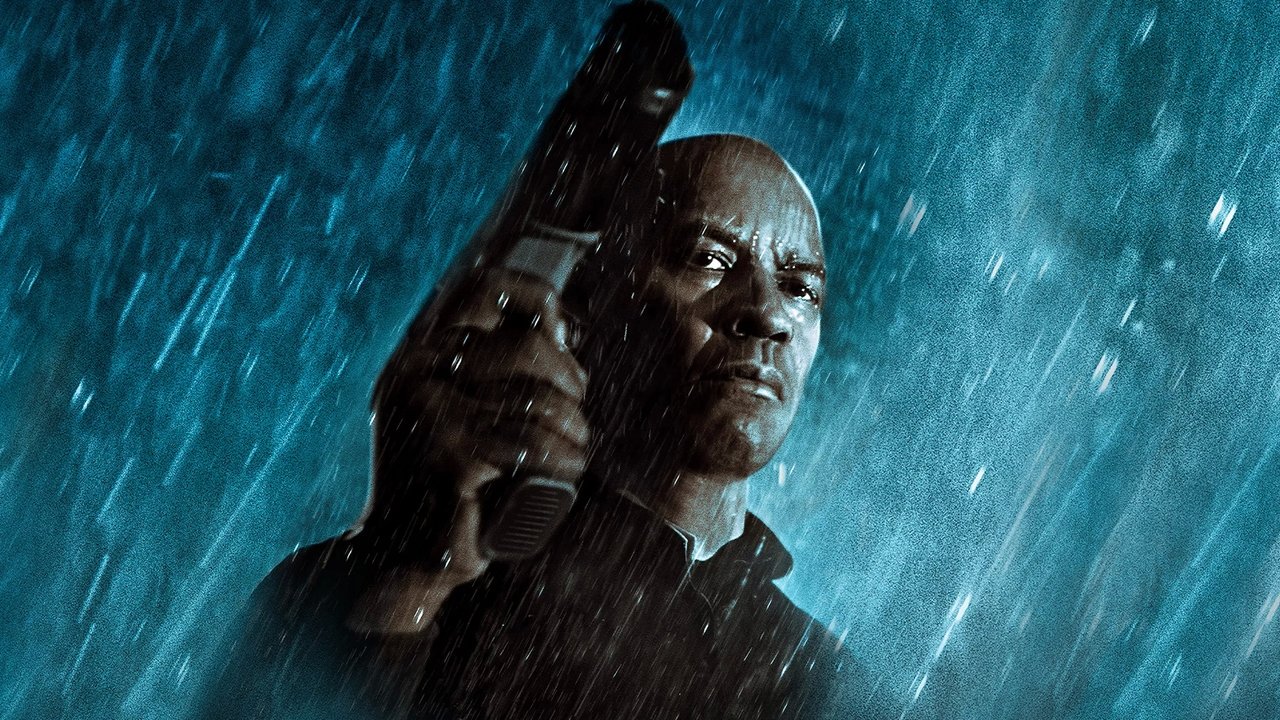
The action choreography in The Equalizer eschews the "shaky-cam" chaos that plagued a lot of 2000s action cinema. Instead, Fuqua uses what fans have dubbed "Equalizer Vision." The camera slows down, the sound desaturates, and we see what McCall sees: a shot glass, a corkscrew, a letter opener. It’s tactical, cold, and immensely satisfying.
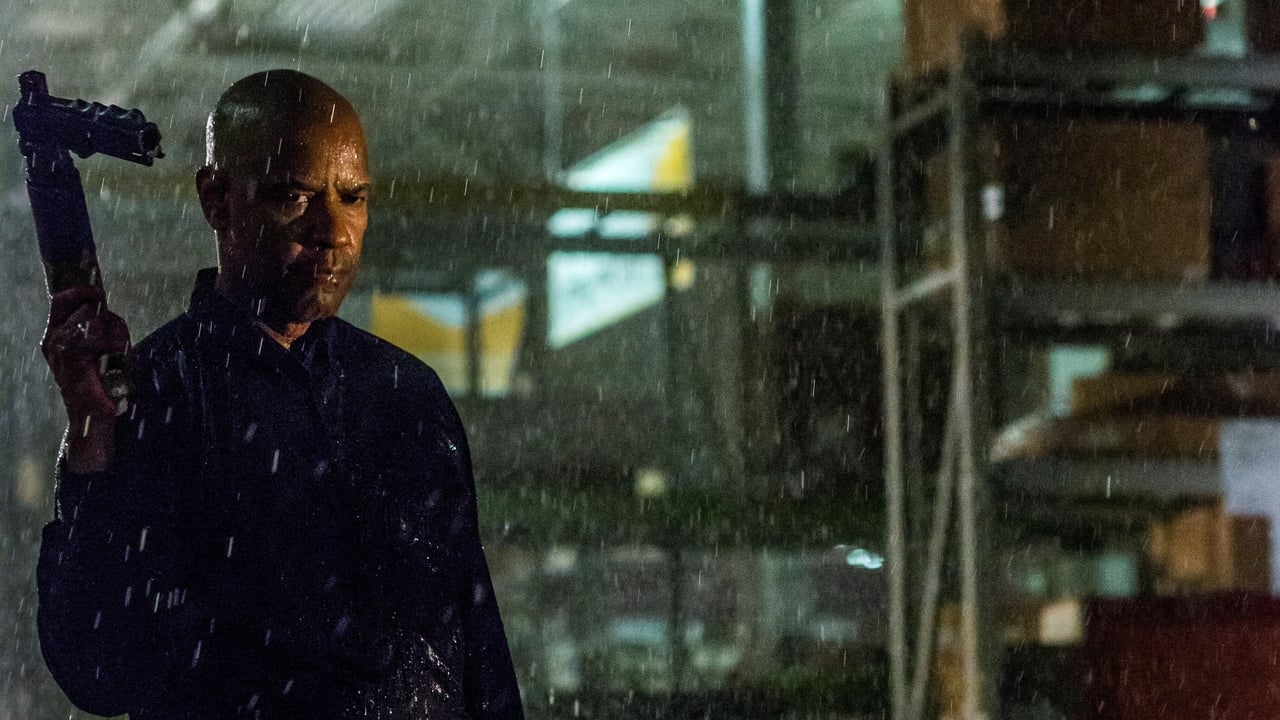
The third act, set entirely within the cavernous aisles of a Home Mart during a rainstorm, is essentially a slasher movie where the "monster" is the protagonist. Seeing a Russian mercenary get taken out by a cleverly rigged microwave or a pneumatic nail gun is the kind of practical, "MacGyver-gone-dark" stunt work that grounds the film. It’s brutal, yes, but it has a physical weight that CGI-heavy blockbusters often lack. The stunt team, led by Keith Woulard, focused on making the violence feel "messy but efficient," using the environment in ways that made me look at my local DIY store with a newfound sense of dread.
The Denzel Dividend
Looking back, The Equalizer was a massive gamble that paid off because of the sheer scale of its success. With a budget of roughly $55 million, it went on to rake in over $192 million worldwide. This wasn't just a hit; it was a cultural confirmation that audiences were hungry for R-rated, character-driven thrillers in an era increasingly dominated by capes and spandex. It’s a quintessential "Modern Cinema" success story—taking a half-forgotten 1980s TV show and stripping it of its kitsch to find a core of post-9/11 anxiety and the desire for a singular, incorruptible protector.
The film also gave us one of the more underrated villains of the decade in Marton Csokas as Teddy. He’s the dark mirror to McCall—equally meticulous, equally lethal, but utterly devoid of the moral compass that keeps McCall human. Watching them circle each other is like watching two sharks in a very small tank. Even the supporting turns by David Harbour (well before his Stranger Things fame) and Haley Bennett add layers of grit to a world that feels lived-in and perpetually damp.
The "Equalizer Vision" itself was actually a late addition. During the production, Denzel Washington and Antoine Fuqua realized they needed a visual shorthand to explain how McCall was so much faster than everyone else. This led to the high-frame-rate shots and the ticking stopwatch motif that became the franchise’s signature. Additionally, Denzel was the one who insisted on McCall’s obsessive-compulsive traits, researching the condition to ensure it didn't feel like a gimmick but rather a manifestation of a soldier who can't turn his brain off.
The Equalizer is a film that knows exactly what it is and who it’s for. It’s a polished, atmospheric piece of pulp fiction that benefits immensely from a lead actor who can convey a thousand-yard stare better than anyone in the business. While it occasionally leans a bit too hard into its own grimness, the sheer craft on display—from the industrial sound design to the moody cinematography by Mauro Fiore—makes it a standout of the 2010s. It’s a reminder that sometimes, the most effective tool for justice isn't a shield or a hammer, but a well-timed stopwatch and a very sharp corkscrew.
Keep Exploring...
-
The Equalizer 2
2018
-
The Equalizer 3
2023
-
Training Day
2001
-
Fast Five
2011
-

The Dark Knight Rises
2012
-
Shooter
2007
-

Olympus Has Fallen
2013
-
The Fast and the Furious
2001
-

Kill Bill: Vol. 2
2004
-
The Taking of Pelham 1 2 3
2009
-

Inside Man
2006
-
Fast & Furious
2009
-

RED
2010
-
Jack Reacher
2012
-
Fast & Furious 6
2013
-
Need for Speed
2014
-

Blood and Bone
2009
-
Undisputed III: Redemption
2010
-
Batman: Year One
2011
-
Batman: Assault on Arkham
2014