The Fault in Our Stars
"Tears are the only appropriate admission price."
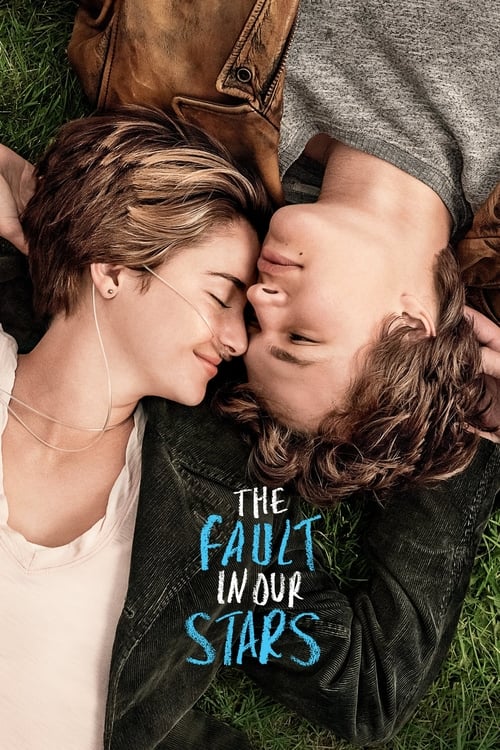
In 2014, you couldn’t walk into a bookstore or a multiplex without seeing those two overlapping speech bubbles. The Fault in Our Stars wasn’t just a movie release; it was a scheduled mass-participation emotional marathon. I remember sitting in a theater in suburban Ohio, and by the third act, the collective sniffling from the audience was loud enough to drown out the theater's air conditioning. It felt like a communal exorcism of all our repressed teenage angst.
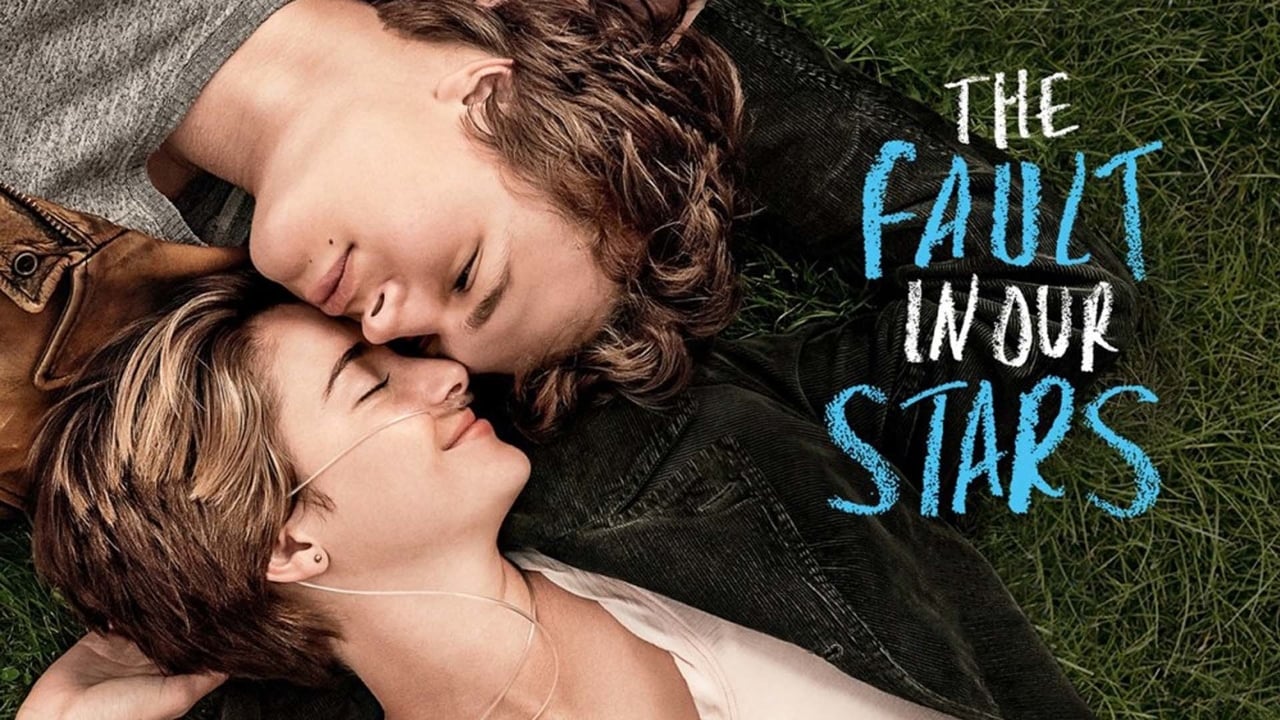
The seat I sat in had a rogue spring poking me in the left thigh the entire time, and honestly, the physical annoyance was the only thing keeping me from becoming a total puddle on the floor. Looking back from a decade away, it’s clear that this film represents the absolute peak of the Young Adult (YA) adaptation era—a moment when a $14 million drama about two sick kids could go toe-to-toe with $200 million Marvel spectacles and actually win.
The Survival of the Smartest (Teen)
What I’ve always appreciated about this film—and what holds up surprisingly well—is how it handles the "smart teen" archetype. The early 2010s were obsessed with teenagers who spoke like philosophy professors who’d just discovered Tumblr. It was a polarizing vibe, but Shailene Woodley sells it with a grounded, weary sincerity that prevents the dialogue from feeling like a pretentious writing exercise.
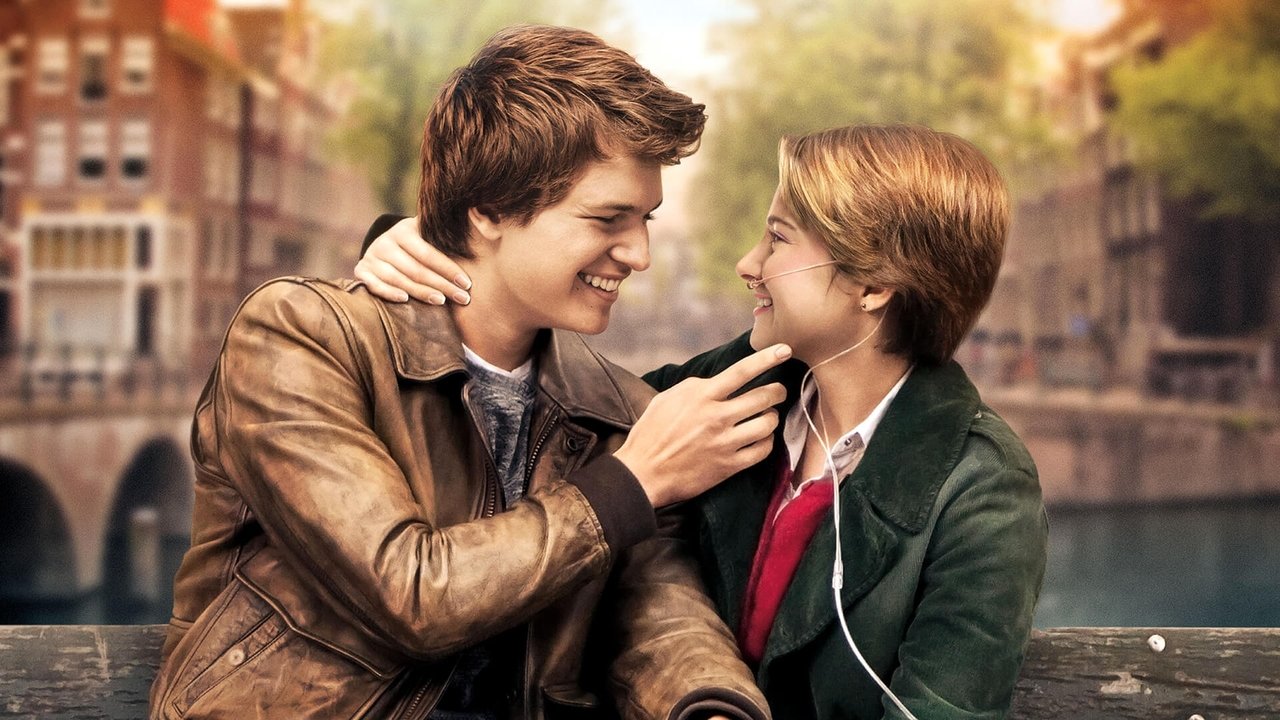
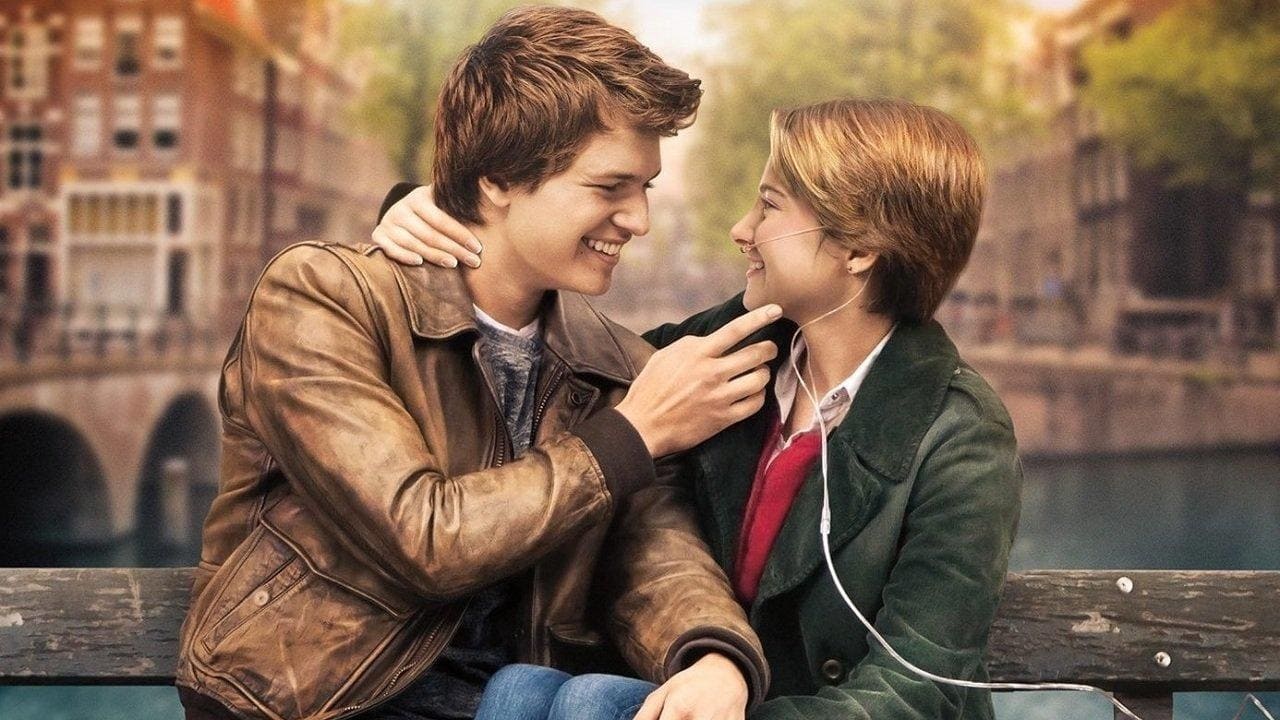
As Hazel Grace Lancaster, Woodley does incredible work with her eyes. She carries an oxygen tank like it’s a physical manifestation of her own guarded heart. When she meets Augustus Waters, played by Ansel Elgort, the movie enters a dangerous territory of "Manic Pixie Dream Boy" tropes. Gus is charming, metaphorical, and unapologetically weaponized sadness in a leather jacket.
The chemistry between the two is undeniable, which is hilarious when you remember that just a few months prior, they played brother and sister in the big-budget sci-fi flick Divergent. I found the transition from "siblings in a dystopia" to "star-crossed lovers in Indianapolis" a bit jarring at first, but they have a natural, easy rhythm that makes you forget the weirdness of the Hollywood casting carousel.
The Anti-Inspiration Porn
Josh Boone’s direction is remarkably restrained. In a genre that often begs for your tears with manipulative strings and soft-focus lenses, Boone lets the scenes breathe. He relies heavily on the screenplay by Michael H. Weber and Scott Neustadter—the same duo who gave us the jagged edges of 500 Days of Summer. They understand that the best way to make an audience cry is to make them laugh first.
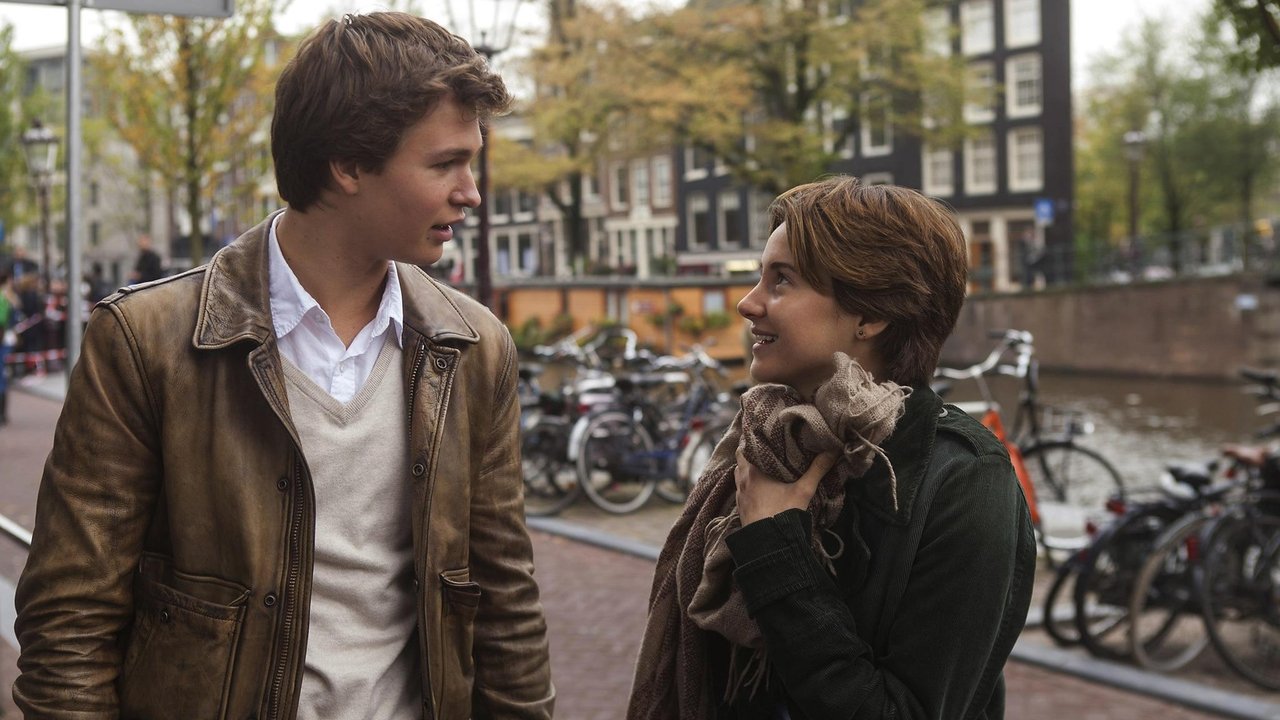
The middle act in Amsterdam provides a necessary shift in scale. It’s where we meet Willem Dafoe as Peter van Houten, the reclusive, alcoholic author Hazel idolizes. Dafoe is spectacular here because he refuses to be the "wise old mentor" the audience expects. He is cruel, bloated, and pathetic. He serves as a grim reminder that suffering doesn't always lead to wisdom; sometimes it just leads to a messy living room and a mean streak. It’s a cynical splash of cold water in a story that could have easily drowned in its own sweetness.
Special credit has to go to Laura Dern, who plays Hazel’s mother. While the kids are the stars, Dern captures the specific, exhausting terror of a parent who is trying to be "the strong one" while watching her child fade. Her performance is the anchor that keeps the movie from drifting into pure teenage fantasy.
A Small Movie That Ate the World
The financial footprint of this film is staggering. With a tiny $14 million budget, it pulled in over $300 million worldwide. That’s the kind of return on investment that usually requires a cape or a lightsaber. It proved that audiences were hungry for something that felt "real," even if that reality was polished for the big screen.
The production was famously collaborative with the source material's author, John Green. Apparently, Green was on set for almost the entire shoot, acting as a sort of emotional consultant. There’s a deleted cameo where he plays the father of a girl who asks Hazel about her cannula—it’s a funny moment, but cutting it was the right choice to keep the focus on the central duo.
Then there’s the "Amsterdam Bench." After the film’s release, the green park bench where Hazel and Gus have their pivotal conversation was actually stolen. The city had to replace it, and it has since become a site of pilgrimage for fans. It’s a testament to how deeply people internalized this story. It wasn’t just a movie to them; it was a location in their own emotional geography.
The Fault in Our Stars is a time capsule of a specific moment in the 2010s when we stopped wanting our heroes to be invincible and started wanting them to be vulnerable. It’s a film that leans into its own sentimentality with such confidence that you can’t help but be swept up. Even if the metaphors—like Gus’s unlit cigarette—are a little too "deep" for their own good, the performances are so honest that they bridge the gap. It remains the gold standard for the "sick-lit" subgenre, mostly because it treats its characters like people instead of symbols of tragedy. It's a film that earns every bit of the dehydration it causes.

Keep Exploring...
-
Stuck in Love
2013
-
(500) Days of Summer
2009
-
He's Just Not That Into You
2009
-
The Proposal
2009
-

Up in the Air
2009
-

Dear John
2010
-
Love & Other Drugs
2010
-
Step Up 3D
2010
-
Water for Elephants
2011
-
Silver Linings Playbook
2012
-

Step Up Revolution
2012
-
The Vow
2012
-
The English Patient
1996
-
The Artist
2011
-
The Great Gatsby
2013
-
The Spectacular Now
2013
-
The Wind Rises
2013
-
Ghost
1990
-

The Bodyguard
1992
-
Sleepless in Seattle
1993