The Gambler
"Winning is just another way to lose."
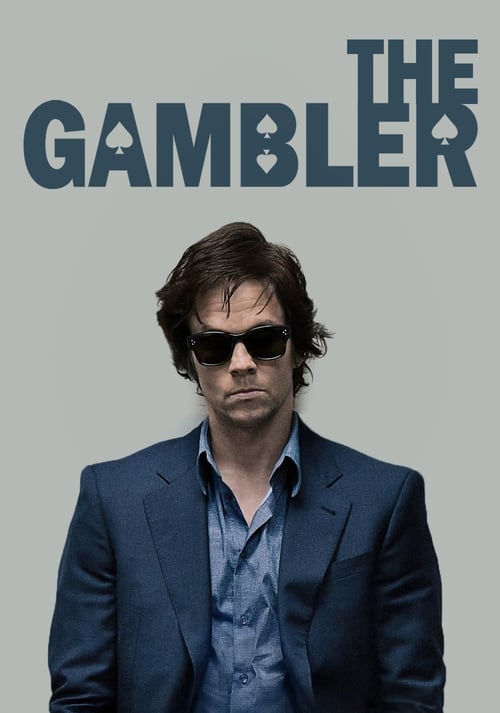
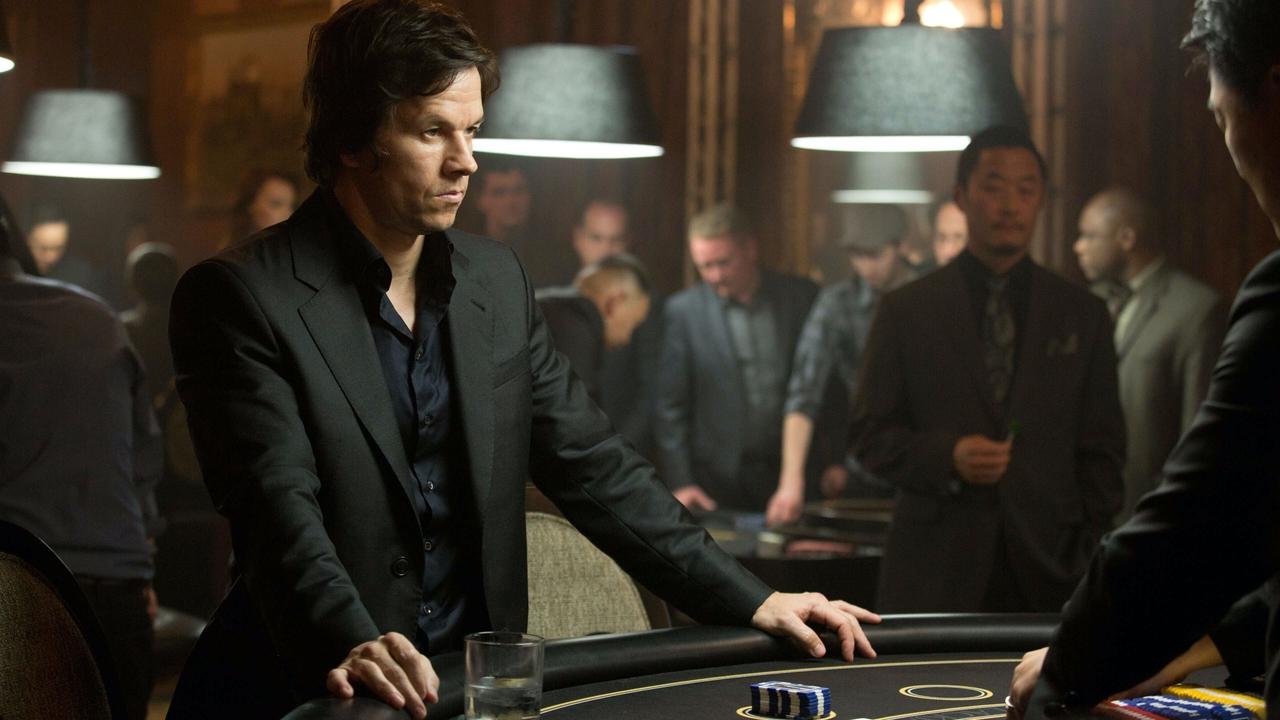
Most gambling movies are about the "itch"—that desperate, sweaty-palmed hope that the next card will finally turn a life of grime into a life of gold. But Mark Wahlberg's Jim Bennett doesn't want the gold. He wants the floor to drop out. He’s a literature professor who treats a blackjack table like a demolition site for his own soul. It’s a nihilistic, talky, and strangely sleek piece of work that arrived in 2014, just as the mid-budget adult drama was beginning its slow crawl toward extinction in the face of the emerging superhero monoculture.
I watched this on a Tuesday night while wearing a pair of wool socks with a hole in the left big toe, which felt strangely appropriate for a movie about a man systematically dismantling his own comfort.
The Philosophy of "Fuck You"
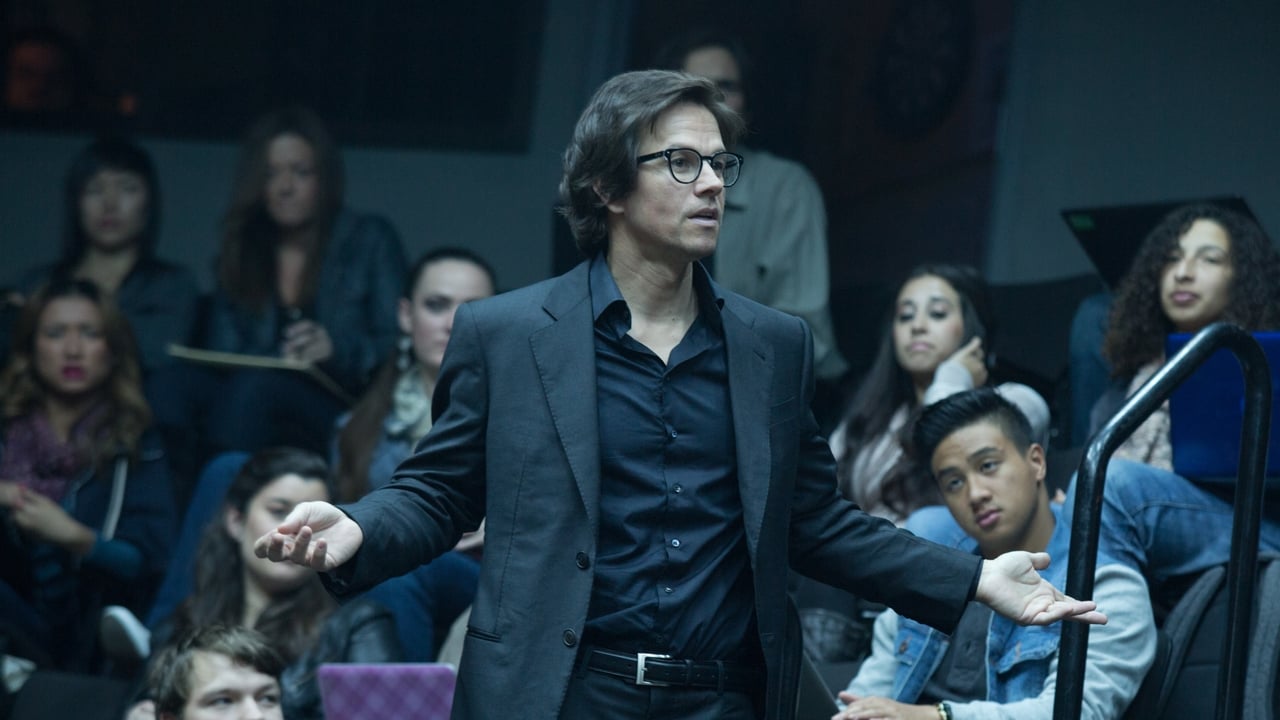
The 2014 version of The Gambler is a remake of the 1974 classic starring James Caan, but it feels less like a gritty 70s character study and more like a high-end fashion shoot where everyone is shouting Shakespearean insults. That’s largely due to screenwriter William Monahan, the man who gave us the razor-sharp dialogue of The Departed. Wahlberg plays Bennett as a man who is bored by his own brilliance. He has everything—money, looks, a tenure-track job—and he hates himself for it.
The film operates on a level of pretension that I actually found refreshing. Bennett gives these long, rambling lectures about Shakespeare and "genius" that would probably get him fired in ten minutes in the real world, but here, they serve as a manifesto. He’s not gambling to get rich; he’s gambling to be "at zero." There’s a certain thrill in watching a protagonist who is actively rooting for his own destruction, even if you want to reach through the screen and shake him by his slim-fit lapels.
Heavy Hitters and "Monahan-Speak"
While Wahlberg (who famously dropped 60 pounds for the role, looking gaunt and frantic) is the engine, the movie really sings when he’s playing off the supporting cast. The late, great Michael Kenneth Williams—best known as Omar from The Wire—brings a terrifyingly calm gravity to the role of Neville, the gangster Bennett owes money to. There’s no shouting, just the quiet, looming threat of a man who knows exactly how much a human life is worth in interest.
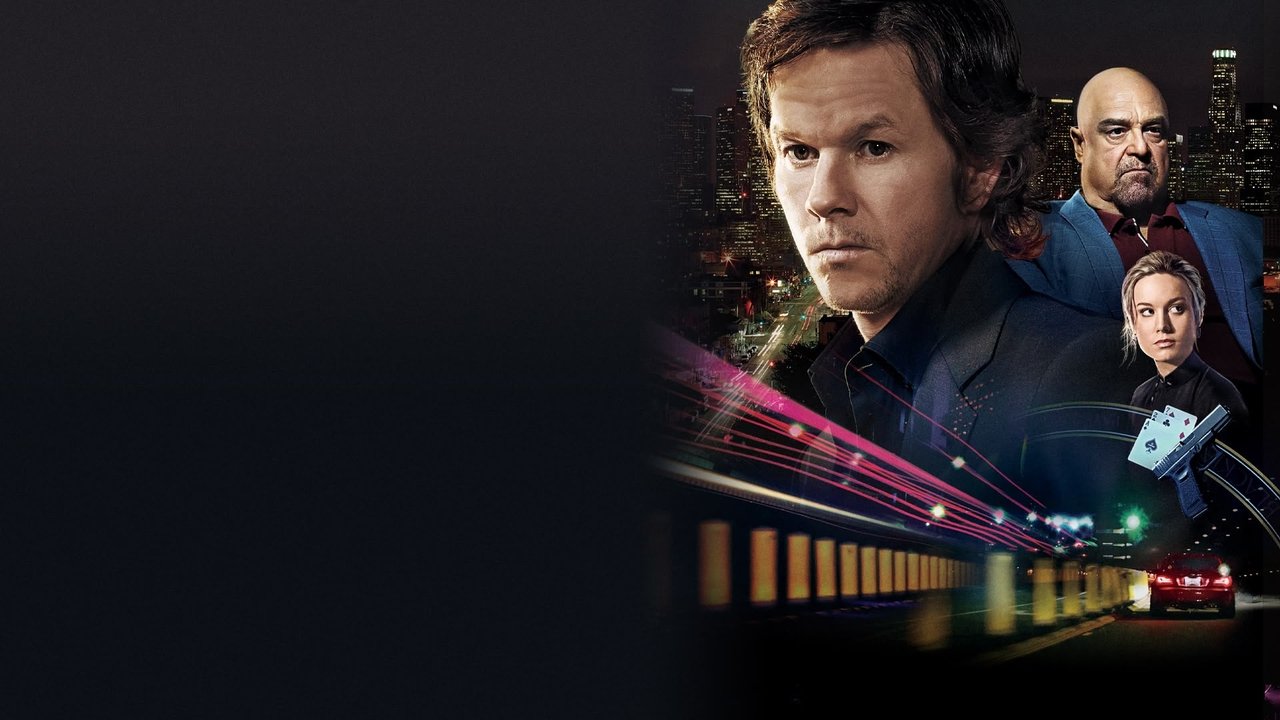
But the absolute showstopper is John Goodman as Frank, a paternalistic loan shark who spends most of his screen time shirtless in a steam room. His "Fuck You" speech—a legendary bit of dialogue about the importance of financial independence—is the kind of scene that makes you want to go out and fix your credit score immediately. Goodman commands the frame with a massive, terrifying warmth that makes Wahlberg look like a frantic housefly by comparison.
Then there’s Jessica Lange, playing Jim’s mother. She only has a handful of scenes, but she manages to convey decades of disappointment and toxic enabling with just a look. Brie Larson shows up as the student/love interest, and while she’s great, the movie doesn't quite know what to do with her. She’s the "moral compass," which is usually the least interesting job in a movie about a guy trying to lose his life at a craps table. Larson was right on the cusp of her Room (2015) breakout here, and you can see that "it" factor even in a role that feels slightly underwritten.
A Masterclass in Cool
Director Rupert Wyatt, fresh off Rise of the Planet of the Apes, gives the film a cold, digital sheen that feels distinctly of its era. This was shot by Greig Fraser, the cinematographer who would go on to win an Oscar for Dune and give The Batman its moody atmosphere. He makes Los Angeles look like a series of neon-lit cages—underground gambling dens, sterile classrooms, and high-end apartments that feel like waiting rooms for the afterlife.
The score by Jon Brion is equally fascinating. It’s a mix of classical undercurrents and weird, pulsating modern beats that mirror Jim’s frantic mental state. It doesn't sound like a typical crime thriller; it sounds like a panic attack happening in a library.
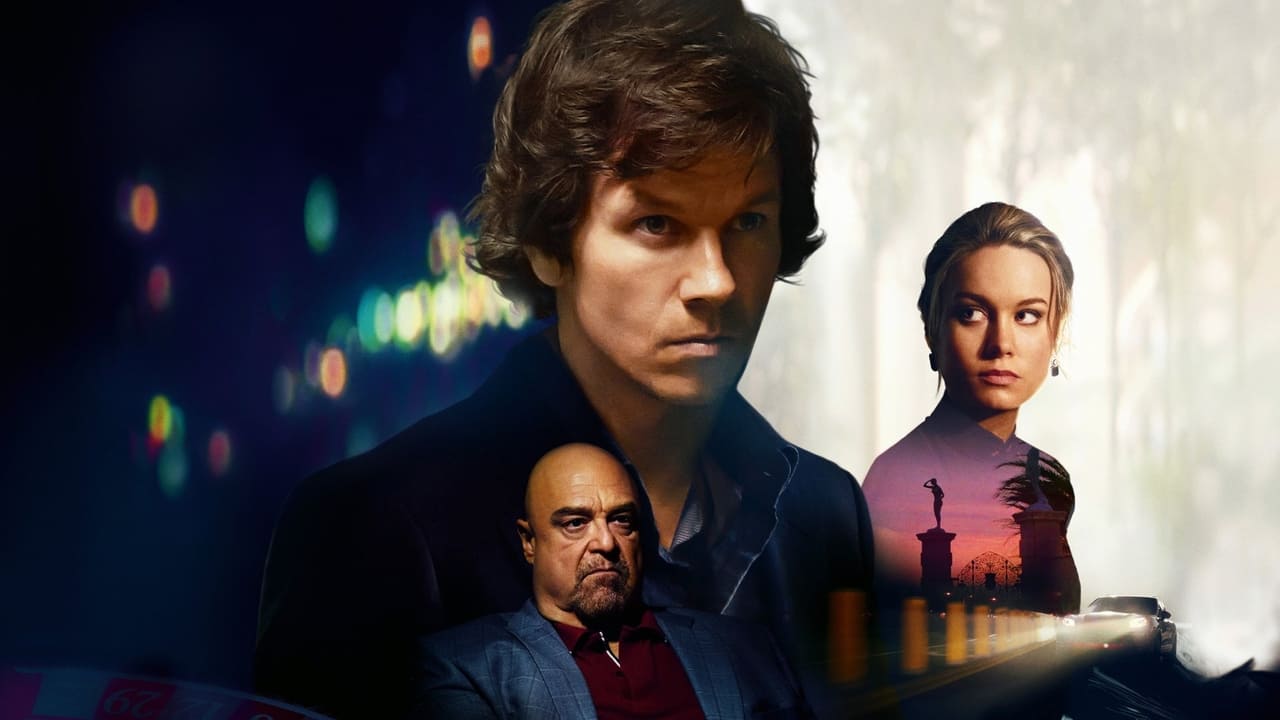
One of the reasons this film likely fell into obscurity is its refusal to be "likable." Jim Bennett is a prick. He’s a guy who burns bridges just to see the light from the fire. In the 70s, audiences were more used to anti-heroes who were difficult to root for, but by 2014, the "relatable protagonist" was the industry standard. This is basically 'The Departed' if everyone went to Harvard and hated their trust funds, and that’s a hard sell for a Friday night crowd looking for a fun heist flick.
Stuff You Didn't Notice
Interestingly, this was a project that hovered around Hollywood for a while before landing with Wahlberg. At one point, Martin Scorsese was attached to direct with Leonardo DiCaprio in the lead. Can you imagine the intensity of that version? It likely would have been more operatic, but there’s something about Wahlberg’s specific brand of "smart-guy-who-acts-tough" that fits the character’s self-loathing perfectly.
Also, look for a brief appearance by George Kennedy, the legendary character actor from Cool Hand Luke. This was his final film role before his death in 2016. It’s a small, poignant passing of the torch from the Old Hollywood era to the New.
The Gambler is a weird, sleek, and fiercely intelligent drama that is perhaps a bit too in love with its own dialogue. It’s the kind of movie you watch because you want to see great actors chew on thick, meaty monologues while looking very cool in expensive suits. It doesn't have the soul of the 1974 original, but as a snapshot of a certain kind of cynical 2010s filmmaking, it’s a fascinating, underappreciated find. It’s a movie for people who like their crime stories with a side of existential dread.
Keep Exploring...
-
Broken City
2013
-
Edge of Darkness
2010
-
Brooklyn's Finest
2010
-
Kill the Messenger
2014
-
Contraband
2012
-
The Last House on the Left
2009
-
Takers
2010
-

The American
2010
-

Trust
2010
-

Get the Gringo
2012
-
Killer Joe
2012
-

The Iceman
2012
-
Dead Man Down
2013
-

Runner Runner
2013
-
A Most Violent Year
2014
-
Sabotage
2014
-
Fallen
1998
-
Harry Brown
2009
-

22 Bullets
2010
-
Death Sentence
2007