The Giver
"In a world of gray, memories are the only color."
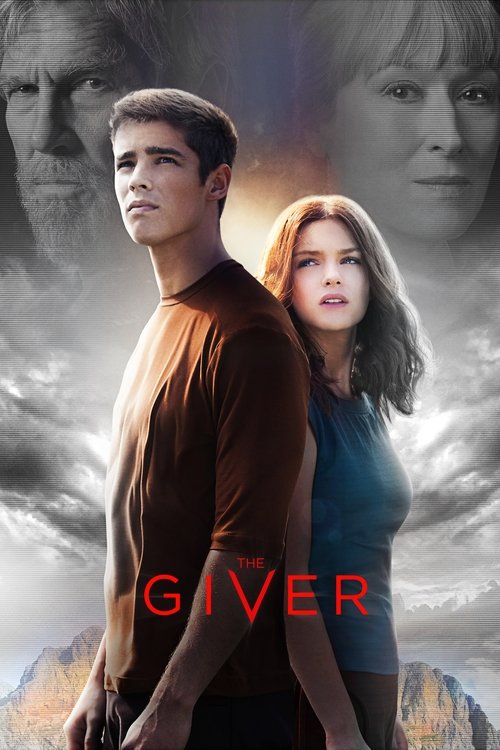
There is a specific kind of irony in a movie about the dangers of "Sameness" arriving in 2014, a year when every studio in Hollywood was desperately trying to manufacture the next Hunger Games. By the time Phillip Noyce (who gave us the high-octane Salt and the poignant Rabbit-Proof Fence) finally got this to the screen, the "teenager-saves-the-dystopia" genre was already starting to feel like a factory line. I watched this on a Tuesday afternoon while my neighbor was power-washing their driveway, the constant, droning hum acting as a weirdly appropriate soundtrack for a community that has literally traded its soul for a bit of peace and quiet.
The Twenty-Year Itch
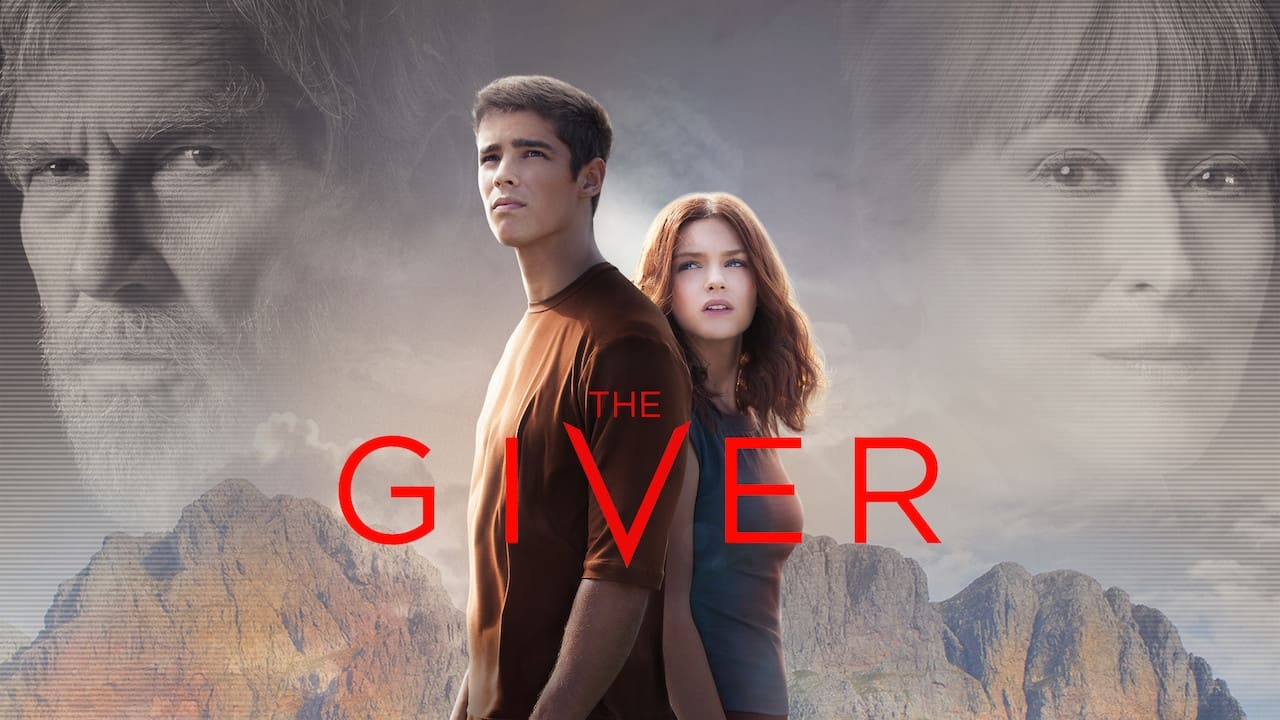
The most fascinating thing about The Giver isn't actually on the screen; it’s the fact that Jeff Bridges spent twenty years trying to get it there. He originally wanted to direct it himself in the mid-90s, with his father, Lloyd Bridges, in the title role. There’s even a "home movie" version out there somewhere of the two of them reading the script in a living room. By the time the money finally showed up in the 2010s, Jeff had aged into the role of the Giver himself. You can feel that weight in his performance. He’s not just playing a character; he’s carrying the ghost of a two-decade-long passion project.
Looking back, the film’s biggest hurdle was the very book it was based on. Lois Lowry’s novel is a quiet, internal, philosophical journey. But 2014 Hollywood didn't do "quiet." The producers clearly looked at the box office for Divergent and decided that what this story really needed was a high-tech drone chase and a more conventional "chosen one" arc. It’s a bit like trying to turn a haiku into a Michael Bay trailer, and the friction between the book’s soul and the studio’s demands is visible in every frame.
Gray Skies and Digital Highs
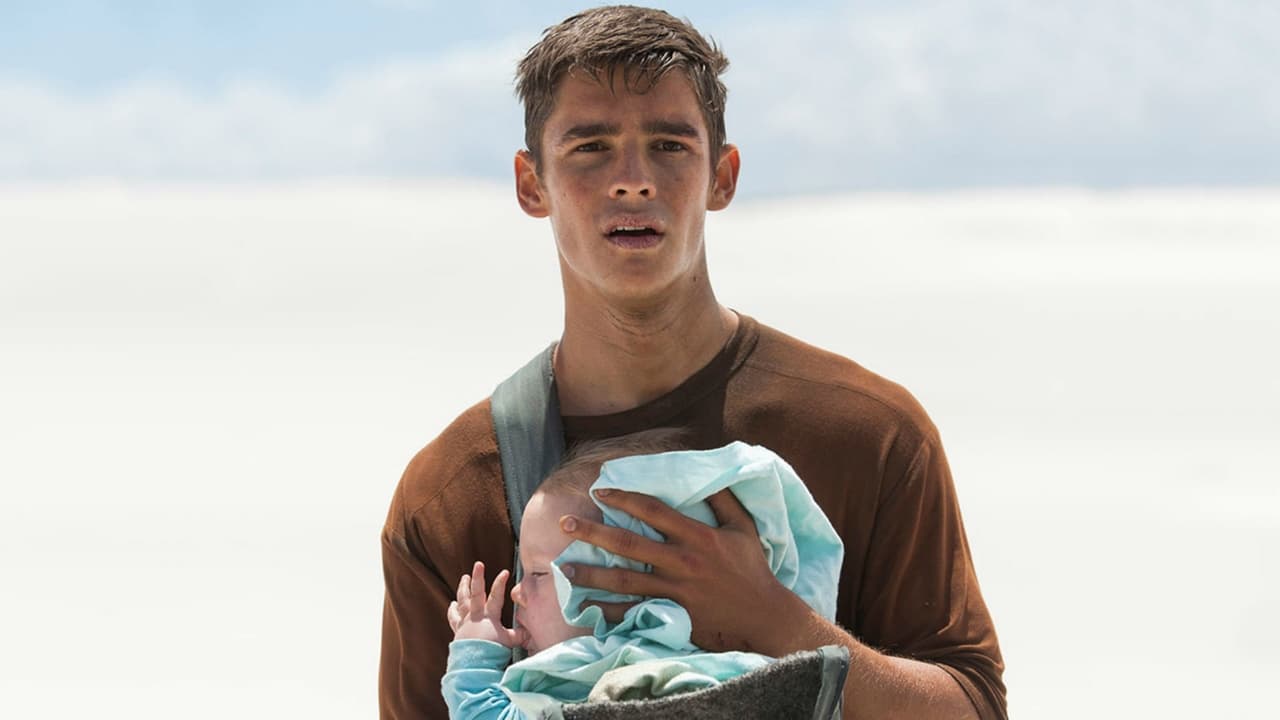
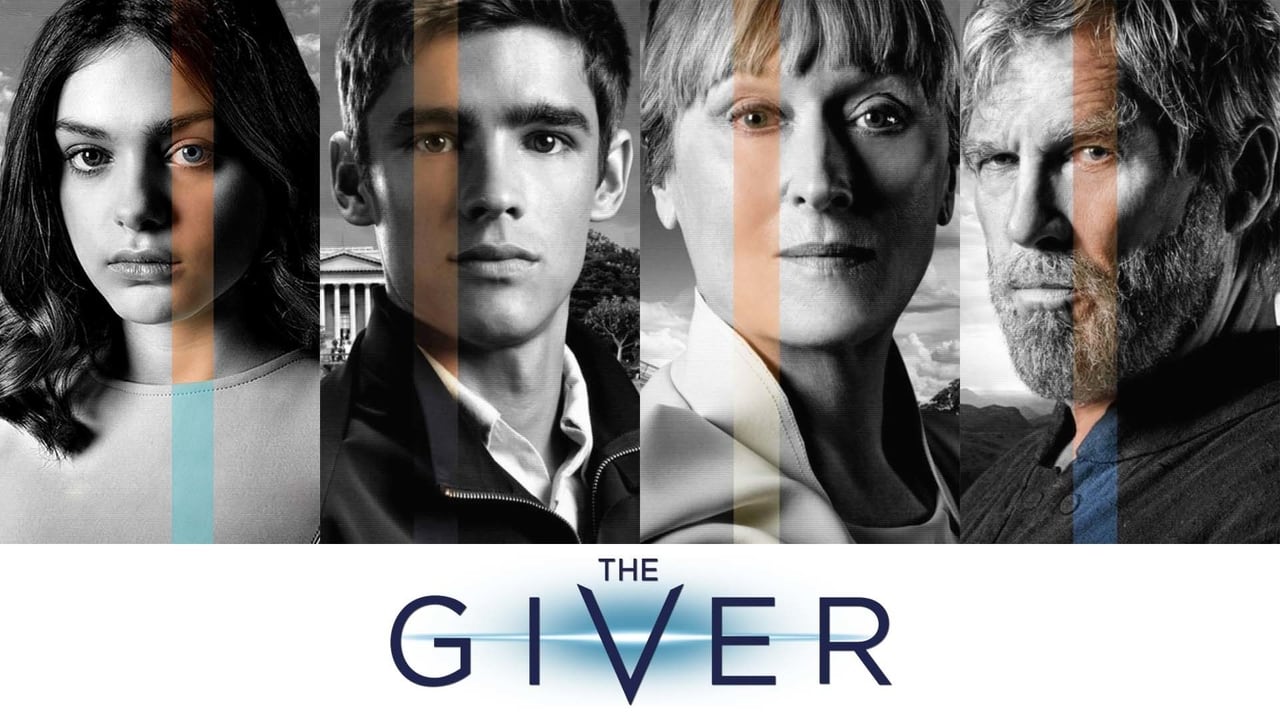
The visual language of the film starts in a crisp, sterile black and white. It’s meant to represent "Sameness"—a world without color, conflict, or climate. Brenton Thwaites plays Jonas, the boy chosen to inherit the world's memories, and as he begins his training, the color starts to bleed back into his world. It’s a trick we’ve seen in Pleasantville or The Wizard of Oz, but here it feels more like a slow awakening.
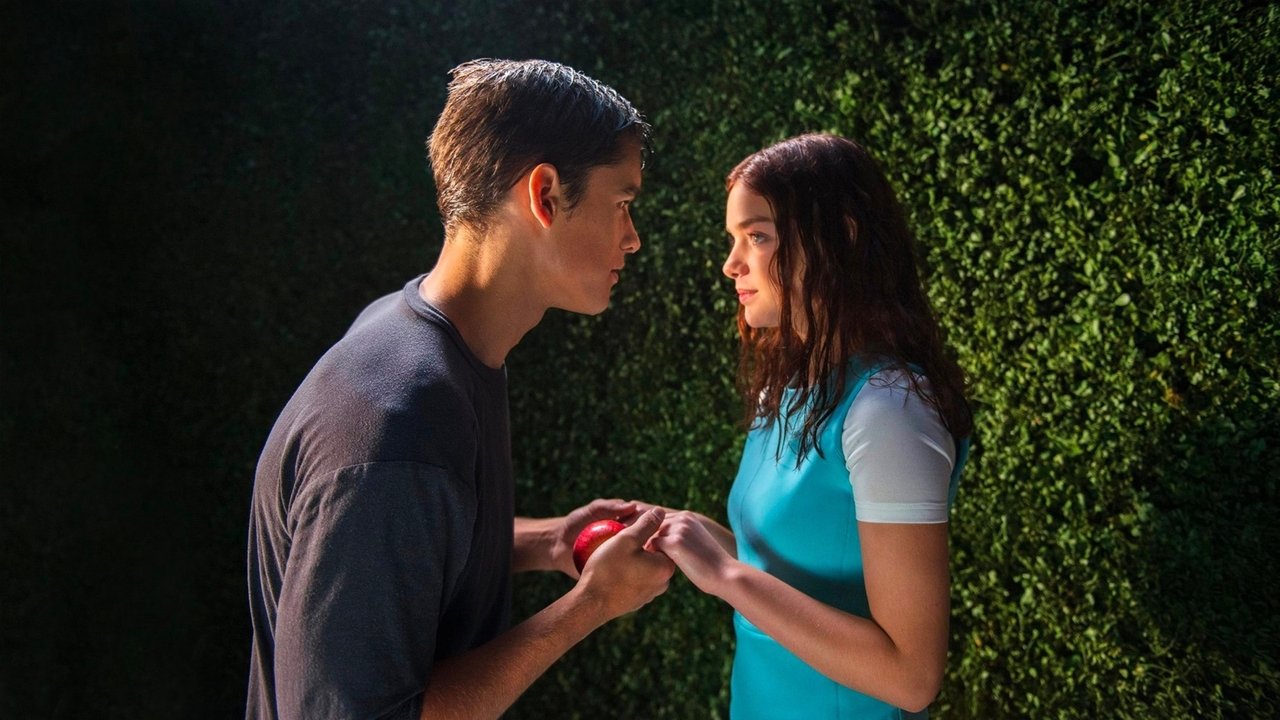
The "memories" themselves are presented as these rapid-fire montages of human history—sunsets, weddings, but also the horrors of war and poaching. In 2014, these looked like high-end GoPro commercials, and honestly, they still kind of do. They are meant to be profound, but they occasionally feel like a very expensive vacation slideshow. However, I have to give credit to the cinematography by Ross Emery. The way the color palette shifts from muted sepias to vibrant reds when Jonas first sees an apple or Fiona’s hair (played with a gentle charm by Odeya Rush) is genuinely effective. It reminds me of that transition period in cinema where we were finally figuring out how to make digital color grading feel emotional rather than just "corrected."
The Bridges Factor and the Streep Stare
The real reason to revisit this is the heavy-weight bout between Jeff Bridges and Meryl Streep. Streep plays the Chief Elder, a role that essentially consists of her appearing as a giant hologram and looking disappointed in everyone. It’s a paycheck role, sure, but Streep’s "paycheck" performance is still better than most people’s career peaks. She brings a chilling, bureaucratic logic to the villainy. She doesn't think she's evil; she thinks she’s a gardener pulling weeds.
Jeff Bridges, meanwhile, is mumble-acting his heart out. He’s all gravel and regret, hidden behind a thick beard and a cluttered house that looks like a rejected set from Lemony Snicket's A Series of Unfortunate Events. The chemistry between him and Brenton Thwaites is what grounds the movie. Thwaites does an admirable job playing a "blank slate" who has to learn how to feel everything at once, though I did find Katie Holmes and Alexander Skarsgård as his "parents" to be the most unsettling part of the film. They play the Stepford-style brainwashing so well that they become more frightening than any of the high-tech security drones.
Stuff You Didn't Notice
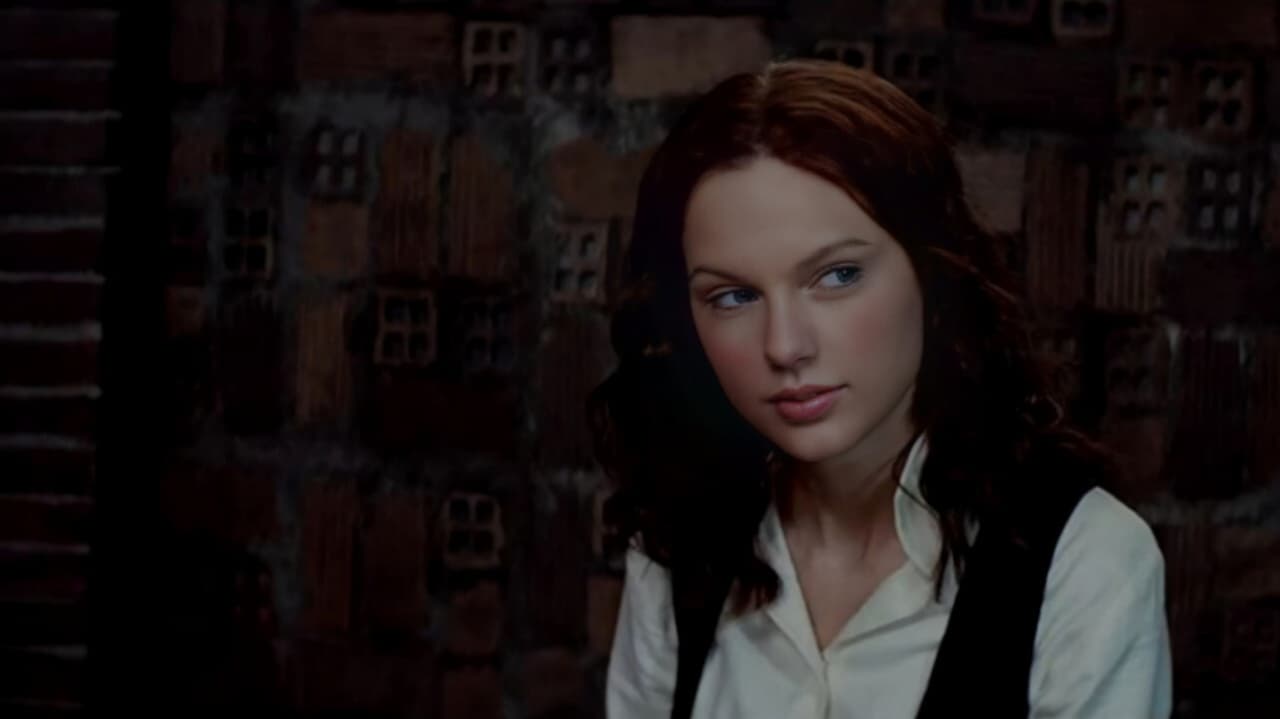
One of the most "2014" things about this movie is the Taylor Swift cameo. She plays Rosemary, the previous Receiver of Memory who met a tragic end. Apparently, Jeff Bridges saw her in a magazine and thought she had the perfect look for the character. It’s a tiny role—mostly just her sitting at a piano in a sepia-toned flashback—but it’s a fun time capsule of the era when Swift was just starting to dip her toes into acting.
Another bit of trivia that kills me: the ending of the movie is vastly different from the book to accommodate a more "cinematic" climax. In the novel, the escape is a desperate, quiet struggle against the elements. In the film, it’s a sci-fi race against a "Memory Boundary" that looks like a giant digital bubble. The ending basically turns into a futuristic version of The Truman Show on skis, which I personally found a bit silly, but I suppose you have to give the people their $25 million worth of CGI.
Interestingly, the film was shot almost entirely in South Africa. The "Community" was built on a massive set, and that isolation helped the actors feel the claustrophobia of the script. It’s a movie that feels "big" but was actually made on a relatively modest budget of $25 million—which is probably why the CGI hasn't aged quite as gracefully as the practical sets.
The Giver is a noble attempt to adapt an "unfilmable" book that got caught in the crosshairs of a dying trend. It’s too thoughtful to be a mindless blockbuster, but too compromised by studio notes to be a true philosophical masterpiece. I still find it worth a watch for Jeff Bridges' performance alone and for the way it captures that specific 2014 anxiety about technology and social conformity. It’s a movie that wants to be about the human heart, even if it occasionally gets distracted by its own visual effects.
Keep Exploring...
-
K-PAX
2001
-
The Bone Collector
1999
-
Never Let Me Go
2010
-
Contagion
2011
-
Real Steel
2011
-
Cloud Atlas
2012
-
Elysium
2013
-
Transcendence
2014
-
Patriot Games
1992
-
Upside Down
2012
-

Salt
2010
-
Melancholia
2011
-
Clear and Present Danger
1994
-
Contact
1997
-
The Saint
1997
-
Bicentennial Man
1999
-
The 6th Day
2000
-
Chronicle
2012
-

The Judge
2014
-
Crazy Heart
2009