The Grand Budapest Hotel
"A meticulously crafted caper for the hopelessly nostalgic."
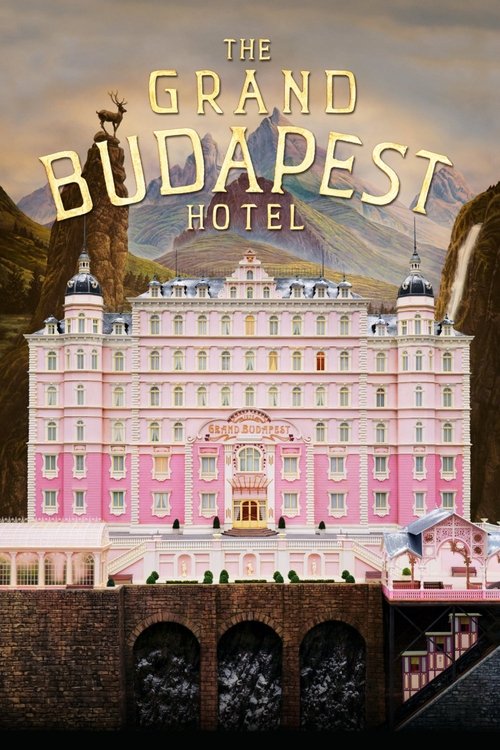
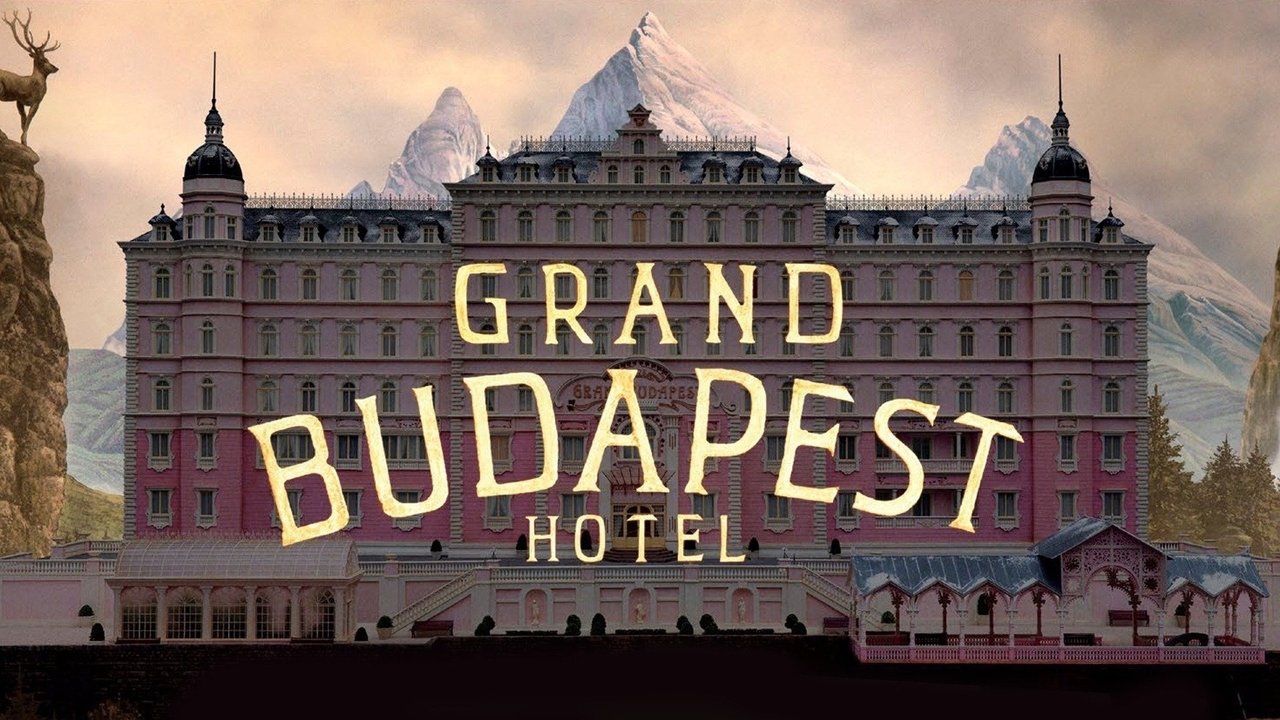
There is a specific kind of architectural dopamine that hits when the screen narrows to a 4:3 box and a pastel-pink hotel fills the frame. It feels like being handed a perfectly wrapped Ladurée macaron, only to find it contains a miniature, functional handgun. By the time 2014 rolled around, we all thought we knew what a "Wes Anderson movie" looked like—symmetrical, quirky, obsessed with corduroy—but The Grand Budapest Hotel was the moment the director stopped just decorating sets and started building entire civilizations.
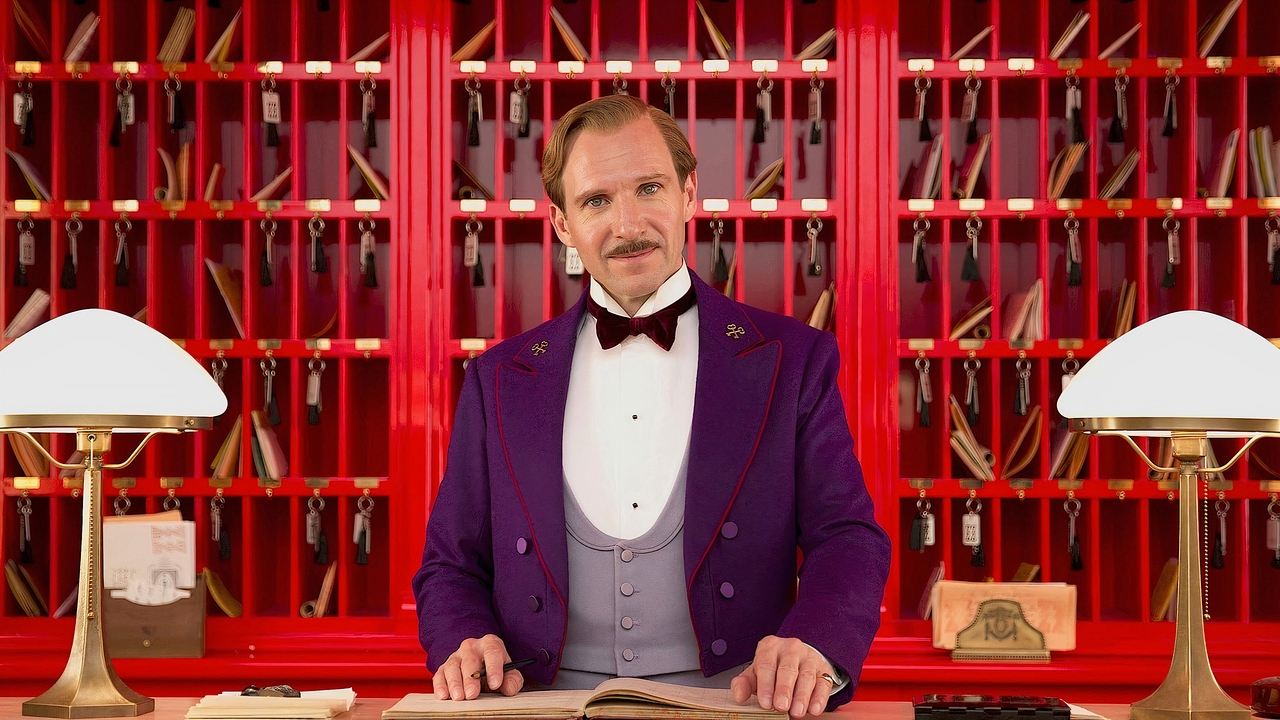
I watched this for the third time while recovering from a wisdom tooth extraction, and the symmetry of the framing was the only thing keeping my swirling, medicated brain from tilting out of my skull. It is a film that demands your attention, not through loudness, but through a staggering, obsessive level of detail that makes you want to pause every frame and live inside it.
The Gospel According to Gustave
At the center of this clockwork universe is M. Gustave H., played by Ralph Fiennes in a performance that I genuinely believe is one of the finest comedic turns of the 21st century. Before this, Fiennes was mostly the guy who played terrifying SS officers or nose-less dark lords. Here, he is a whirlwind of lavender perfume and "darling" epithets, a legendary concierge who sleeps with his elderly, wealthy clientele but treats it as a sacred vocation rather than a hustle.
What makes the drama work is that Fiennes doesn’t play Gustave as a caricature. He’s a man desperately trying to maintain a veneer of civilization while the world around him descends into the vulgarity of fascism. His relationship with Zero, the "lobby boy" played by Tony Revolori, is the emotional spine. It’s a mentor-protégé bond built on the idea that manners are the only thing separating us from the gutter. When Gustave stands up for Zero against a group of proto-Nazi "Zig-Zags" on a train, the film shifts from a caper into something much more poignant. It becomes a story about the end of an era, and Fiennes carries that weight with a twinkle in his eye and a perfectly timed curse word.
A Dollhouse with Teeth
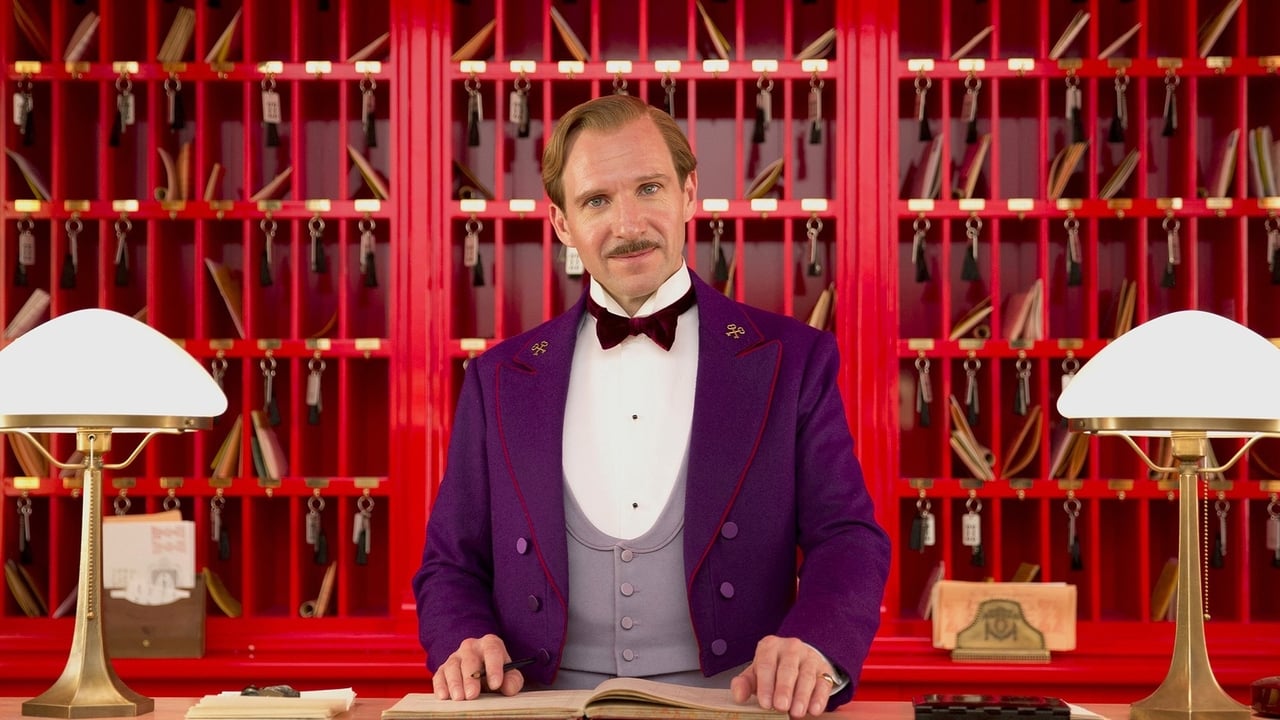
Looking back from the vantage point of a CGI-saturated landscape, The Grand Budapest Hotel feels like a handmade miracle. Anderson and his longtime cinematographer Robert D. Yeoman decided to shoot on 35mm film, using three different aspect ratios to signify three different time periods. It sounds like a film school gimmick, but in practice, it’s intuitive. It’s visual shorthand for how memories flatten and change over time.
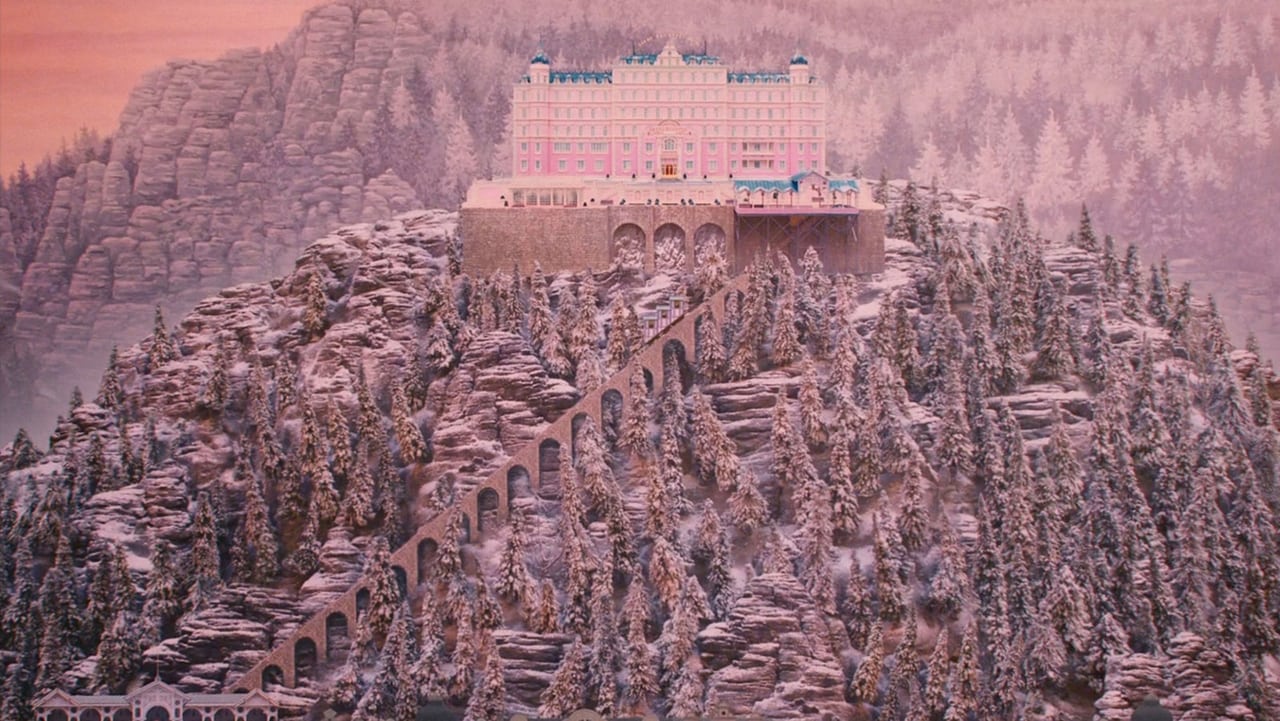
The production design by Adam Stockhausen is the real MVP here. They didn't build the hotel in a studio; they found a defunct Art Nouveau department store in Görlitz, Germany (the Görlitzer Warenhaus) and transformed it. The film also famously used miniatures for the wide shots of the hotel and the downhill ski chase. There’s a tangible, physical quality to the stunts and the environments that digital effects just can’t replicate. Willem Dafoe, playing the terrifying assassin Jopling, looks like he stepped out of a 1920s German Expressionist nightmare, and his practical action sequences have a punchy, tactile energy.
The score by Alexandre Desplat—which deservingly nabbed an Oscar—replaces traditional orchestral swells with balalaikas and Alpine horns. It’s folk music for a country that doesn't exist, and it gives the whole film the feeling of a frantic, slightly drunken Slavic dance.
The Shadow of the Zig-Zag
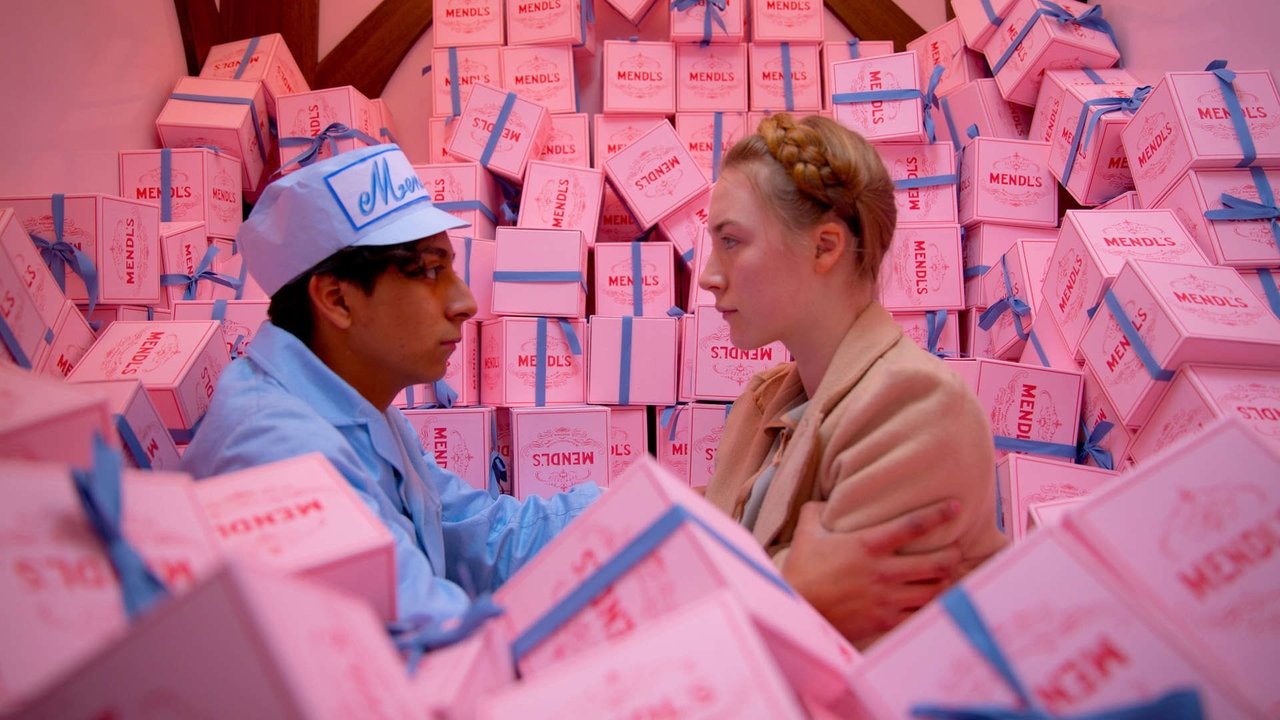
While the plot involves the theft of a painting called Boy with Apple and a battle for a massive fortune (featuring a hilariously oily Adrien Brody), the real villain is time. Anderson is often accused of being "precious," but this is a film about the death of beauty. The transition from the lush, red-carpeted 1930s hotel to the drab, orange-tinted 1960s version is a heartbreak told through wallpaper and lighting.
The film swept the technical categories at the Academy Awards, winning for Production Design, Costume Design (by the legendary Milena Canonero), Makeup, and Score. It was nominated for Best Picture, losing to Birdman, but ten years later, I’d argue The Grand Budapest is the one that has truly stayed in the cultural bloodstream. It’s the peak of the "Sundance Generation" aesthetic evolving into something grander and more universal. It acknowledges that the world is often cruel and ugly, but suggests that maintaining a bit of grace in the face of collapse is a radical act.
The Grand Budapest Hotel is a rare feat: a film that is technically flawless but also deeply moving. It’s a comedy that ends in a sigh, a heist movie that cares more about friendship than the loot. Whether you’re here for the breakneck pacing, the star-studded cameos (keep an eye out for Jeff Goldblum and Tilda Swinton), or just the sheer visual splendor, it’s a masterwork. It reminds me that even when the lights are going out all over Europe—or the world—there's still room for a little bit of L'Air de Panache.
Keep Exploring...
-
Moonrise Kingdom
2012
-

The Darjeeling Limited
2007
-
The Life Aquatic with Steve Zissou
2004
-

Rushmore
1998
-
The Royal Tenenbaums
2001
-
Fantastic Mr. Fox
2009
-
Bottle Rocket
1996
-

Isle of Dogs
2018
-
The French Dispatch of the Liberty, Kansas Evening Sun
2021
-
Asteroid City
2023
-
The Intouchables
2011
-
The Wolf of Wall Street
2013
-
Birdman or (The Unexpected Virtue of Ignorance)
2014
-

The Wonderful Story of Henry Sugar
2023
-
Wild Tales
2014
-
Forrest Gump
1994
-

Dilwale Dulhania Le Jayenge
1995
-
Life Is Beautiful
1997
-
The Truman Show
1998
-
(500) Days of Summer
2009