The Hobbit: The Battle of the Five Armies
"One final stand before the shadows fall."
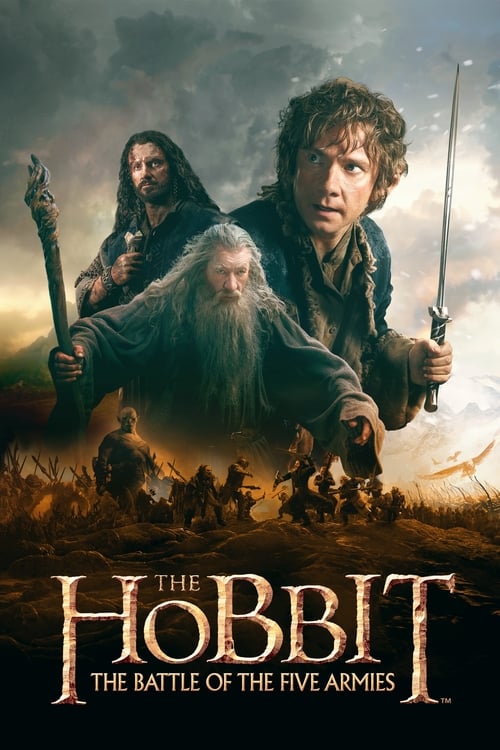
I remember sitting in the third row of a packed midnight screening in 2014, my neck craned upward at a screen that felt too big for the story it was trying to tell. I was flanked by a teenager dressed as Legolas and an older man who spent the entire 144-minute runtime vocalizing his disappointment that the dwarf-elf romance wasn't in the original text. I usually find "book purists" annoying, but honestly, his rhythmic huffing was the most consistent beat in a film that felt like a beautiful, expensive, three-hour drum solo.

The Digital Sandbox
Looking back from the vantage point of a decade later, The Battle of the Five Armies serves as a fascinating marker for the end of a specific cinematic era. This was the moment where Peter Jackson—the man who once used miniatures and forced perspective to make Middle-earth feel tactile and lived-in—fully embraced the digital sandbox. By 2014, the "New Zealand aesthetic" had shifted from the mud-caked reality of The Fellowship of the Ring to a high-frame-rate, neon-saturated digital gloss.
The film picks up exactly where The Desolation of Smaug left off, with the dragon Smaug (voiced with oily perfection by Benedict Cumberbatch) laying waste to Laketown. It’s a spectacular opening, yet it’s over in ten minutes. From there, the movie settles into a singular, massive location: the gates of Erebor. This is where the "Modern Cinema" transition is most evident. The orc armies aren't thousands of extras in prosthetics anymore; they are digital assets, perfectly rendered but occasionally lacking that "weight" that made the Uruk-hai so terrifying in 2002. There’s a scene where Billy Connolly appears as Dain Ironfoot, but he’s almost entirely a CGI creation—a choice that still feels like a bizarrely expensive way to make a legendary comedian look like a video game character.
A Masterclass in Sustained Chaos
Despite the digital saturation, the action choreography is where the film earns its keep. If you’re coming to Popcornizer for "Action" with a capital A, this is your Super Bowl. The titular battle takes up nearly half the movie’s runtime. It’s a masterclass in staging complex, multi-front warfare. Peter Jackson and his second unit directors manage to keep the geography of the battlefield clear, even as elven archers leap over dwarven shield walls and trolls with catapults strapped to their backs level the city of Dale.
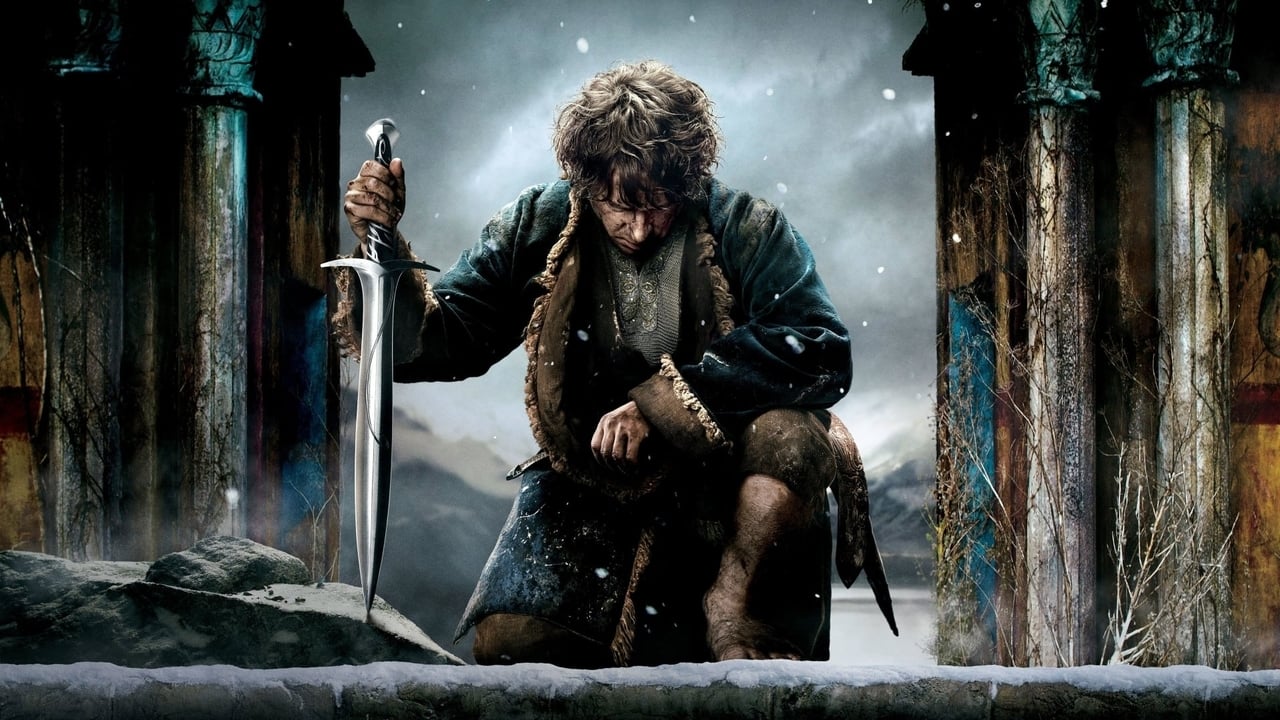
The highlight for me—and perhaps the most divisive moment in the franchise—is Orlando Bloom’s Legolas defying the laws of physics. Watching him run up falling stones like a staircase is the kind of "cool factor" overindulgence that defines this era of blockbusters. It’s silly, it’s impossible, and it’s undeniably fun in a way that only a $250 million budget can buy. However, the emotional core remains with Richard Armitage as Thorin Oakenshield. His descent into "dragon sickness" provides the necessary weight to the carnage. When he finally faces off against the pale orc Azog on a sheet of thinning ice, the stakes feel personal rather than just tactical.
The Hobbit Sidelined
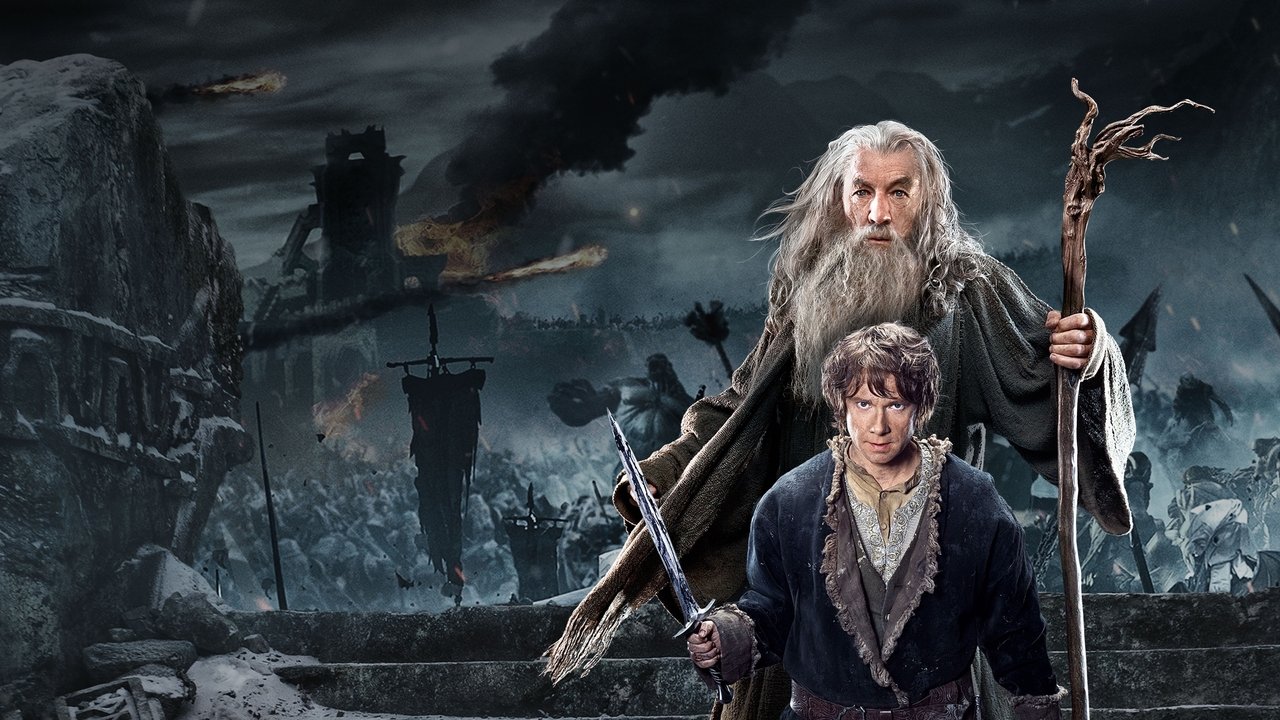
The great irony of this finale is that the title character, played with such wonderful, twitchy humanity by Martin Freeman, often feels like a guest star in his own movie. Bilbo Baggins is the best part of these films—his chemistry with Ian McKellen’s Gandalf is the "secret sauce" that makes the long stretches of dialogue work—but here he’s mostly relegated to standing on a rampart looking worried.
The film also buckles under the weight of having to set up the original Lord of the Rings trilogy. We spend a lot of time with the "White Council" (featuring Cate Blanchett, Hugo Weaving, and Christopher Lee) fighting ghosts in Dol Guldur. It’s visually striking, especially seeing Saruman in his prime, but it often feels like the movie is checking boxes for a franchise wiki rather than telling a self-contained story.

I’ll never forget the trivia that Sir Ian McKellen reportedly had a bit of a breakdown on the set of these films because he spent so much time acting against green poles and tennis balls instead of other actors. You can see glimpses of that isolation in the finished product. The world is huge, but it feels lonelier than the Shire did back in 2001.
The film is a triumph of technical ambition that occasionally forgets to be a movie about a Hobbit. It’s an endurance test of CGI spectacle that succeeds because of the sheer charisma of its lead actors and Peter Jackson's innate ability to film a fight scene. While it doesn't reach the emotional heights of The Return of the King, it provides a thunderous, if slightly bloated, goodbye to the Middle-earth we spent fifteen years exploring. It’s the cinematic equivalent of a heavy dessert: you’ll enjoy the taste, but you might feel a little overstuffed by the time the credits roll to Billy Boyd’s soulful "The Last Goodbye."
Keep Exploring...
-

The Hobbit: The Desolation of Smaug
2013
-
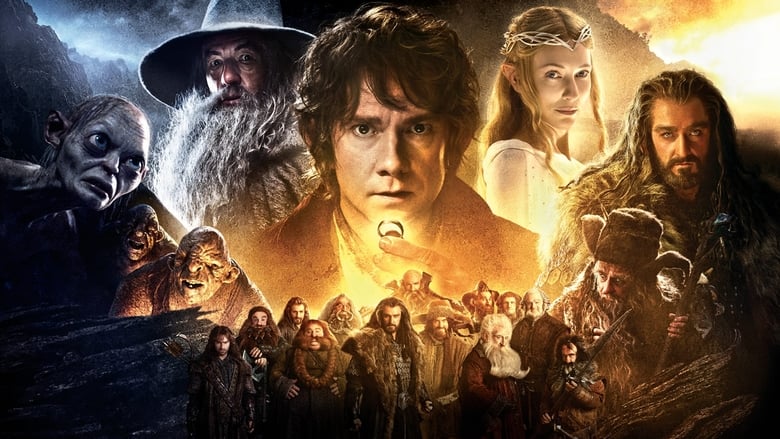
The Hobbit: An Unexpected Journey
2012
-
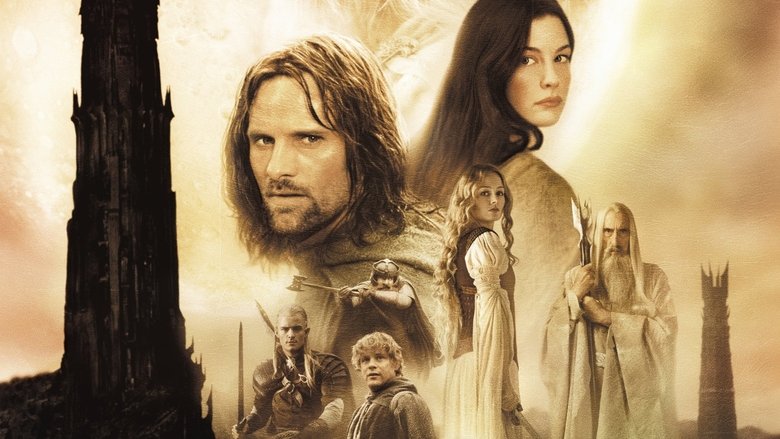
The Lord of the Rings: The Two Towers
2002
-
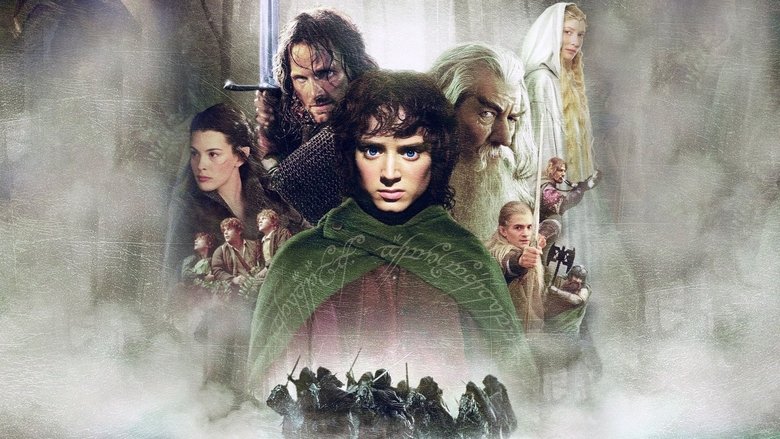
The Lord of the Rings: The Fellowship of the Ring
2001
-

The Lord of the Rings: The Return of the King
2003
-

King Kong
2005
-
Avatar
2009
-

Puss in Boots
2011
-
Thor: The Dark World
2013
-
Maleficent
2014
-

Pirates of the Caribbean: Dead Man's Chest
2006
-
Pirates of the Caribbean: At World's End
2007
-
The Lovely Bones
2009
-
The Mummy Returns
2001
-

Night at the Museum
2006
-
Thor
2011
-
Brave
2012
-
Rise of the Guardians
2012
-
How to Train Your Dragon 2
2014
-
Pirates of the Caribbean: The Curse of the Black Pearl
2003