The Hunger Games: Mockingjay - Part 1
"The revolution will be televised, edited, and focus-grouped."
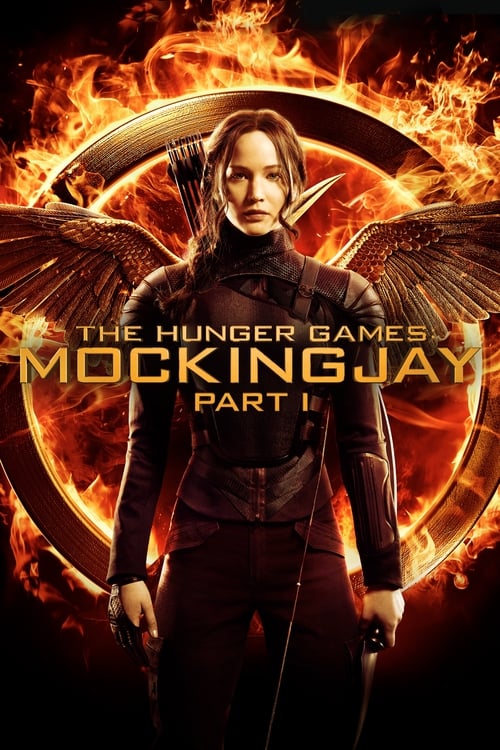
I remember the collective groan that echoed through the internet when Lionsgate announced they were splitting the final Hunger Games book into two films. It was 2014, and Hollywood was fully intoxicated by the "Part 1 & 2" cocktail pioneered by Harry Potter and Twilight. It felt like a blatant cash grab, a way to squeeze an extra $700 million out of a teenage fan base. But rewatching The Hunger Games: Mockingjay - Part 1 today—on a flight where the person in front of me reclined their seat so far I was essentially viewing Jennifer Lawrence’s pores from three inches away—I realized something surprising. This isn't just half a movie; it’s the most intellectually honest entry in the entire franchise.
While the first two films were about the spectacle of the Games, Mockingjay - Part 1 is about the spectacle of the sell. We move from the shimmering, lethal arenas into the grey, claustrophobic bowels of District 13. It’s a film where the most important weapon isn’t a bow and arrow, but a 4k camera and a good editor.
The Marketing Department of the Apocalypse
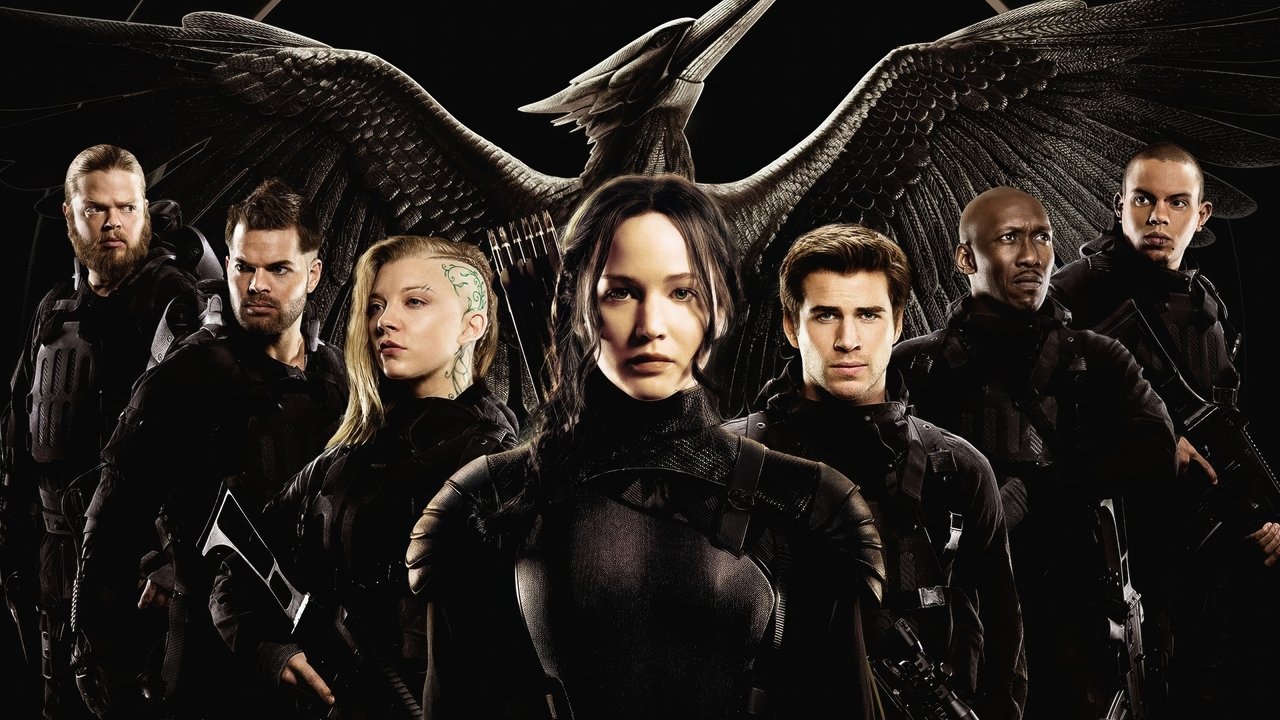
What strikes me now is how much this film functions as a meta-commentary on blockbuster filmmaking itself. Katniss Everdeen is no longer a contestant; she’s a "piece" in a PR war. The plot largely consists of President Alma Coin (played with a chilling, silver-haired stillness by Julianne Moore) and the late, great Philip Seymour Hoffman as Plutarch Heavensbee trying to figure out how to "brand" the revolution.
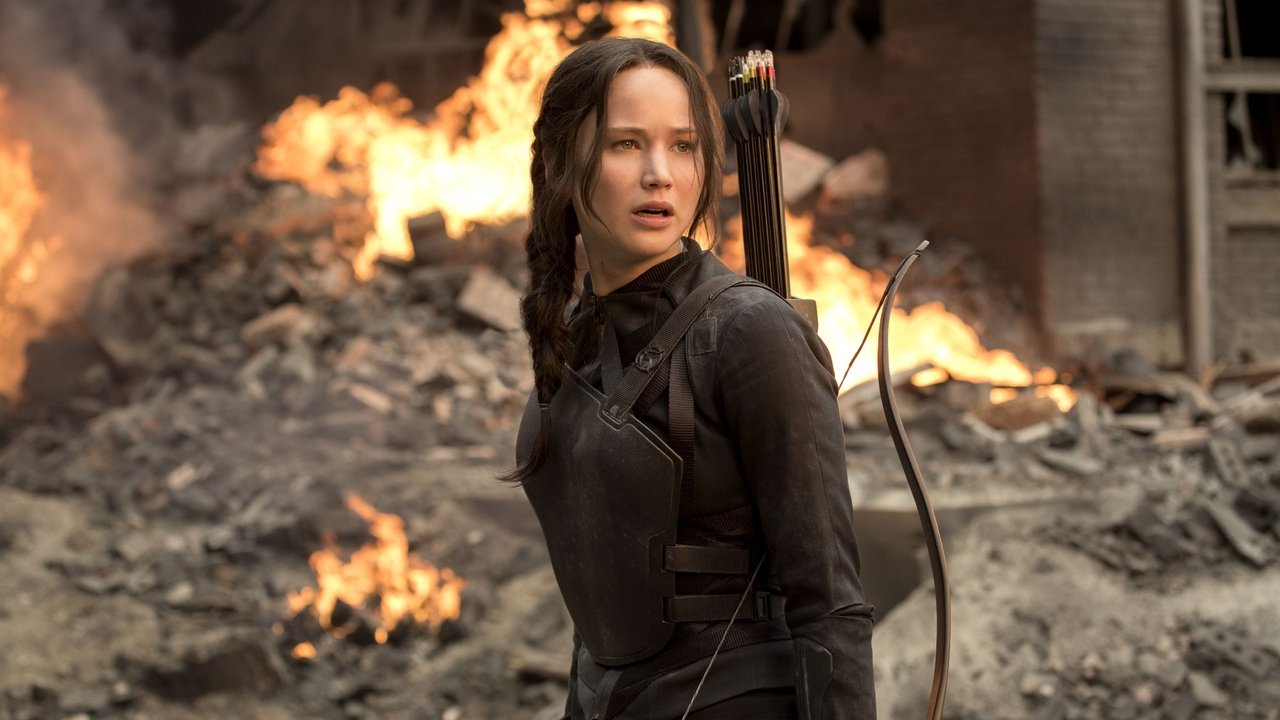
There’s a fantastic sequence where they try to film Katniss in a studio against a green screen, and she’s terrible. She can’t act. It’s a hilarious nod to the fact that Jennifer Lawrence—an Oscar-winning powerhouse who can command a screen by just breathing—is playing a character who is completely incapable of fake-emoting for a camera. It’s only when they send her into the ruins of a hospital in District 8 that she finds her fire. Director Francis Lawrence (who also helmed Constantine and I Am Legend) leans into this "film-within-a-film" vibe, showing us the "propos" (propaganda spots) as they are being cut and broadcast. In the digital age of 2014, this felt incredibly prescient—it’s a movie about how we consume trauma as content.
A Masterclass in Gloom
This film dropped right at the tail end of the "Post-9/11 Gritty Reboot" era, and boy, does it wear those colors. The production design by Philip Messina ditches the Capitol’s "Versailles on Acid" aesthetic for something closer to a Soviet bunker. Everything is concrete, jumpsuits, and rationed porridge. It’s a bold move for a blockbuster to spend two hours in a basement, but it works because of the cast.
Woody Harrelson and Elizabeth Banks provide the much-needed soul as Haymitch and Effie Trinket. Seeing Effie, the former herald of Capitol excess, trying to maintain her dignity in a drab District 13 jumpsuit is both heartbreaking and funny. Meanwhile, the Peeta Mellark subplot—with Josh Hutcherson appearing in distorted hijack broadcasts—adds a layer of psychological horror that the previous films only hinted at. I will say, however, that Peeta's CGI-assisted weight loss in his final broadcast looks like a haunted PS3 cutscene, which is one of the few places where the 2014 tech shows its age.
The film's cultural footprint was massive, too. "The Hanging Tree," a folk ballad sung by Lawrence in the film, actually climbed to number 12 on the Billboard Hot 100. It’s rare for a dystopian sci-fi flick to produce a platinum-certified radio hit, but it spoke to how deeply this franchise had burrowed into the public consciousness.
The Cost of the Split
Looking back, the "Part 1" strategy was a double-edged sword. On one hand, it allowed the story to breathe, giving us quiet moments like the "Hanging Tree" sequence or the tense rescue mission into the Capitol. On the other hand, the film lacks a traditional climax. It just... stops. It’s all rising action with no peak, which was the primary complaint at the time.
But as a piece of world-building, it’s top-tier. Turns out, the production was just as massive as the box office suggested. They shot the film back-to-back with Part 2 over 155 days, and the scale was immense—the budget for the two-part finale reportedly ballooned to over $300 million. It paid off, though; Part 1 alone raked in over $755 million worldwide. More impressively, it became a real-world symbol of resistance. In 2014, protesters in Thailand began using the film’s three-finger salute as a genuine gesture of defiance against a military coup, leading to the salute being banned in the country. It’s not often that a "young adult" franchise spills over into actual international geopolitics.
Ultimately, Mockingjay - Part 1 is the moody, mid-tempo synth track of the Hunger Games album. It lacks the visceral thrills of the arena, but it replaces them with a fascinating look at how heroes are manufactured. It’s a film that asks us to look at the "Girl on Fire" and realize she’s being burned at both ends for the sake of a broadcast. It’s bleak, it’s grey, and it’s surprisingly thoughtful for a movie that was essentially designed to be an appetizer for the main course. It remains a fascinating snapshot of a time when the YA blockbuster was king and the world was beginning to realize that the revolution wouldn't just be televised—it would be edited for maximum engagement.
Keep Exploring...
-
The Hunger Games: Catching Fire
2013
-
The Hunger Games: Mockingjay - Part 2
2015
-
The Hunger Games
2012
-
I Am Legend
2007
-
Armageddon
1998
-

Jurassic Park III
2001
-

The Matrix Reloaded
2003
-
The Day After Tomorrow
2004
-

War of the Worlds
2005
-
Star Trek: Generations
1994
-
Star Trek: First Contact
1996
-
2012
2009
-
I Am Number Four
2011
-

Battleship
2012
-
Journey 2: The Mysterious Island
2012
-
Transformers: Age of Extinction
2014
-
Final Fantasy: The Spirits Within
2001
-
9
2009
-
Avatar
2009
-
Knowing
2009