The Imitation Game
"A haunting portrait of a genius whose greatest reward was a state-sponsored tragedy."
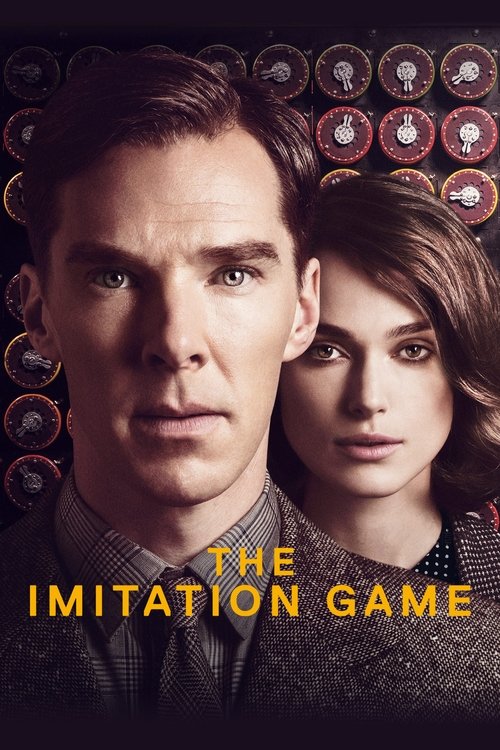
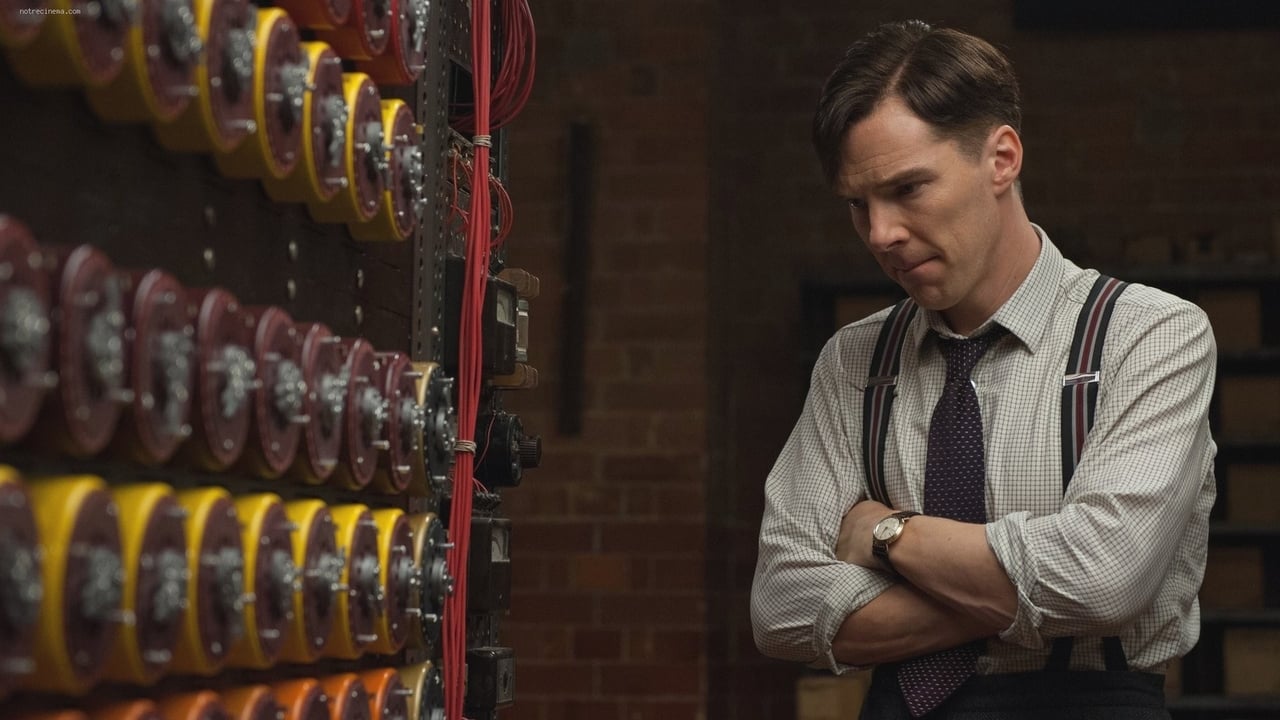
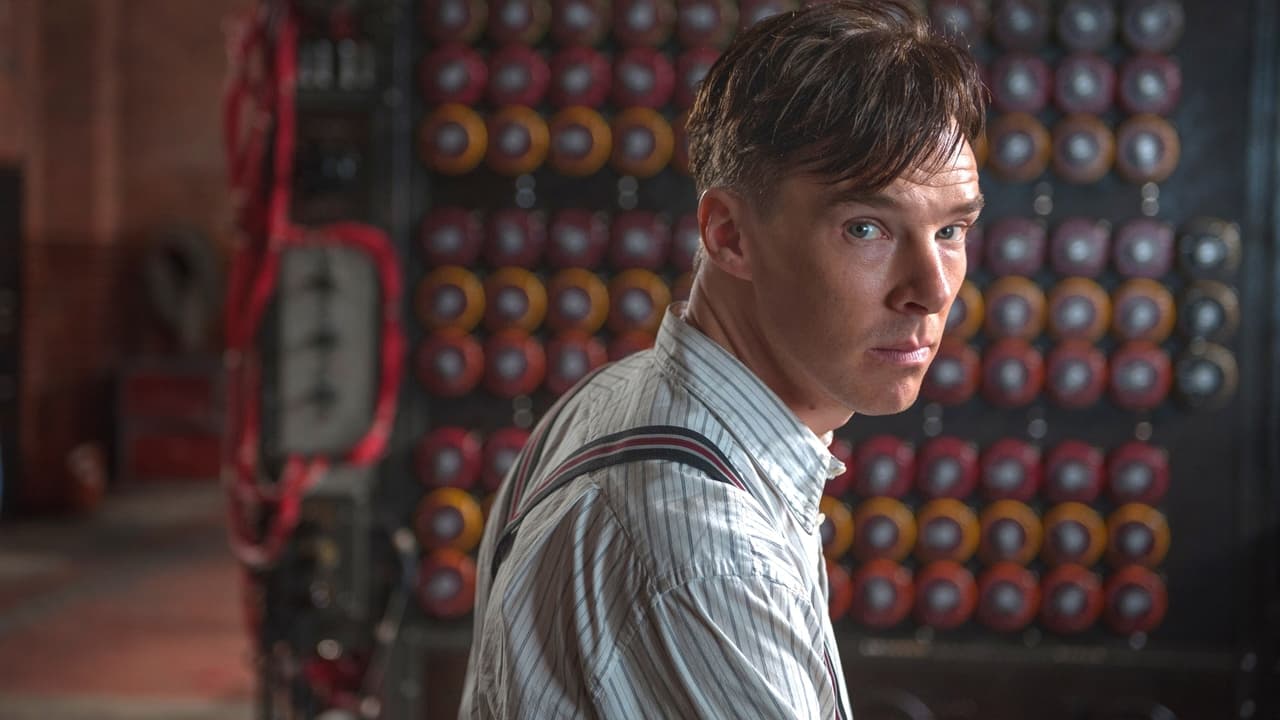
The sound of "Christopher"—the massive, whirring electro-mechanical "bombe" machine at the center of the film—is the true heartbeat of The Imitation Game. It’s a rhythmic, mechanical anxiety that mimics the ticking of a clock that could stop the world. I remember first watching this on a laptop with a dying battery while tucked into a corner of a crowded library; the literal race against my own power percentage weirdly mirrored the frantic, desperate energy of Bletchley Park. It’s that kind of movie—one that makes the act of thinking feel like a high-stakes action sequence.
The Monster in the Room
Benedict Cumberbatch was already the internet’s favorite "high-functioning sociopath" by 2014, but his portrayal of Alan Turing is something much more delicate and damaged. He doesn’t play Turing as a jerk; he plays him as a man who simply doesn't have the social firmware to process the world around him. He is frustrating, brilliant, and deeply isolated. Watching him attempt to tell a joke to his team—Matthew Goode, Allen Leech, and Matthew Beard—is like watching an alien try to mimic human joy through a series of complex equations. It is awkward, painful, and eventually, heart-wrenching.
The film leans into the "Difficult Genius" trope that was rampant in the early 2010s, but it manages to subvert it by showing the cost of that difficulty. The film treats Alan Turing like a tragic puzzle that the audience has to solve, rather than a man who just wanted to be left alone with his math. This isn't just a war movie where people point at maps; it’s a psychological thriller where the battlefield is a blackboard.
The Secret Weapon in a Cardigan
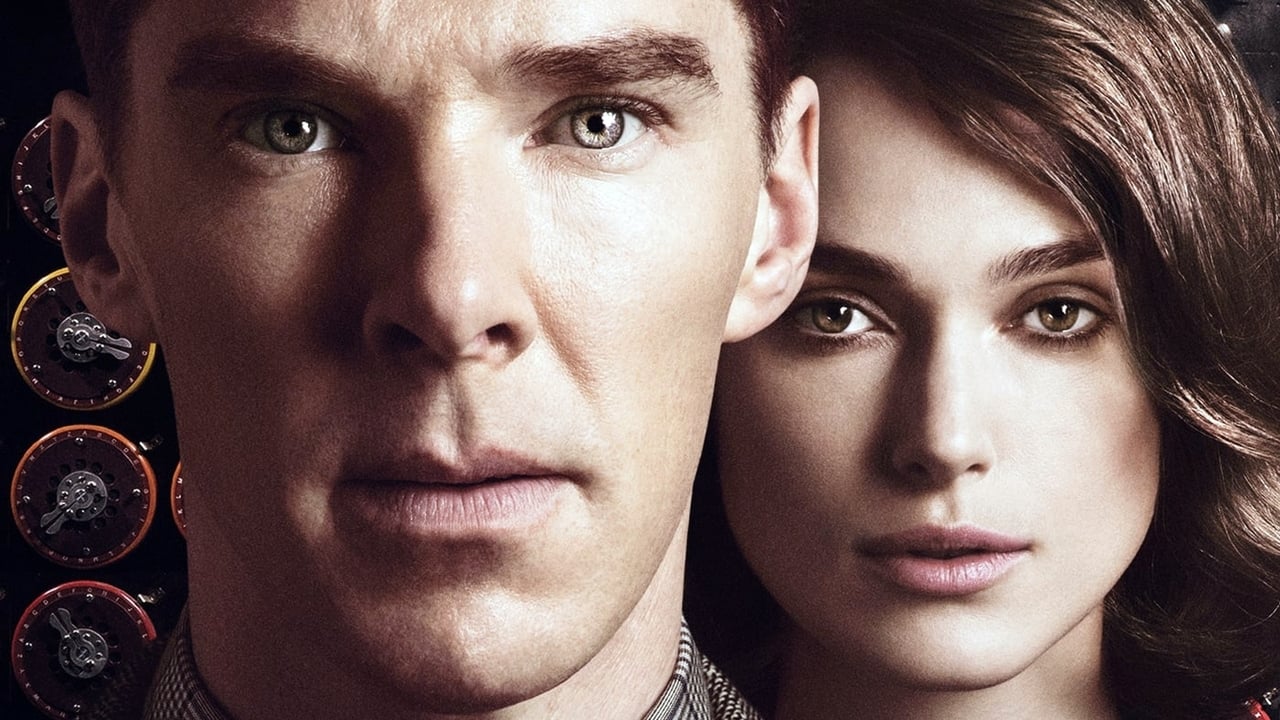
While the marketing focused on the "Enigma," Keira Knightley is the film’s secret weapon as Joan Clarke. In an era where female characters in biopics were often relegated to "the supportive wife at home," Knightley’s Clarke is Turing’s intellectual equal and his only emotional bridge to the rest of humanity. She navigates the stifling sexism of the 1940s with a sharp, quiet grace.
The chemistry between her and Benedict Cumberbatch isn't romantic in the traditional sense; it’s a union of two outsiders who realize they are the only ones in the room with the lights turned on. Their relationship provides the film’s most grounded moments, preventing the high-concept code-breaking from feeling too clinical. Knightley manages to make solving a crossword puzzle look like a revolutionary act, which, in 1941, for a woman, it absolutely was.
A Very British Tragedy
Director Morten Tyldum makes some bold choices in how he weaves the three timelines together: Turing’s boarding school days, the war years, and the 1950s "indecency" investigation led by a persistent Rory Kinnear. This structure ensures that even when the team is celebrating their massive breakthrough, the shadow of the future hangs over them. We know how this ends. We know that the man who effectively shortened World War II by two years and saved millions of lives was later broken by the very government he saved.
Looking back from a decade later, the 1950s sequences are the hardest to watch. The "Modern Cinema" era of the early 2010s was starting to grapple more honestly with historical injustices, and The Imitation Game doesn't flinch from the horror of Turing’s chemical castration. It turns a "prestige biopic" into a searing indictment of state-sponsored cruelty. The contrast between the cold, sterile 50s police station and the vibrant, high-stakes chaos of Bletchley Park is visually jarring, emphasized by Óscar Faura’s cinematography, which shifts from warm, dusty ambers to a clinical, suffocating gray.
The Prestige Polish
This was a quintessential "awards season" film, and it wears that pedigree on its sleeve. It scooped up eight Oscar nominations, and screenwriter Graham Moore took home the statue for Best Adapted Screenplay. It’s worth noting that while the film takes some massive liberties with historical facts—Turing wasn't quite as friendless or as suspected of Soviet espionage as the movie suggests—it captures the emotional truth of his isolation perfectly.
The score by Alexandre Desplat also deserves a shout-out. It’s frantic, repetitive, and obsessive, perfectly mirroring the internal gears of Turing’s mind. It’s one of those rare scores that I actually find myself humming while trying to focus on a difficult task; it has a way of making "thinking" feel like a sprint.
The Imitation Game succeeds because it refuses to let the audience off the hook with a simple "we won the war" celebration. It forces you to sit with the uncomfortable reality that society often destroys the very people it relies on for survival. It’s a beautifully acted, somber, and ultimately essential piece of historical drama that remains as relevant today as it was in 2014.
Keep Exploring...
-
Inglourious Basterds
2009
-
Schindler's List
1993
-

Braveheart
1995
-

Saving Private Ryan
1998
-
Downfall
2004
-
The Boy in the Striped Pyjamas
2008
-

Brothers
2009
-

The Impossible
2012
-
The Round Up
2010
-

The Wind Rises
2013
-
Prisoners
2013
-
JFK
1991
-

The Count of Monte Cristo
2002
-

United 93
2006
-

The Hurt Locker
2008
-
The Flowers of War
2011
-
13 Hours: The Secret Soldiers of Benghazi
2016
-
1917
2019
-
Incendies
2010
-

Shutter Island
2010