The Last: Naruto the Movie
"Love hits harder than a Rasengan."
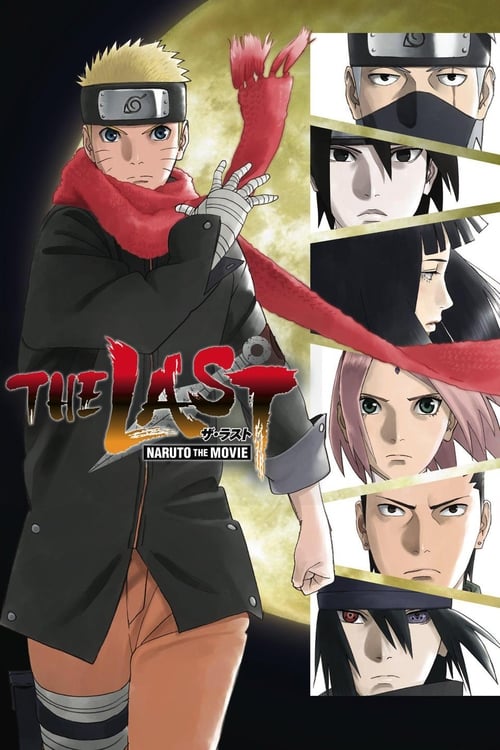
There is a specific, quiet melancholy that settles over a long-running franchise when it finally decides to grow up. In 2014, the Naruto manga had just concluded its fifteen-year run, leaving a massive, orange-jumpsuit-shaped hole in the hearts of millions. While most shonen anime films are disposable "side quests" that don't affect the main plot, The Last: Naruto the Movie arrived as something different: a canonical bridge, a romantic apology, and a surprisingly low-budget miracle that feels ten times more expensive than its accounting suggests.

I watched this for the first time on a cracked tablet while hiding from my cousins at a particularly loud Thanksgiving gathering, and honestly, the drafty window in that guest room made the movie’s snowy, winter setting feel like a 4D theatrical experience.
From Ninja War to First Dates
We find our hero, Junko Takeuchi’s Naruto Uzumaki, two years after the world-ending stakes of the Fourth Great Ninja War. He’s no longer the pariah of the Hidden Leaf; he’s a global superstar receiving knitted scarves from fangirls like he’s the ninja equivalent of a boy band lead. It’s a fascinating look at the "day after" the hero wins. But while Naruto is busy being oblivious, Hinata Hyūga (voiced with heartbreaking tenderness by Nana Mizuki) is still nursing a decade-long crush and a half-finished red scarf.
The film takes a hard left turn from the franchise's usual "punch the bad guy until he becomes your friend" formula. Instead, it leans into a "Modern Cinema" sensibility where the characters are allowed to breathe, blush, and be awkward. Director Tsuneo Kobayashi—who sadly passed away a few years after this—brings a cinematic eye to the pacing that feels closer to a prestige indie drama than a battle anime. The way the camera lingers on Hinata’s hands or the steam rising from a bowl of ramen tells us more about their internal lives than a ten-minute monologue ever could.
Animation with a Pulse

Let’s talk about the elephant in the room: the budget. The production notes list this film at a lean $750,000. In an era where Hollywood was dumping $200 million into CGI spectacles like Transformers: Age of Extinction, the team at Studio Pierrot was essentially performing alchemy. They took what amounts to a "lunch money" budget in the animation world and crafted some of the most fluid, stylish sequences in the series' history.
The action choreography isn’t just about explosions; it’s about rhythm. When Naruto and the team—including a delightfully deadpan Shikamaru (Showtaro Morikubo) and a supportive Sakura (Chie Nakamura)—set off to rescue Hanabi from the moon-dwelling villain Toneri (Jun Fukuyama), the movement is silkier than anything we saw in the weekly TV broadcast. The cinematography by Atsuho Matsumoto utilizes "digital flares" and soft lighting that perfectly capture that 2014 transition period where digital animation finally figured out how to replicate the warmth of traditional film.
The Scarf That Tied a Legacy
The villain, Toneri, is perhaps the weakest link—another descendant of a goddess with a grudge and a "moon-falling-on-earth" scheme that feels like a recycled Y2K tech anxiety. But the movie knows Toneri is just a plot device to get Naruto and Hinata into a moon-cave where they can finally acknowledge their feelings. This movie is essentially a $750,000 engagement ring for a fan base that waited fifteen years for a kiss.
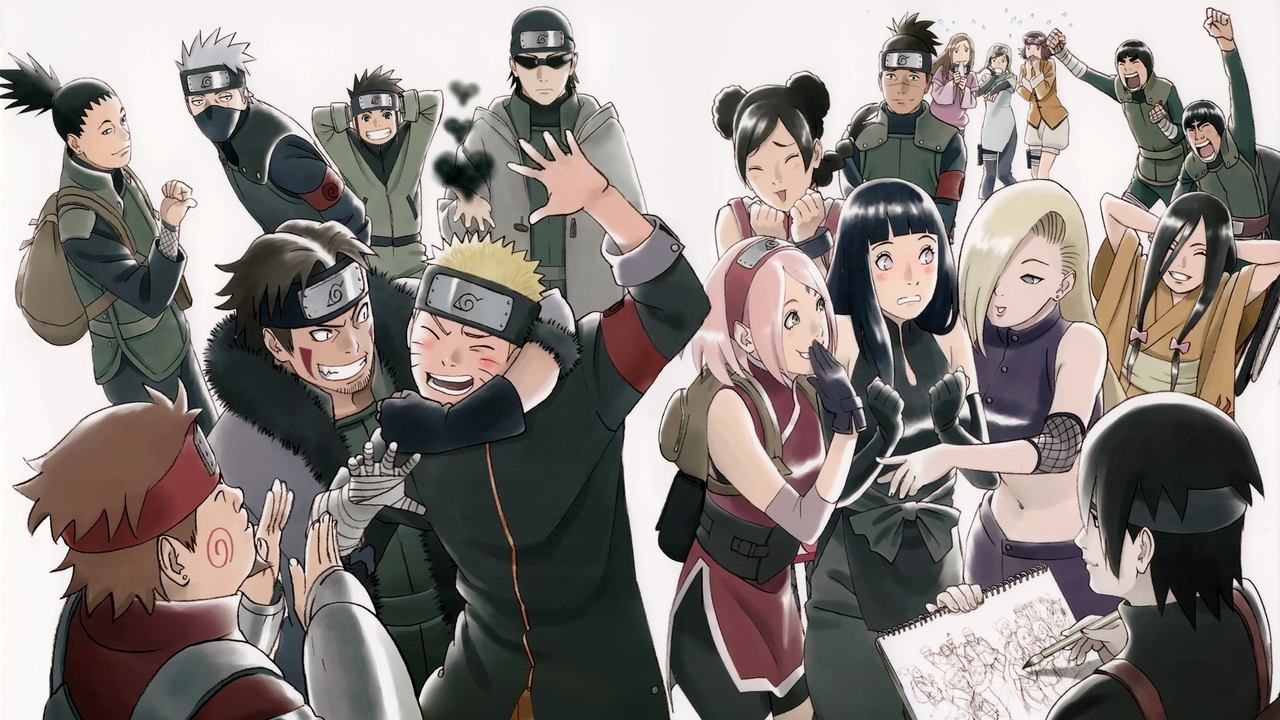
The standout sequence involves a trip through a "memory spring," where Naruto literally walks through Hinata’s memories of him. It’s a gorgeous, surrealist piece of filmmaking that serves as a retrospective of the entire series. It reminded me why we stick with these franchises for decades; it’s not for the power-ups, but for the growth. Seeing the knucklehead ninja realize that love isn't just a type of ramen topping is a genuine "eureka" moment that the film earns through patient, character-driven storytelling.
The Last succeeds because it refuses to be just another action flick. It’s a tribute to the "Sundance Generation" of anime—focused on the small, intimate moments even when the moon is literally falling out of the sky. By the time the credits roll (stay for the post-credits scene, trust me), you realize you haven’t just watched a ninja movie; you’ve watched the final chapter of a childhood. It’s a beautifully crafted, emotionally resonant send-off that proves you don’t need a massive budget to create a cinematic landmark—you just need a heart and a very long red scarf.


Keep Exploring...
-
Road to Ninja: Naruto the Movie
2012
-

Naruto Shippuden the Movie
2007
-
Boruto: Naruto the Movie
2015
-

Ghost in the Shell
1995
-
Batman: Mask of the Phantasm
1993
-

Evangelion: 3.0 You Can (Not) Redo
2012
-
Evangelion: 2.0 You Can (Not) Advance
2009
-

Hotarubi no Mori e
2011
-
Batman: The Dark Knight Returns, Part 1
2012
-
Resident Evil: Damnation
2012
-

Batman: The Dark Knight Returns, Part 2
2013
-
Dragon Ball Z: Battle of Gods
2013
-
Justice League: The Flashpoint Paradox
2013
-
The Garden of Words
2013
-
The Wind Rises
2013
-

Justice League: War
2014
-
Final Fantasy VII: Advent Children
2005
-

Evangelion: 1.0 You Are (Not) Alone
2007
-
9
2009
-
The Princess and the Frog
2009