The Lego Movie
"Building a masterpiece, one plastic brick at a time."
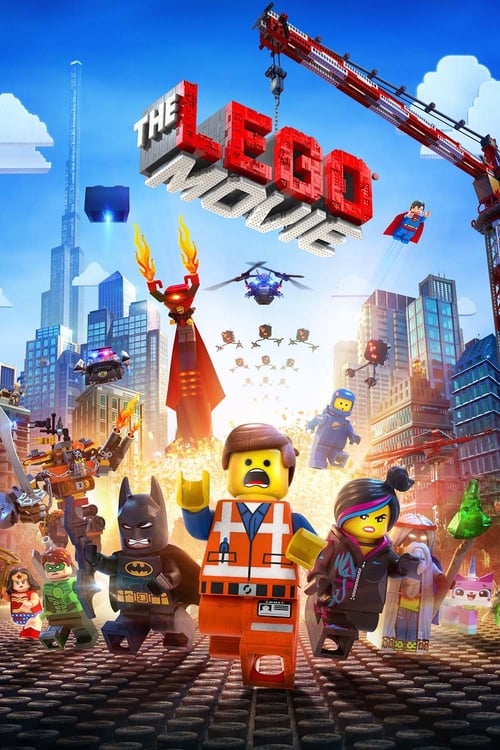
If you’d told me in the early 2000s that the most emotionally resonant film of the next decade would star a yellow plastic man with a C-clamp for a hand, I would have assumed you’d spent too much time huffing model glue. On paper, The Lego Movie is the ultimate corporate fever dream—a 100-minute commercial designed to sell colorful interlocking bricks to children. Yet, in the hands of Christopher Miller and Phil Lord, the duo who somehow made a Cloudy with a Chance of Meatballs movie work, it became a subversion of the "Chosen One" trope so sharp it could draw blood if you stepped on it in the dark.
The Audacity of the Brick
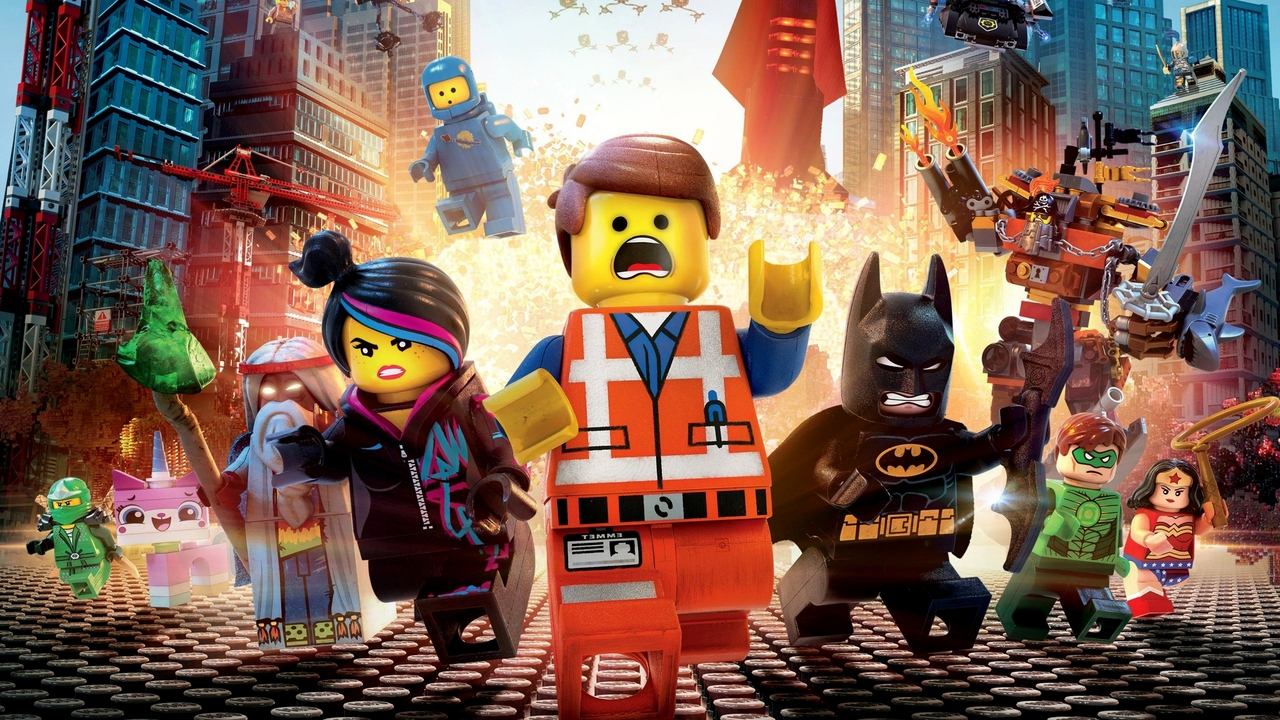
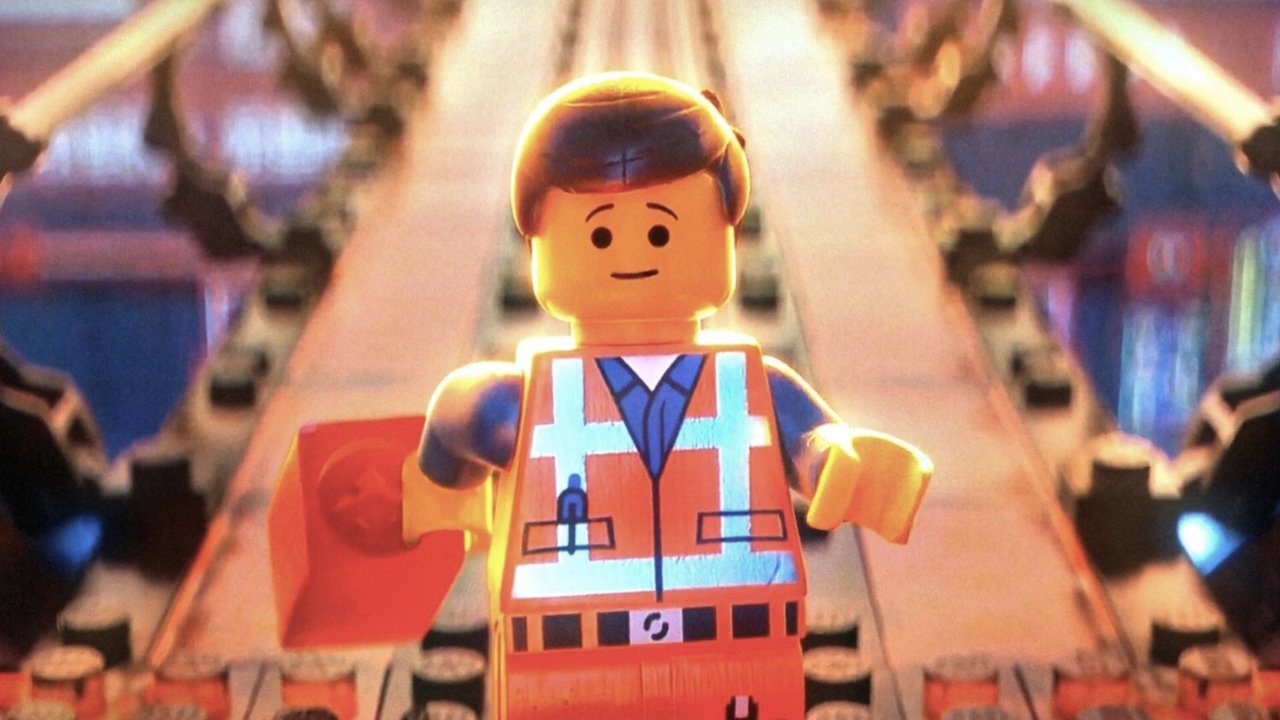
Looking back at the landscape of 2014, we were right in the thick of "Franchise Fever." The MCU was finding its groove, and every studio was desperate for a "cinematic universe." Lego felt like the next logical, albeit cynical, step. But the brilliance here is that the film treats its own existence with a wink and a nod. Emmet, voiced with a pitch-perfect "everyman" sincerity by Chris Pratt, isn't a hero. He’s a guy who follows the instructions so well he has no personality of his own.
I watched this for the first time while recovering from a particularly nasty wisdom tooth extraction, and even through a haze of painkillers, the sheer velocity of the jokes felt like a biological reset. The movie moves at a clip that respects the audience’s intelligence, assuming you’ve seen The Matrix, Star Wars, and every other hero’s journey under the sun. It doesn't just borrow from those films; it dismantles them and rebuilds them into something far more chaotic and colorful.
A Masterclass in Digital Texture
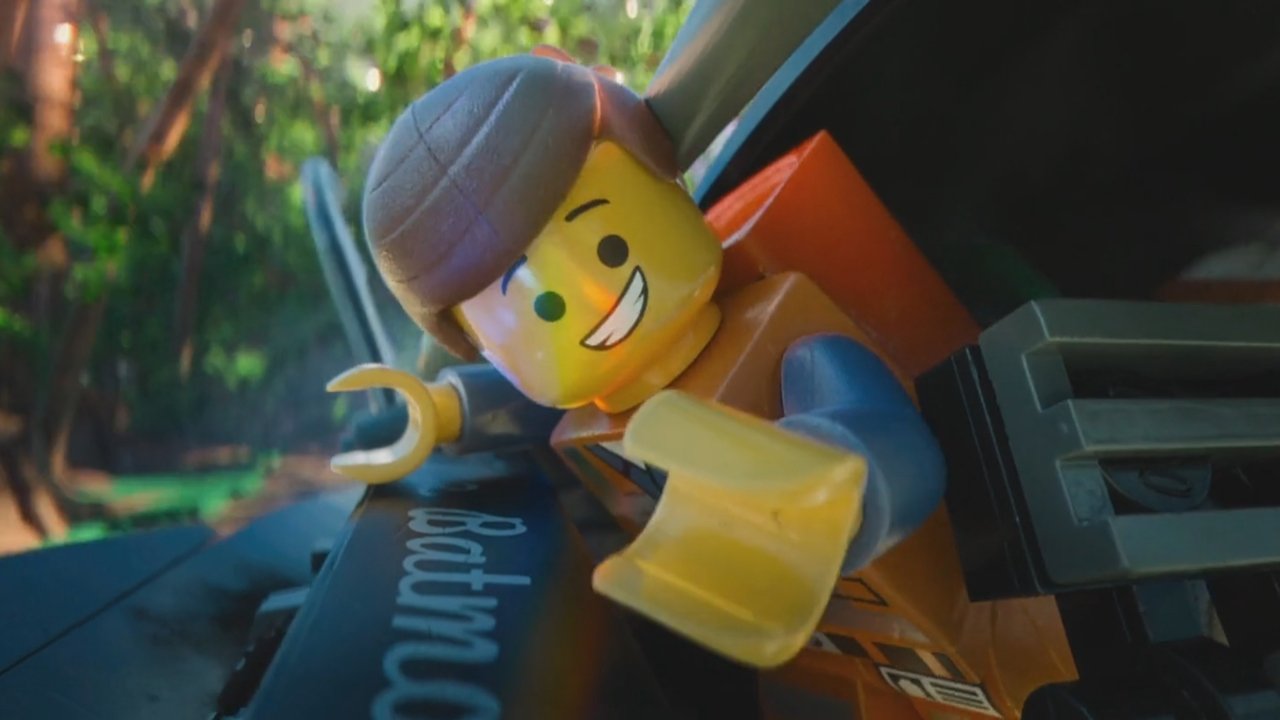
One of the most impressive feats of this era of cinema was the bridge between digital and practical. While the film is almost entirely CGI, it was designed to look like a "brick-film"—those stop-motion shorts hobbyists used to upload to early YouTube. The production team at Animal Logic went to obsessive lengths, even adding digital fingerprints and scratches to the plastic surfaces of the characters to make them look "played with."
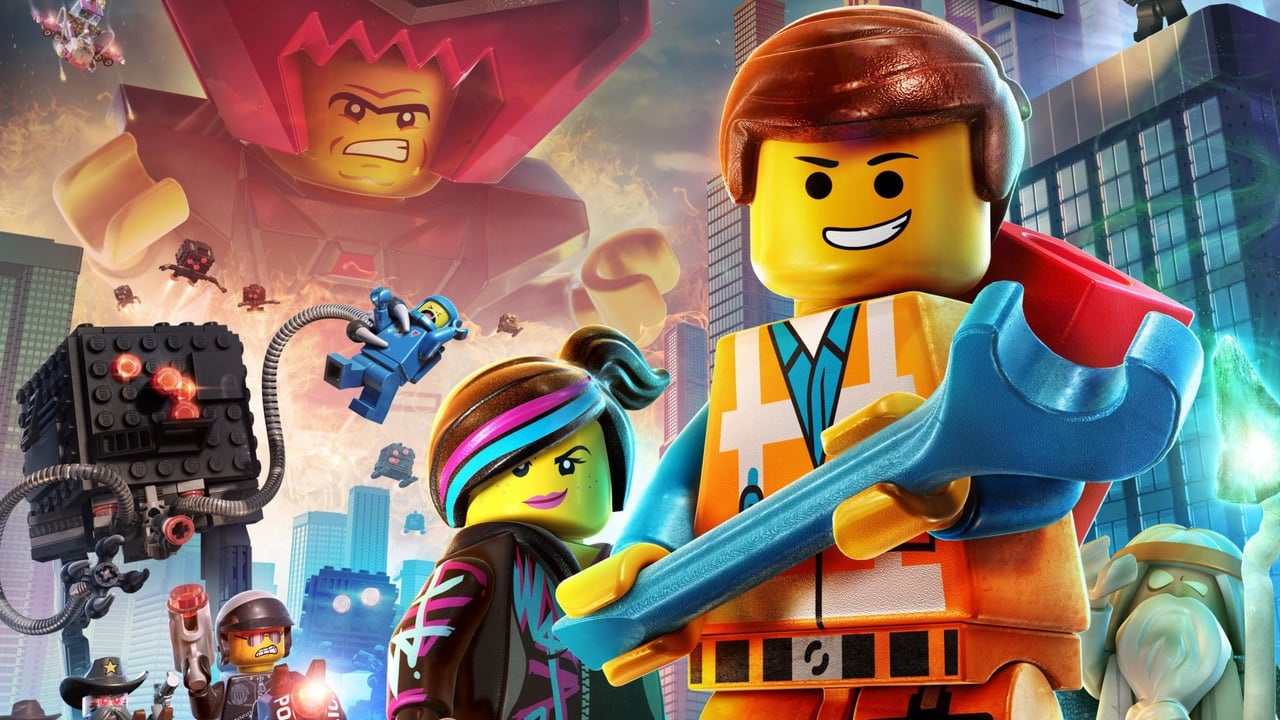
Apparently, the "Everything is a Brick" rule was strictly enforced during production. Every explosion, every drop of water, and every puff of smoke in the film is constructed out of existing Lego pieces. It creates a visual language that feels tactile and grounded, despite the physics-defying action. In an era where CGI was often criticized for feeling "weightless," The Lego Movie felt like you could reach out and grab it. It’s a testament to the $60 million budget being used with surgical precision—a relatively modest sum considering it hauled in over $470 million globally.
Batman, 1980s Space Guys, and Meta-Mayhem
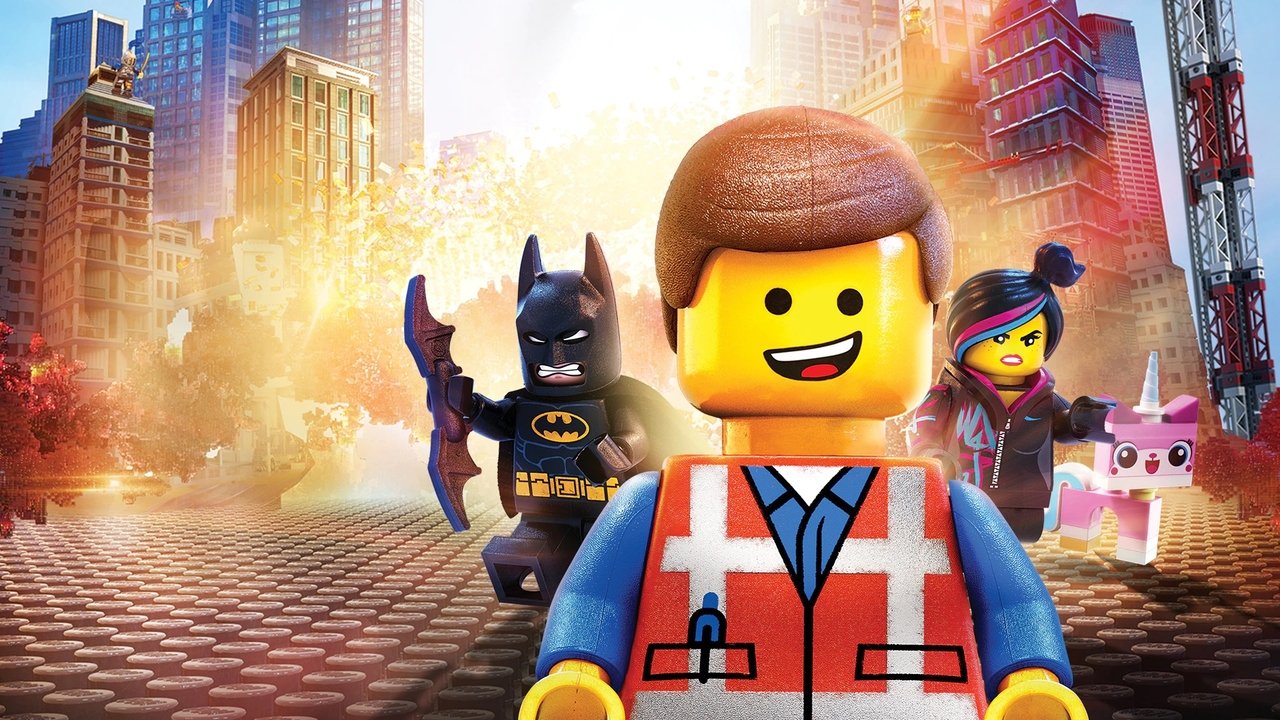
The ensemble cast is a "who’s who" of comedic timing. Elizabeth Banks brings a necessary edge as Wyldstyle, but let’s be honest: Will Arnett as Batman is a self-absorbed goth toddler, and it is arguably the best portrayal of the Caped Crusader since the 90s animated series. His "Darkness, No Parents" song is a cultural artifact that perfectly lampoons the "gritty" reboot era we were living through.
Then there’s the trivia that makes the fan-boy in me grin. Morgan Freeman's Vitruvius is a hilarious send-up of his own "wise old man" persona, but did you know he allegedly got frustrated during recording because he kept hitting his head on the microphone? Or that the "1980-something space guy" Benny, voiced by Charlie Day, features a cracked helmet because that specific Lego piece from the 80s was notorious for breaking in exactly that spot? That’s not just fan service; it’s a deep-dive into the collective childhood trauma of a generation.
The film's "villain," Lord Business, played with manic corporate energy by Will Ferrell, represents the ultimate threat to creativity: the Kragle (a dusty tube of Krazy Glue). It’s here that the movie shifts from a goofy adventure into a meta-narrative about the tension between "Instructions" (adulthood/order) and "Imagination" (childhood/chaos). When the film finally breaks the fourth wall to reveal "The Man Upstairs," it hits an emotional chord that most live-action dramas fail to reach.
The Lego Movie is the rare blockbuster that manages to be a critique of consumerism while being a product of it. It’s fast, relentlessly funny, and visually stunning, proving that Christopher Miller and Phil Lord are the undisputed kings of turning "bad ideas" into cinematic gold. Whether you’re a collector who keeps your sets in pristine boxes or a "MasterBuilder" who throws the instructions away, this film is a vibrant reminder that everyone is special—even the nobodies. It’s a 100-minute shot of pure joy that hasn't lost a bit of its luster.
Keep Exploring...
-
The Lego Movie 2: The Second Part
2019
-

Puss in Boots
2011
-
How to Train Your Dragon 2
2014
-
Horton Hears a Who!
2008
-
Cloudy with a Chance of Meatballs
2009
-
Shrek
2001
-
Shrek 2
2004
-
The Super Mario Bros. Movie
2023
-

The SpongeBob SquarePants Movie
2004
-
Brave
2012
-
The Book of Life
2014
-

Ice Age: Dawn of the Dinosaurs
2009
-

Up
2009
-
Rio
2011
-
Hotel Transylvania
2012
-
Madagascar 3: Europe's Most Wanted
2012
-
The Croods
2013
-
Big Hero 6
2014
-
Hercules
1997
-

The Emperor's New Groove
2000