The Maze Runner
"A claustrophobic, concrete nightmare that trades teenage angst for genuine, bone-chilling survival."
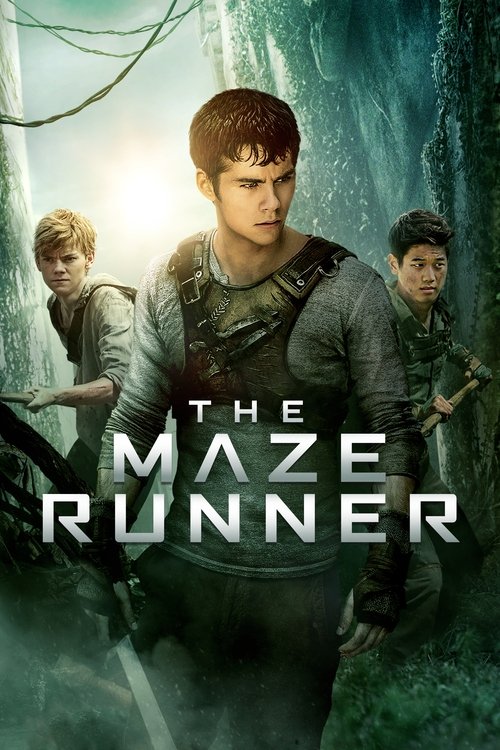
The first thing I noticed wasn't the boy in the center of the frame; it was the sound. A grinding, industrial groan of metal on metal that felt like it was vibrating the floorboards of the theater. I actually remember watching this on a laptop with a cracked screen a few years later, and the crack lined up so perfectly with the shifting Maze walls that I thought it was a deliberate special effect. That’s the vibe of The Maze Runner—it’s jagged, uncomfortable, and surprisingly heavy for a movie marketed to the same crowd that bought Twilight lunchboxes.
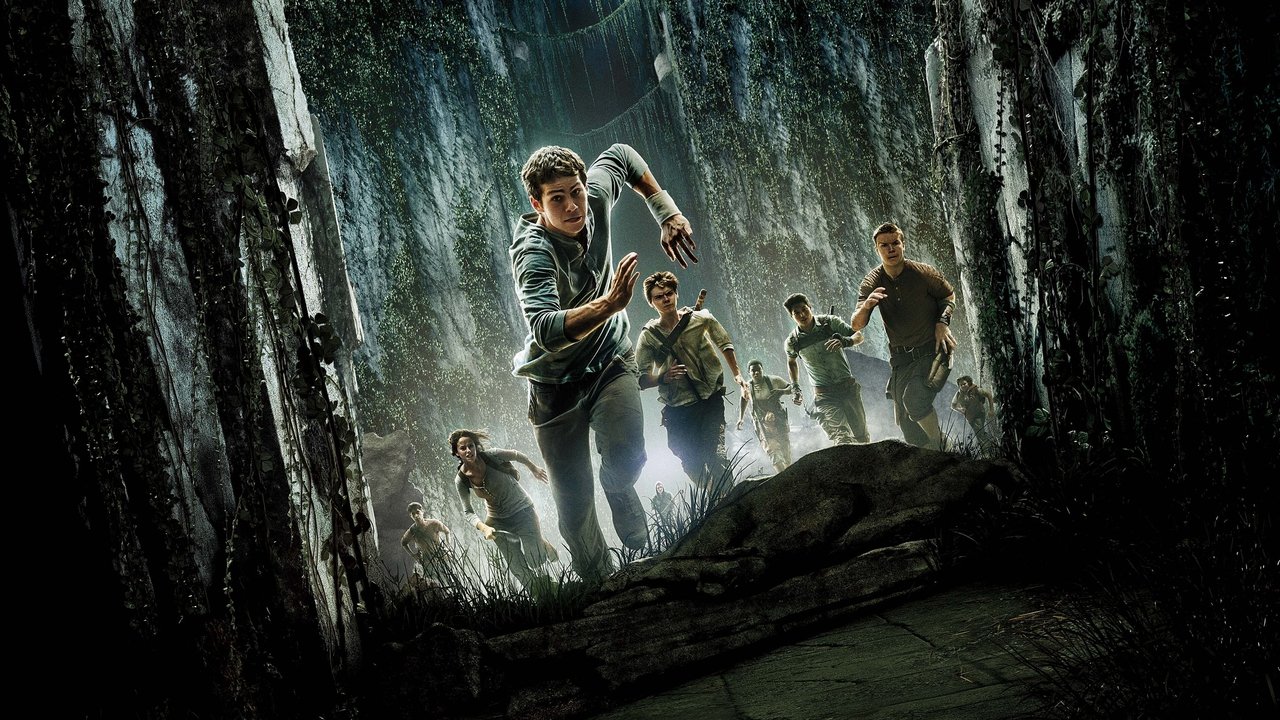
The Box and the Brutalism
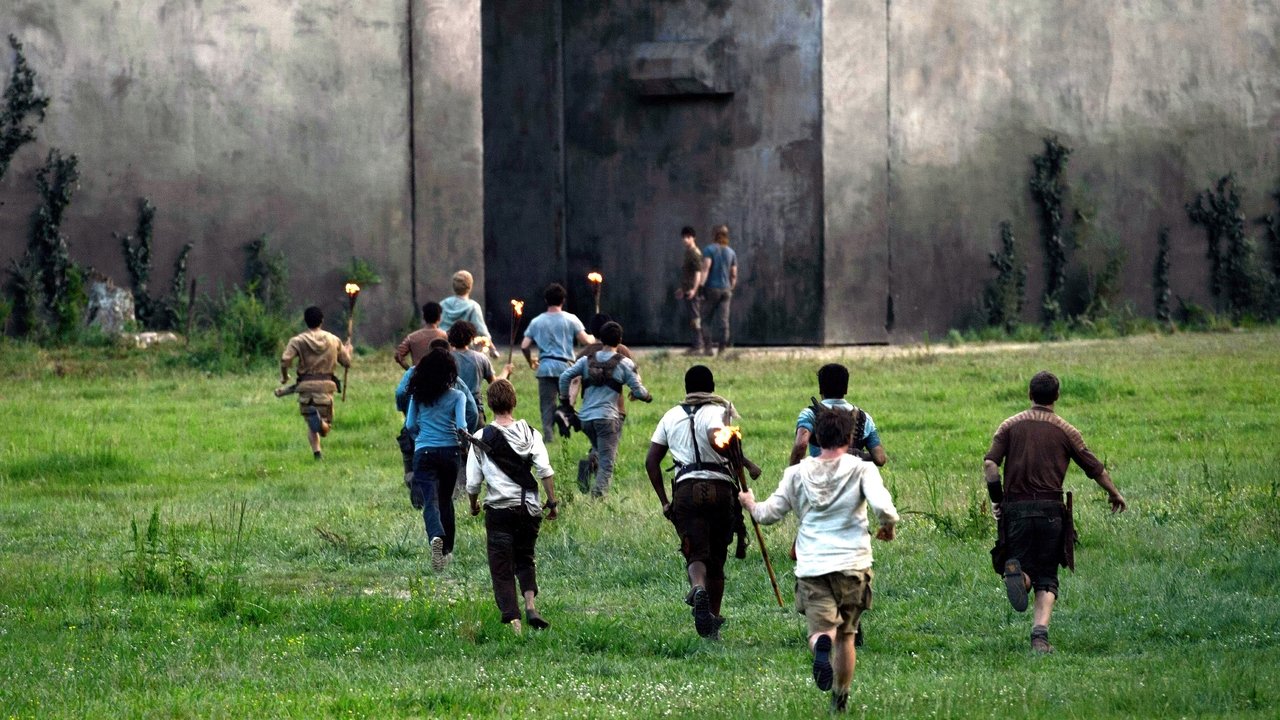
We enter this world exactly like Thomas does: terrified and disoriented in a rising metal cage. When he’s dumped into "The Glade," we aren't given a 20-minute lecture on the political state of the world. Instead, Wes Ball (who transitioned from a VFX background to the director's chair here) shows us a society built on sweat and survival. The Glade is a patch of green surrounded by 100-foot concrete walls that look like they were designed by an architect who only knew the word "imposing."
Looking back at the 2014 landscape, we were drowning in "Young Adult" adaptations. Most of them felt like they were shot through a soft-focus lens with a heavy emphasis on which boy the protagonist would kiss. The Maze Runner felt different. It was dirty. The boys weren't wearing designer rags; they were wearing hemp and grime. There’s a weight to the atmosphere here—an existential dread that feels more like Lord of the Flies than The Hunger Games. The stakes aren't about winning a pageant; they’re about not getting crushed by a thousand tons of shifting masonry.
The Physics of the Run
Action sequences in the early 2010s were often a mess of "shaky-cam" and quick cuts that made me feel like I needed an aspirin. Wes Ball avoids that trap. When Dylan O'Brien (as Thomas) and Ki Hong Lee (as Minho) are sprinting through the Maze, the camera stays wide enough for us to see the geometry of the threat. We understand the scale.
The Grievers—the bio-mechanical nightmare fuel that haunts the Maze—are a fantastic example of the era's CGI evolution. They aren't just digital monsters; they have a terrifying weight and a sound design that blends wet, organic squelches with the whine of hydraulic servos. I found the action here genuinely intense because it relies on physics. When the walls start closing, you don't just see it; you feel the air being displaced. It's the cinematic equivalent of a panic attack in a concrete basement.
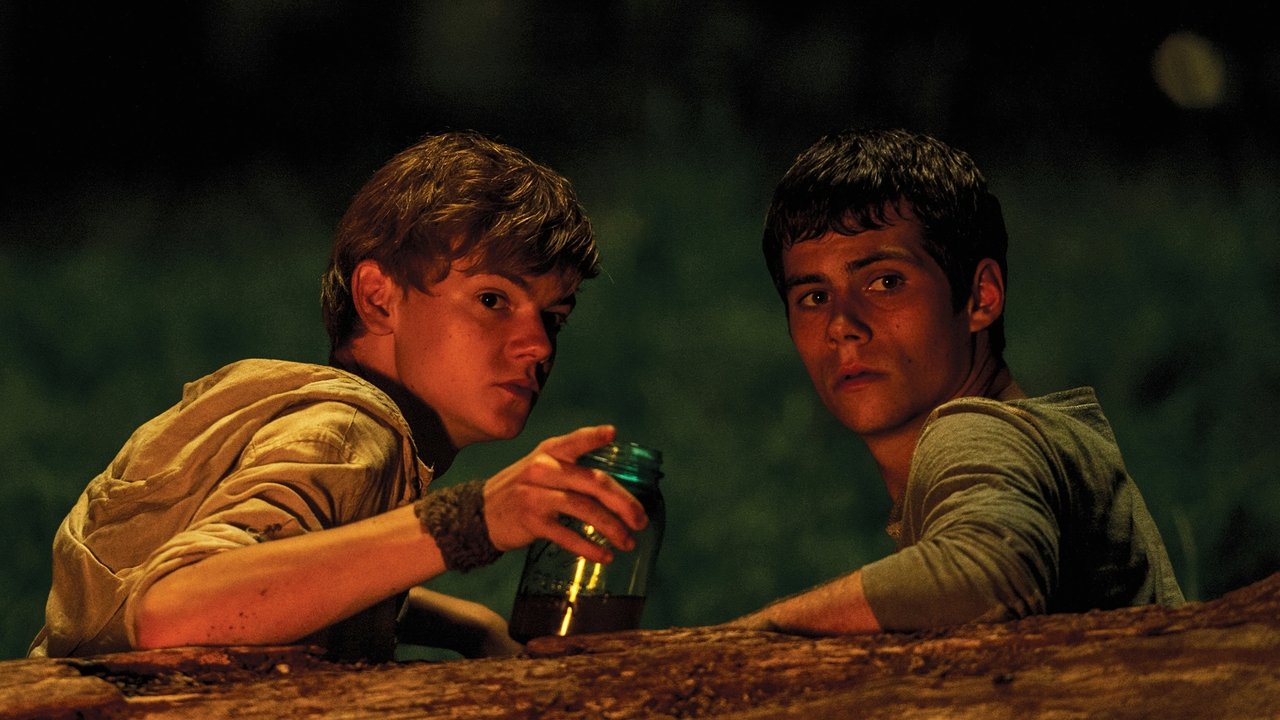
The stunt work is equally physical. The production took place in Louisiana, and apparently, the crew had to hire snake wranglers to remove dozens of venomous snakes from the Glade set before the actors could start running. That "genuine fear" you see on Dylan O'Brien’s face isn't just great acting; it's a guy who knows there might be a water moccasin hiding in the tall grass.
A Society of Lost Boys
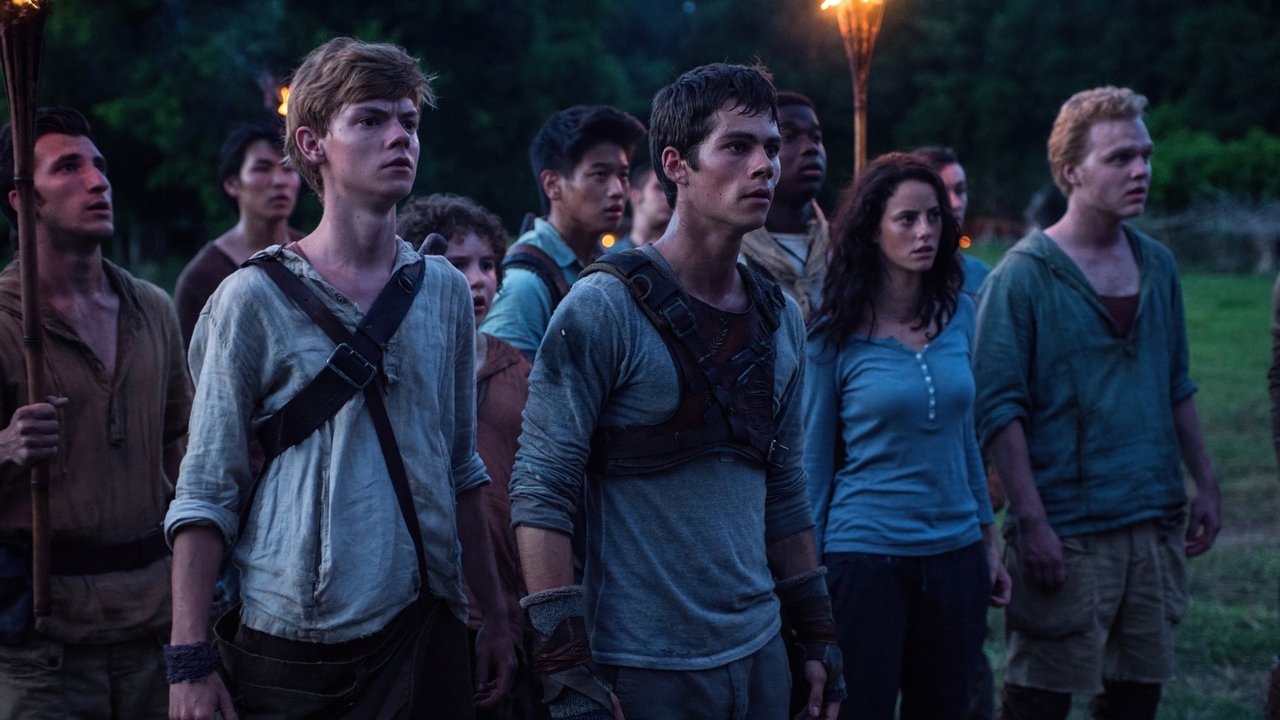
The cast is what really anchors the dark tone. Dylan O'Brien has a frantic, desperate energy that makes Thomas feel like a real teenager in a horrific situation, not a chosen-one archetype. Thomas Brodie-Sangster brings a much-needed soulfulness as Newt, while Aml Ameen provides the stoic leadership of Alby.
But the standout for me is Will Poulter as Gally. Poulter has this incredible face for intensity; he looks like he’s perpetually smelling a very expensive, very bad cheese, and he uses that sneer to perfection here. He isn't a "villain" in the traditional sense; he’s a kid who is terrified of the outside world and clings to the rules because they’re the only thing keeping him sane. His conflict with Thomas gives the film its moral weight—is it better to live safely in a cage or die trying to be free?
Behind the Concrete
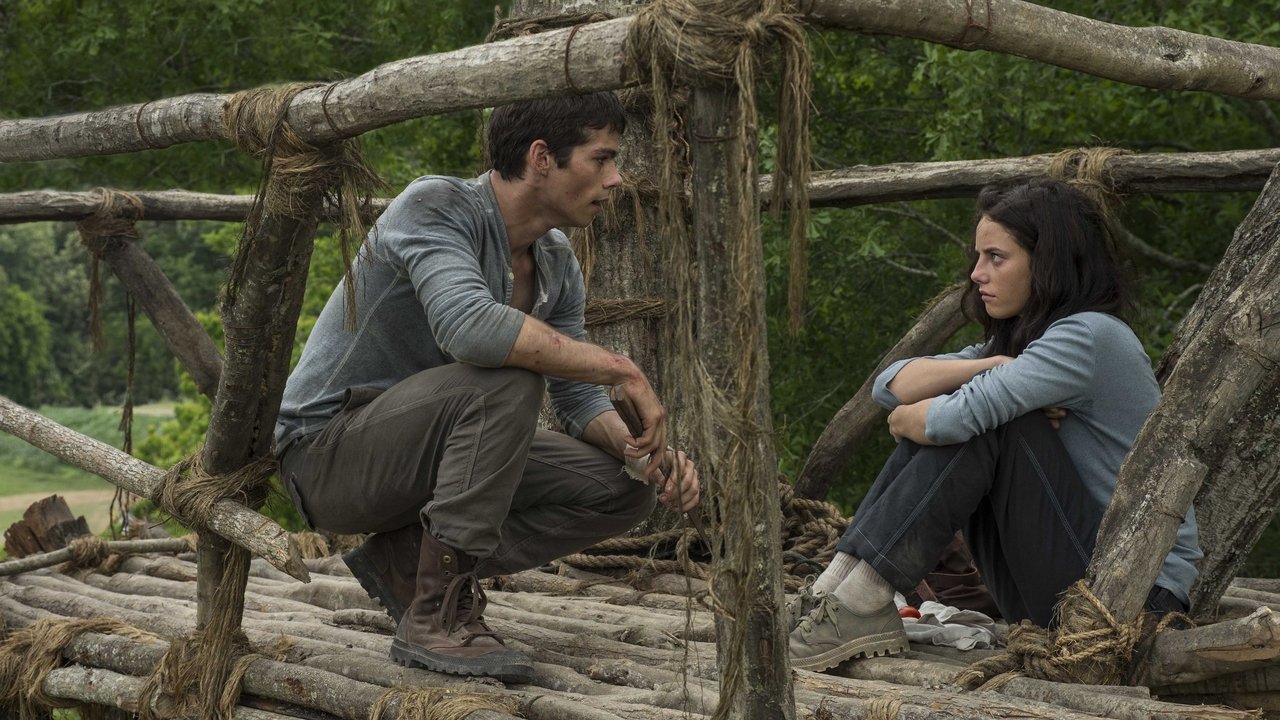
What’s impressive in retrospect is the budget. Wes Ball made this for $34 million, which is pocket change in blockbuster terms. To put that in perspective, the CGI budget for a modern superhero film's third act usually costs three times that. Ball used his VFX expertise to blend practical sets with digital extensions seamlessly. The result is a film that looks more "real" than many of its $200 million peers.
The score by John Paesano also deserves a shout-out. It avoids the hum-drum orchestral swells of most action movies, opting instead for something more percussive and mechanical. It drives the momentum forward, never letting you forget that the clock is ticking and the walls are always moving.
The Maze Runner is a rare breed of YA adaptation that respects its audience's intelligence and their capacity for tension. It foregoes the glitter for grit, delivering a mystery that actually feels worth solving. While the later sequels get bogged down in the complex lore of the "WCKD" organization, this first installment remains a tight, atmospheric, and frighteningly effective survival thriller. It’s a reminder that sometimes, the best way to tell a story is to put a bunch of characters in a box and see who’s fast enough to get out.
Keep Exploring...
-
Maze Runner: The Death Cure
2018
-
Maze Runner: The Scorch Trials
2015
-
Limitless
2011
-

Knowing
2009
-
Rise of the Planet of the Apes
2011
-
Source Code
2011
-

The Hunger Games
2012
-
Dawn of the Planet of the Apes
2014
-
Twelve Monkeys
1995
-
Star Trek: First Contact
1996
-
Pandorum
2009
-
Minority Report
2002
-
The Bourne Identity
2002
-

The Matrix Reloaded
2003
-
The Bourne Ultimatum
2007
-
Predators
2010
-

In Time
2011
-
Unknown
2011
-
Batman: The Dark Knight Returns, Part 1
2012
-

Batman: The Dark Knight Returns, Part 2
2013