The Normal Heart
"The loudest voice in a room of silence."

There’s a specific kind of silence in the first twenty minutes of The Normal Heart that feels heavier than any scream. It’s the silence of a city that hasn't found its voice yet because it hasn't realized it’s already dying. By the time the credits roll, that silence is replaced by a roar so loud it feels like it might crack your screen. I watched this on my laptop while balancing a bowl of lukewarm tomato soup on my knees, which felt appropriately "starving artist NYC" until I spilled a drop on my trackpad and had to pause a particularly heated argument between Mark Ruffalo and Alfred Molina.

Released in 2014, The Normal Heart arrived at a fascinating crossroads in modern cinema. It was the tail end of the "HBO Original Movie" being a genuine monocultural event—before the streaming giants turned every prestige drama into a ten-episode slog. Director Ryan Murphy took Larry Kramer’s seminal, semi-autobiographical 1985 play and did something I didn't think he was capable of at the time: he stayed out of the way. Mostly.
The Uncomfortable Protagonist
At the center of this firestorm is Ned Weeks, played by Mark Ruffalo with a frantic, vibrating energy that suggests he’s about to vibrate right out of his skin. This isn't the cuddly, "science bro" Ruffalo we know from the MCU. This is Ned as Larry Kramer wrote him—and let’s be honest, Ned Weeks is a massive, tactical asshole.
The film's philosophical core asks a question that still feels urgent: How do you demand dignity from a world that wants you to disappear quietly? Ned’s answer is to scream. He screams at his friends, he screams at the mayor’s office, and he screams at his brother, Ben (Alfred Molina), a lawyer who loves Ned but can't quite bring himself to view his brother's life as equal to his own. The drama here isn't just about a virus; it’s about the friction between incremental progress and radical demands. Looking back from a post-marriage-equality world, it’s a jarring reminder that politeness has never been a particularly effective tool for survival.
The Weight of the Body
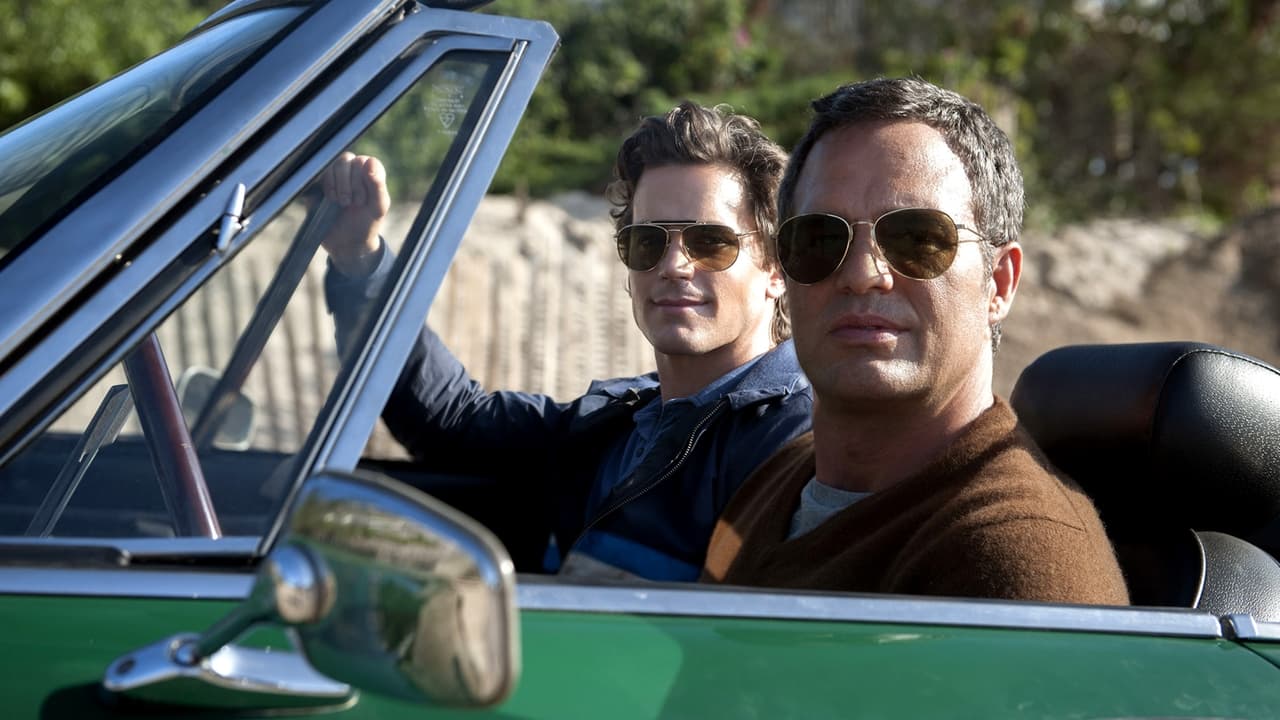
While Ruffalo provides the volume, Matt Bomer provides the soul. As Felix Turner, the New York Times fashion reporter who becomes Ned’s lover, Bomer undergoes a physical transformation that is genuinely difficult to watch. In the DVD era, we used to get these behind-the-scenes featurettes documenting an actor’s weight loss, but seeing it in the high-definition clarity of the 2010s feels different—more invasive, more haunting.

There’s a scene where Felix tries to hide his "purple spots" (Kaposi's sarcoma) with makeup, and the vanity of the act is more heartbreaking than the lesions themselves. It’s a performance of immense grace, and it balances Ned’s abrasiveness perfectly. Then you have Julia Roberts as Dr. Emma Brookner, a polio survivor in a wheelchair who is the only medical professional taking the "gay cancer" seriously. Roberts spends the whole movie behind a desk or in a chair, stripped of her "America’s Sweetheart" glow, delivering monologues that land like bricks through a window.
A Time Capsule of Anger
The film serves as a bridge between eras. It was shot on digital but painstakingly recreates the grainy, sweaty, pre-gentrified New York of 1981. It captures that transition point where the sexual revolution of the 70s hit the brick wall of the Reagan era. I found myself particularly moved by Jim Parsons, playing Tommy Boatwright. There’s a quiet, recurring motif where Tommy removes the Rolodex cards of his friends who have died. It’s the most devastating use of office supplies in cinematic history.
Interestingly, the film was in development hell for decades. Barbra Streisand famously owned the rights for years and couldn't get it made because, throughout the 90s and early 2000s, studios were terrified of the "unlikability" of the lead character. It took the 2014 cultural climate—and the creative freedom afforded by HBO—to finally let this story be as loud and as rude as it needed to be. Ryan Murphy’s tendency toward melodrama actually works here; when the world is ending, being "too much" is the only rational response.
The Philosophy of the Fight
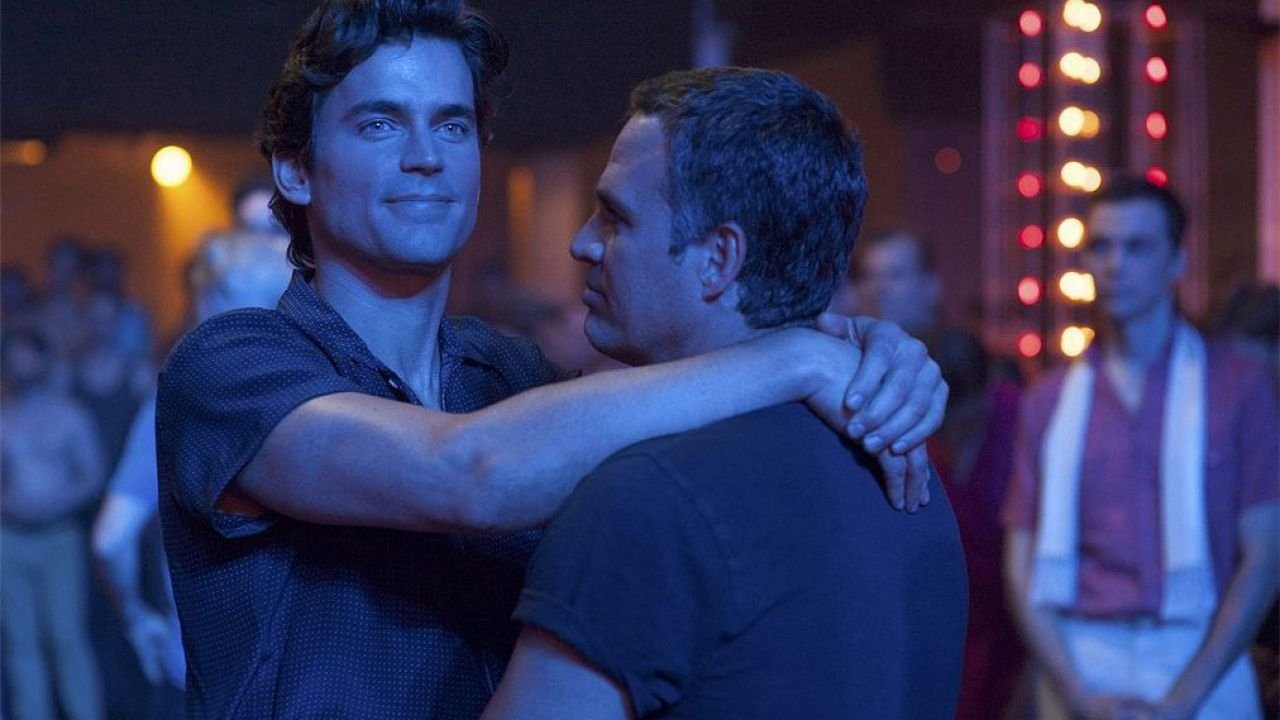
Beneath the medical horror and the political stalling, The Normal Heart is really about the burden of being right when everyone else wants to be comfortable. Taylor Kitsch gives a career-best performance as Bruce Niles, the "closeted" leader of the Gay Men's Health Crisis who wants to play by the rules. The conflict between Bruce’s caution and Ned’s rage is the film’s intellectual engine. Is it better to be a "good citizen" and die waiting for a seat at the table, or a "bad gay" who forces the door open?
Watching this now, it doesn't feel like a period piece. It feels like a warning. It reminds me that progress isn't a straight line; it’s a tug-of-war where the other side never lets go of the rope. It’s a film that demands you feel something—anger, grief, or ideally, both.
The Normal Heart isn't an easy Saturday night watch, but it’s a vital one. It captures a moment in time when the act of simply staying alive was a political statement. The performances are towering, the script is razor-sharp, and while it might leave you emotionally exhausted, it also leaves you with a profound respect for the people who refused to die quietly. It’s a masterpiece of the "prestige TV movie" era that earns every single one of its tears.

Keep Exploring...
-

Evangelion: 2.0 You Can (Not) Advance
2009
-

My Name Is Khan
2010
-

A Separation
2011
-
Detachment
2011
-

From Up on Poppy Hill
2011
-

Amour
2012
-

Laurence Anyways
2012
-
The Broken Circle Breakdown
2012
-

Instructions Not Included
2013
-
Nebraska
2013
-

The Tale of The Princess Kaguya
2013
-
The Way He Looks
2014
-

When Marnie Was There
2014
-
Malcolm X
1992
-
My Cousin Vinny
1992
-

In the Name of the Father
1993
-

Three Colors: Blue
1993
-

Three Colors: Red
1994
-

A Little Princess
1995
-

Neon Genesis Evangelion: The End of Evangelion
1997