The Other Woman
"Hell hath no fury like three women with a shared calendar."
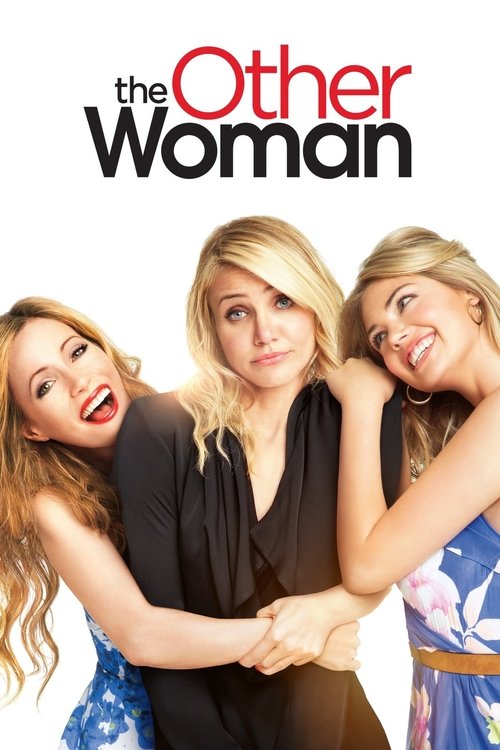
The mid-2010s marked a peculiar sunset for the high-gloss, star-driven studio comedy. Before every funny movie was relegated to a streaming tile or bloated into an action-hybrid, we had films like The Other Woman. It arrived at the tail end of an era where you could still bank nearly $200 million globally on the back of a high-concept premise and three recognizable faces. Looking back, it feels like a glossy time capsule of Hamptons-chic aesthetics and "girl squad" energy that was very much the currency of 2014.

I have a very specific memory of watching this for the first time while nursing a mild case of food poisoning from a questionable airport tuna melt; surprisingly, the movie’s breezy, chaotic energy was exactly the medicine I needed. It doesn’t ask for much, but it gives plenty in return if you’re in the mood for some brightly lit, vengeful slapstick.
The Physics of a Meltdown
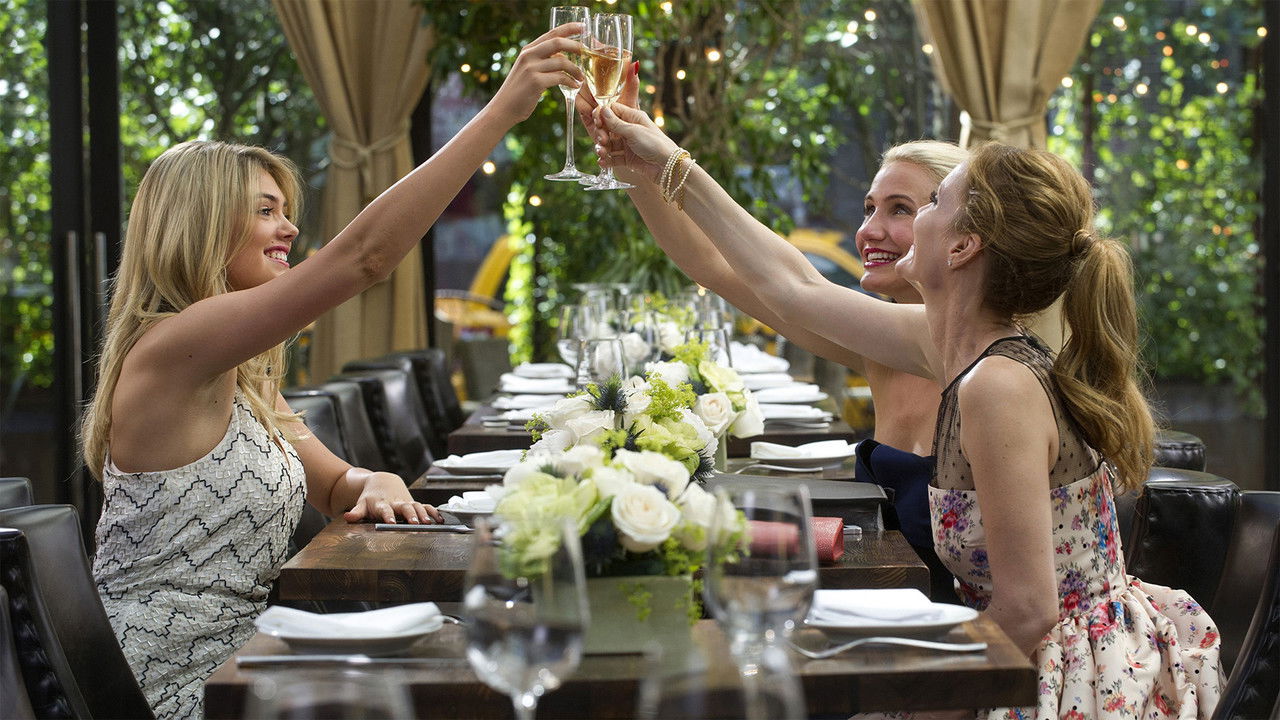
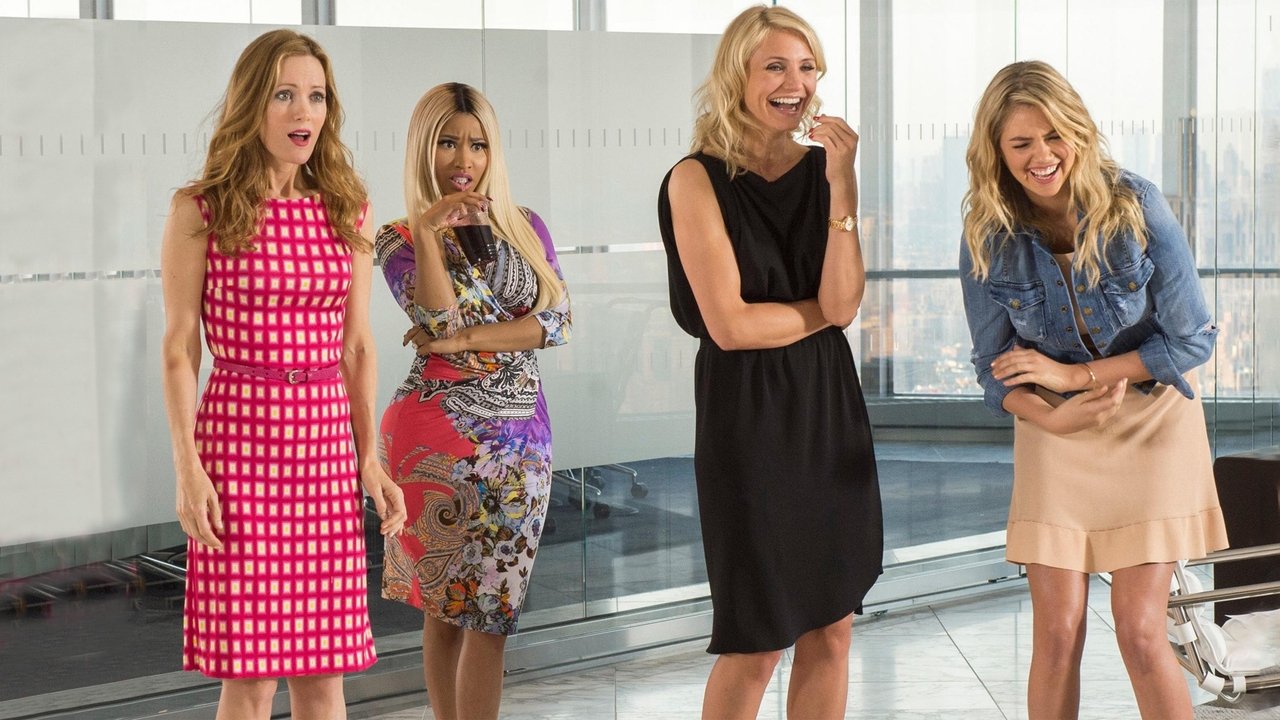
The premise is a classic farce setup: Carly (Cameron Diaz), a high-powered attorney, discovers her perfect boyfriend Mark (Nikolaj Coster-Waldau) is actually married to Kate (Leslie Mann). Instead of a catfight, we get a breakdown. When they eventually discover a third woman, Amber (Kate Upton), the trio forms an unlikely alliance to dismantle Mark’s life.
While the script by Melissa K. Stack follows a fairly predictable "revenge" arc—laxatives in drinks, hair removal cream in shampoo—the film's engine is entirely fueled by its lead performances. This was Cameron Diaz's penultimate film role before her decade-long hiatus from acting, and it reminds me why she was the undisputed queen of the genre for so long. She plays the "straight woman" here with a sharp, cynical edge that balances the movie’s more absurd impulses.
However, the undisputed MVP is Leslie Mann. If comedy is rhythm, Mann is playing a frantic, improvised jazz solo. Her character is a woman whose entire identity is tethered to her marriage, and watching her unravel is both heartbreaking and hysterical. She has this way of squeaking her lines and using her entire body to convey a nervous breakdown that feels genuinely unique. She is essentially a human Golden Retriever having a mid-life crisis, and her chemistry with Diaz—the frosty professional vs. the manic housewife—is the only reason the movie survives its 109-minute runtime.
Sleaze, Slapstick, and Staggering ROI
It’s easy to dismiss these "formula" comedies, but the industry impact of The Other Woman was massive. Produced for a relatively modest $40 million, it raked in over $196 million. In today’s market, that’s a superhero-level return on investment. It proved that there was a massive, underserved audience for female-led comedies that didn’t rely on a wedding or a "finding a man" plotline as the endgame.
Behind the scenes, the film drew on some heavy hitters. Nick Cassavetes is an odd choice for director—this is the man who gave us the tear-soaked The Notebook and the gritty Alpha Dog. You can see his touch in the way he allows the scenes to breathe, giving the actresses room to improvise. Apparently, the scene where Kate and Carly are spying on Mark while hiding in the bushes was largely ad-libbed, with Mann and Diaz genuinely trying to make each other crack.
We also get the film debut of Nicki Minaj, playing Carly’s assistant, Lydia. While she’s mostly there to provide sassy one-liners and an incredible wardrobe, her presence signaled the film's intent to be a "cultural moment." Then there’s Nikolaj Coster-Waldau, who was then at the height of his Game of Thrones fame. It is genuinely jarring, yet satisfying, to see Jaime Lannister humiliated by a Great Dane and a pair of spanx. It’s basically the most embarrassing alternate timeline for a Kingslayer.
A Glossy Retrospective
Visually, the film is a masterclass in the "High-Key" aesthetic of the 2010s. The cinematography by Robert Fraisse makes everything look like a high-end fashion magazine, which makes sense given that the costume designer was Patricia Field of Sex and the City fame. Every outfit is a statement, especially for Kate Upton, who is tasked with playing the "Mid-20s Fantasy" archetype. While Upton doesn't have the comedic chops of her co-stars, she leans into the "lovable airhead" trope with enough charm to make the trio work.
What hasn't aged quite as well is the third act, which leans a bit too heavily into the "gross-out" humor that was popular in the wake of Bridesmaids. The physical humiliation of Mark goes from funny to cartoonish in a way that breaks the reality of the film. Yet, there’s a certain charm in how the movie values the friendship between the women over the romantic resolution. In the end, it’s not about finding a new guy; it’s about the fact that these three women, who should hate each other, found a weird, dysfunctional family.
The Other Woman isn't aiming for the Criterion Collection, and that’s perfectly fine. It’s a loud, stylish, and frequently funny romp that benefits immensely from Leslie Mann’s comedic genius and the sheer star power of Cameron Diaz. It serves as a reminder of a time when the "Summer Comedy" was a staple of the theatrical experience. If you’re looking for a breezy evening of cathartic revenge and Hamptons real estate porn, this still hits the spot.
Keep Exploring...
-

There's Something About Mary
1998
-
What Happens in Vegas
2008
-

17 Again
2009
-
Bride Wars
2009
-

Hannah Montana: The Movie
2009
-
He's Just Not That Into You
2009
-
The Proposal
2009
-

The Ugly Truth
2009
-
Love & Other Drugs
2010
-

The Bounty Hunter
2010
-
Bridesmaids
2011
-
Friends with Benefits
2011
-
No Strings Attached
2011
-
Pitch Perfect
2012
-
Silver Linings Playbook
2012
-

Warm Bodies
2013
-

Blended
2014
-
The 40 Year Old Virgin
2005
-
Knocked Up
2007
-
My Sister's Keeper
2009