The Purge: Anarchy
"Survival isn't a right; it's a target."
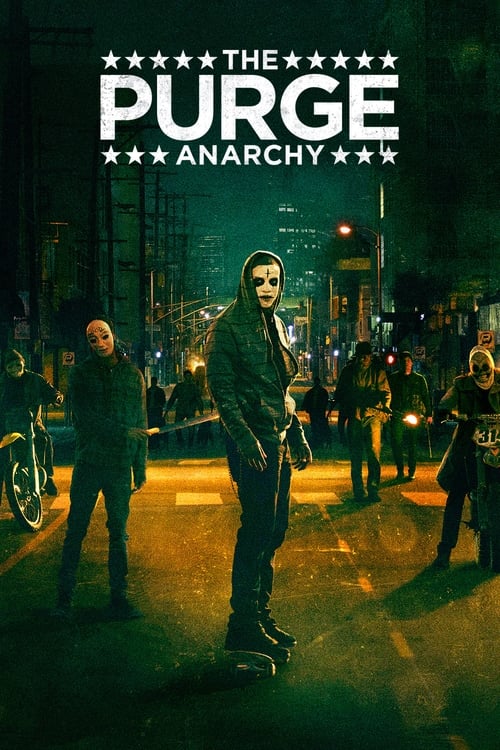
I remember walking out of the first Purge movie in 2013 feeling like I’d been sold a Ferrari but only allowed to drive it in a school zone. The concept was massive—nationalized lawlessness!—yet the execution was a standard, claustrophobic home invasion flick. It felt small. When The Purge: Anarchy arrived a year later, I watched it on a Tuesday night while procrastinating on a particularly annoying plumbing bill, and honestly, the sight of a government-sanctioned murder spree made my leaky faucet seem much more manageable.
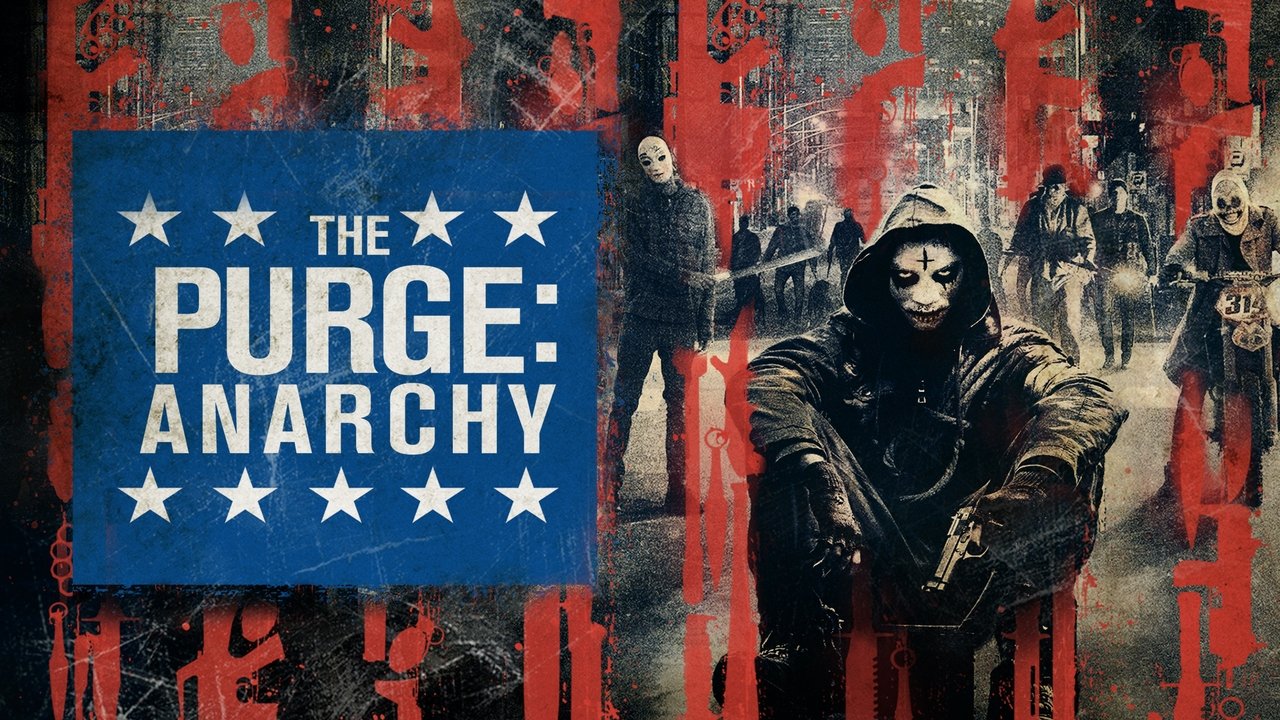
This is the movie the first one should have been. It’s the moment writer-director James DeMonaco realized that if you’re going to give the audience a world where all crime is legal, you have to actually show us the world. By moving the action from a sterile suburban mansion to the grimy, neon-streaked streets of Los Angeles, Anarchy transforms a gimmicky horror premise into a high-stakes urban survival thriller that feels like the spiritual love child of John Carpenter and Walter Hill.
The Punisher We Deserved
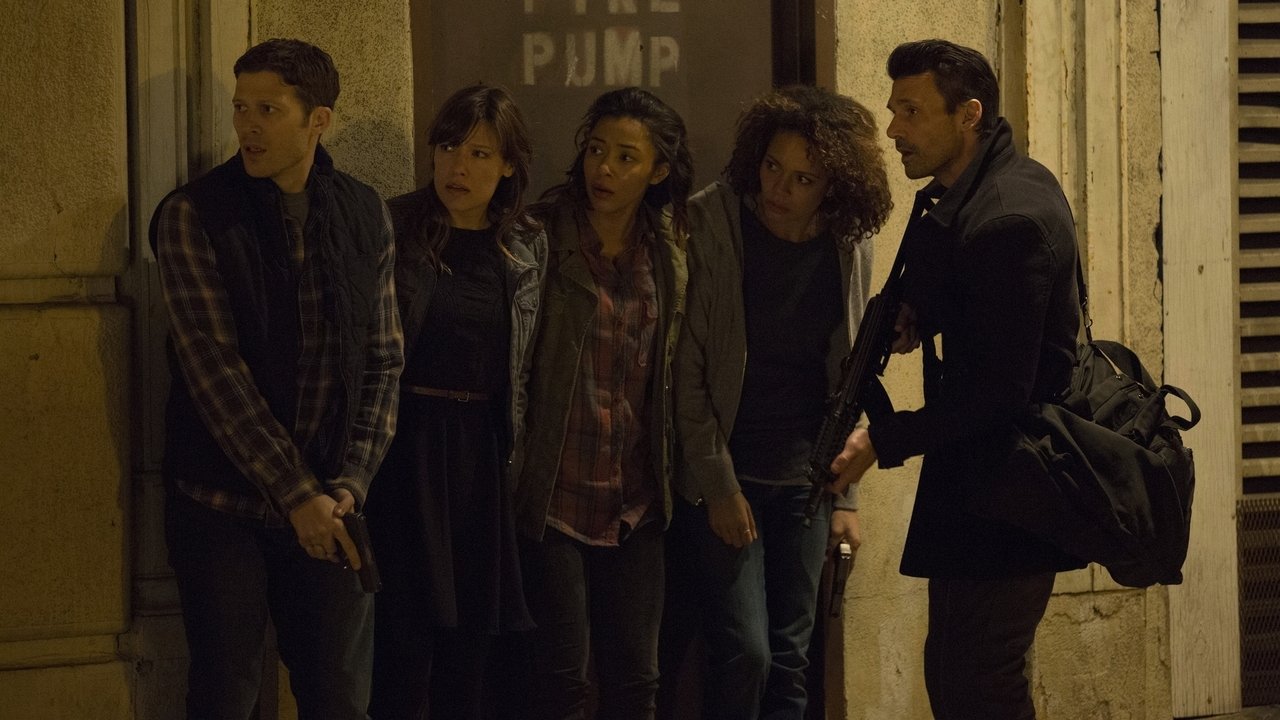
The secret weapon here isn't the concept, though; it’s Frank Grillo. Playing a character credited only as "Sergeant," Grillo channels a 1970s-era grit that was largely missing from 2014 cinema. He’s a man on a mission of vengeance, armed to the teeth and driving a reinforced car, who inadvertently becomes the babysitter for two groups of much less prepared citizens: a stranded couple (Zach Gilford and Kiele Sanchez) and a mother-daughter duo (Carmen Ejogo and Zoë Soul).
Grillo is doing a full-blown Snake Plissken audition here, and frankly, he nails it. He brings a physical weight to the role that makes the stakes feel real. You believe he can survive the night, but you’re never quite sure if he wants to. His reluctance to help the others provides the film’s moral compass, turning a potentially mindless gore-fest into a story about the agonizing choice between personal catharsis and basic human decency. Watching him navigate the chaos makes you realize that the only thing scarier than a man with a gun is a man with a gun and a plan.
A Slasher with a Political Pulse
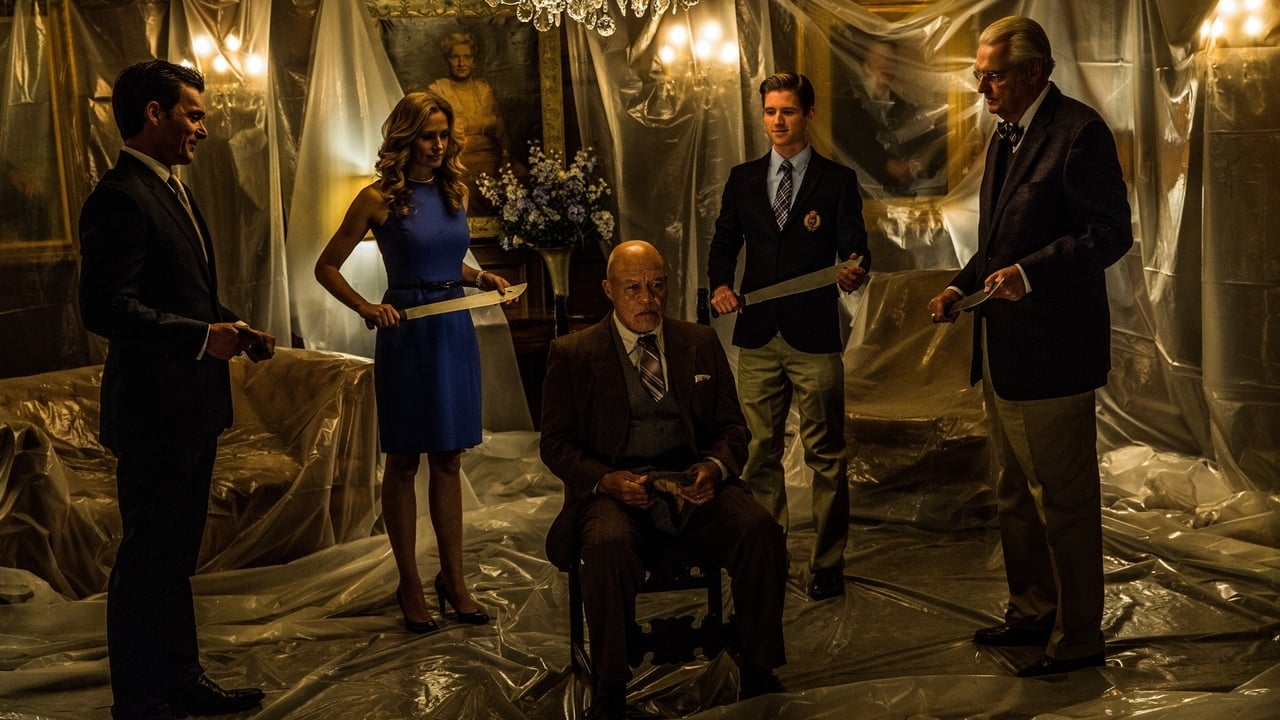
While the first film hinted at the class dynamics of the Purge, Anarchy shouts them through a megaphone. This is where the franchise found its voice as a satirical funhouse mirror of American anxieties. We see the "New Founding Fathers of America" (NFFA) for what they are—not just religious zealots, but corporate ghouls using the night to "thin the herd" of the poor and uninsured.
The horror mechanics here shift from jump scares to a persistent, grinding dread. There’s a sequence involving a high-end auction where the wealthy bid on the right to hunt "lower-class" citizens in a manicured indoor forest. It’s unsubtle, sure, but in the post-Occupy Wall Street landscape of 2014, it hit like a sledgehammer. Michael Kenneth Williams (forever our Omar from The Wire) pops up as a revolutionary leader, Carmelo, adding a layer of militant resistance that gives the world-building some much-needed teeth. It moved the needle from "scary movie" to "cautionary tale," even if that tale is being told with a $9 million budget and a lot of muzzle flashes.
The Low-Budget Blockbuster Blueprint
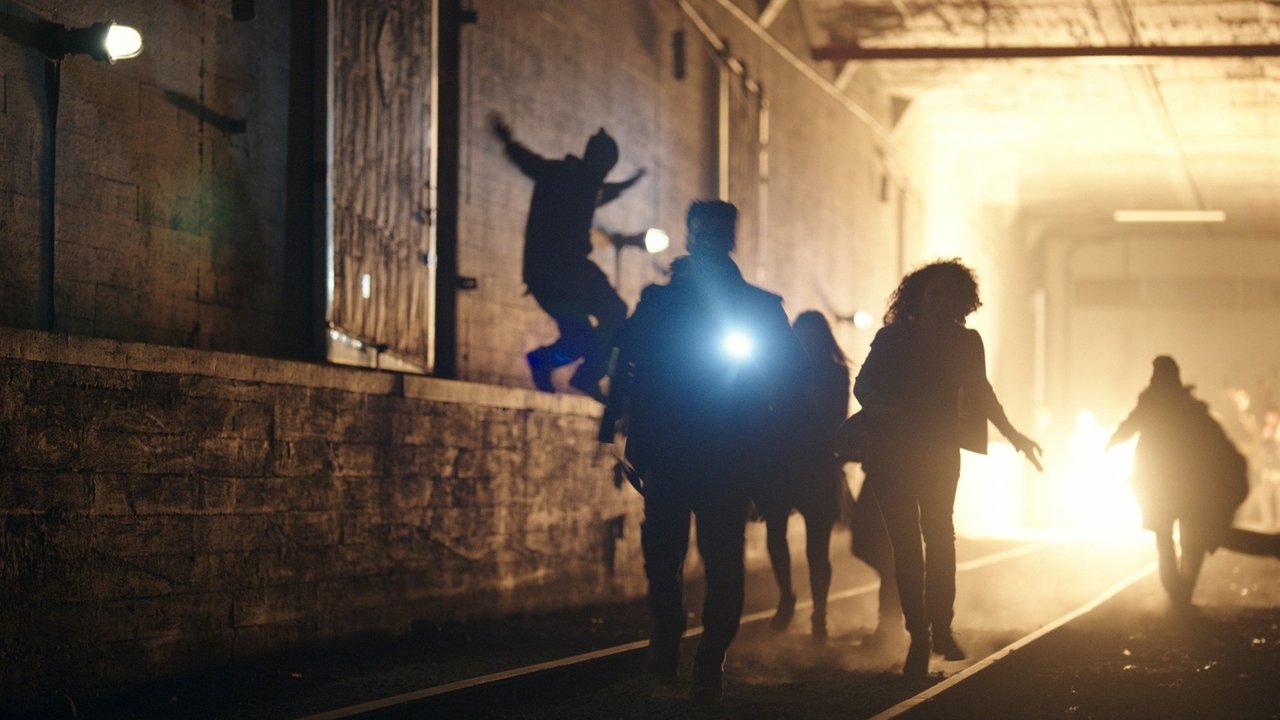
Looking back, The Purge: Anarchy is a masterclass in the Blumhouse production model. Produced for a lean $9 million, it looks and feels like it cost five times that. This was right in the middle of that era where digital cinematography was finally losing its "cheap" sheen and starting to capture night scenes with a crisp, terrifying clarity. The way cinematographer Jacques Jouffret uses the orange glow of streetlights and the harsh shadows of alleyways creates an atmosphere that feels like a fever dream.
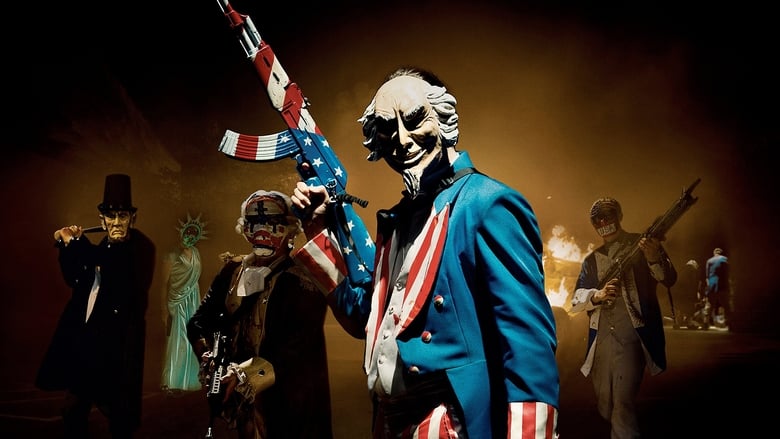
The film's commercial success was staggering, pulling in over $111 million worldwide. It proved that audiences weren't just interested in the "what if" of the Purge; they were invested in the "how." It launched a legitimate franchise that survived for years across sequels and a TV show. The masks, specifically the "God" mask worn by one of the lead hunters, became instant Halloween staples, cementing the film's place in the visual lexicon of 2010s horror. It’s a rare sequel that doesn't just repeat the original, but fundamentally understands why the original didn't quite work and fixes the engine while driving at 90 miles per hour.
The Purge: Anarchy is the definitive entry in the series because it embraces the beautiful absurdity of its premise. It trades the cheap jump scares of its predecessor for a relentless, "Escape from New York" energy that keeps your heart rate elevated for the full 103 minutes. It’s not a "masterpiece" of high cinema, but it is an exceptionally effective piece of pulp storytelling. If you’re looking for a film that captures the specific, paranoid energy of the early 2010s while delivering some of the most satisfying "anti-hero" action of the decade, this is your stop. Just make sure your doors are locked before the sirens start.

Keep Exploring...
-
The Purge
2013
-
The Purge: Election Year
2016
-
The First Purge
2018
-
The Forever Purge
2021
-
Insidious: Chapter 2
2013
-
The Conjuring
2013
-
The Collector
2009
-
Insidious
2011
-
The Woman in Black
2012
-
As Above, So Below
2014
-
I Know What You Did Last Summer
1997
-
The Cell
2000
-
The Others
2001
-
Gothika
2003
-
The Grudge
2004
-
The Exorcism of Emily Rose
2005
-
Saw III
2006
-

The Omen
2006
-
Saw IV
2007
-

Saw V
2008