The Rich, the Pauper and the Butler
"High finance, low dignity, and three-way Italian chaos."
There’s a specific kind of comfort in watching three middle-aged Italian men scream at each other inside a cramped Fiat. If you grew up in the late 90s or early 2000s, the comedic trio of Aldo, Giovanni, and Giacomo were essentially the architects of the Italian funny bone—a Mediterranean blend of the Three Stooges’ slapstick and the Marx Brothers’ verbal gymnastics. By the time 2014’s The Rich, the Pauper and the Butler (or Il ricco, il povero e il maggiordomo) rolled around, the trio was transitioning into their "elder statesmen" phase. I watched this on a laptop balanced precariously on a pile of unfolded laundry while my radiator made a sound like a dying tractor, and honestly, the domestic chaos only enhanced the experience.
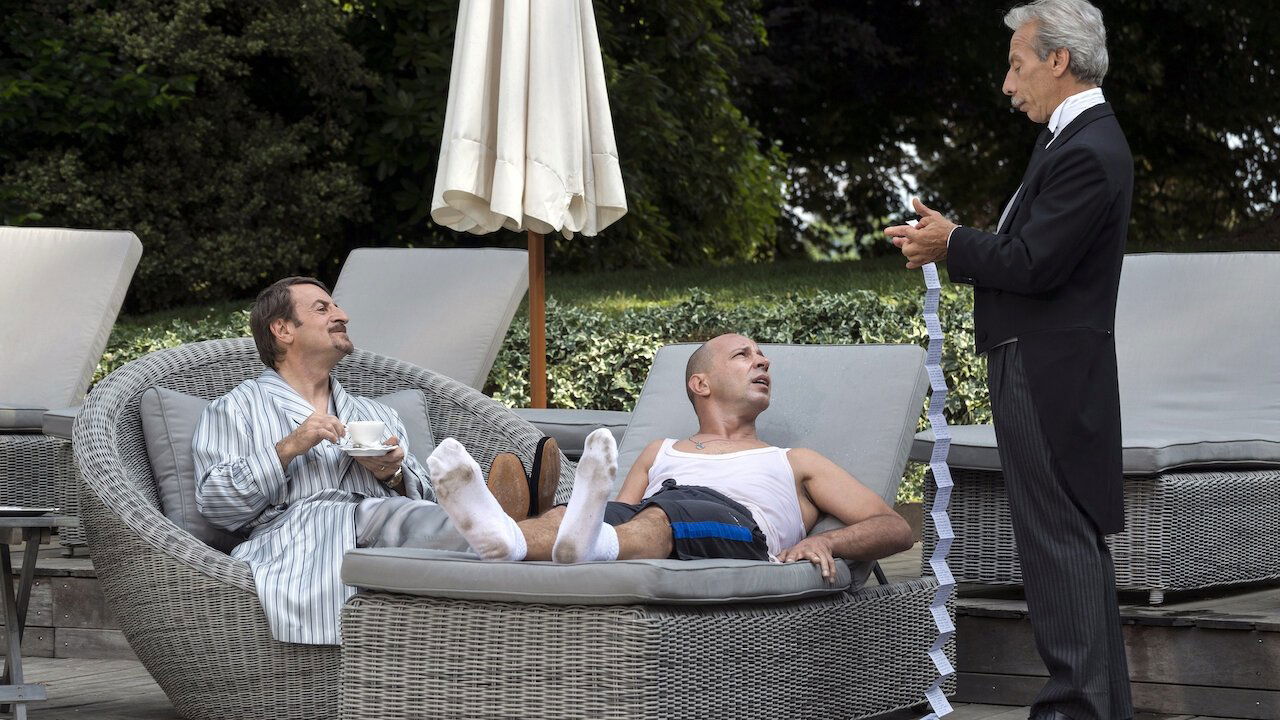
The Chemistry of a Crashing Market
The film operates on a classic "clash of worlds" premise that feels very much like a response to the post-2008 financial anxieties that lingered well into the mid-2010s. Giacomo Poretti plays a high-flying, ego-driven broker whose life is defined by minimalist offices and a "Saracen" hedge fund that sounds as unstable as it eventually proves to be. Giovanni Storti is his hyper-efficient, long-suffering butler, a man who lives by the clock and the crispness of a shirt collar. Then there’s Aldo Baglio, a street vendor and aspiring football coach for a ragtag group of kids, who represents the chaotic, "pauper" heart of the story.
What strikes me looking back is how much the "Modern Cinema" era (1990–2014) relied on these established comedic personas. By 2014, we were moving into a world of big-budget, high-concept digital comedies, but this film feels like a holdover from a time when the funniest thing on screen was just three guys who have been arguing for thirty years. The chemistry is effortless. When Giacomo loses everything and the three are forced to coexist in the cramped home of Aldo’s mother, the film finds its rhythm. It’s not just about the loss of money; it’s about the loss of the identity that money buys.
Slapstick in the Age of Austerity
The humor here is a mix of the trio’s signature styles. You have the verbal sparring—Giacomo’s condescending snobbery vs. Aldo’s malapropisms—and the high-energy physical comedy that made them famous. There’s a scene involving an attempt to jump over a wall that feels like it was ripped straight out of their 1997 classic Tre uomini e una gamba, reminding me that while the actors have aged, their willingness to throw their bodies at a joke like crash-test dummies remains intact.
However, the film also leans into the "dramedy" trend of the 2010s. It wants you to care about the romance between Aldo and Dolores (Guadalupe Lancho) and the redemption of the arrogant Giacomo. It’s basically 'Trading Places' if Eddie Murphy was three different people and everyone was obsessed with panettone. While the sentimental beats occasionally slow down the joke-per-minute ratio, the supporting cast keeps the energy up. Giuliana Lojodice, playing Aldo’s mother Calcedonia, is a secret weapon. Her deadpan delivery and refusal to be intimidated by Giacomo’s former wealth provide some of the film’s sharpest laughs. She treats a billionaire exactly like a neighborhood nuisance, which is a trope I will never tire of.
A Forgotten Piece of a Legacy
In the grand timeline of Aldo, Giovanni, and Giacomo, this film often gets lost behind their early-career masterpieces. It arrived at a time when the Italian box office was beginning to favor more cynical, fast-paced comedies, or the "cinepanettone" holiday films. This movie is gentler. It’s a bit of a "comfort watch" discovery for those who might have missed it during its original run. It’s also a fascinating time capsule of 2014—the fashion, the technology (the BlackBerry-esque obsession), and the specific way we told stories about the "1%" right before the social media era completely changed how we view wealth.
Interestingly, this was a massive hit in Italy but barely made a ripple internationally. It’s one of those films that suffered from "cultural translation" issues; the specific banter and regional archetypes don't always survive the subtitle process. But comedy is a universal language, especially when it involves someone accidentally setting something on fire or falling into a pool. The trio directed this themselves (alongside Morgan Bertacca), and that creative control is evident. It feels personal, even when it’s silly. They weren't trying to reinvent the wheel; they were just trying to see how many people they could fit on the bike before it tipped over.
The Rich, the Pauper and the Butler won’t change your life, but it might remind you that most problems can be solved with a bit of humility and a very loud argument. It captures a specific moment in the trio's career where they were reflecting on what "success" actually looks like in a world where bank accounts can vanish overnight. If you’re looking for a lighthearted "rediscovery" from the tail end of the modern era, this is a solid, sunny choice. It’s a reminder that even when the market crashes, the comedy remains a safe investment.
Keep Exploring...
-
The Legend of Al, John and Jack
2002
-

The Santa Claus Gang
2010
-
That's Life
1998
-
Ask Me If I'm Happy
2000
-

Three Men and a Leg
1997
-
Have You Met Claudia?
2004
-
Cado dalle nubi
2009
-
What a Beautiful Day
2011
-
Welcome to the North
2012
-
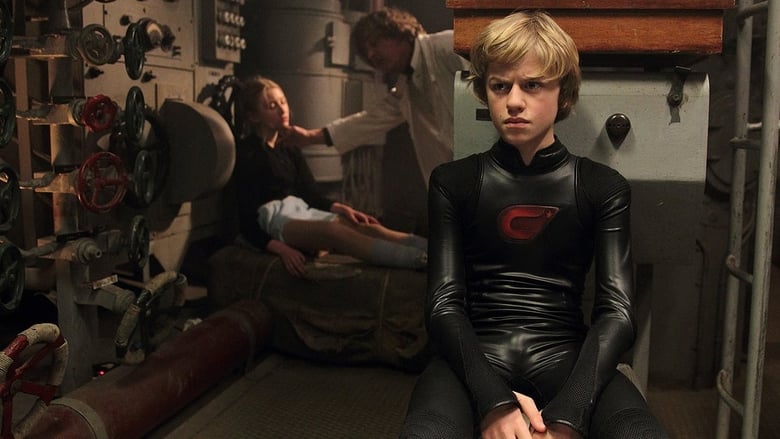
The Invisible Boy
2014
-

Tutta colpa di Freud
2014
-
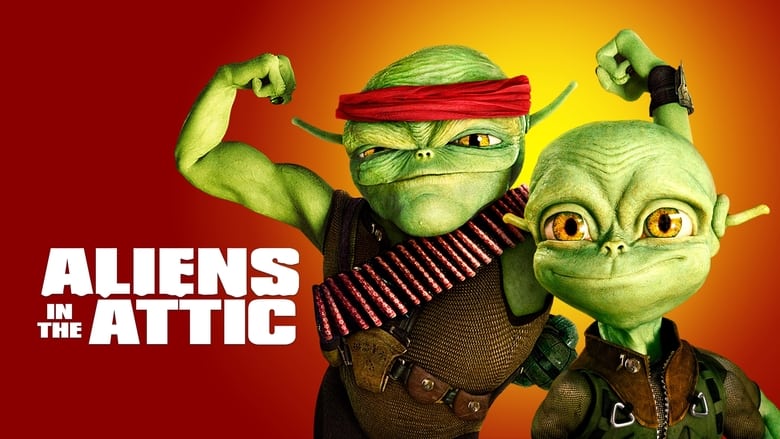
Aliens in the Attic
2009
-

Funny People
2009
-

I Love You, Beth Cooper
2009
-
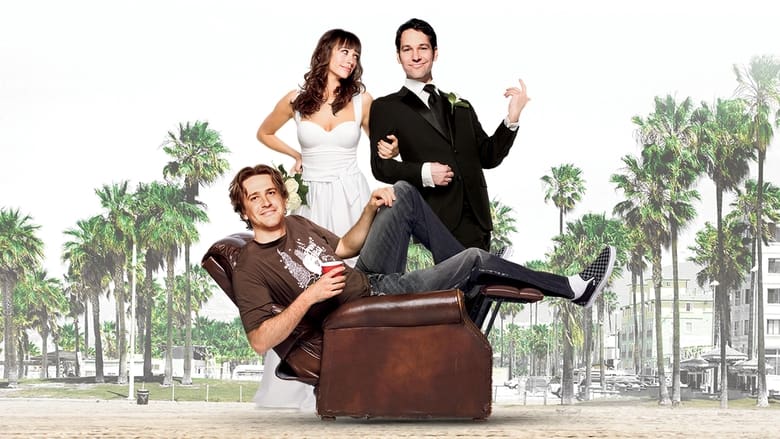
I Love You, Man
2009
-

It's Complicated
2009
-
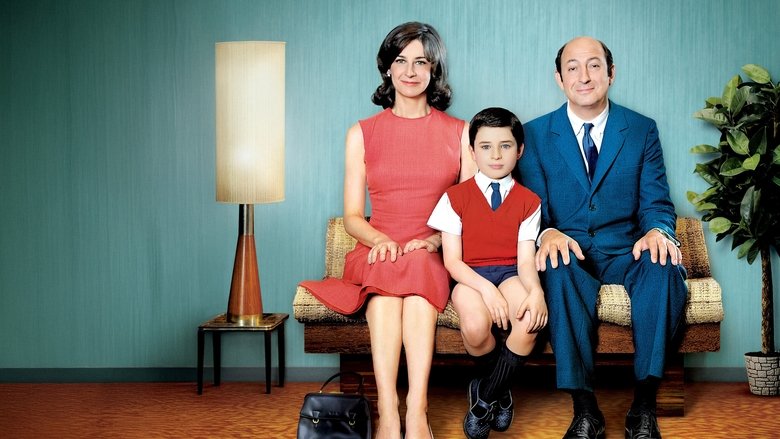
Little Nicholas
2009
-

LOL (Laughing Out Loud)
2009
-
Neuilly Yo Mama!
2009
-
Princess Protection Program
2009