The Rover
"Out here, even a car is worth a life."
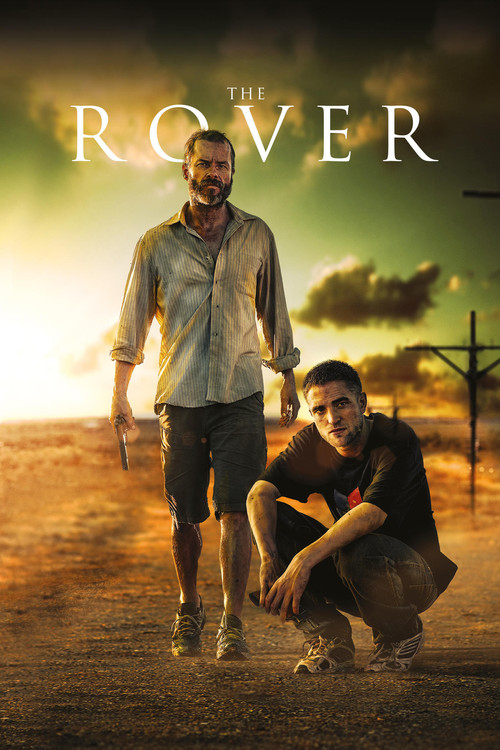
There is a specific, sun-bleached frequency of silence that only exists in the Australian Outback, and David Michôd captures it so effectively in The Rover that I found myself reaching for a glass of water five minutes into the runtime. It’s a film that smells like dust, old sweat, and burnt rubber. Released in 2014, it arrived at the tail end of a massive wave of post-apocalyptic cinema, but it didn't look like The Hunger Games or feel like The Walking Dead. It felt like a nasty, low-budget Western that had been left out in the sun until all the hope evaporated.
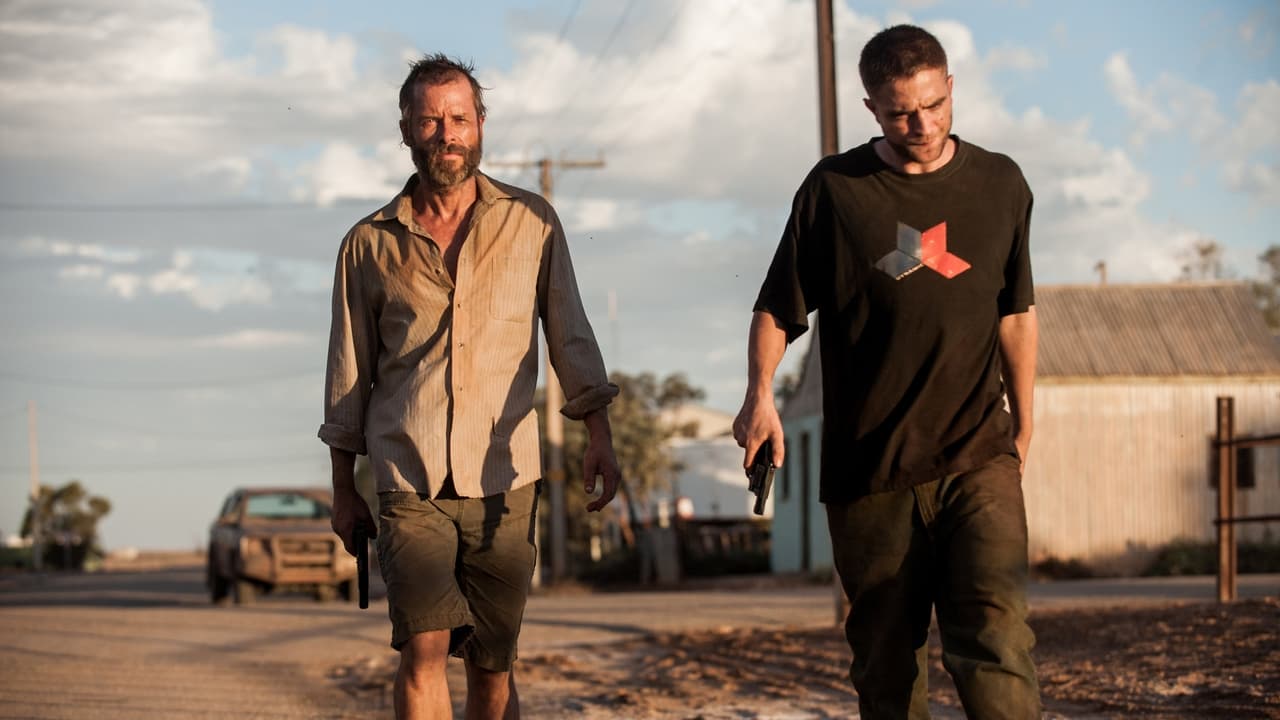
I watched this for the first time on a Tuesday night while eating a bowl of lukewarm cereal, and the contrast between my mundane kitchen and the absolute moral vacuum on screen was enough to make me lose my appetite. It’s a movie that asks very little of your patience but a lot of your emotional resilience.
A Masterclass in Gritty Minimalism
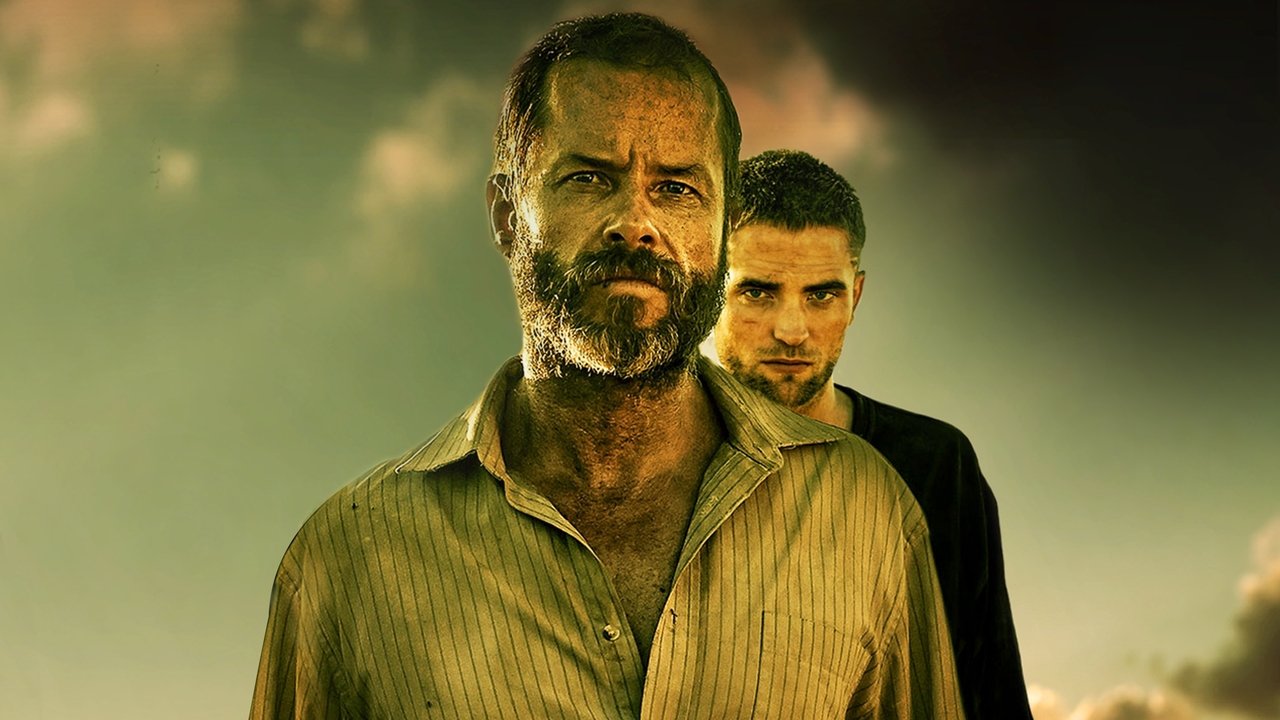
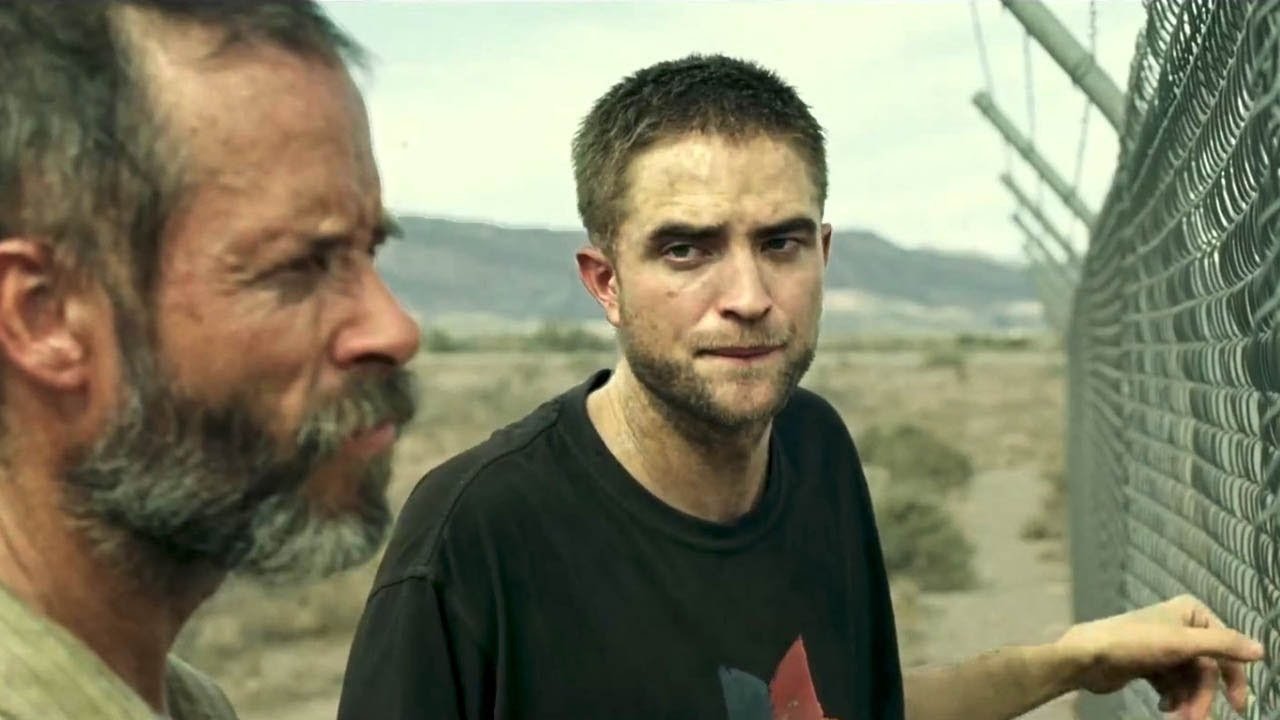
The premise is deceptively simple: ten years after an economic collapse, Eric (Guy Pearce) has his car stolen by three men. He wants it back. That’s it. There’s no grand quest to save the world, no hidden map to a lush oasis, and no resistance movement. It’s just a very angry man chasing a hunk of metal through a wasteland. Guy Pearce, who previously navigated the Australian sun in the equally brilliant The Proposition (2005), is a godsend here. He plays Eric with a hollowed-out intensity, looking less like a protagonist and more like a ghost that decided to stop haunting and start killing.
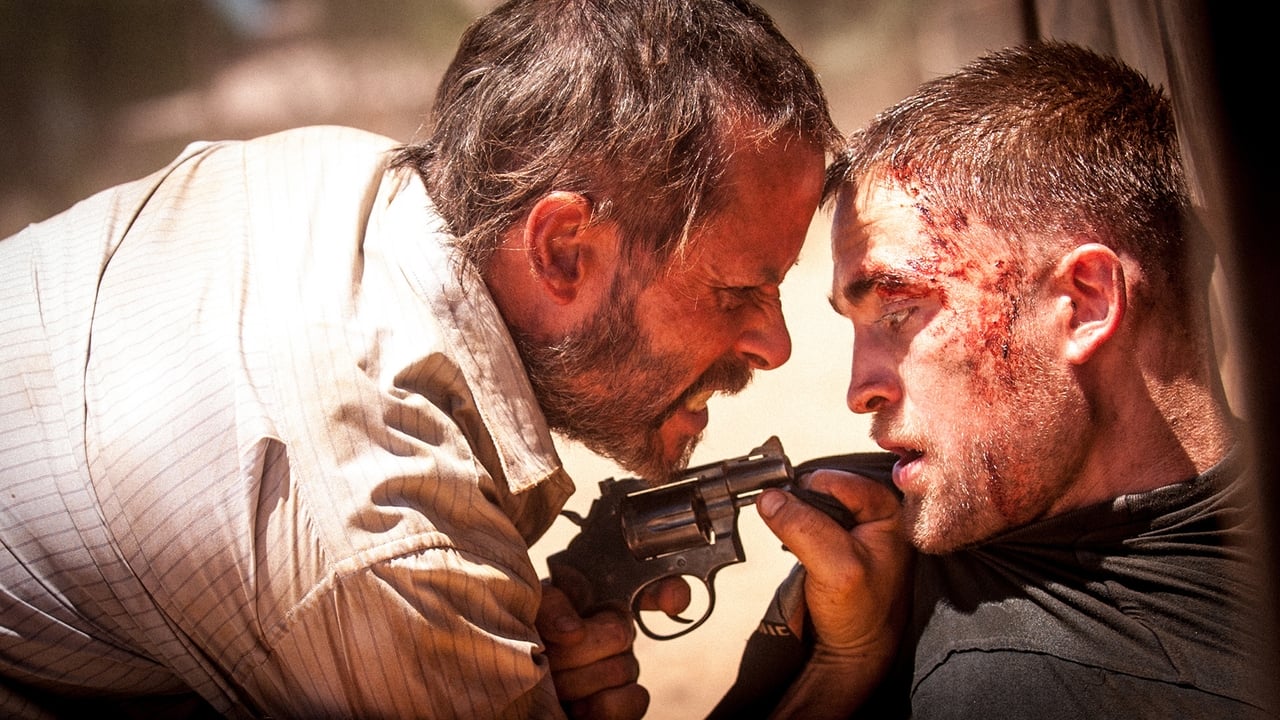
Then there’s Robert Pattinson as Rey, the dim-witted brother of one of the thieves, left behind after being shot. In 2014, the world was still largely viewing Pattinson through the sparkly lens of Twilight, but The Rover was the definitive "checkmate" to his critics. He is twitchy, vulnerable, and heartbreakingly naive. The chemistry between Pearce and Pattinson is less "buddy cop" and more "stray dog following a wolf." Watching them interact is uncomfortable; it’s a collision of Eric’s cold nihilism and Rey’s desperate need for a connection in a world that has no room for it. Pattinson’s performance is the cinematic equivalent of a bruised rib—painful and persistent.
The Era of the "Mid-Budget" Death Rattle
Looking back, The Rover represents a fascinating moment in the transition of modern cinema. By 2014, the $12 million adult drama was becoming an endangered species. Studios were pivoting hard toward the MCU formula and massive tentpoles. The Rover is a reminder of what we lose when those middle-tier movies vanish: specific, auteur-driven visions that don't need to appeal to everyone.
The cinematography by Natasha Braier (who later lensed the neon-soaked The Neon Demon) is staggering. She treats the Australian landscape not as a beautiful vista, but as an oppressive character. Everything is yellowed, overexposed, and harsh. It reminds me of the way digital shooting was finally beginning to master natural light without looking like cheap video. There’s a scene in a roadside "store" that feels so authentic in its decay that you can practically feel the flies buzzing around your head. It’s a far cry from the polished, CGI-heavy environments that were becoming the industry standard at the time.
Why This Gem Got Lost in the Dust
Financially, The Rover was a disaster. It earned back a fraction of its budget, largely because it’s a difficult sell. It’s a movie where Scoot McNairy (always reliable, as seen in Argo) and David Field play characters who aren't "villains" so much as they are just desperate people doing desperate things. There are no easy catharses here. It’s a film that refuses to explain its world-building through clunky dialogue. We don't need a prologue about "The Collapse"; we see it in the way people trade US dollars like holy relics and the way the military has devolved into a bored, lethal gang.
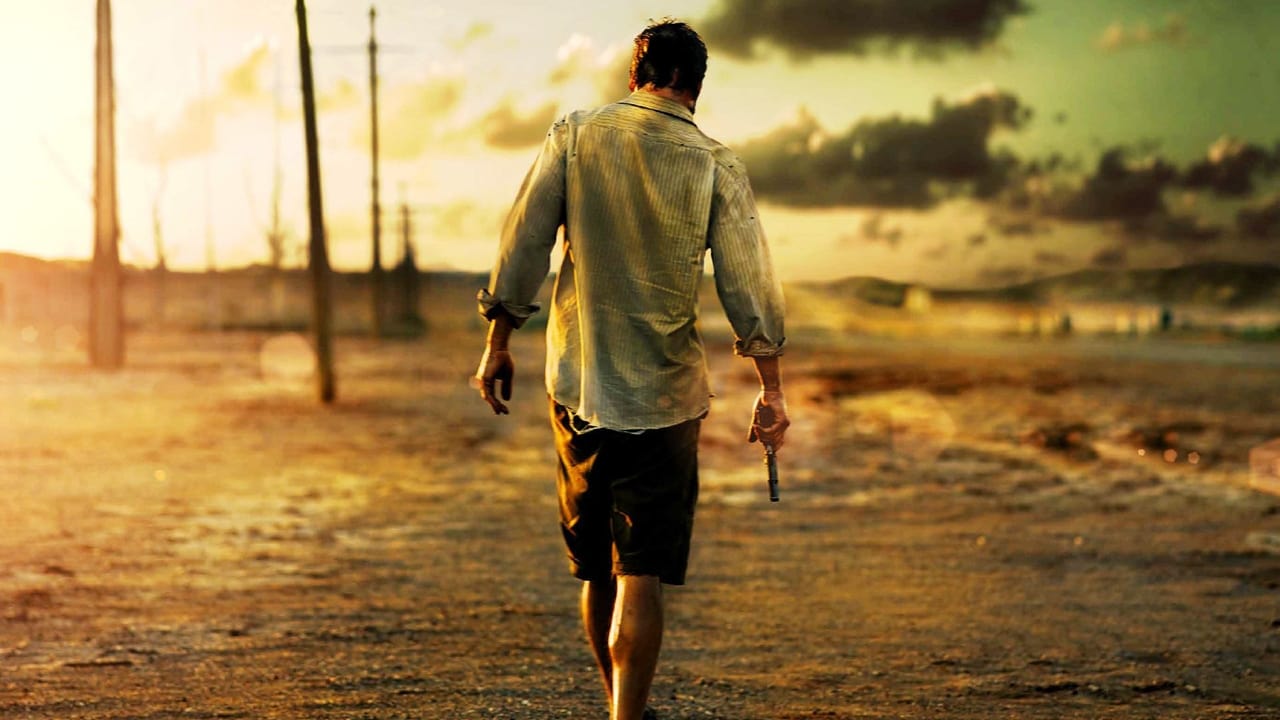
I think it disappeared because, in 2014, we were perhaps a bit exhausted by the end of the world. We wanted our apocalypses to be "cinematic" and maybe a little bit fun. The Rover is the opposite of fun. It is a lean, mean, 103-minute exercise in tension. Apparently, the production was so grueling that the crew had to deal with temperatures consistently hitting 120 degrees Fahrenheit. That physical misery translates directly to the screen. You can't fake that kind of exhaustion.
The ending of The Rover is one of the few "twist" reveals that actually recontextualizes the entire film without feeling like a cheap gimmick. It shifts the movie from a revenge thriller into a tragic character study about the last shreds of humanity. It’s a "half-forgotten oddity" that deserves a spot on your shelf next to Mad Max (1979) and Children of Men (2006). If you haven't seen it, find the quietest room in your house, turn off the lights, and prepare to feel very, very dusty.
This is a film that doesn't just show you a man with nothing left to lose; it makes you understand why he’d burn the world down just to get one small piece of his past back. It’s brutal, it’s beautiful, and it’s one of the best things Robert Pattinson has ever done. Don't let this one stay buried in the desert.
Keep Exploring...
-
Animal Kingdom
2010
-
Bad Lieutenant: Port of Call - New Orleans
2009
-
Harry Brown
2009
-

The Informant!
2009
-
The Last House on the Left
2009
-

22 Bullets
2010
-
Brooklyn's Finest
2010
-
I Love You Phillip Morris
2010
-
Takers
2010
-

The American
2010
-

Trust
2010
-
Bernie
2012
-

Get the Gringo
2012
-
Killer Joe
2012
-

The Iceman
2012
-
Dead Man Down
2013
-
Filth
2013
-
A Most Violent Year
2014
-
Kill the Messenger
2014
-
Sabotage
2014